
Greek Skull Rewritten: A 300,000-Year-Old Relic Belongs to Homo Heidelbergensis
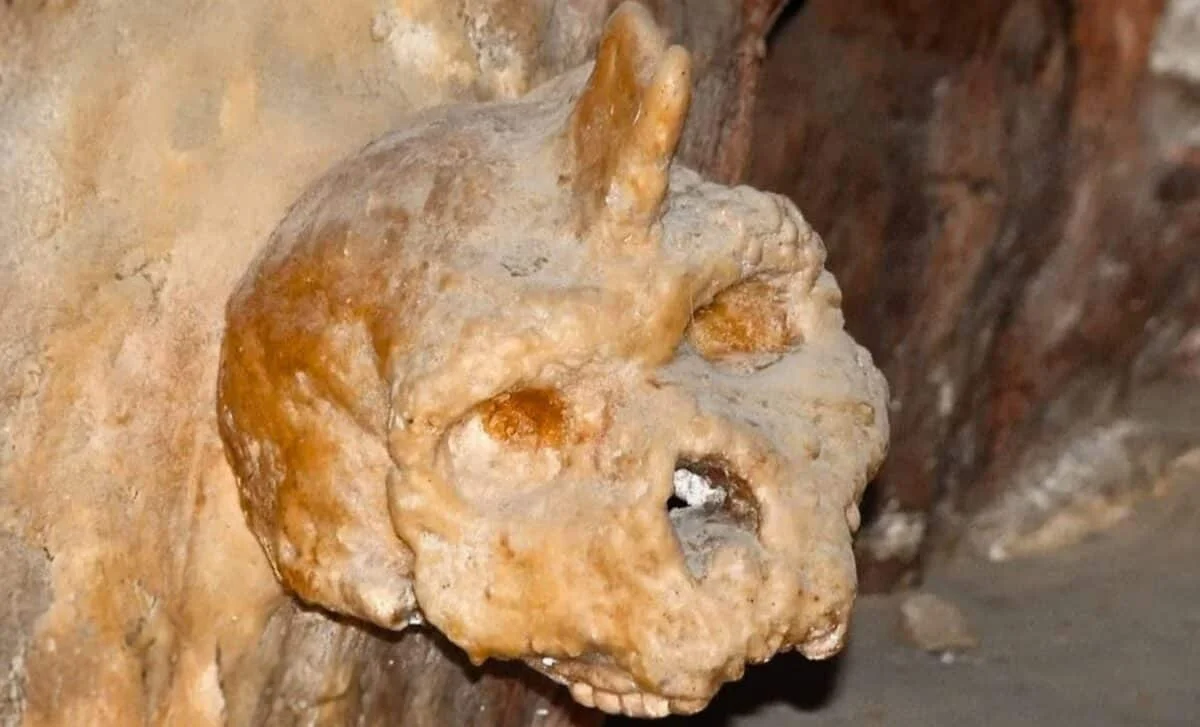
TL;DR Summary
A 300,000-year-old skull found cemented in a Greek cave (the Petralona cranium) has been dated to at least 286,000 years old via uranium-series dating of the surrounding calcite, placing it with Homo heidelbergensis rather than Homo sapiens or Neanderthals. This suggests a widespread Middle Pleistocene population in Europe that coexisted with Neanderthals for over 100,000 years. No DNA can be recovered due to the long warm history of the fossil, and the find adds complexity to how scientists categorize early human relatives.
Topics:science#homo-heidelbergensis#neanderthals-coexistence#paleoanthropology#petralona-skull#science#uranium-series-dating
- A 300,000-Year-Old Ancient Greek Skull Was neither Human nor Neanderthal. It Belonged to Someone Unexpected The Daily Galaxy
- This Mysterious Skull Baffled Scientists After Being Embedded In A Cave Wall For 300,000 Years IFLScience
- Scientists Just Found a Mysterious Ancient Skull Trapped Inside Cave Rock for 300,000 Years The Daily Galaxy
Reading Insights
Total Reads
1
Unique Readers
5
Time Saved
7 min
vs 8 min read
Condensed
94%
1,414 → 82 words
Want the full story? Read the original article
Read on The Daily Galaxy