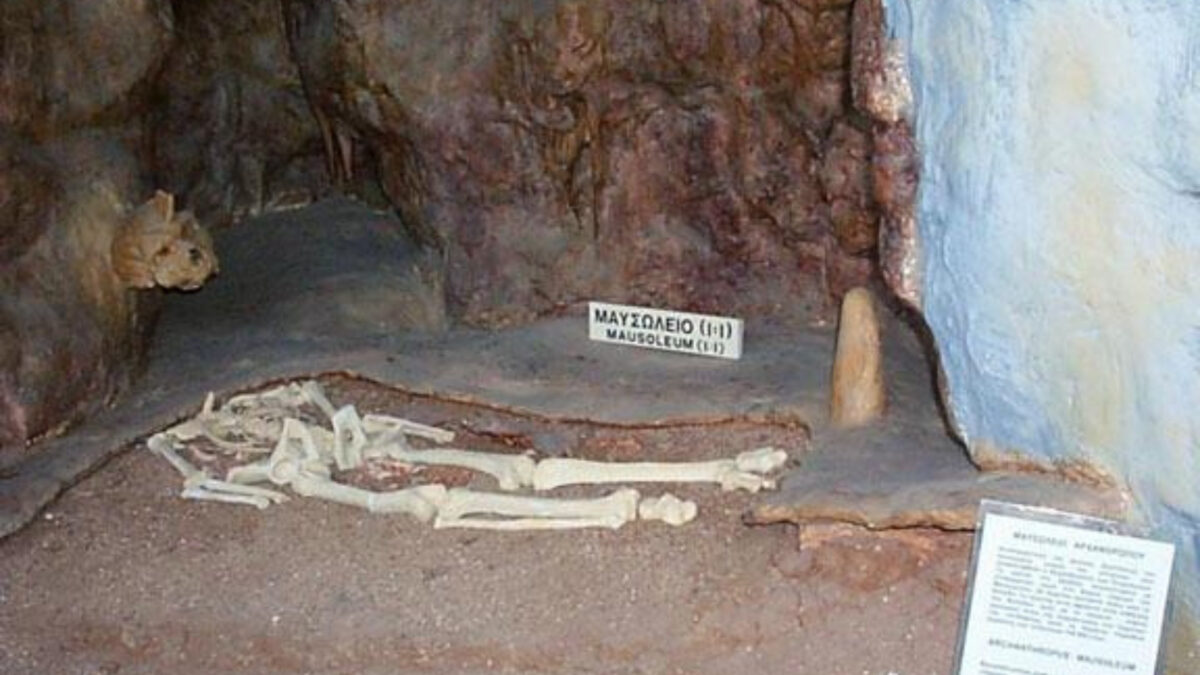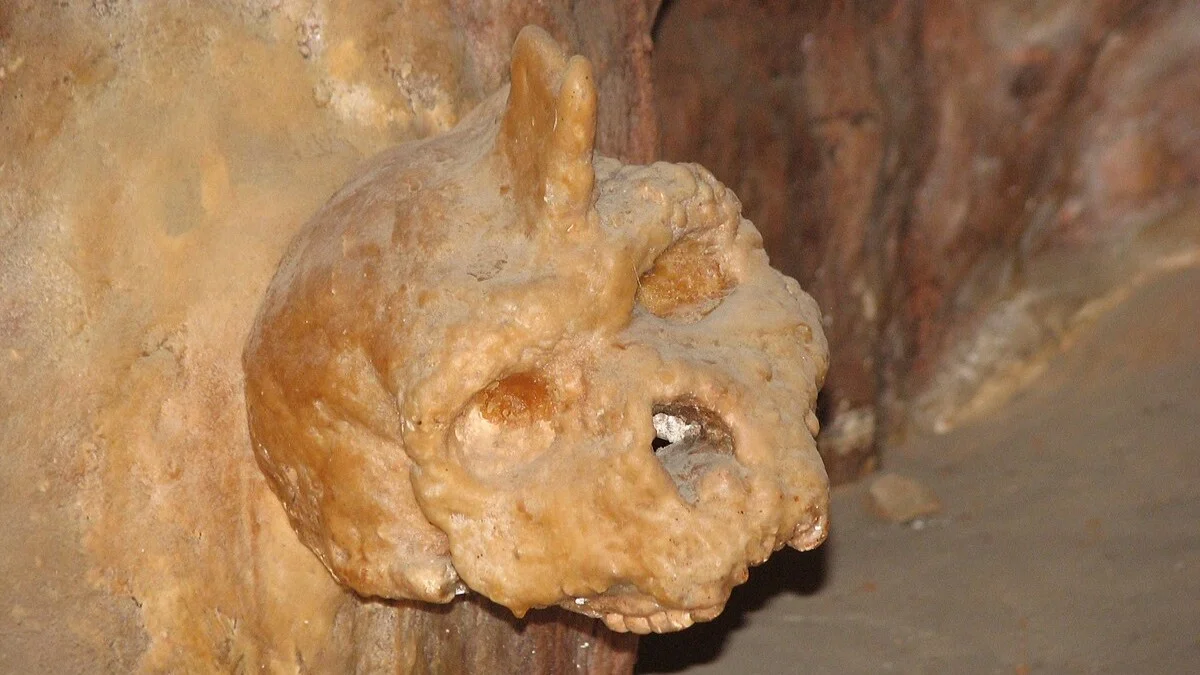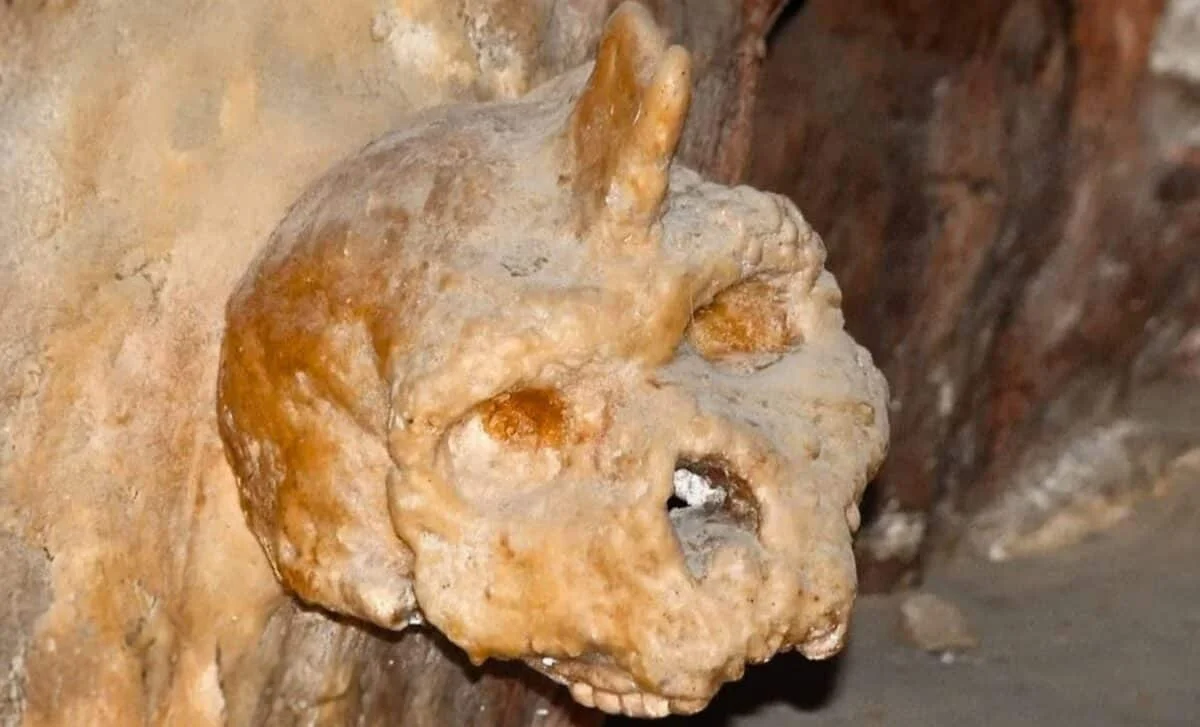
A prehistoric skull found fused to a cave wall in Greece, dating back at least 290,000 years, may belong to a mysterious ancient hominid species, possibly Homo heidelbergensis, indicating a diverse human lineage in Europe during the Middle Pleistocene.
A new study using advanced dating techniques has confirmed that the Petralona skull from Greece is at least 286,000 years old, providing crucial insights into human evolution and suggesting a complex, branching history of human populations in Europe during the Middle Pleistocene.
Scientists discovered a non-human skull in Greece's Petralona Cave, dating back around 300,000 years, likely belonging to Homo heidelbergensis, providing insights into European human evolution and coexistence with Neanderthals.
A 300,000-year-old skull found in Greece, neither human nor Neanderthal, has been dated using calcite growth to support its classification as Homo heidelbergensis, highlighting its coexistence with Neanderthals in Pleistocene Europe.
A 300,000-year-old skull found in Greece, previously debated in its classification, has been confirmed through calcite dating to be neither human nor Neanderthal but likely belongs to Homo heidelbergensis, providing new insights into human evolution in Europe.
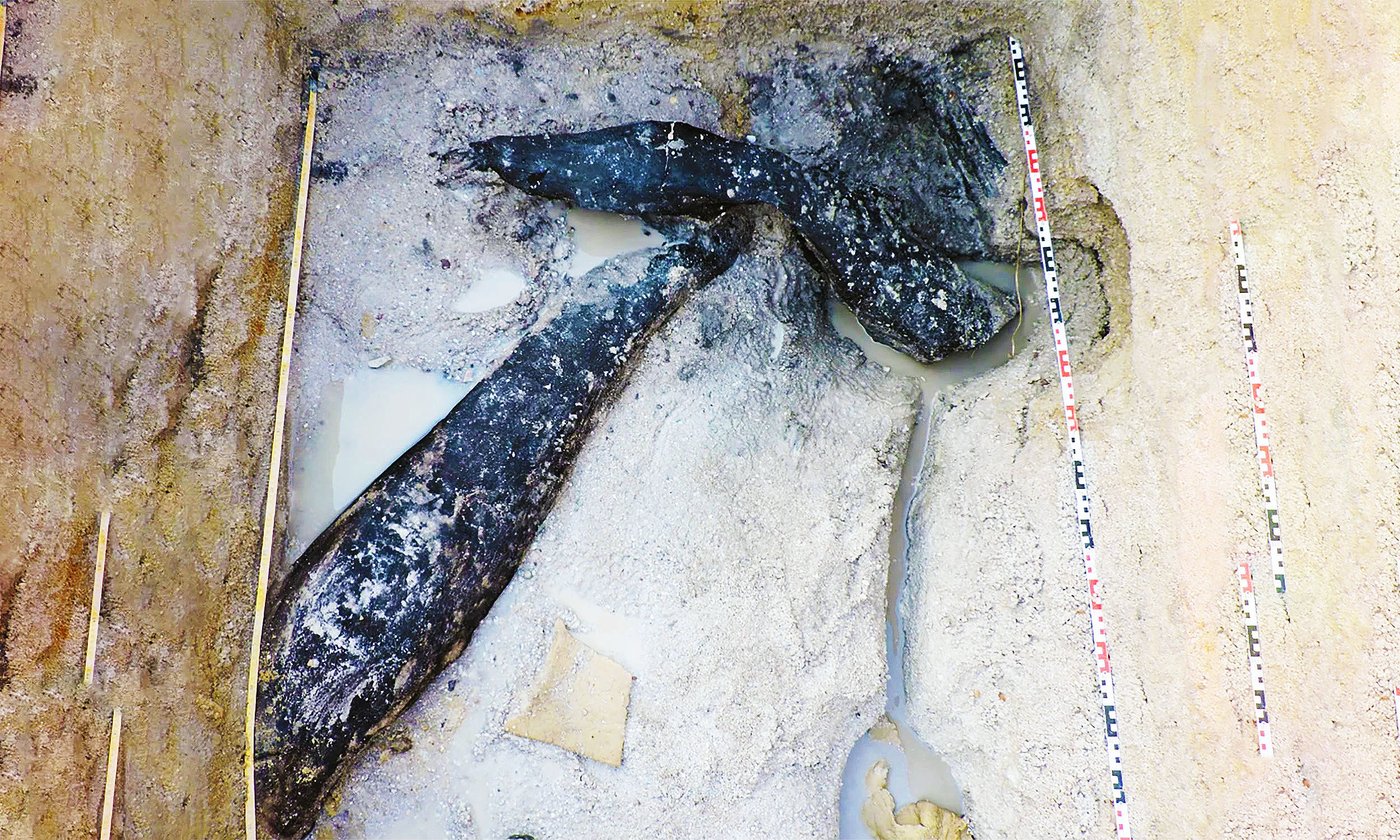
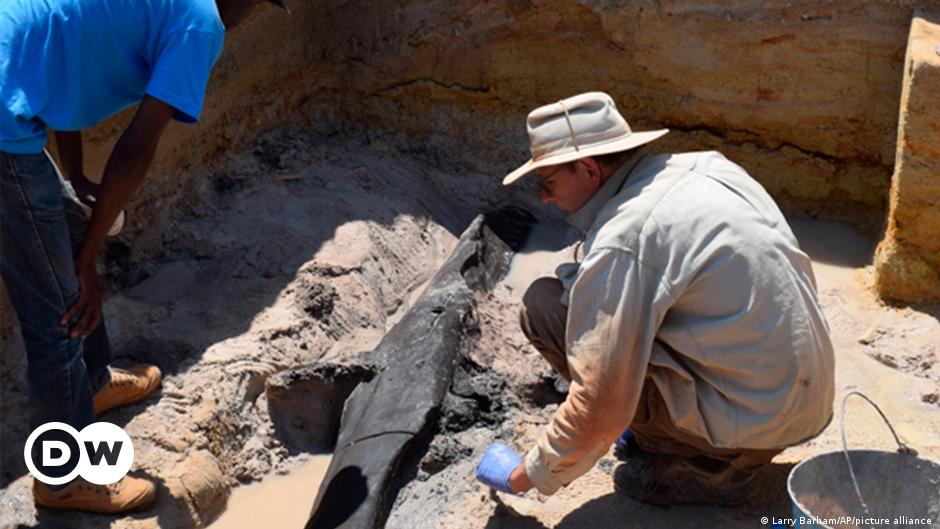
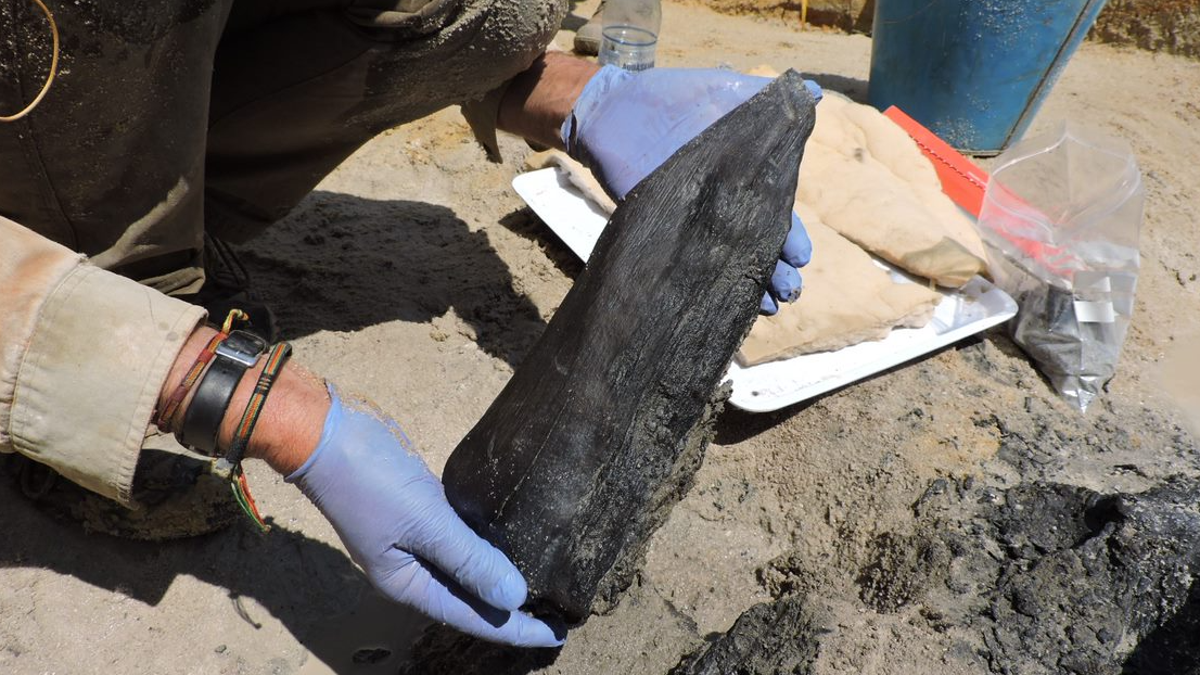
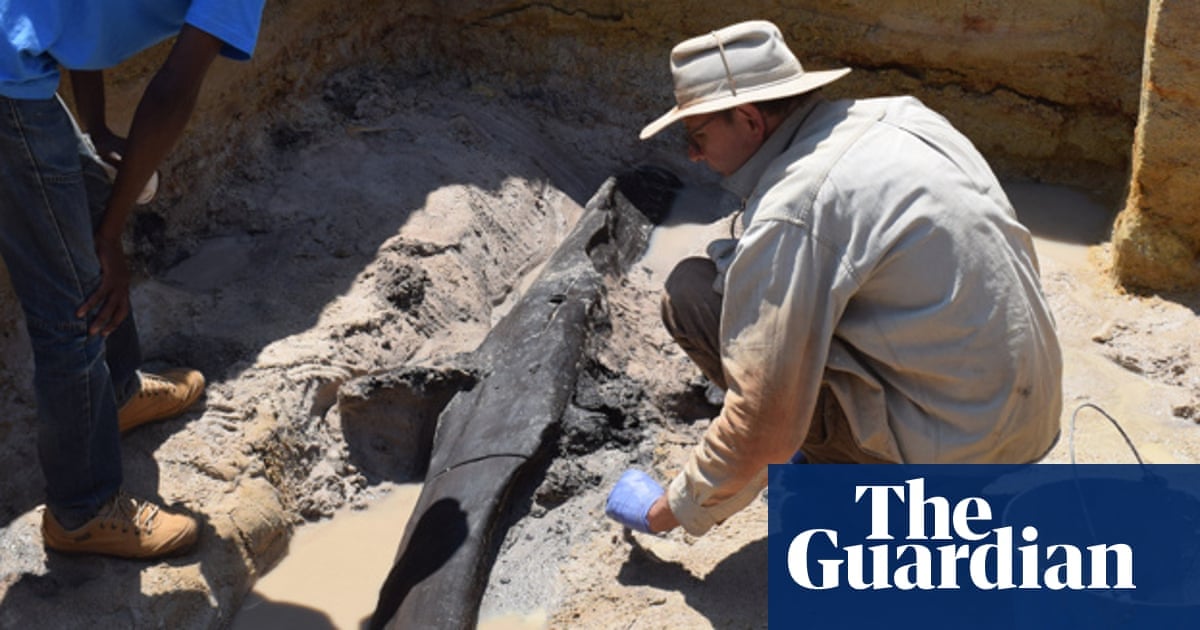
A groundbreaking discovery at Kalambo Falls in Zambia has revealed wooden structures dating back 476,000 years, challenging the traditional view of early humans as primarily stone tool users. These artifacts, possibly created by Homo heidelbergensis, include a platform or shelter base, a wedge, and a digging stick, indicating advanced woodworking skills. The findings suggest early hominins were more inventive and resourceful than previously thought, using wood to shape their environment long before Homo sapiens emerged. This discovery prompts a reevaluation of the "Stone Age" label, highlighting the significance of wood in early human history.
The question of when humans started wearing clothes is difficult to answer due to the lack of surviving clothing artifacts. Evidence from bones, lice evolution, and archaeological findings suggests that Homo heidelbergensis may have worn bear skins around 300,000 years ago, while anatomically modern humans likely began regularly wearing simple clothes around 170,000 years ago. However, different human groups may have started and stopped wearing clothes multiple times throughout history, as seen in the archaeological record of Aboriginal people in Tasmania.
Archaeologists in Zambia have discovered the world's oldest wooden structure, estimated to be around 476,000 years old. The well-preserved structure, made from the logs of a large-fruited willow tree, predates the existence of Homo sapiens and suggests a higher cognitive ability among ancient ancestors. The find also challenges the notion of Stone Age people as purely nomadic, as the structure indicates a settled lifestyle. The discovery was made near Zambia's Kalambo Falls and provides insights into the intelligence, imagination, and skills of early humans.
Archaeologists have discovered the oldest suspected wooden structure near Zambia's Kalambo Falls, dating back to nearly half a million years ago, before the appearance of Homo sapiens. The site contains four wooden tools, including a notched branch and a cut log, indicating the use of intelligence and skills to create something new. The construction material was preserved due to waterlogging. The findings push back the timeline of human construction and provide insights into human evolution.
Researchers have discovered what is believed to be the world's oldest known wooden structure on the border of Zambia and Tanzania. The arrangement of logs, dating back at least 476,000 years, was likely made by Homo heidelbergensis and may have served as a walkway or platform. The logs show signs of being cut, chopped, and scraped with stone tools. The discovery provides insight into early human ingenuity and the use of wood in shaping the environment. The site is expected to yield more ancient wooden objects and efforts are underway to have it recognized as a UNESCO world heritage site.