Tag

Chinese Researchers

All articles tagged with #chinese researchers

health-and-nutrition1 year ago

"Discover the Healthier Way to Cook Broccoli, with a Surprising Catch"

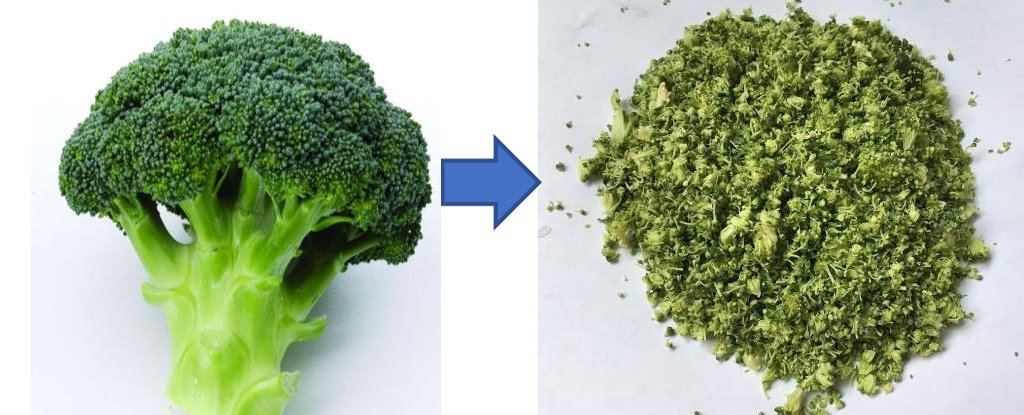
Chinese researchers have found that the best way to cook broccoli to maximize its sulforaphane content is to chop it into small pieces and let it sit for about 90 minutes before stir-frying. This method resulted in 2.8 times more sulforaphane compared to stir-frying right away. Sulforaphane, a beneficial compound in broccoli, is formed through myrosinase activity, which is enhanced when the vegetable is damaged. While raw broccoli provides the highest sulforaphane content, the study suggests that this new cooking method can help retain more of the beneficial compounds.


artificial-intelligence1 year ago

"Chinese Researchers Aim to Develop Authentic AI Scientists"

Chinese researchers have developed a new framework for training machine learning models that incorporates prior knowledge alongside data, aiming to create "real AI scientists" capable of improving experiments and solving scientific problems. The framework assesses the value of rules and determines which combinations result in the most predictive models, potentially making AI models more reflective of the real world and more useful in science and engineering. The team hopes to further develop the framework to allow AI to identify its own knowledge and rules directly from data without human interference.

technologypolitics1 year ago

"DeSantis' Law Hampers Nvidia's $70 Million Florida Supercomputer"

Nvidia co-founder Chris Malachowsky funded a $70 million supercomputer at the University of Florida, aiming to attract top AI talent, but Florida Governor Ron DeSantis's law banning recruitment of researchers from China and other countries of concern is hindering the university's AI research ambitions. The law, aimed at national security, has led to pushback from faculty and concerns about Florida's competitiveness in AI research. The restrictions have made it difficult for UF to recruit top talent, threatening the state's progress in AI and academic research.

technology1 year ago

"Revolutionary Super-DVD Disc Stores Petabits of Data"

Chinese researchers have developed a 'Super DVD' disc with hundreds of layers, increasing its capacity to 1.6 petabits, equivalent to approximately 200 terabytes. This breakthrough in optical data storage technology has the potential to revolutionize archiving and large data centers, as it could hold thousands of 4K feature-length movies on a single disc, while physical media offerings are on the decline.

spacetechnology2 years ago

Chinese Scientists Develop Robot Chemist to Produce Oxygen on Mars, Paving the Way for Human Colonization

Chinese researchers have developed a robotic space chemist equipped with artificial intelligence and a robotic arm that can create oxygen on Mars using materials from the planet's surface. By analyzing meteorite samples, the machine identified a chemical formula that can cause oxygen to separate from water, a process crucial for sustaining human activity on Mars. This technology could eliminate the need for astronauts to bring oxygen-creating supplies from Earth and could be expanded to produce other chemicals and even plant fertilizer.

health2 years ago

Chinese Scientists Make Groundbreaking Anti-Aging Discovery with Spinal Cord Cells

Chinese scientists claim to have discovered a unique group of cells in the spinal cord that contribute to the ageing process and may be mitigated with vitamin C supplements. These cells, which surround motor neurons, are believed to accelerate ageing and affect mobility. The seven-year study involved researchers from three labs and aimed to fill a knowledge gap in understanding the relationship between ageing and the spinal cord. Animal experiments showed that vitamin C supplements improved ageing-related indicators in motor neurons, suggesting potential benefits for anti-ageing.

technology2 years ago

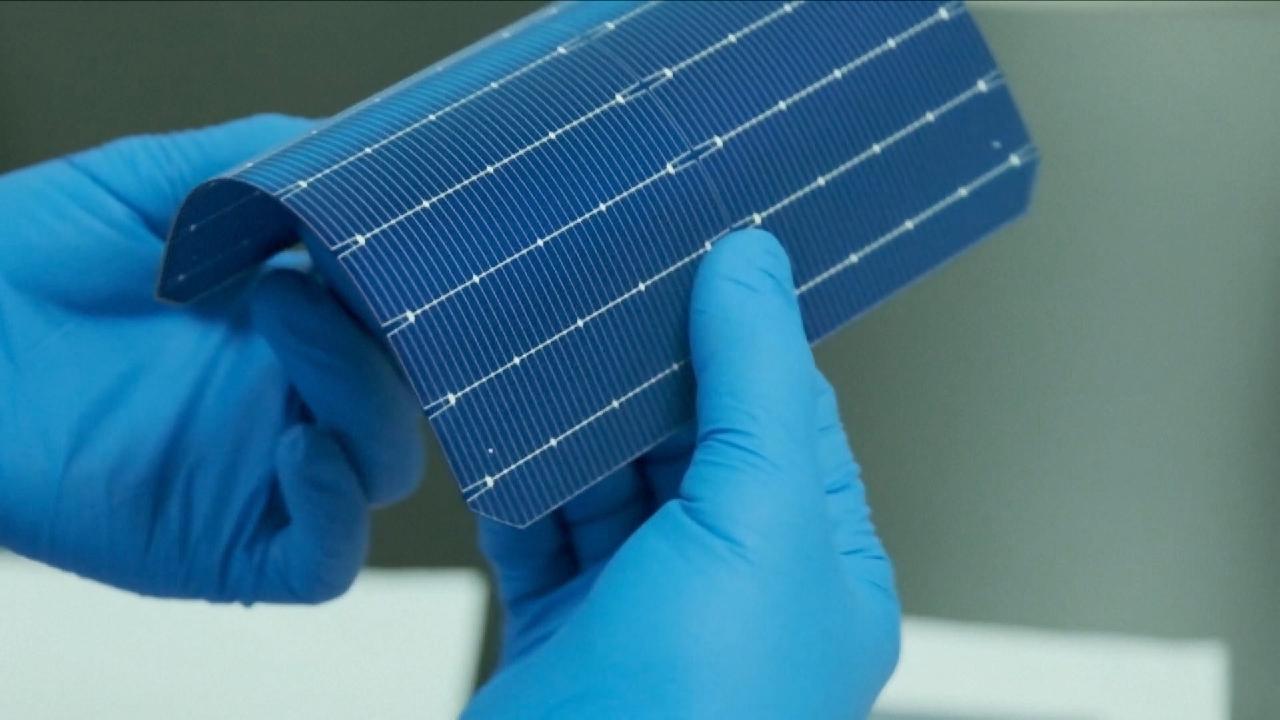
Chinese Researchers Develop Flexible, High-Efficiency Solar Cells.

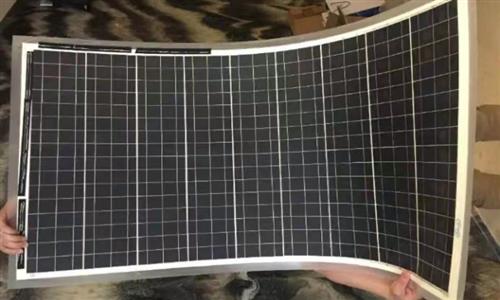
Chinese researchers from the Shanghai Institute of Microsystem and Information Technology have developed a unique technology that allows the edges of textured crystalline silicon (c-Si) solar cells to be tailored, enabling them to be bent and folded without damage. The newly developed c-Si solar cells can be manufactured to be only between 50 and 60 micrometers thin and possess a bending radius of approximately 8 millimeters. The researchers hope that with the newfound flexibility and thinness of these solar cells, they can be incorporated into various areas such as construction, backpacks, tents, automobiles, sailing boats and even airplanes.

energy2 years ago

"Breakthrough in Manufacturing Flexible, Paper-Thin Solar Cells with Crystalline Silicon"

Chinese researchers at the Shanghai Institute of Microsystem and Information Technology have developed a technology to tailor the edges of textured crystalline silicon (c-Si) solar cells, making them highly flexible and paper-thin. The c-Si solar cells can be bent and folded like thin paper, allowing for broader application and use. The breakthrough provides a technical route for the development of lightweight and flexible c-Si solar cells, which can be used in construction, backpacks, tents, automobiles, sailing boats, and even planes.

science2 years ago

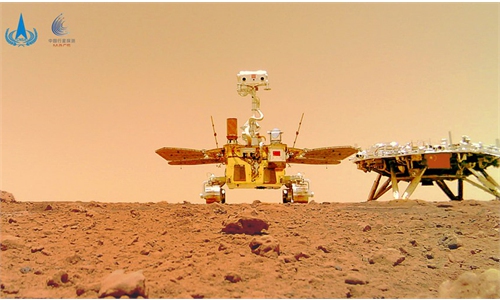
New Evidence of Liquid Water on Mars Discovered by Chinese Researchers and Mars Rover

Chinese researchers have discovered evidence of liquid water on Mars for the first time, formed from frost or snowfall, based on data collected from the country's Mars rover Zhurong. The discovery is significant for understanding the evolution of Mars' climate and the search for habitable environments, and also provides key clues for the future search for life. The finding fills the gap in observation evidence for the existence of liquid water in low-latitude regions of Mars, revealing that the Red Planet can still exhibit humid environments in relatively warm and suitable low-latitude areas.

science2 years ago

Scientists Create Synthetic Embryos from Monkey Stem Cells

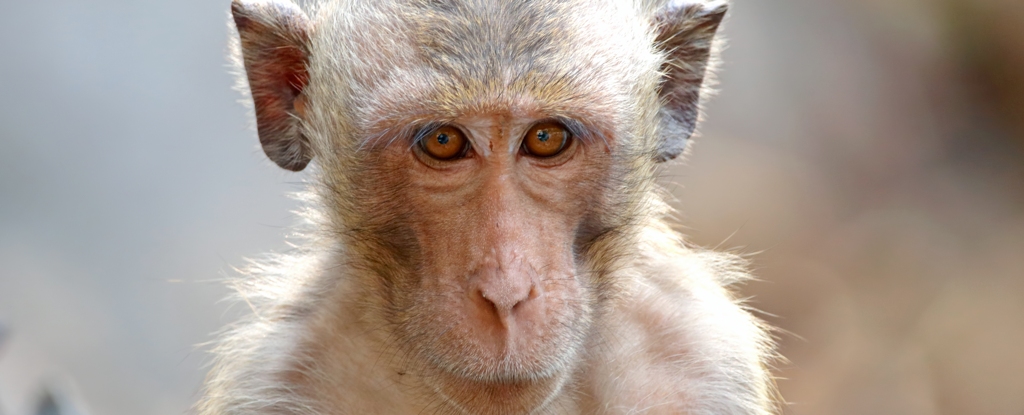
Chinese researchers have successfully grown embryo-like models using monkey stem cells, which when implanted in surrogate monkey 'mothers' appear to progress through the earliest stages of gestation. The scientists exposed macaque embryonic stem cells in a cell culture to a careful selection of growth factors, which proceeded to form embryo-like structures known as blastoids. Several of these blastoids progressed to form a yolk sac and amnion. The embryo-like structures successfully implanted in three of the surrogate mothers, forming early gestation sacs that lasted a week or more after transplantation.