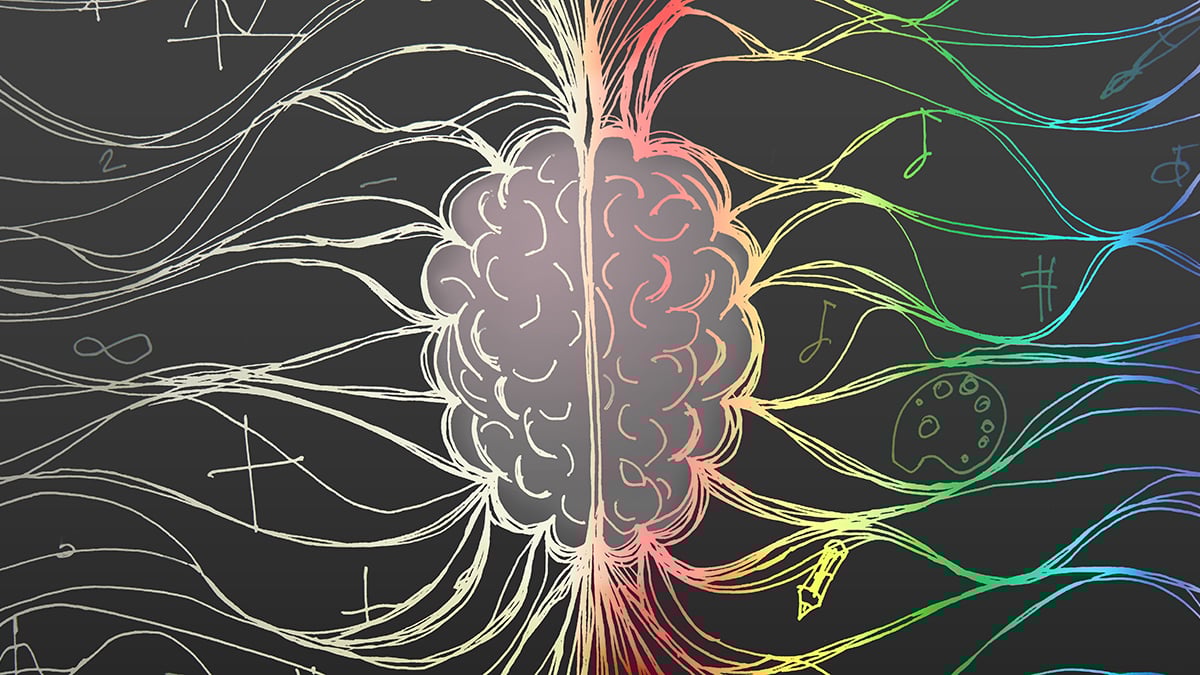
Scientists have discovered that rhythms in the brain and gut share similar physics, with coupled oscillation patterns helping to regulate blood flow and digestion, potentially offering insights into mental health and neurodegenerative diseases.
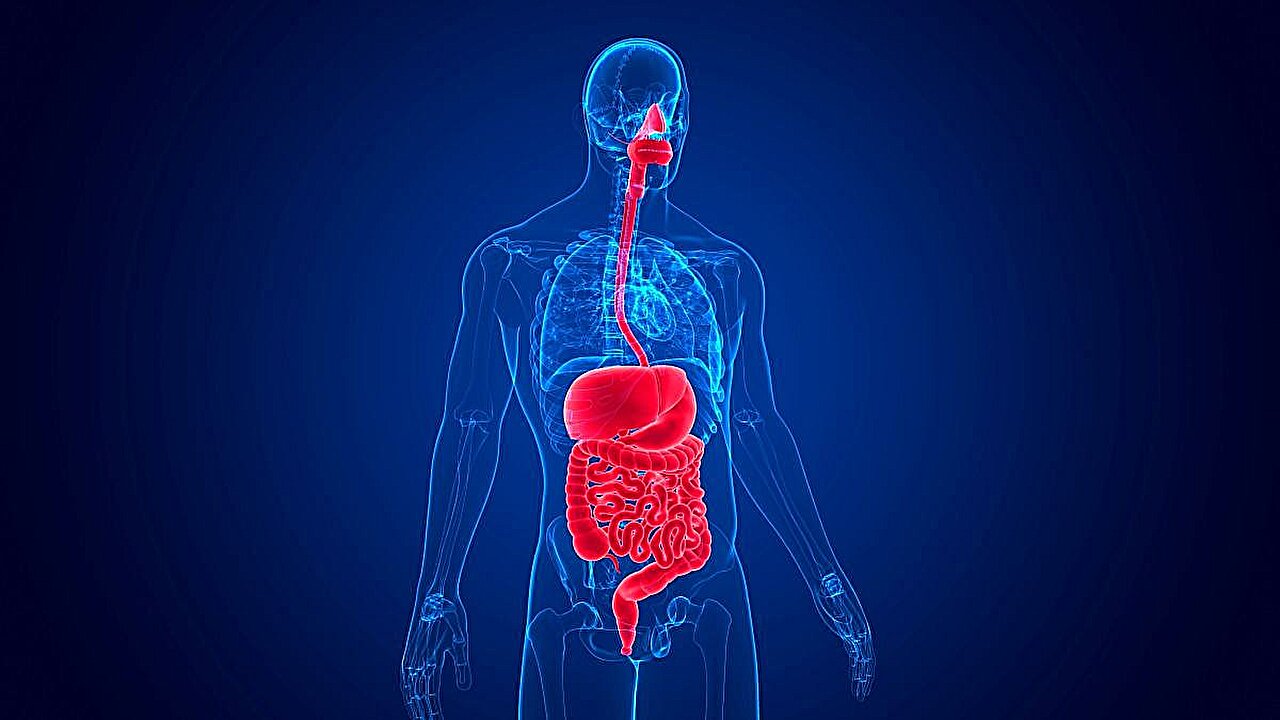
Scientists at UC San Diego discovered that rhythmic muscle movements in the gut may explain how brain blood vessels coordinate their expansion and contraction, revealing a surprising link between gut and brain rhythms through synchronized oscillations.
New research reveals that sleep rhythms like slow oscillations and spindles, crucial for memory consolidation, are more flexible than previously thought and can be influenced by metabolic states such as fasting, which enhances their synchronization and density, potentially improving memory retention.
Scientists have observed and explained the oscillations of circular hydraulic jumps, uncovering a connection between these movements and the waves they generate. By studying small water jets impacting a solid disk, researchers discovered stable periodic oscillations and developed a theoretical model to explain them. The oscillations were found to be influenced by surface gravity waves formed within the disk cavity and could be predicted and controlled. This research contributes to a deeper understanding of fluid dynamics and has potential applications in fields such as cooling, cleaning surfaces, and high-speed or 3D printing. Further research is planned to explore the interactions between multiple oscillating jumps and hydraulic jumps with waves in general.
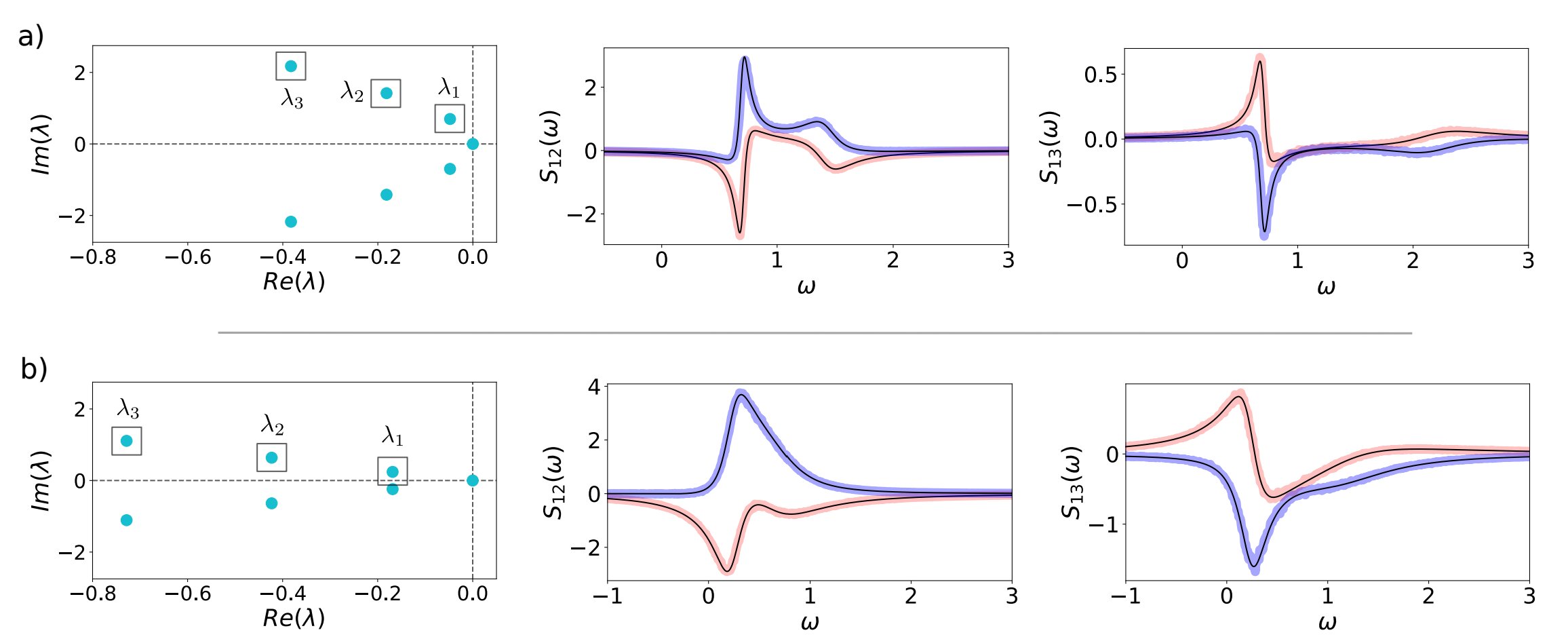
An international team of researchers has developed a universal framework for understanding and comparing stochastic oscillations, which are random rhythms found in various phenomena such as brain waves and heartbeats. By using complex numbers to describe the timing and variability of oscillators, the team's approach allows for better analysis and manipulation of these oscillations, potentially leading to advancements in fields like neural science and cardiac science. The framework provides a new perspective on stochastic oscillators and offers a more precise and comprehensive understanding of their underlying mechanisms.