Tag

Organ Transplants

All articles tagged with #organ transplants

Most People Experience Personality Changes After Organ Transplants

Originally Published 23 days ago — by IFLScience

Featured image for Most People Experience Personality Changes After Organ Transplants
Source: IFLScience

Early studies suggest that around 90% of organ transplant patients experience personality changes, potentially due to physiological influences from the donor organ, such as hormone production and systemic effects, though more research is needed to understand the mechanisms behind these changes.


Xi and Putin's Hot Mic Sparks Talks on Longevity and Immortality

Originally Published 4 months ago — by CBS News

Featured image for Xi and Putin's Hot Mic Sparks Talks on Longevity and Immortality
Source: CBS News

During a military parade in Beijing, Xi Jinping and Vladimir Putin discussed advancements in biotechnology, including life-prolonging organ transplants and the possibility of human immortality, highlighting their countries' ambitions to challenge the global order and promote a multipolar world.

Putin and Xi Discuss Organ Transplants and the Quest for Immortality

Originally Published 4 months ago — by The Guardian

Featured image for Putin and Xi Discuss Organ Transplants and the Quest for Immortality
Source: The Guardian

During a military parade in Beijing, Putin and Xi Jinping were caught on a hot mic discussing the potential of organ transplants and biotechnology to achieve immortality and extend human lifespan, reflecting their interest in longevity science and their desire to maintain power. The event also highlighted China's military display and geopolitical stance.

U.S. Approves HIV-Positive Organ Transplants for Kidneys and Livers

Originally Published 1 year ago — by CNN International

Featured image for U.S. Approves HIV-Positive Organ Transplants for Kidneys and Livers
Source: CNN International

The U.S. Department of Health and Human Services has implemented a new rule allowing kidney and liver transplants between HIV-positive donors and recipients without the need for clinical research studies. This change, based on evidence of safety and efficacy, aims to reduce wait times and expand access to organ transplants for people with HIV. The rule follows the 2013 HOPE Act, which initially permitted such transplants under research conditions, and reflects advancements in HIV treatment and transplant safety.

U.S. Expands Organ Transplants to Include HIV-Positive Donors

Originally Published 1 year ago — by The Washington Post

Featured image for U.S. Expands Organ Transplants to Include HIV-Positive Donors
Source: The Washington Post

The U.S. has approved organ transplants between people with HIV, allowing kidney and liver transplants from HIV-positive donors to HIV-positive recipients. This decision, effective Wednesday, aims to reduce wait times for all patients and improve access to lifesaving care for those with HIV, expanding beyond previous research-only limitations.

HIV-Positive Organ Transplants Approved, Expanding Access

Originally Published 1 year ago — by TIME

Featured image for HIV-Positive Organ Transplants Approved, Expanding Access
Source: TIME

U.S. health officials have announced a new rule allowing organ transplants from HIV-positive donors to HIV-positive recipients, expanding beyond previous research-only limitations. This change, effective immediately, aims to increase the organ donor pool and reduce wait times for transplants. Supported by research showing similar survival and rejection rates between recipients of HIV-positive and HIV-negative donor organs, this policy shift follows earlier successful transplants in South Africa and the U.S.

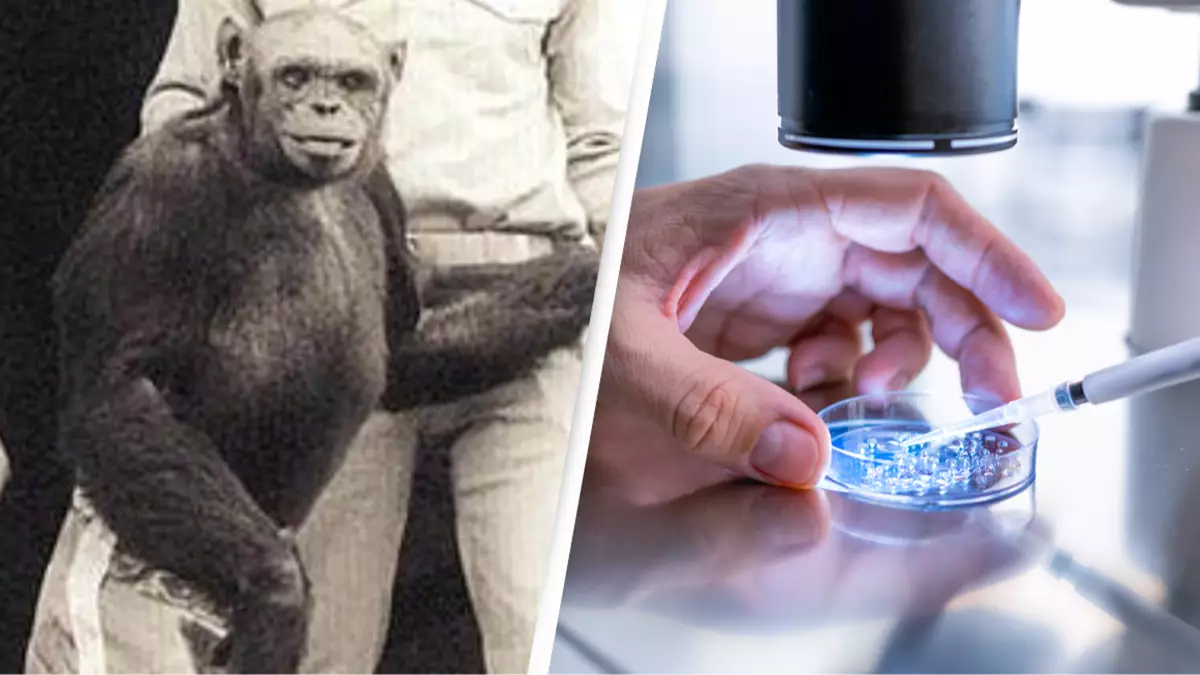
"Lab-Created 'Humanzee' Euthanized Shortly After Birth"

Originally Published 1 year ago — by UNILAD

Featured image for "Lab-Created 'Humanzee' Euthanized Shortly After Birth"
Source: UNILAD

In the 1920s, scientists in Florida successfully created a 'humanzee' by inseminating a female chimpanzee with human sperm, resulting in a live birth. The hybrid was euthanized shortly after due to ethical concerns. This controversial experiment highlights ongoing debates about the moral implications of creating human-animal hybrids, which some scientists believe could advance organ transplant research.

"Breakthrough: Successful Multi-Gene-Edited Pig Kidney Transplant in Human"

Originally Published 1 year ago — by South China Morning Post

Featured image for "Breakthrough: Successful Multi-Gene-Edited Pig Kidney Transplant in Human"
Source: South China Morning Post

Chinese scientists have achieved another milestone in pig organ transplants by successfully transplanting a pig's kidney with multiple gene edits into a brain-dead human recipient, following their recent world's first pig liver transplant on a human. The transplanted kidney has been functioning well for 13 days, offering hope for end-stage kidney disease patients. The use of pig organs, with gene editing to reduce rejection risk, could provide a solution to organ shortages and help patients waiting for human donors. This breakthrough in xenogenic organ transplantation may pave the way for life-saving operations for millions of people.

"Potential Transmission of Alzheimer's Disease Through Organ and Stem Cell Transplants"

Originally Published 1 year ago — by Daily Mail

Featured image for "Potential Transmission of Alzheimer's Disease Through Organ and Stem Cell Transplants"
Source: Daily Mail

A study suggests that Alzheimer's disease could potentially spread to patients who receive transplants containing faulty genes, as seen in mice receiving bone marrow transplants with stem cells carrying a mutated amyloid precursor protein (APP) gene. The research indicates that the disease may start outside the central nervous system and then travel to the brain, causing cognitive decline. Experts are calling for screening of donors for Alzheimer's to prevent potential spread of the disease through blood, tissue, and organ transplants, while acknowledging the need for further research to confirm these findings in humans and other species.

"World's First Gene-Edited Pig Liver Transplant Saves Chinese Patient"

Originally Published 1 year ago — by Interesting Engineering

Featured image for "World's First Gene-Edited Pig Liver Transplant Saves Chinese Patient"
Source: Interesting Engineering

Chinese scientists have conducted the world's first successful transplantation of a gene-edited pig liver into a human recipient, aiming to address the shortage of organ transplants. This breakthrough comes at a crucial time when there is a high demand for donor organs.

"Unlimited Organ Supply: The Potential of Genetically Modified Pigs for Human Transplants"

Originally Published 1 year ago — by NPR

Featured image for "Unlimited Organ Supply: The Potential of Genetically Modified Pigs for Human Transplants"
Source: NPR

Biotech company Revivicor is at the forefront of using genetically modified cloned pigs to provide organs for transplants, aiming to alleviate the chronic shortage of organs for transplantation. The company's research has raised concerns about the ethics of using farm animals for their organs and the potential risks of spreading animal viruses to humans. Despite ethical concerns, Revivicor believes that breeding pigs for organ transplants serves a higher purpose than using them for meat and could save many lives. The company is conducting studies in baboons and human body donors to gather data for FDA approval to start formal human studies on the organ waiting list.

"Advancements in Animal-to-Human Organ Transplants: Pig Kidney Successfully Transplanted for Third Time"

Originally Published 1 year ago — by CNN

Featured image for "Advancements in Animal-to-Human Organ Transplants: Pig Kidney Successfully Transplanted for Third Time"
Source: CNN

Scientists are making progress in understanding how to make the human body receptive to organ donations from other species, potentially addressing the shortage of organs for transplants. A recent study at the University of Alabama-Birmingham's Marnix E. Heersink School of Medicine transplanted genetically modified pig kidneys into three brain-dead patients using FDA-approved drugs, showing promise for xenotransplantation. The study suggests that using familiar medications for transplants could simplify the process and make it more widely accessible, offering hope for addressing the critical shortage of donor organs.

Investigation Launched into Alleged Illegal Kidney Transplants at Apollo Hospital in New Delhi

Originally Published 2 years ago — by Reuters India

Featured image for Investigation Launched into Alleged Illegal Kidney Transplants at Apollo Hospital in New Delhi
Source: Reuters India

The New Delhi city government is investigating Apollo hospital, part of India's largest private hospital chain, following a media report that linked it to the illegal sale of kidneys by Myanmar nationals for organ transplants. The report alleged that young villagers from Myanmar were being flown to the Delhi hospital and enticed to sell their kidneys to wealthy Burmese patients. Apollo Hospitals has expressed shock at the allegations and stated that it will conduct an internal investigation. The National Organ and Tissue Transplant Organisation (NOTTO) has called for a deep investigation and concrete evidence before taking further action. The Delhi Health Secretary has confirmed that the city is initiating a probe based on an order from the federal government.