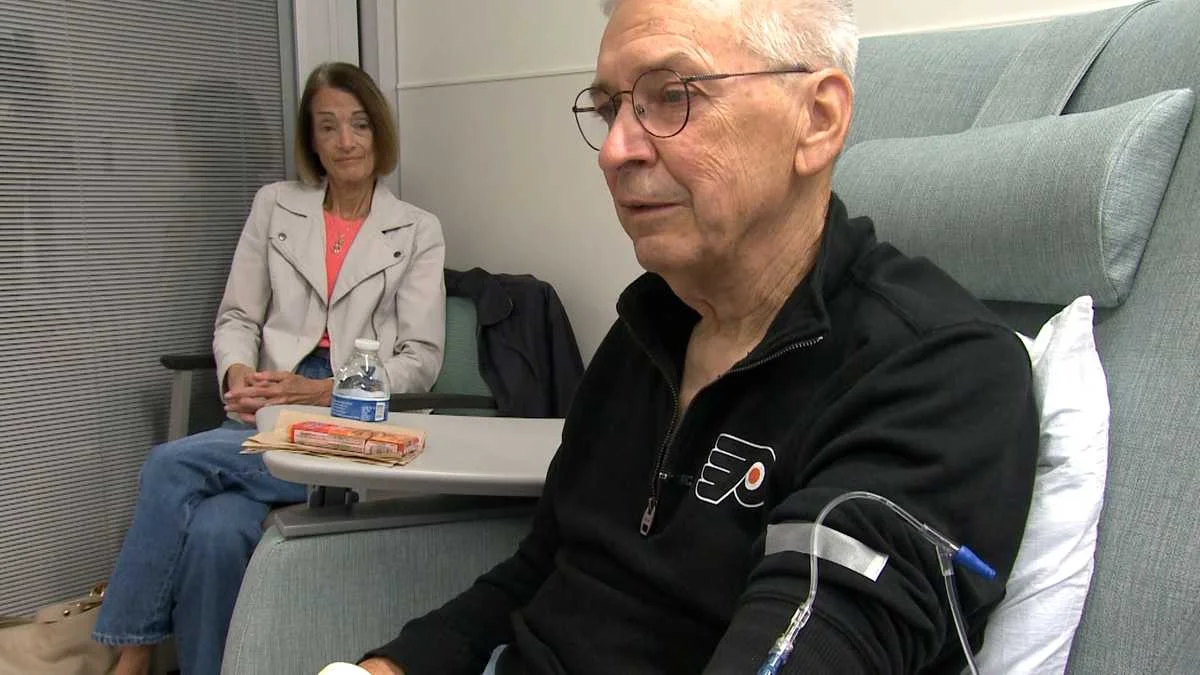
A Lancaster County family benefits from new FDA-approved Alzheimer's drugs, Leqembi and Kisunla, which target amyloid protein buildup in the brain, offering hope for slowing disease progression and improving quality of life, with local health systems expanding access and research.
Researchers have discovered that dormant breast cancer cells, which can cause relapse years after treatment, can be detected and eradicated using existing drugs, significantly reducing the risk of recurrence and offering new hope for survivors.
Scientists are making progress in understanding how to make the human body receptive to organ donations from other species, potentially addressing the shortage of organs for transplants. A recent study at the University of Alabama-Birmingham's Marnix E. Heersink School of Medicine transplanted genetically modified pig kidneys into three brain-dead patients using FDA-approved drugs, showing promise for xenotransplantation. The study suggests that using familiar medications for transplants could simplify the process and make it more widely accessible, offering hope for addressing the critical shortage of donor organs.
A new study has shown that FDA-approved drugs can stimulate pancreatic ductal progenitor cells to regenerate insulin-producing functions similar to β-cells, offering hope for reducing the need for insulin injections in diabetes management. The drugs target the EZH2 enzyme, allowing the ductal cells to develop insulin production and secretion capabilities. This breakthrough could potentially lead to a regenerative approach for diabetes treatment, with the ability to sense glucose levels and adjust insulin production, and it took just 48 hours of stimulation for regular insulin production to resume in tissue samples from individuals with type 1 diabetes. While clinical trials are still needed, this research presents a promising avenue for coaxing the human body to replace the functions that diabetes takes away.