Science Corporation, founded by ex-Neuralink president Max Hodak, is developing a portable, cost-effective organ perfusion system to extend the viability of organs outside the body, aiming to improve transplant outcomes and reduce costs compared to current bulky and expensive systems.
Researchers at Duke and Vanderbilt have developed new, simpler methods to recover hearts from donation after circulatory death (DCD), potentially increasing the number of hearts available for transplant and saving more lives, especially among children and adults in need of urgent transplants.
Researchers at Duke and Vanderbilt are developing new, simpler methods to recover hearts from donation after circulatory death (DCD), potentially increasing the number of hearts available for transplant and saving more lives, especially among children and adults with heart failure.
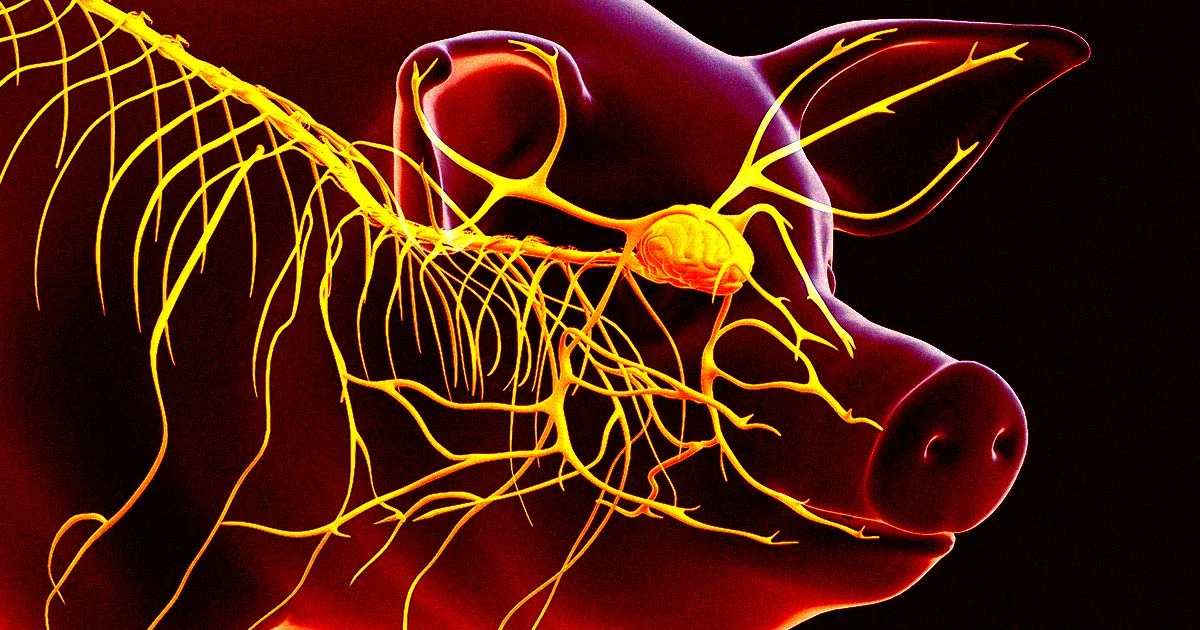
Scientists have revived cellular functions in a severed pig's brain using a cocktail of preserving agents, challenging previous notions about brain death. This research, led by Yale neuroscientist Zvonimir Vrselja, could have significant implications for reanimating human brains, though it raises ethical concerns about the definition of death. The technique, which prevents brain damage from oxygen-rich blood post-mortem, is also being explored for treating neurodegenerative diseases and extending the viability of donor organs.
A groundbreaking study demonstrates the successful preservation of pig hearts for over 24 hours using normothermic ex-vivo heart perfusion (NEHP), potentially revolutionizing heart transplantation by extending the viability period beyond the current six-hour window. By incorporating techniques like hemofiltration, plasma exchange, and intermittent left atrial perfusion, this research could increase the donor heart pool and improve logistics in heart transplantation, offering hope for more hearts to be available for those in need.