Tag

Oncogenes

All articles tagged with #oncogenes

biotechnology1 year ago

Arrakis CEO Discusses Challenges in Developing RNA-Targeting Cancer Drugs

Arrakis, a biotech startup led by Michael Gilman, is tackling the challenge of targeting the Myc oncogene, which is implicated in 70% of cancers and is difficult to target due to its "intrinsically disordered" protein structure. Instead of targeting the protein directly, Arrakis aims to intercept the mRNA responsible for its production, a novel approach in drug development.

science1 year ago

Unlocking the Secrets of Circular DNA: A New Hope for Cancer Treatment

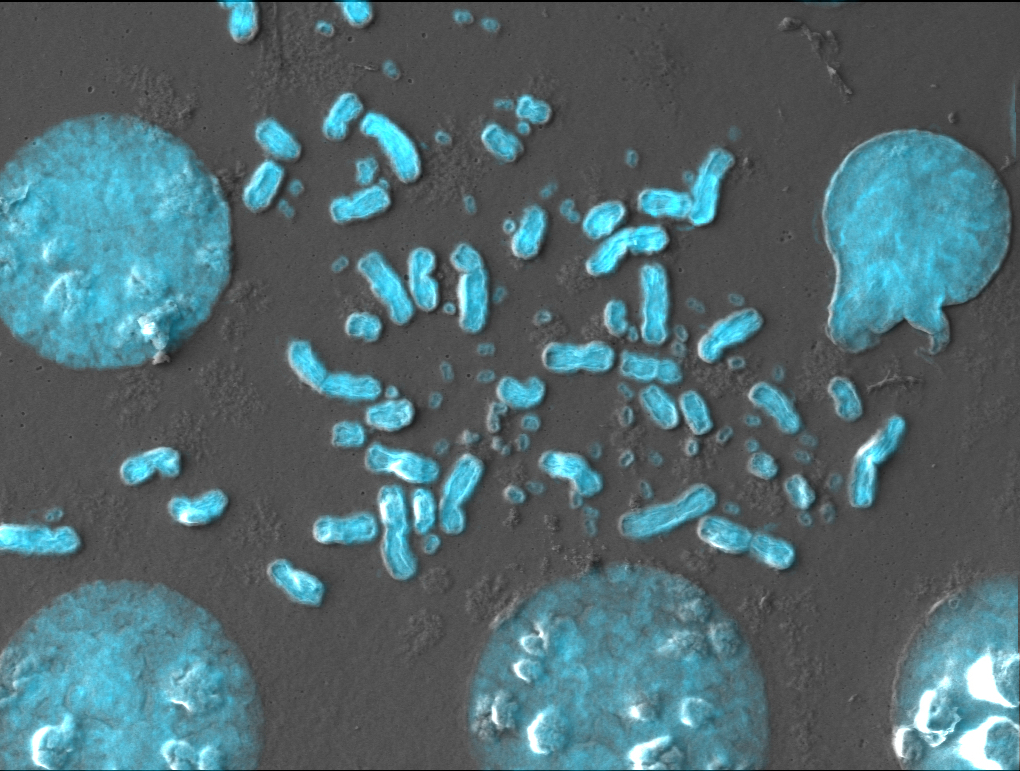
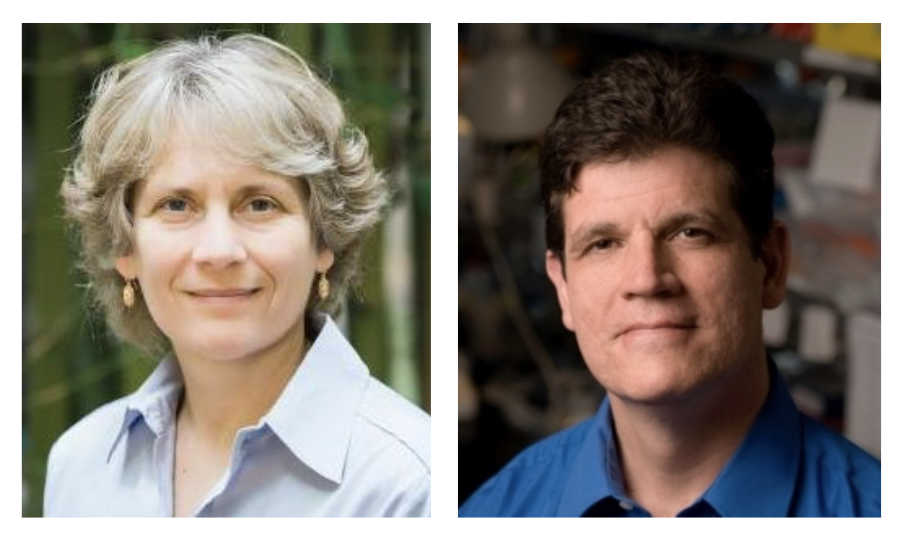
New research funded by Cancer Grand Challenges reveals how extrachromosomal DNA (ecDNA) gives tumors an advantage by housing cancer-driving genes outside chromosomes, violating Mendel's laws of inheritance. Studies led by Howard Y. Chang and Paul Mischel show that ecDNA enhances gene expression and contributes to cancer's resilience and adaptability. The research also suggests potential therapies targeting ecDNA, with a biotech company developing treatments to exploit ecDNA's transcription-replication conflicts. The findings highlight ecDNA's significant role in cancer progression and treatment resistance.

medical-research2 years ago

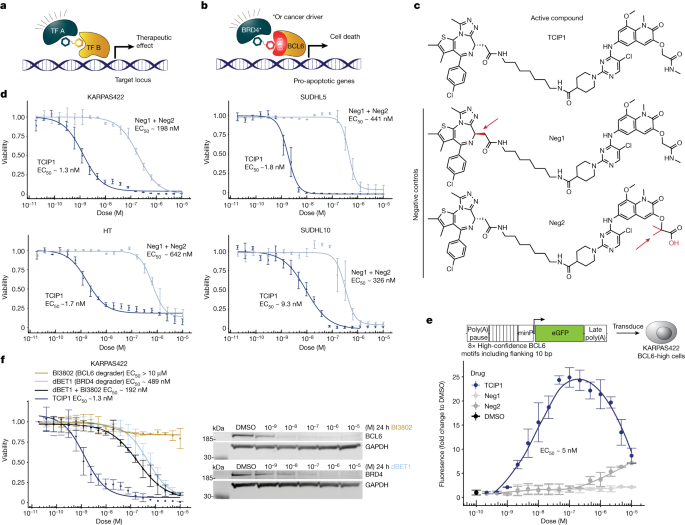
Harnessing Double-Headed Molecules to Trigger Cancer Cell Self-Destruction

Researchers have developed a strategy to rewire cancer drivers and activate apoptosis, a process that leads to programmed cell death. By using small molecules to induce proximity between specific proteins, they were able to trigger the degradation of oncogenic transcription factors, such as BCL6, leading to the suppression of cancer cell growth. This approach shows promise as a potential therapeutic strategy for targeting cancer drivers and promoting apoptosis in cancer cells.

health2 years ago

Tiny DNA Circles Disrupt Genetic Laws to Fuel Cancer Growth, Stanford Study Finds

Extrachromosomal DNA (ecDNA), tiny circles of DNA that carry cancer-associated genes, play a critical role in cancer development, according to new research led by Stanford Medicine. These DNA circles can be found in precancerous cells, and their presence accelerates the transformation to a cancerous state. The circles contain genes likely to dampen the immune system's response to a nascent cancer. Blocking their formation or their effect on the cells that carry them might stop cancers from developing, the researchers believe. This discovery paves the way for potential early diagnosis and intervention methods in cancer treatment.

health2 years ago

Small DNA loops play major role in cancer, says global study led by Stanford Medicine.

Tiny circles of DNA called extrachromosomal DNA (ecDNA) are key drivers of cancer formation, according to an international study led by Stanford Medicine. These circles often harbor cancer-associated genes called oncogenes and genes that dampen the immune system's response to cancer. The study shows that ecDNA can be found even in precancerous cells, and their presence jump-starts a cancerous transformation. Blocking their formation or their effect on the cells that carry them might stop cancers from developing. The researchers plan to explore more about how ecDNAs arise in cancer cells and how they work together to make proteins that drive cancer cell growth.

health2 years ago

The Role of Extrachromosomal DNA in Early Cancer Formation.

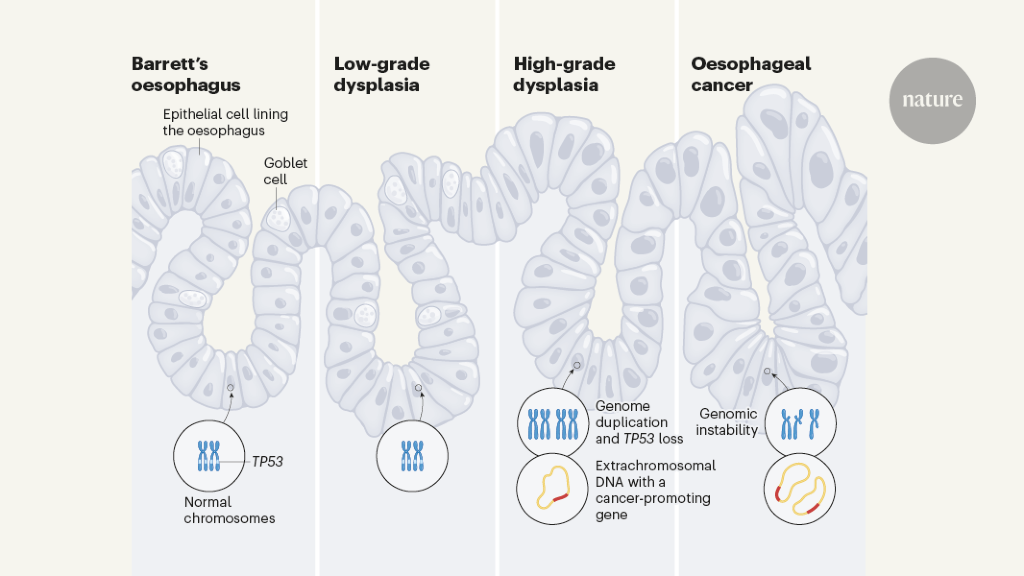
Extrachromosomal DNA, a circular DNA not found on chromosomes, was previously thought to be exclusive to cancer. However, a recent study found extrachromosomal DNA in non-cancerous oesophageal tissue that is predisposed to cancer development, suggesting it may have an early active role in malignant transformation. This type of DNA can aid cancer growth by harbouring cancer-promoting genes and boosting the efficiency of its transcription, leading to rapid amplification of oncogene content and tumour evolution.

health2 years ago

Cancer gene deceives immune cells, says Stanford Medicine study.

Researchers at Stanford School of Medicine and Sarafan ChEM-H have discovered that the oncogene Myc has a direct role in disguising growing cancers from the immune system by increasing the production of specific proteins in the cells. The sugar molecule coating on the surface of cancer cells sends a “stand down” signal to immune cells called macrophages that would normally engulf and destroy the cancer cells. The discovery could lead to a new class of cancer therapy by blowing the cover of cancer cells and enhancing the ability of macrophages to destroy the cancer cells.