Washington and Caracas have moved quickly to open Venezuela’s oil sector to U.S. investment and ease sanctions, signaling a swift shift in energy policy, but everyday Venezuelans are unlikely to feel immediate relief from the changes.
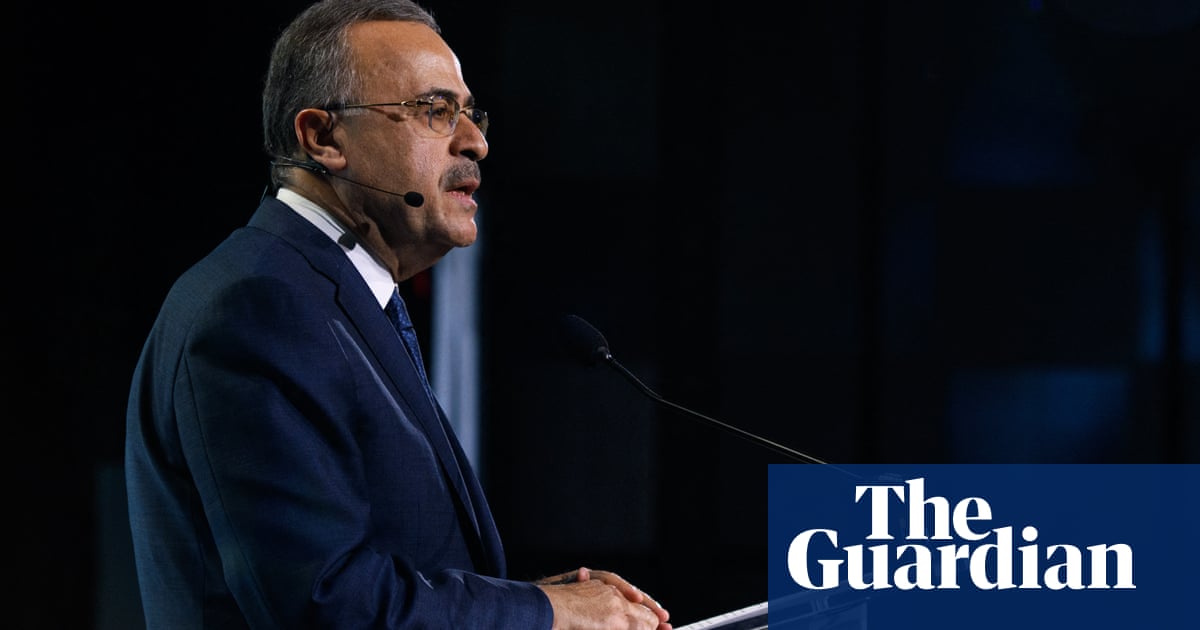
At India Energy Week in Goa, global energy officials describe a rupture with the postwar order, outlining a new geopolitics centered on multilateral energy ties and reduced U.S. influence, with leaders like Canada’s Tim Hodgson urging free trade and trusted oil-and-gas relationships.
The U.S. Supreme Court, in a 7-2 decision, allowed an oil and gas industry lawsuit challenging California's strict emissions standards to proceed, siding with industry interests and opposing California's efforts to combat climate change through vehicle regulations. The decision aligns with actions by Trump and congressional Republicans to disapprove of California's vehicle emission rules, raising concerns about future legal challenges and environmental protections.
The Trump-era EPA has reportedly instructed staff to halt enforcement actions against fossil fuel companies in the Midwest, reflecting a broader deregulatory push and reduced enforcement activity, including cuts to the Justice Department's environmental division, raising concerns about increased pollution and climate impact.
Real-life landmen gathered at the American Association of Professional Landmen's headquarters in Fort Worth to watch Taylor Sheridan's new series "Landman," which dramatizes the West Texas oil and gas industry. While the show, starring Billy Bob Thornton, exaggerates scenarios for dramatic effect, it captures the essence of the landman profession, which involves negotiating land rights and dealing with landowners. The AAPL plans to launch a podcast to discuss the show's portrayal of the industry.
The Environmental Protection Agency has introduced a new rule requiring oil and gas companies to pay fees for excessive methane emissions, as part of President Biden's climate law. However, the future of these fees is uncertain with the incoming Trump administration, which, along with industry groups, is likely to challenge or repeal the regulation. Methane, a potent greenhouse gas, is a significant contributor to climate change, and the fees aim to reduce emissions significantly. Environmental groups support the fees, while industry representatives argue they could lead to higher energy costs.
Republican attorneys general from 19 states have asked the U.S. Supreme Court to block climate change lawsuits filed by Democratic-led states against the oil and gas industry, arguing that only the federal government can regulate interstate gas emissions. Democratic AGs have criticized the request as partisan and meritless. The Supreme Court's decision on this unusual request could impact ongoing climate-related lawsuits and energy costs nationwide.
The Biden administration has finalized a rule that will increase the costs for oil and gas companies to drill on public lands by raising royalty rates and updating leasing regulations, despite soaring energy prices and inflation. The move is part of President Biden's climate agenda to shift the U.S. away from fossil fuels and towards renewable energy, aiming to provide a fair return to taxpayers and protect important wildlife habitat and cultural sites. However, the U.S. oil and gas industry has thrived under the Biden administration, with record profits, while inflation continues to rise, keeping prices high for Americans.
At the Cera Week conference in Houston, top oil and gas executives criticized the push to move away from fossil fuels, dismissing the transition to clean energy as unrealistic and emotionally driven. They emphasized the importance of continued investment in oil and gas, while downplaying the potential of renewable energy sources. Climate campaigners denounced the executives' comments, accusing the industry of hindering the transition to renewable energy. Despite the urgent need to reduce emissions, the executives focused on carbon capture and hydrogen technologies, while the industry's actions indicate a lack of commitment to reducing emissions.
A new study in Nature suggests that the oil and gas industry may be emitting about three times more climate-warming methane than government estimates show. Researchers used aerial and ground data to estimate that nearly 3% of gas produced by the industry leaks into the air as methane, significantly higher than the EPA's estimate of 1.01%. The findings highlight the need for accurate measurements as the U.S. aims to cut methane pollution, with the EPA issuing rules for slashing the industry's methane emissions. Despite the undercounting of methane emissions, more countries are joining efforts to cut emissions, and advancements in measuring methane pollution, such as the launch of MethaneSAT, are providing greater transparency and awareness of the issue.
Petrobras shares dropped over 11% after delivering a smaller-than-expected dividend to shareholders, causing market shock. The decision was influenced by internal pressures from the board and challenges from the Brazilian government. President Luiz Inacio Lula da Silva and his administration want the money to be invested in Petrobras' large investment plan, including renewable energies, leading to concerns about government interference in state-owned enterprises and spooking investors.
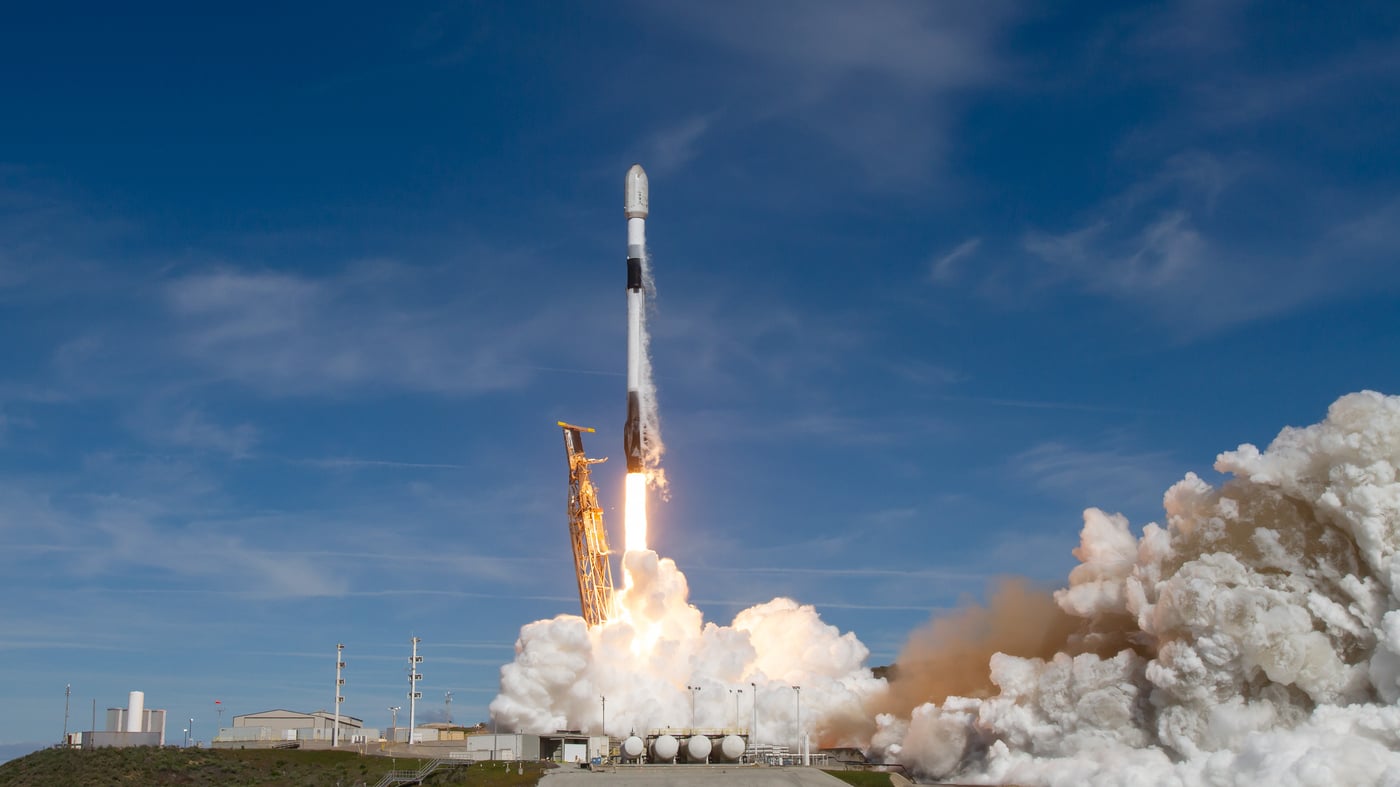
A SpaceX Falcon 9 rocket launched a satellite called MethaneSAT, designed to detect methane emissions from the oil and gas industry, which contribute significantly to global warming. The satellite aims to provide high-quality, public data on methane leaks, enabling governments and researchers to monitor and regulate these emissions more effectively. The Environmental Defense Fund led the project, hoping to encourage oil and gas companies to reduce methane pollution and improve their environmental impact.
A new satellite called MethaneSat is set to launch and will publicly identify the worst methane polluters in the oil and gas industry, providing high-resolution global data on methane leaks. Developed by the Environmental Defense Fund, the satellite aims to hold companies accountable and encourage emissions reduction. With the potential to track methane from other sources in the future, MethaneSat is expected to become the gold standard for methane measurements and contribute to international efforts to curb greenhouse gas emissions.
A new satellite designed by the Environmental Defense Fund and Harvard University will track methane emissions from the oil and gas industry, aiming to publicly reveal major polluters and hold them accountable. Methane, a potent greenhouse gas, accounts for nearly a third of global warming, and cutting its emissions is crucial in slowing climate change. The satellite, MethaneSAT, is part of a new wave of transparency in monitoring methane emissions, with other satellites set to launch in the near future. While satellite tracking is an important step, progress ultimately depends on companies taking action to reduce emissions.
Greta Thunberg's trial for protesting outside an oil and gas industry conference in the UK has begun, with the Swedish activist emphasizing the importance of remembering the real enemy in the fight for climate action and justice.