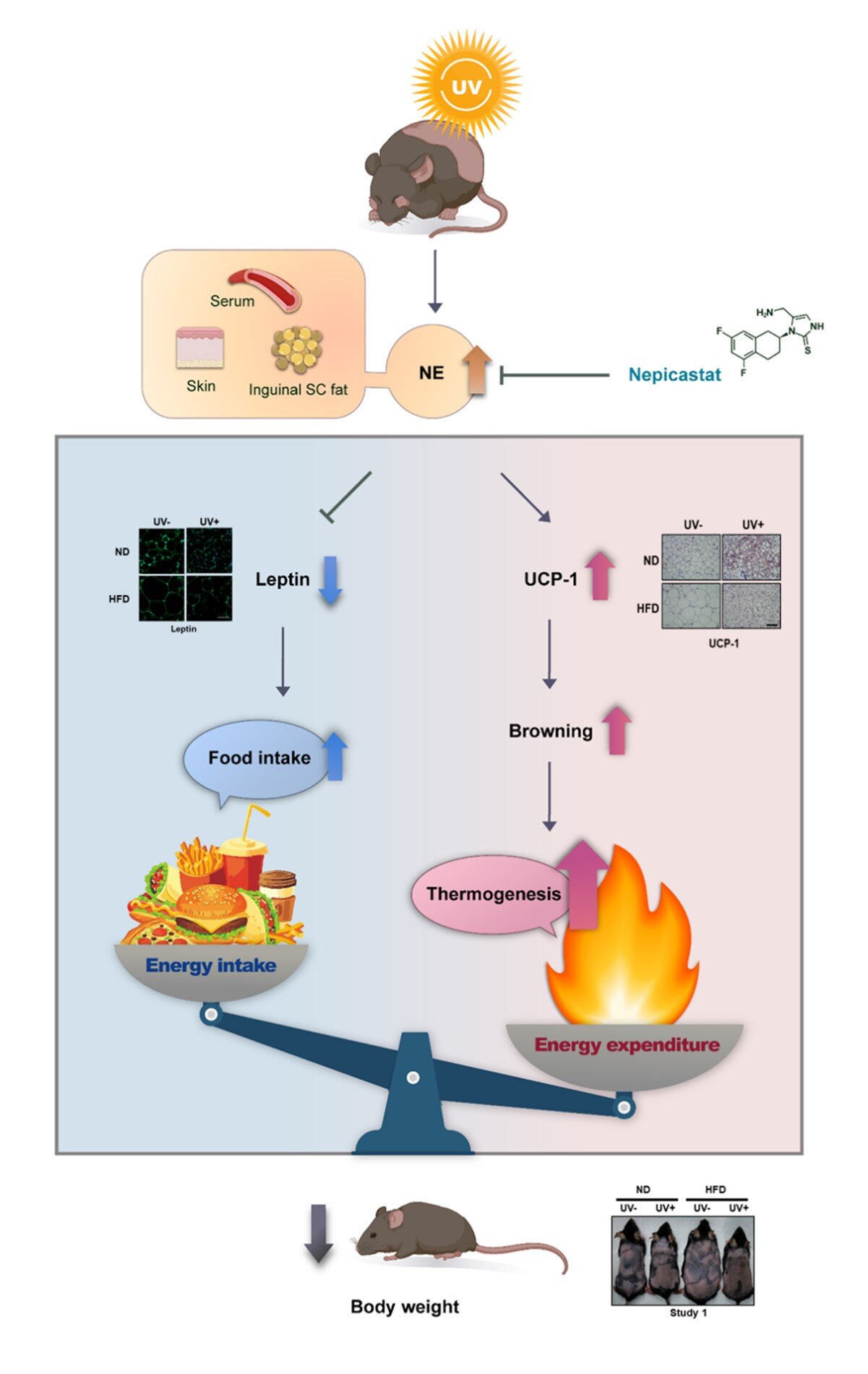
A study published in the Journal of Investigative Dermatology reveals that ultraviolet (UV) radiation can influence subcutaneous fat regulation by increasing norepinephrine levels, which decreases leptin and promotes the browning of fat, thus enhancing energy expenditure. This discovery could lead to new treatments for obesity and metabolic disorders, although further research is needed to address the long-term effects and safety of UV exposure.
PET scans of the heart can potentially identify individuals at risk for Parkinson's disease or Lewy body dementia up to seven years before symptoms appear. The loss of norepinephrine in the heart, a signaling molecule derived from dopamine, precedes the loss of dopamine in the brain and the onset of symptoms. Early detection allows for interventions to start early, potentially increasing their effectiveness. The study highlights the potential of cardiac PET scans in diagnosing these neurodegenerative disorders before significant damage occurs.
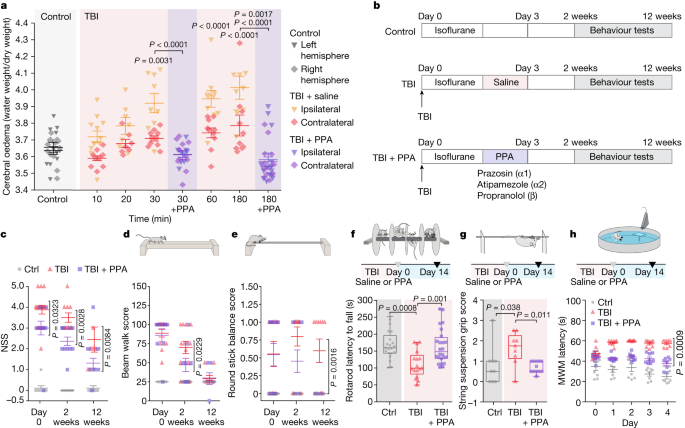
A study has found that enhancing glymphatic drainage, the brain's waste clearance system, can reduce post-traumatic cerebral edema, a major complication of traumatic brain injury. The researchers discovered that norepinephrine, a neurotransmitter involved in the body's stress response, plays a crucial role in regulating glymphatic function. By blocking the lymphatic vessels or inhibiting norepinephrine release, they observed an increase in brain edema. Conversely, stimulating norepinephrine release or enhancing glymphatic drainage through pharmacological interventions reduced cerebral edema. These findings suggest that targeting the glymphatic system and norepinephrine signaling could be a potential therapeutic strategy for minimizing brain edema following traumatic brain injury.