New research indicates that tattoo ink rapidly moves into the lymphatic system, causing immune cell death and inflammation, which can affect vaccine responses and potentially increase risks of lymphoma and skin cancers, raising concerns about tattoo ink safety and regulation.
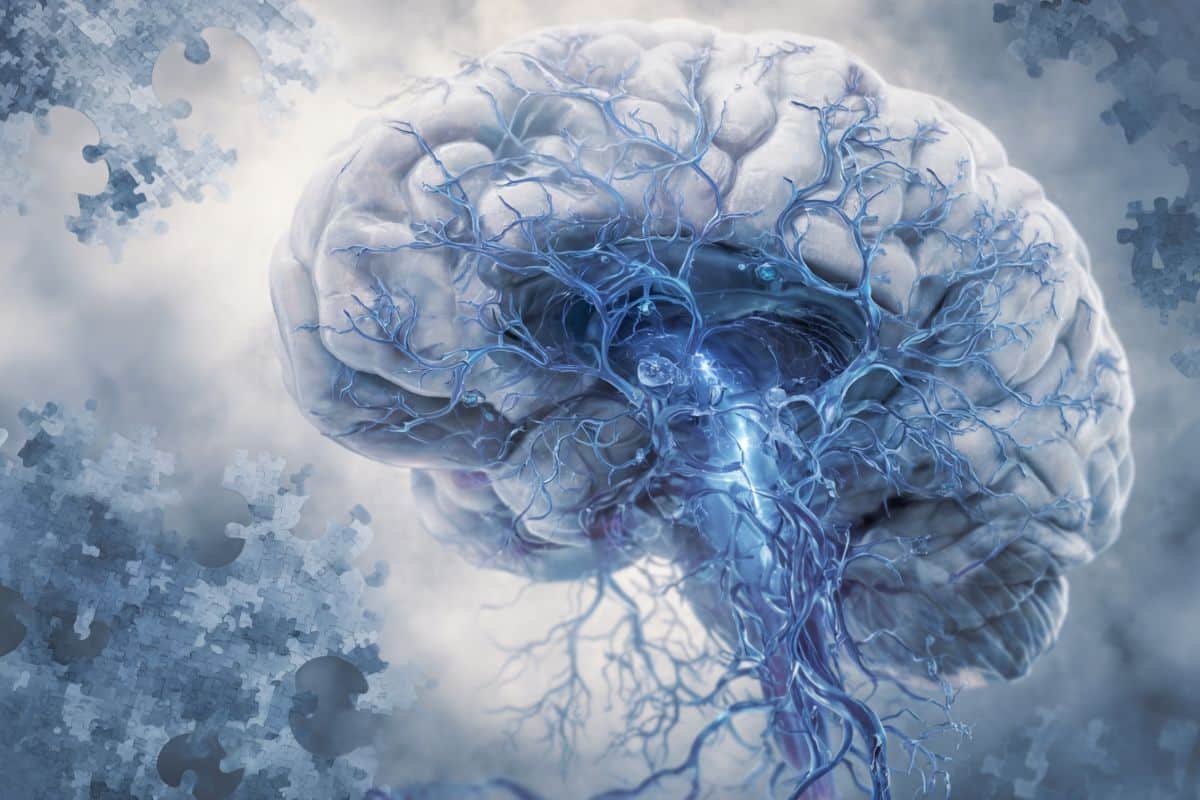
Scientists have discovered a previously unknown lymphatic drainage system in the human brain, located along a major artery in the dura mater, which plays a crucial role in waste removal and brain health. Using advanced MRI techniques and microscopic tissue analysis, they identified a complex network of lymphatic vessels, expanding the understanding of brain fluid management and providing a baseline for studying neurological diseases. This discovery could lead to better diagnosis and treatment of conditions like Alzheimer's and brain injuries.
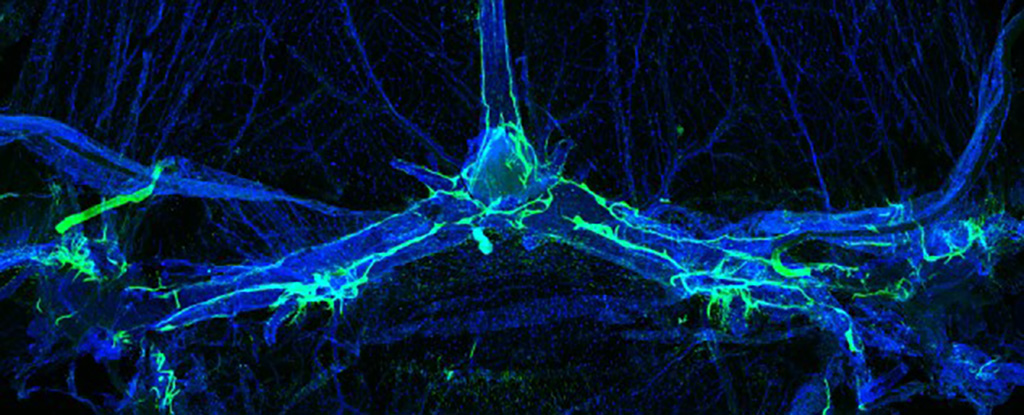
A study suggests that 'chemo brain', the cognitive difficulties following chemotherapy, may be caused by damage to the brain's lymphatic system, specifically the meningeal lymphatics, due to chemotherapy drugs like taxanes, which impair the brain's waste drainage and are linked to memory and behavioral changes.
Research indicates that chemotherapy drugs like docetaxel damage the brain's lymphatic vessels, impairing waste drainage and potentially causing 'chemo brain' symptoms such as memory loss, with women being more affected. The study used mouse and human tissue models to demonstrate lymphatic shrinkage and reduced drainage, linking these changes to cognitive deficits, and suggests exploring therapies to restore lymphatic health without compromising cancer treatment.
Researchers from the University of North Carolina School of Medicine have found that calcitonin gene-related peptides (CGRP) may block cerebrospinal fluid drainage in the brain, contributing to migraine pain. Their study on mice showed that CGRP prevents fluid flow in the brain's lymphatic system, causing pressure and pain. This discovery helps explain the effectiveness of CGRP-targeting migraine treatments and suggests potential sex differences in migraine prevalence due to lymphatic dysfunction.
Researchers at UNC have discovered that the protein CGRP affects the brain's lymphatic system by preventing cerebrospinal fluid drainage, contributing to migraine pain. This finding could lead to new therapeutic strategies for migraines, though more research is needed to understand sex differences in migraine prevalence.
A 13-year-old girl with a rare genetic condition called WILD syndrome and severe chylous ascites has become the first person in the world to be cured, thanks to a team of pioneering British doctors. After over a decade of searching for a diagnosis and treatment, Dr. Mona Mossad and her team at University Hospitals at North Midlands NHS Trust successfully located and fixed the cause of the fluid buildup in the girl's abdomen. The groundbreaking treatment involved improving her lymphatic drainage and performing challenging surgery to block lymphatic vessels in her liver, ultimately leading to her recovery and return home.
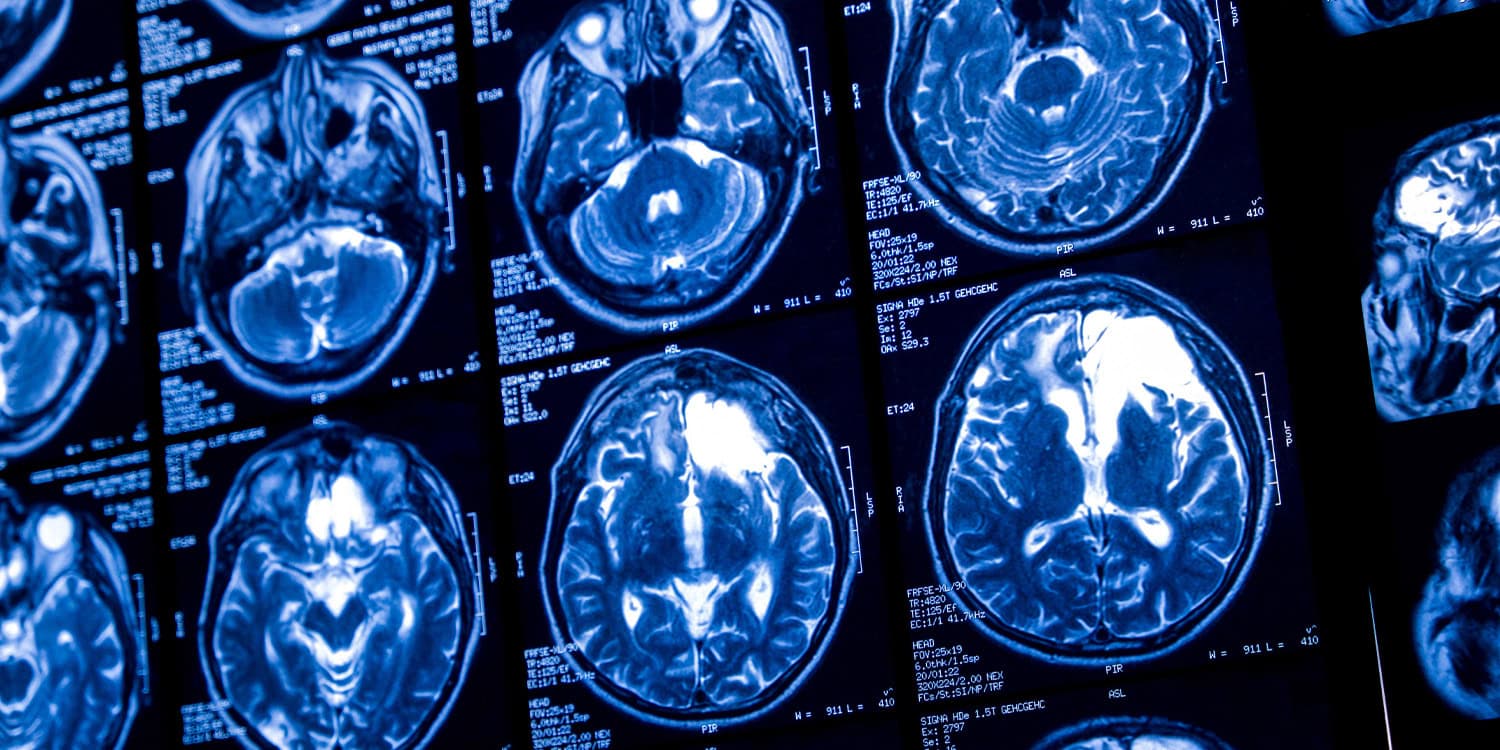
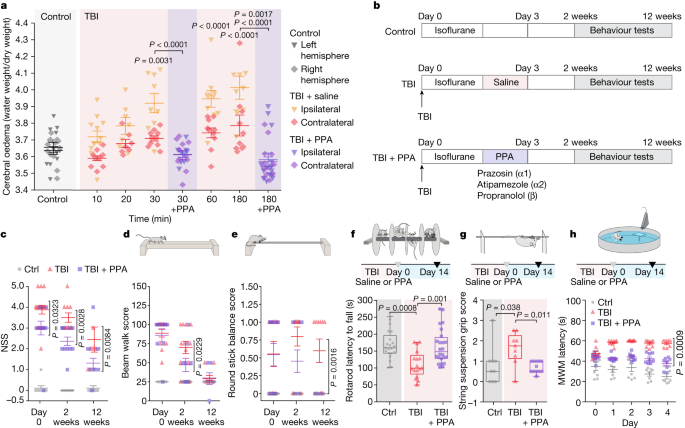
A study has found that enhancing glymphatic drainage, the brain's waste clearance system, can reduce post-traumatic cerebral edema, a major complication of traumatic brain injury. The researchers discovered that norepinephrine, a neurotransmitter involved in the body's stress response, plays a crucial role in regulating glymphatic function. By blocking the lymphatic vessels or inhibiting norepinephrine release, they observed an increase in brain edema. Conversely, stimulating norepinephrine release or enhancing glymphatic drainage through pharmacological interventions reduced cerebral edema. These findings suggest that targeting the glymphatic system and norepinephrine signaling could be a potential therapeutic strategy for minimizing brain edema following traumatic brain injury.
The lymphatic system plays a crucial role in our overall health, including weight loss. When the lymphatic system becomes sluggish, it can lead to bloating, cellulite, and difficulty losing weight. However, there are simple ways to unblock the lymph system and improve its function. Deep breathing and a 60-second lymph reset can help prime the body for optimal lymph flow. Lifestyle tips such as jumping rope, self-massage, dry brushing, hot/cold showers, and wearing compression garments can also improve lymphatic flow. Additionally, incorporating lymph-supporting foods like colorful vegetables, staying hydrated, and consuming garlic can further enhance the lymphatic system's function. These strategies not only aid in weight loss but also promote overall wellness.