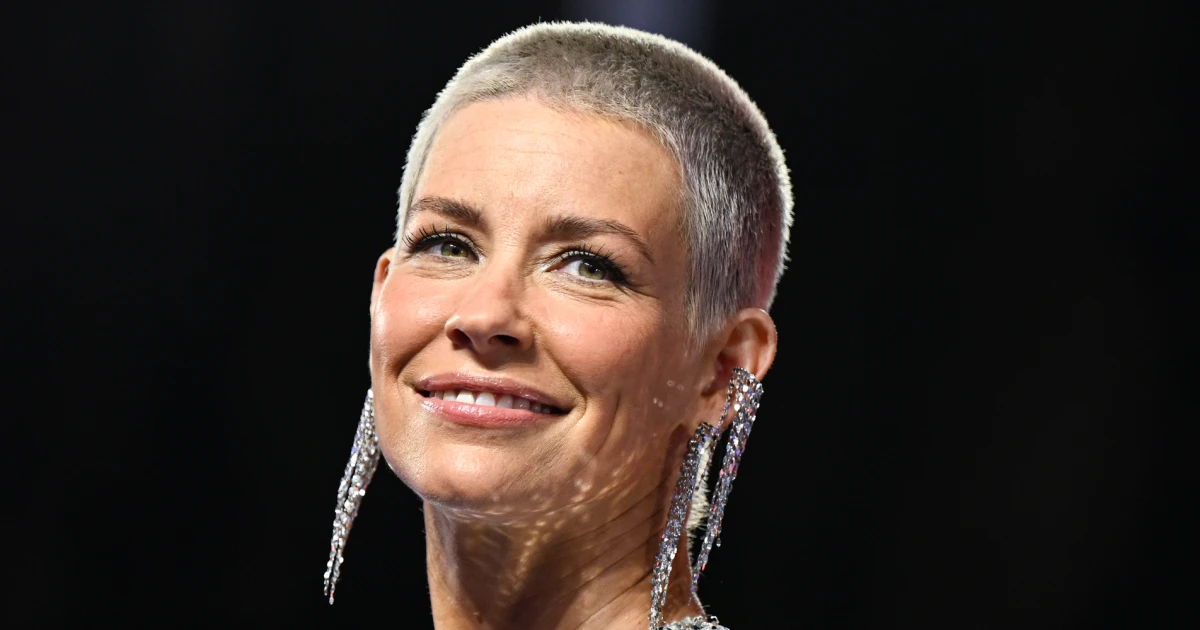
Evangeline Lilly revealed she sustained brain damage after fainting and hitting her face on a boulder in Hawaii, with scans showing decreased brain function, and she is now working with doctors to recover.
Evangeline Lilly revealed she suffered a traumatic brain injury after falling at the beach in Hawaii, which has led to decreased brain function, and she is now working with doctors to address the issue, viewing the incident as a necessary reset in her life.
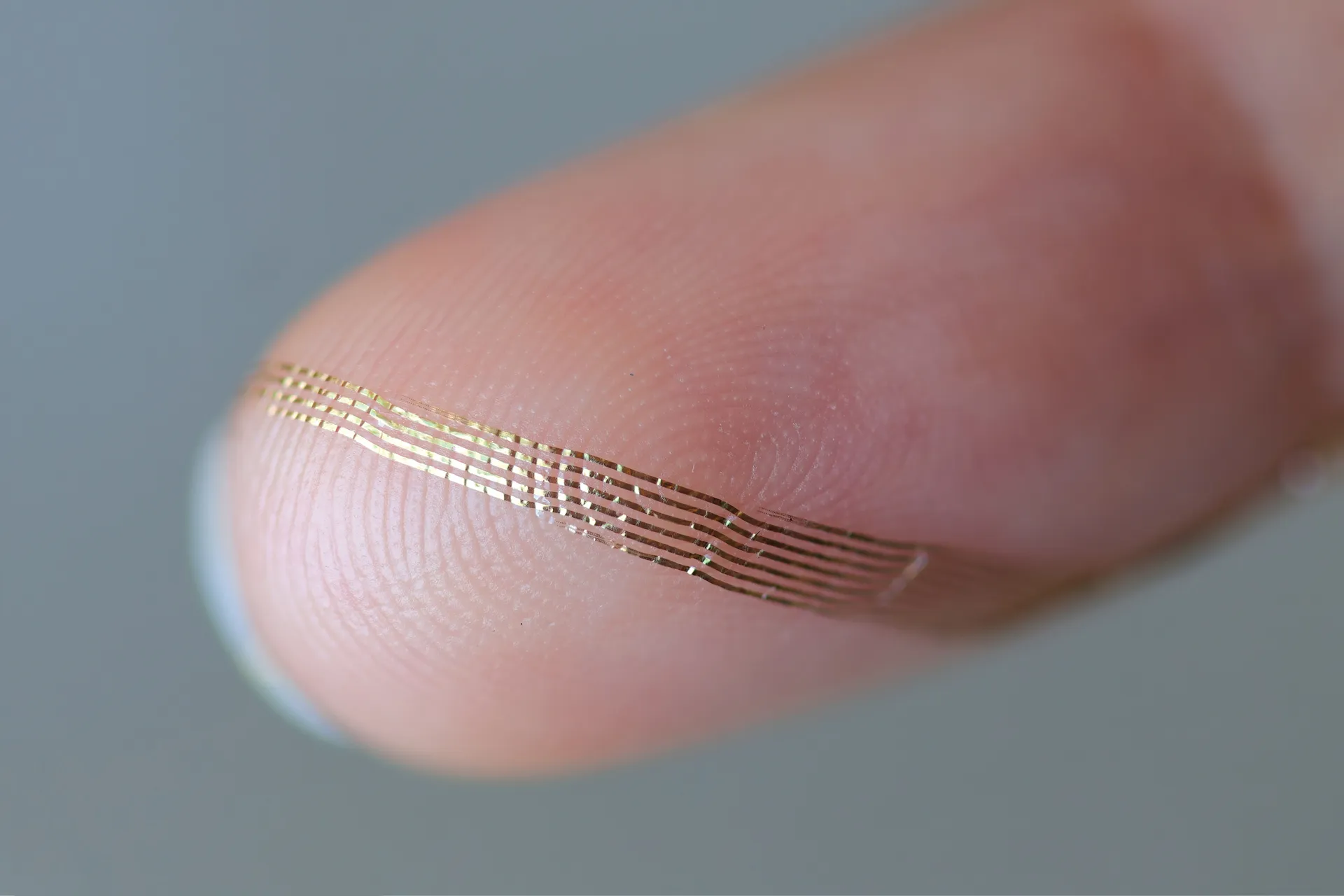
Axoft, a Harvard-founded startup, is developing a soft, biocompatible neural probe that minimizes brain damage and scar tissue formation, enabling more accurate and long-term brain activity monitoring, especially for patients with traumatic brain injuries. The innovative device, made from a new material called Fleuron, can host thousands of sensors and is progressing through clinical trials with plans for FDA approval by 2028.
A study from the University of Glasgow found that women who experience domestic violence, especially physical abuse, are at increased risk of traumatic brain injury and mental health issues like depression, anxiety, and PTSD, with these risks persisting for decades after the abuse. The research highlights the long-lasting impact of intimate partner violence on brain health and underscores the need for targeted interventions and further research.
A California couple, Cody Bryant and Haley Woloshen, nearly missed their chance at love after Bryant was left in a coma from a moped accident in Ibiza, causing him to forget their initial bond. Despite the challenges, including Bryant's partial paralysis and memory loss, the couple rekindled their relationship and Bryant made significant strides in his recovery, even summiting a volcano in Guatemala with Woloshen's support. They now share their journey to raise awareness about traumatic brain injuries.
A new study reveals that about 13% of U.S. seniors will experience a traumatic brain injury, often due to falls, over an 18-year period. These injuries increase the risk of serious conditions like dementia and Parkinson's disease. The study found that healthier, wealthier, and more active seniors are at higher risk, possibly due to their increased engagement in activities. The findings highlight the importance of safety measures to prevent falls among older adults.
A study by UCSF and the San Francisco VA Health Care System found that wealthier, healthier, and more active seniors have a higher risk of traumatic brain injury (TBI), often from ground-level falls. This contradicts previous findings in younger populations and underscores the need for tailored post-TBI care and preventative measures. The study, published in JAMA Network Open, highlights the importance of optimizing safety for active older adults to prevent serious conditions like dementia and cardiovascular disease.
Low-level light therapy using a near-infrared light helmet has shown promise in enhancing brain connectivity in patients with moderate traumatic brain injury within two weeks of treatment, suggesting potential applications for other neurological conditions like PTSD, depression, and autism.
Gun injuries and mortality among U.S. children are on the rise, with firearms now being the leading cause of death for children and teenagers. Survivors of gunshot injuries, like 13-year-old Aaron Hunter, face lifelong challenges such as disability, pain, mental trauma, and financial burdens. The increase in nonfatal firearm injuries among minors is alarming, with traumatic brain injuries affecting the entire body and leading to ongoing physical and mental health issues. The road to recovery involves months of rehabilitation, ongoing medical monitoring, and significant impact on the entire family.
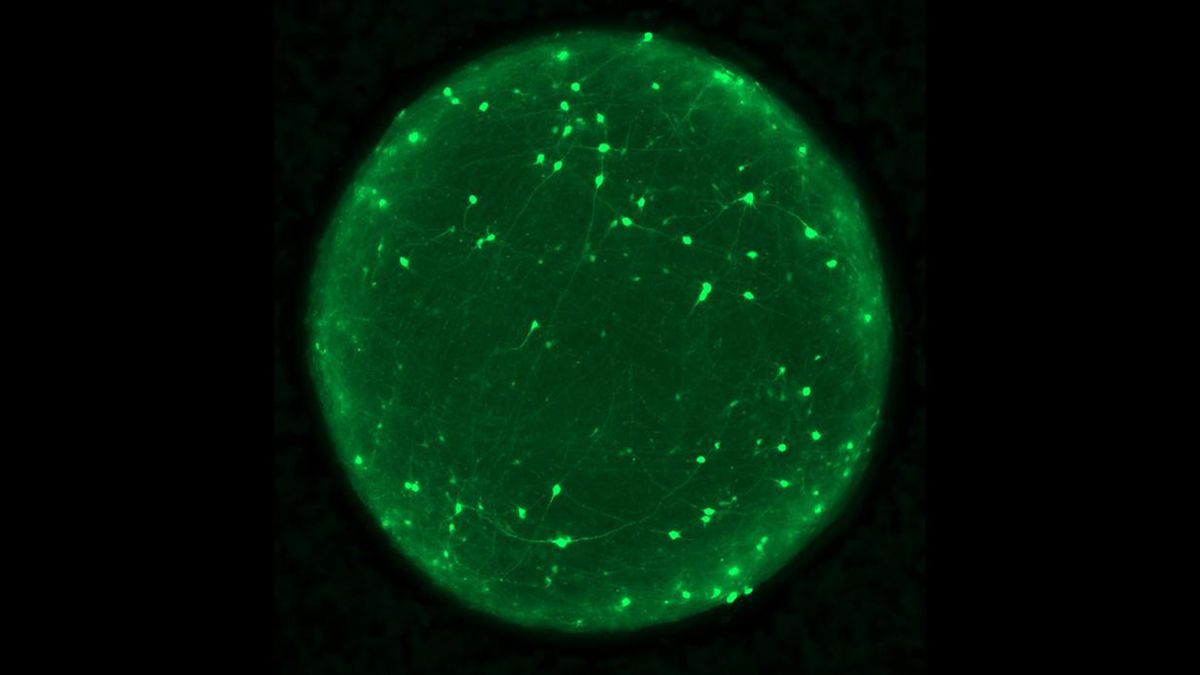
Lab-grown minibrains, known as cerebral organoids, were used in a study to mimic the effects of traumatic brain injuries (TBIs) and investigate their link to dementia risk. The research revealed that malfunctioning TDP-43 proteins may injure and kill brain cells following a TBI, especially in individuals with a genetic risk of dementia. The study also identified a gene, KCNJ2, that when switched off, provided protection against the effects of TBIs, suggesting a potential treatment for TBI-related brain injuries, although further research is needed.
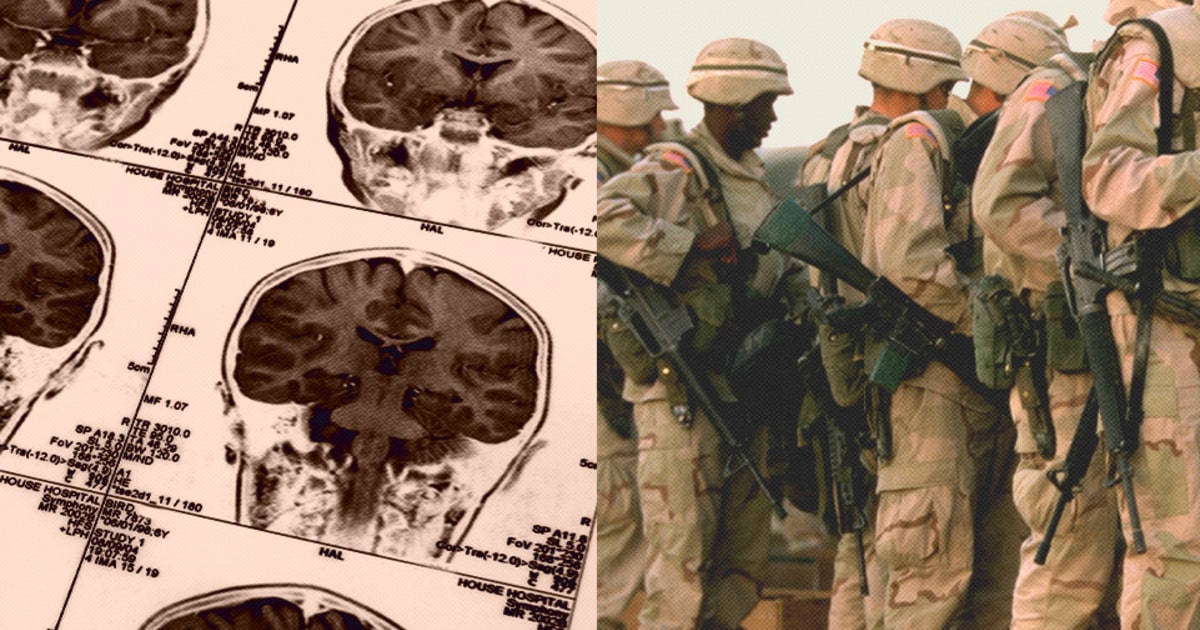
Despite efforts to address traumatic brain injuries in the military, progress has been slow, with the Pentagon's Office of Inspector General reporting inconsistent identification and assessment of service members for such injuries. The lack of reliable imaging tools and underreporting of cases contribute to the challenge. Advocates emphasize the need for exposure logs and better recognition of low-level blast-related brain injuries. The issue is compounded by the link between traumatic brain injuries and mental health issues, as well as rare cases of aggression and violence.
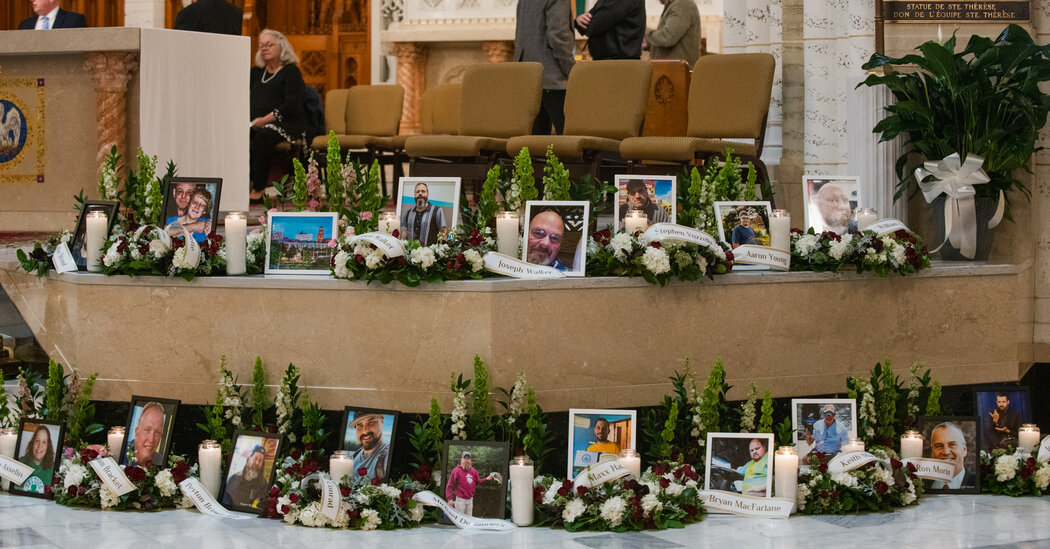
The autopsy of Robert M. Card II, the Army Reservist who committed a mass shooting in Maine, revealed profound brain damage likely caused by routine training blasts, raising concerns about the impact of such exposure on military personnel and veterans. The findings suggest that even low-level blasts may significantly contribute to mental health struggles among veterans, with potential implications for treatment strategies and criminal justice. The case prompts questions about the extent of similar risks faced by other troops and the need for better understanding and support for those with similar injuries.
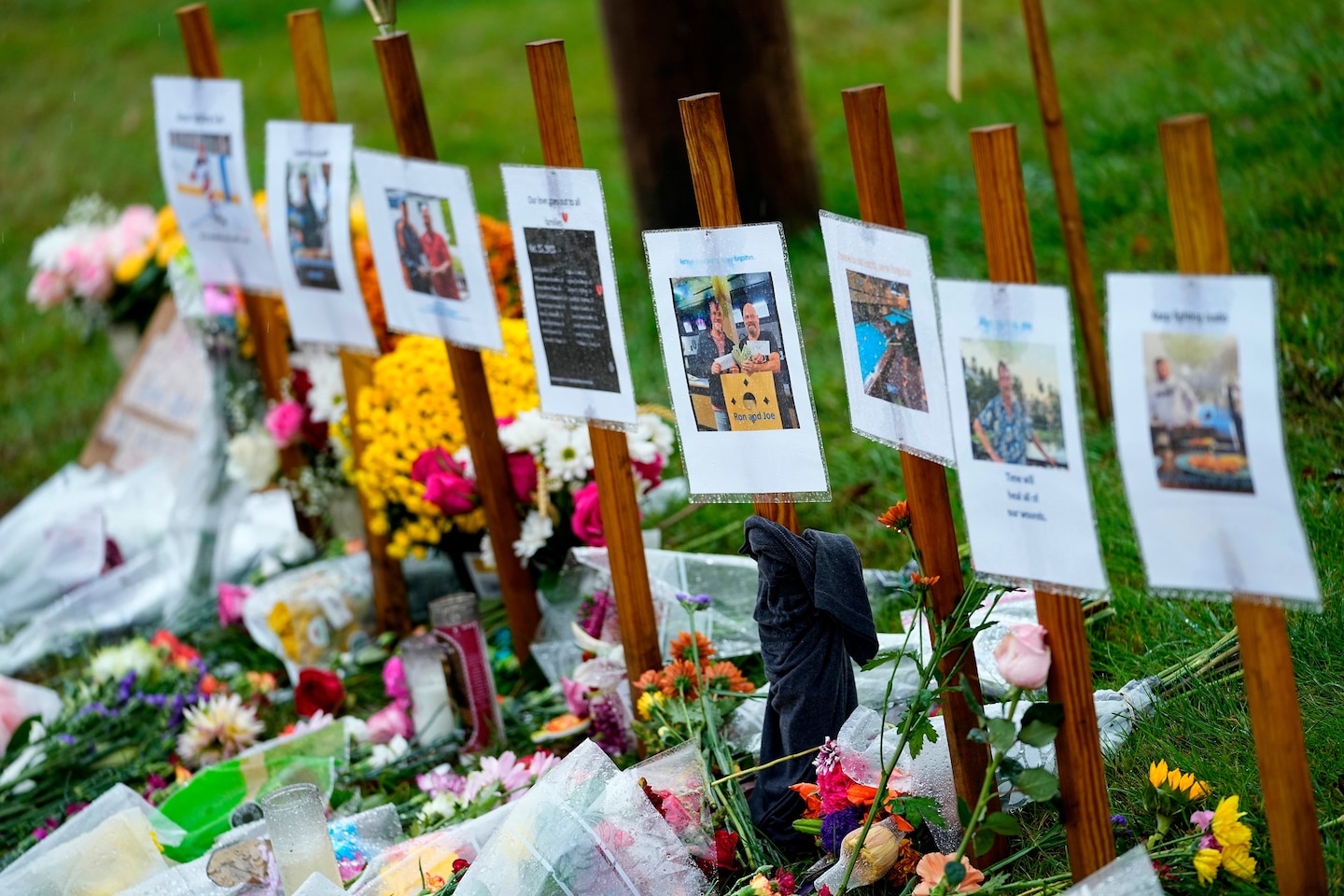
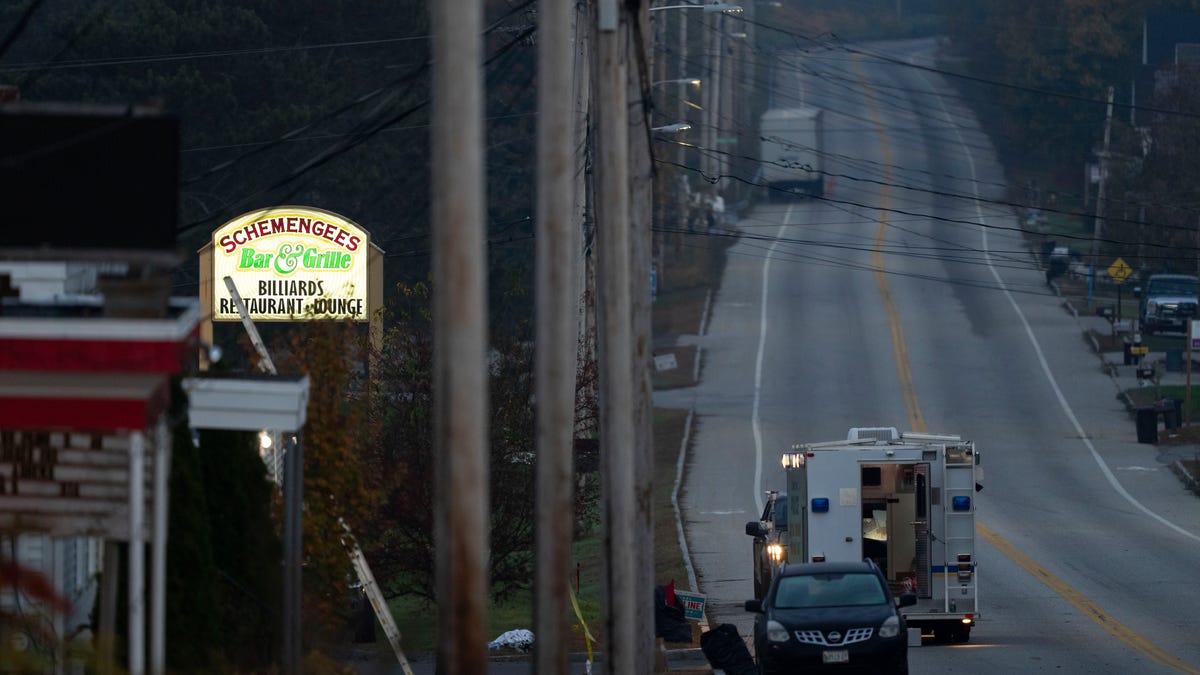
A study revealed that Robert Card, the Army reservist who killed 18 people in a shooting in Maine, had signs of traumatic brain injury consistent with exposure to weapons blasts. The analysis suggested that brain injury likely played a role in the behavioral changes noted by those who knew Card in the months leading up to the mass killing. While the findings are concerning, experts cautioned against making a direct causal link between the brain injuries and Card’s actions, emphasizing that traumatic brain injury does not explain the preplanned criminality of this magnitude. Card's family shared the report's findings in a bid to prevent future tragedies and raise awareness of traumatic brain injury among military service members, expressing deep regret over Card's actions and acknowledging the suffering caused.
A post-mortem analysis of the brain of Robert Card, the gunman responsible for the worst mass shooting in Maine, revealed severe traumatic brain injuries likely stemming from exposure to training blasts during his time as an Army reservist. The study by Boston University's CTE Center showed significant damage to brain fibers, inflammation, and blood vessel injury, with no evidence of chronic traumatic encephalopathy. Card's family released the findings to raise awareness of traumatic brain injuries among military service members and encourage more research and support. The report suggests that the brain pathology likely contributed to Card's increasingly erratic behavior before the shooting, which resulted in 18 deaths and 13 injuries.
A new analysis has revealed that the man responsible for a mass shooting in Maine last year had traumatic brain injuries that likely influenced his actions. The study, conducted by the Boston University CTE Center, found evidence of significant degeneration and inflammation in the nerve fibers of the shooter's brain. The family of the shooter expressed deep sorrow for the tragedy and hopes that publicizing the findings will help prevent future incidents. The family also emphasized that the brain injuries do not fully explain the shooter's actions, but they believe it may have impacted his mental health.