A NIH-funded clinical trial found that acupuncture significantly improves physical function and reduces pain in older adults with chronic low back pain, offering a safe and effective alternative to traditional treatments, with benefits sustained over 12 months.
A NIH-led study found that fine particulate air pollution is strongly associated with increased genetic mutations in lung tumors among never-smokers, including mutations linked to cancer development and shorter telomeres, highlighting environmental pollution as a significant risk factor for lung cancer in non-smokers.
A NIH study found that hormone therapy types influence breast cancer risk in women under 55, with unopposed estrogen reducing risk and estrogen plus progestin increasing it, highlighting the importance of personalized treatment decisions.
A NIH-funded study found that measuring trans-epidermal water loss (TEWL) can predict the risk of diabetic foot ulcers reappearing after they seem healed, with higher TEWL indicating a greater likelihood of recurrence, potentially improving patient outcomes by guiding treatment decisions.
A comprehensive U.S. study involving over 6,500 adults has linked long-term exposure to air pollution with an increased risk of venous thromboembolism (VTE), a condition involving blood clots in deep veins. The study, funded by the NIH, found that exposure to fine particulate matter and nitrogen oxides significantly raised the risk of VTE, which can lead to serious health complications. The research highlights the impact of air pollution on cardiovascular health, emphasizing the need for public health measures to reduce exposure.
A study by the NIH has found that abnormal prenatal cell-free DNA (cfDNA) test results, typically used to screen for fetal chromosomal disorders, can also indicate undetected cancers in pregnant individuals. The research, published in the New England Journal of Medicine, revealed that 48.6% of participants with abnormal cfDNA results had cancers such as colorectal, breast, lung, and pancreatic. Whole body MRI was identified as the most effective method for cancer detection in these cases. The study highlights the potential of cfDNA testing in identifying hidden maternal cancers and calls for further research to validate these findings.
The National Institutes of Health is conducting a $170 million Nutrition for Precision Health Study to develop personalized dietary recommendations based on individual genetics, culture, and environment. The study involves 10,000 volunteers, including live-in participants like Sheryn Stover, who undergo detailed health monitoring and analysis, including microbiome studies. The goal is to move away from generic dietary guidelines to tailored nutrition advice, potentially increasing adherence to healthier eating habits. The study is expected to conclude by 2027.
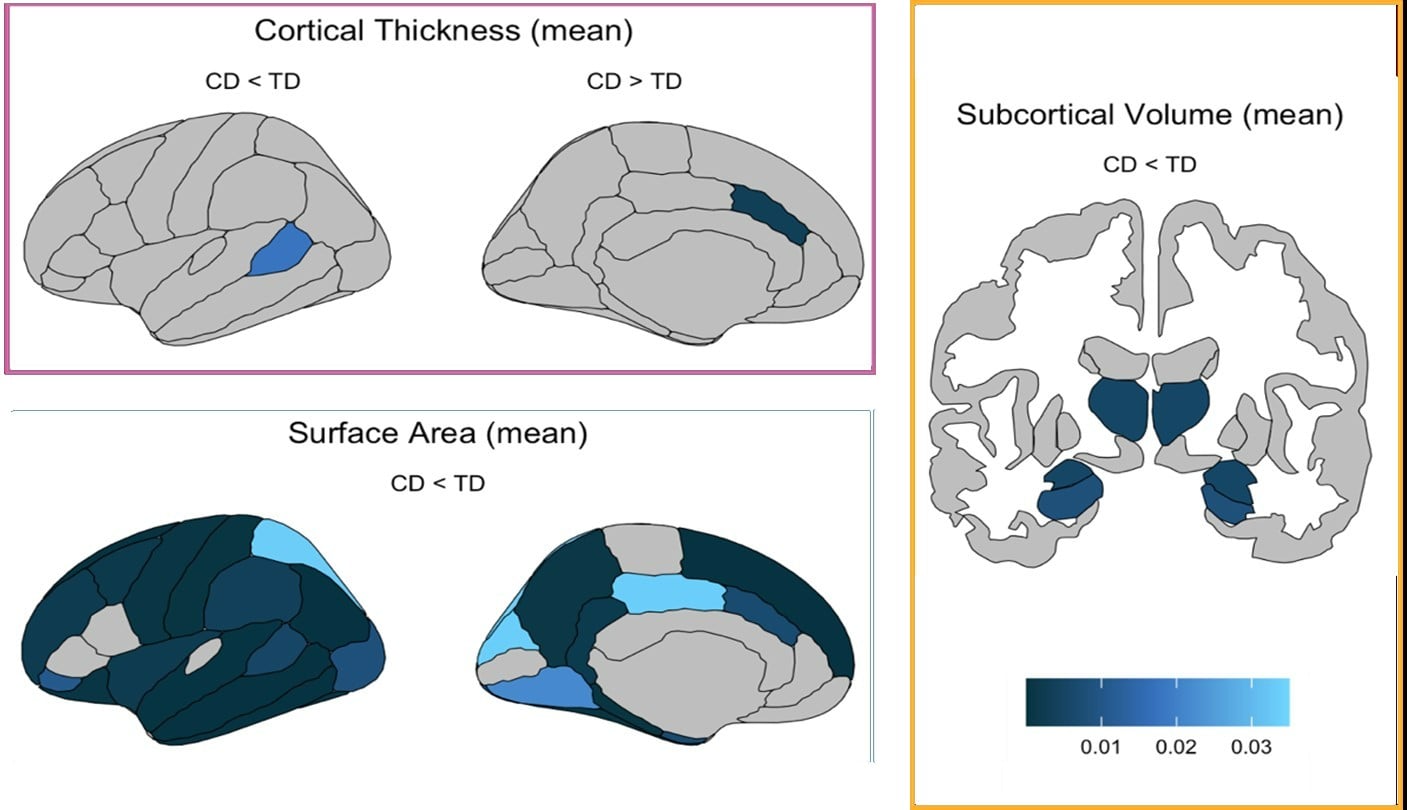
An NIH-funded study published in The Lancet Psychiatry reveals extensive brain structure differences in youth with conduct disorder, including reduced cortical surface area and subcortical volumes. These findings, from the largest study of its kind, highlight new brain regions associated with the disorder and suggest future research directions for improving diagnosis and treatment.
A study led by King's College London and sponsored by the NIH found that introducing peanut products to children from infancy to age 5 significantly reduces the risk of developing a peanut allergy later in life. The research, published in NEJM Evidence, showed that early and regular peanut consumption provided lasting tolerance, even if peanuts were later avoided. This approach could prevent many cases of peanut allergy among children in the U.S. Detailed guidelines for safely introducing peanuts to infants are available.
A study supported by the National Institutes of Health found that providing daily reminders or incentives, such as financial rewards or game-like points, led to sustained increases in physical activity among adults with cardiovascular disease risks. Participants who received these incentives increased their daily steps by over 1,500 after a year, resulting in reduced risk of premature death and cardiovascular-related deaths. The study suggests that offering immediate benefits or rewards for movement can be an effective strategy for behavior change, with potential implications for public health and patient care.
A five-year study by the National Institutes of Health found no evidence of brain injuries or degeneration among U.S. diplomats and government employees experiencing symptoms of the mysterious "Havana syndrome." Advanced tests revealed no significant differences in brain volume, structure, or cognitive function compared to healthy individuals, offering some reassurance for patients. While the study couldn't pinpoint the cause of the symptoms, it contradicted earlier findings and raised questions about the nature of the health issues. The State Department is reviewing the findings, emphasizing the importance of providing affected individuals with respectful and timely medical care.
A new NIH study has found atypical connections in the brains of children with ADHD, debunking the myth of "bad parenting" causing the condition. The study revealed increased connectivity between deep brain structures and the frontal cortex in young brains with ADHD, suggesting too little synaptic pruning occurring in those pathways. This increased understanding of specific brain areas involved in ADHD symptoms could lead to more effective treatments in the future.
A study funded by the National Institutes of Health conducted in Pakistan showed that a cognitive behavioral therapy (CBT)-based intervention called Happy Mother-Healthy Baby, administered by non-specialized providers, significantly reduced the likelihood of pregnant women developing moderate-to-severe anxiety, depression, or both six weeks after giving birth. The intervention, which included six sessions focusing on identifying and replacing anxious thoughts and behaviors, could be an effective way to prevent postpartum mental health challenges in low-resource settings where access to trained clinical care is limited.
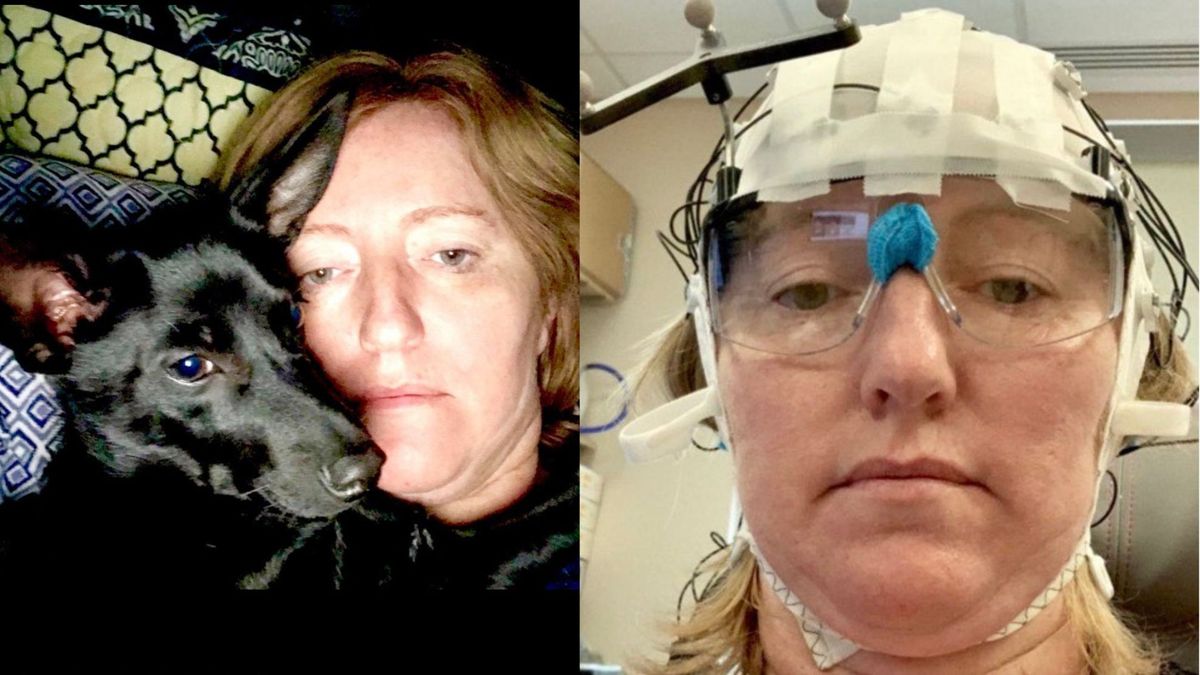
A landmark NIH study published in Nature Communications reveals distinct differences in the bodies of people with myalgic encephalomyelitis/chronic fatigue syndrome (ME/CFS) compared to those without it, shedding light on the biological causes of the condition. The study found differences in brain function and the immune system, offering potential insights for future treatments. However, the study took years to complete, partly due to disruptions caused by the COVID-19 pandemic, and more research is needed before treatments can be developed. Participants hope the study will lead to validation of ME/CFS and expedited treatment trials, as the condition significantly impacts their quality of life.
An ambitious study by the National Institutes of Health has brought new attention to chronic fatigue syndrome, revealing its complex biological underpinnings involving the brain, gut, immune system, and autonomic nervous system. The study, which involved in-depth analysis of a small group of patients, suggests that the illness cannot be explained by deconditioning or psychological factors. The findings may pave the way for clinical trials to test potential treatments, with a focus on addressing chronic immune system activation and T cell dysfunction.