In a large Australian study, pairing a cancer-risk message about alcohol with a practical cue to count drinks significantly reduced participants’ alcohol consumption over six weeks, outperforming other messaging approaches.
Doctors are endorsing Weight Watchers as a clinically informed, sustainable weight‑loss program that emphasizes behavior change, nutrition education, and real-life lifestyle shifts. It offers tiered options—Core, Core+ with unlimited coaching, and Med+ with GLP‑1 prescriptions—and has shown greater weight loss and improved glucose control for prediabetes compared with self-directed efforts, while also reducing risks for type 2 diabetes, heart disease, and high blood pressure.
Amid reports of their separation after 19 years of marriage, sources claim Keith Urban's behavior towards Nicole Kidman has become more hostile and changed significantly, including altering lyrics during performances and appearing more publicly distant, while Kidman remains at home with their children and has been seen without her wedding ring.
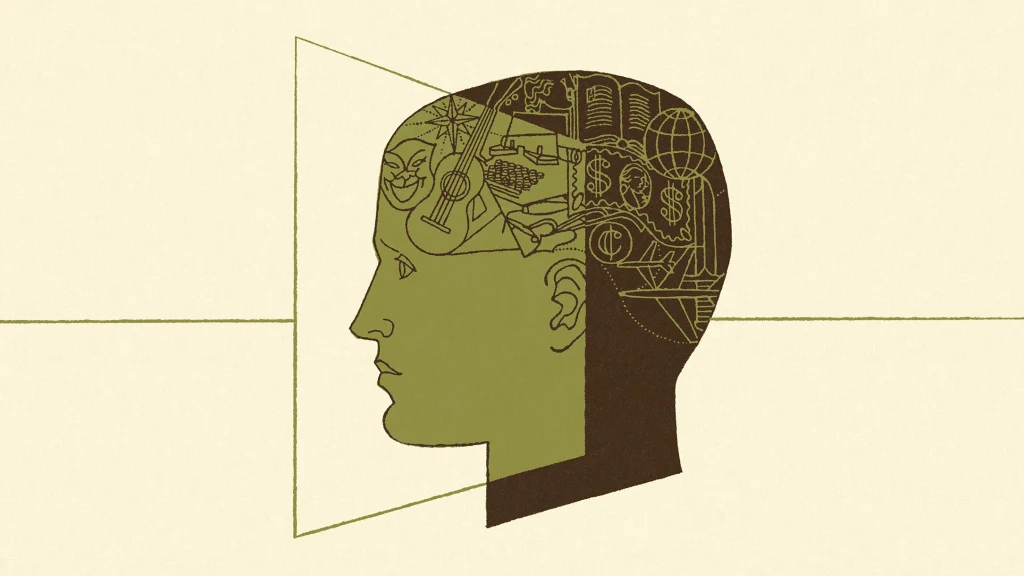
Research shows that nearly two-thirds of daily actions are driven by habit rather than conscious choice, with many habits aligning with personal goals, highlighting the importance of habit formation and disruption strategies for healthier lifestyles.
Focus Friend, an app designed to help reduce screen time, is gaining popularity, but its effectiveness in actually preventing users from excessive phone use remains uncertain, amidst broader discussions on technology's impact on culture and behavior.
Researchers found that highlighting the cancer risk of alcohol and encouraging drinkers to count their drinks significantly helps reduce alcohol consumption, offering a practical approach to promote health.
The article explains that breaking bad habits involves making a simple yet challenging change: actively reflecting on the benefits and feelings associated with the habit during its occurrence, which helps align the subconscious habit with conscious goals, ultimately replacing negative habits with positive ones.
A study highlights that patients retain only about 30% of therapy information and that habit formation can take months, suggesting that integrating simple tools like reminders and cues could improve the effectiveness and sustainability of psychological treatments by addressing memory gaps and promoting lasting behavior change.
A study shows that using wearables like smartwatches, combined with remote coaching, significantly increases the likelihood of adults with type 2 diabetes starting and maintaining regular exercise, with those using smartwatches being up to 7 times more likely to stay active after six months compared to those without. The research highlights the importance of personalized feedback and structured support in promoting long-term physical activity habits.
Researchers at Trinity College Dublin have developed a new framework linking neuroscience with practical strategies to effectively form and break habits, with implications for personal growth, clinical treatments, and public health. The study highlights the role of two brain systems—automatic responses and goal-directed control—in habit formation and change. By understanding and leveraging these systems, the framework offers strategies for behavior change, including repetition, environmental adjustments, and personalized interventions, potentially improving treatments for compulsive disorders and informing public health strategies.
Researchers at Trinity College Dublin have developed a framework for understanding and altering habits by examining the brain's automatic and goal-directed systems. The study suggests that habits form when automatic responses overpower conscious control, leading to both everyday action slips and compulsive behaviors. Strategies like repetition, environmental adjustments, and implementation intentions can help make or break habits. This research has implications for personal development, clinical treatments, and public health campaigns, offering a new approach to behavior change by aligning with the brain's natural mechanisms.
A study supported by the National Institutes of Health found that providing daily reminders or incentives, such as financial rewards or game-like points, led to sustained increases in physical activity among adults with cardiovascular disease risks. Participants who received these incentives increased their daily steps by over 1,500 after a year, resulting in reduced risk of premature death and cardiovascular-related deaths. The study suggests that offering immediate benefits or rewards for movement can be an effective strategy for behavior change, with potential implications for public health and patient care.
A new analysis suggests that the 2022 mpox outbreak was largely curbed by behavioral changes among gay and bisexual men, rather than vaccination, with individuals altering their behavior to reduce transmission. While vaccines are important, the study highlights the power of public health messaging and behavior modification in controlling epidemics, especially when vaccines are not readily available. However, experts emphasize that vaccinations are still crucial for preventing outbreaks from resurging once normal routines resume.
Researchers suggest three strategies to maintain healthy eating habits: 1) Focus on short-term consequences of unhealthy choices to resist temptation, as immediate effects are more motivating than distant outcomes. 2) Emphasize the enjoyment of healthy options, like the taste of nutritious foods or the fun in exercise, to increase intrinsic motivation. 3) Use small, regular rewards to sustain long-term commitment, but only after an initial period of effort without rewards, to enhance persistence in healthy behaviors. These mind hacks can be adapted to various personal goals for better adherence to a healthier lifestyle.
Researchers have found an effective strategy to reduce alcohol consumption by highlighting the increased risk of cancer associated with drinking and encouraging individuals to count their drinks. In a study involving nearly 8,000 participants, a combination of a TV ad linking alcohol and cancer with a suggestion to keep track of drinks was the most successful in getting people to cut down on alcohol intake. While other approaches also prompted some reduction in drinking, this particular combination resulted in a significant decrease in alcohol consumption over a six-week period. The findings highlight the importance of providing actionable information to individuals to help them reduce their alcohol-related health risks.