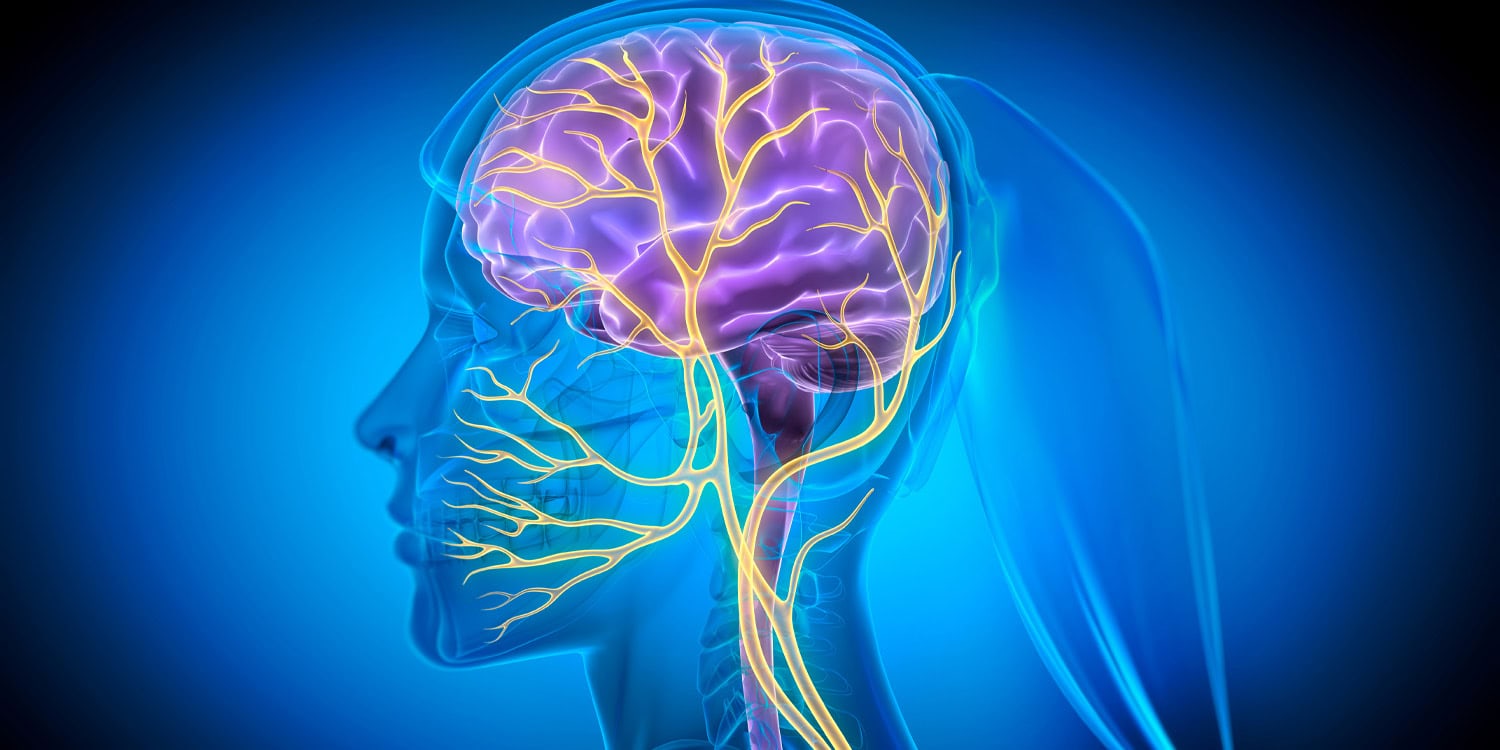
Scientists at the Scripps Research Institute and the Allen Institute, backed by the NIH, are mapping the brain's internal communication network called interoception, which monitors vital bodily functions. This project aims to create the first neural atlas of this 'sixth sense,' potentially transforming our understanding of health and disease by revealing how the brain and internal organs stay in sync, and offering new avenues for treatment of various conditions.
Scientists from Scripps Research and the Allen Institute, led by Nobel laureate Ardem Patapoutian, received $14.2 million from the NIH to create the first comprehensive map of interoception, the body's internal sensory system, aiming to better understand how the brain monitors internal signals and its implications for health and disease.
Scientists at Scripps Research and the Allen Institute received a $14.2 million award to create the first detailed map of interoception, the internal sense that monitors the body's physiological signals, which could lead to new insights into health and disease.,
Scientists from Scripps Research and the Allen Institute, supported by a $14.2 million NIH grant, are launching a project to map the body's 'hidden sixth sense'—interoception—by creating a comprehensive atlas of the neural pathways that monitor internal organs, aiming to advance understanding of health and disease.
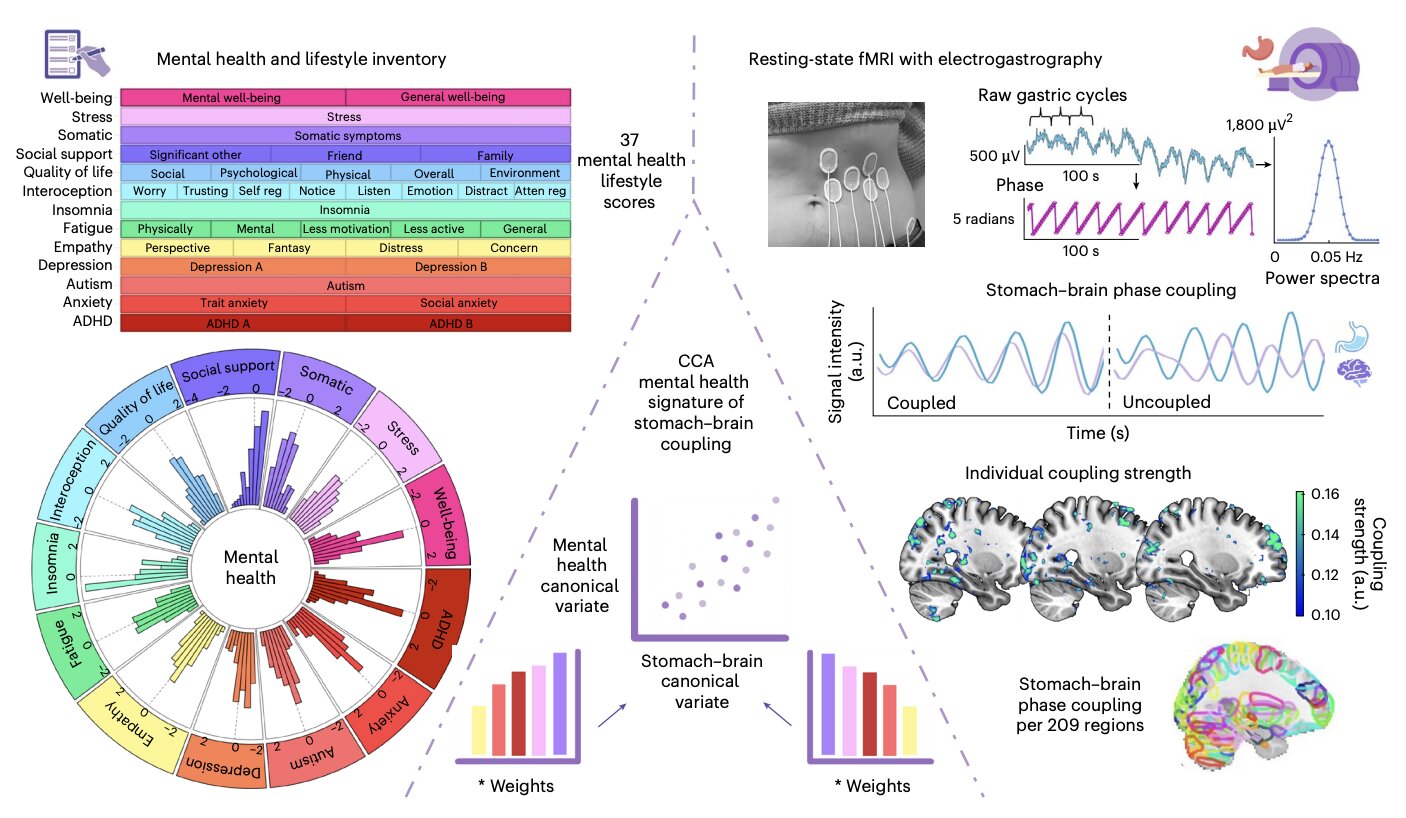
A study finds that stronger synchronization between the stomach's electrical rhythms and brain activity is linked to poorer mental health, including anxiety and depression, highlighting a potential target for new psychological interventions.
A meta-analysis reveals that childhood emotional abuse and neglect are linked to reduced trust in one's bodily signals, which may impair emotional regulation and increase the risk of mental health disorders, highlighting the need for greater awareness and intervention for emotional maltreatment.
A study found that the connection between vagus nerve signals and food intake is stronger in higher socio-economic groups, suggesting that internal physiological cues influence eating behavior more in these populations, potentially contributing to health disparities.
A study in the Journal of Psychopharmacology reveals how alcohol alters internal bodily sensations, with less sensation linked to higher risk of alcohol use disorder. Using digital mapping and physiological measures, researchers found that alcohol-induced bodily sensations vary during intoxication and are connected to subjective feelings of stimulation and sedation, potentially influencing addiction vulnerability. The study also highlights placebo effects and individual differences in bodily awareness, offering new insights into the role of interoception in alcohol experiences and addiction risk.
A study by the University of Essex reveals that women with higher interoception, or awareness of internal bodily signals, experience more frequent and satisfying orgasms. This inward focus enhances sexual satisfaction in both solo and partnered encounters, emphasizing the importance of understanding normal orgasmic processes for improving well-being and relationship satisfaction. The research highlights the role of bodily awareness in fostering sexual satisfaction, offering insights for women and their partners.
Interoception, the sense of our body's internal state, plays a vital role in regulating essential bodily functions and contributes to mental health. Research suggests that men and women differ in their ability to sense and interpret interoceptive signals, with women being less accurate at heart-focused tasks. Understanding these differences may help explain why certain mental health conditions are more prevalent in women and could lead to improved treatments tailored to individual differences in interoception.
The 'hangry' phenomenon, where hunger leads to irritability and anger, is influenced by the interplay between internal body signals and external stimuli, individual differences in interoceptive awareness, and hormonal factors like ghrelin. Understanding these factors can help manage and prevent the hangry state by taking proactive steps such as eating regular, balanced meals, being mindful of one's emotional and physical state, and creating positive environments to mitigate negative responses to hunger.
The relationship between consciousness and interoception (the sense of the body from within) is gaining attention in the field of psychedelic science. Neuroscientist Antonio Damasio argues that feelings and homeostatic sensations are the source of consciousness, and interoception plays a crucial role in this process. Psychedelics may offer a unique window into the intricate dance between interoception and consciousness, potentially leading to novel therapeutic benefits. Studies have shown that psychedelics can improve symptoms across a range of mental illnesses and even physical ailments, suggesting a connection between the brain and body. Further research is needed to explore the link between interoception and psychedelics, but the somatic effects of psychedelic therapy and the reported sense of self-connection indicate the importance of embodied aspects in the therapeutic process.
A recent study by Royal Holloway University shows that evaluating an event during a heartbeat may cause individuals to doubt their own opinion and lean more toward others. Participants in the study changed their minds more often when faces were presented during the contraction of the heart, as opposed to between heartbeats. The study's results suggest that signals from our body, particularly our heart, can significantly shape our gut feelings and decision-making in social settings.
This week's top neuroscience discoveries include how our visual perception adapts to maximize personal benefits, the role of interoception in self-awareness and mental health conditions, an antihistamine offering hope for myelin repair in Multiple Sclerosis, AI's ability to convert brain activity into text, and how psychedelics can reactivate critical periods in the brain for therapeutic applications.
Interoception, our ability to perceive internal bodily states, is a fundamental part of our conscious experiences and has been a focal point in neuroscience research in recent years. The insular cortex plays a key role in interoceptive processing, which influences our emotions, decision-making, and sense of self. Impaired interoception is associated with several mental health disorders, including depression and eating disorders. Enhancing interoceptive awareness, such as through mindfulness meditation, may serve as a potential therapeutic strategy for these conditions.