Scientists have discovered that hydrogen sulfide, a gas known for its rotten egg smell, could be a promising new treatment for stubborn nail infections due to its ability to penetrate nails and kill resistant fungi, potentially offering a faster and safer alternative to current therapies.

New research challenges the long-held belief that leukotrienes are the main cause of asthma inflammation, suggesting that 'pseudo leukotrienes' formed through free radical processes may be the real culprits, potentially leading to new treatment approaches targeting these molecules.
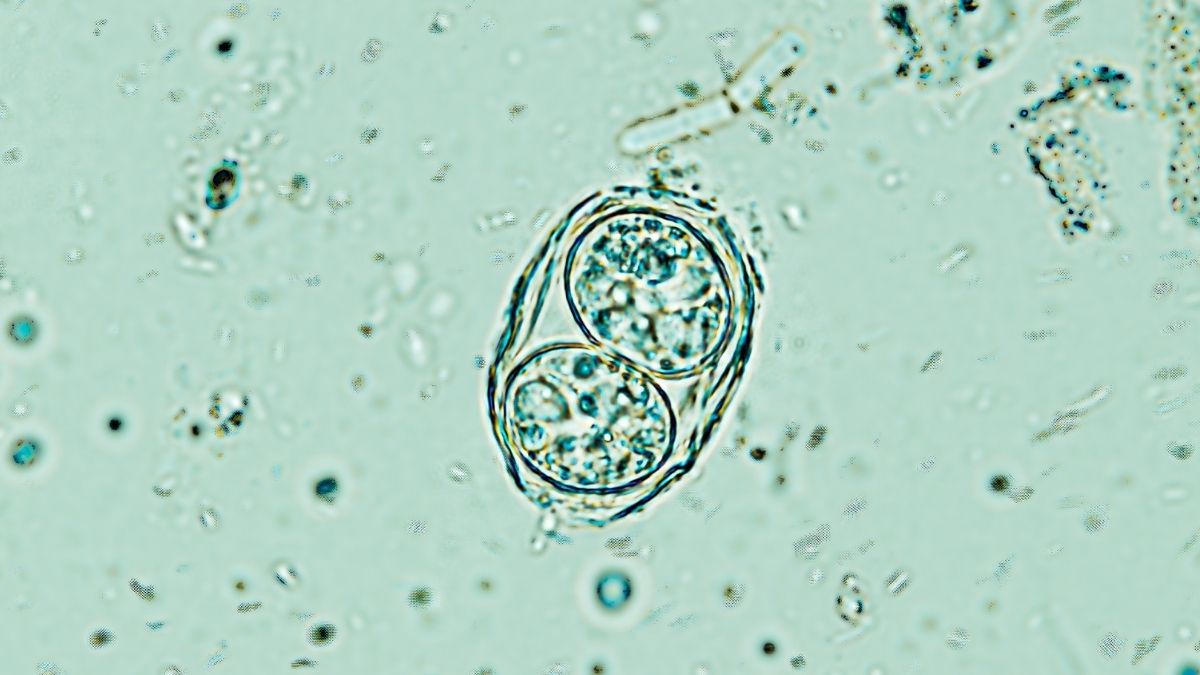
Scientists have discovered that disabling a specific protein, TgAP2X-7, in the parasite Toxoplasma gondii can effectively kill it by preventing invasion, replication, and survival, offering hope for safer treatments of toxoplasmosis, especially in immunocompromised patients.
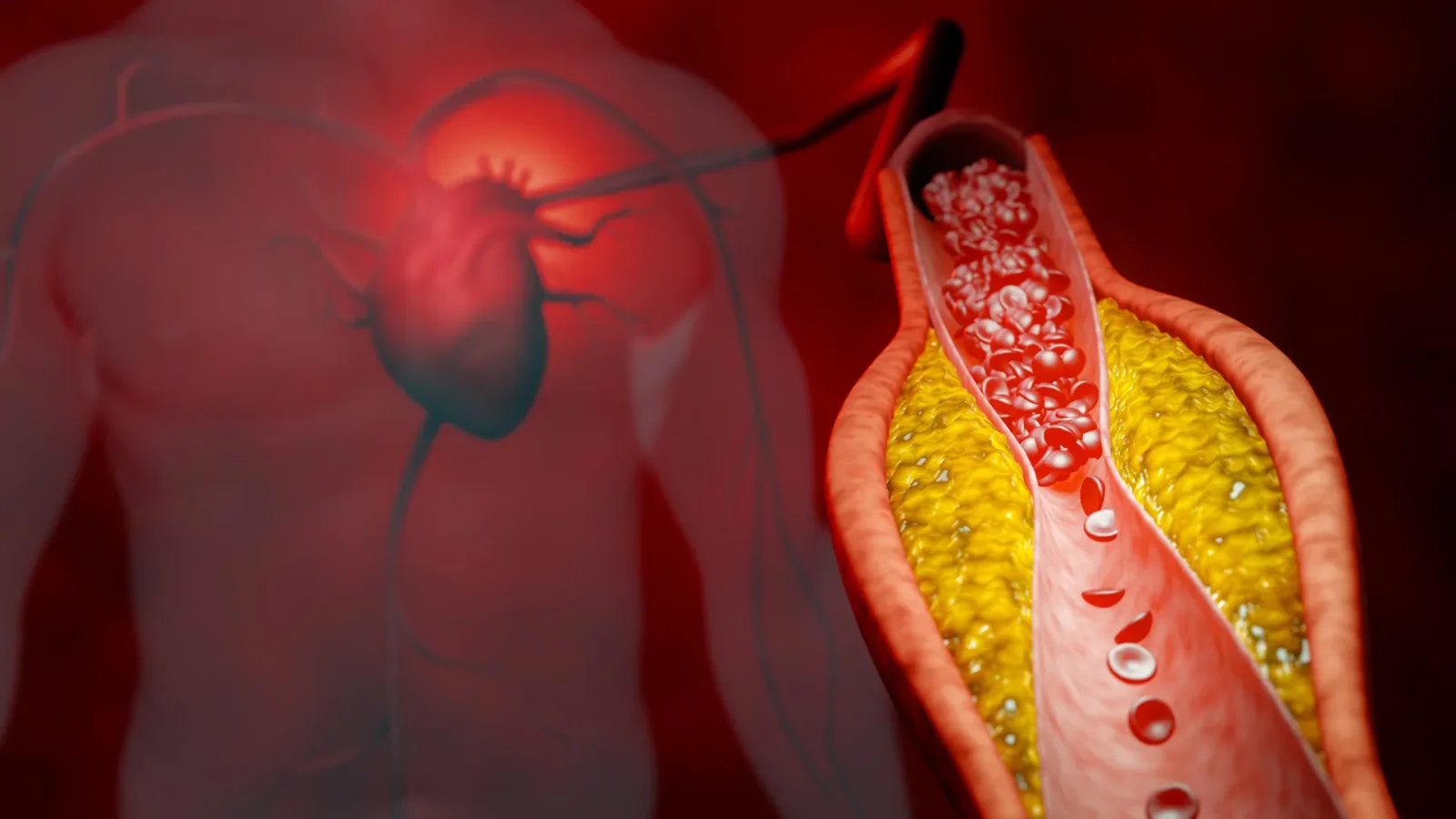
Researchers have developed a new therapy using polypurine hairpins to inhibit PCSK9, significantly reducing LDL cholesterol levels by nearly 50% without the side effects associated with statins, offering a promising alternative for managing hypercholesterolemia and preventing atherosclerosis.
A new antibiotic called gepotidacin, the first in a new class since the 1990s, has been approved to treat uncomplicated UTIs, offering hope against antibiotic-resistant infections and providing a new treatment option for a common and often recurrent condition.
Early research suggests that the GLP-1 agonist liraglutide, used for diabetes and obesity, may significantly reduce migraine days, potentially through mechanisms involving brain pressure and CGRP reduction, but larger, controlled studies are needed to confirm these findings.
The article discusses the severe hot flushes experienced by women undergoing anti-oestrogen therapy for breast cancer, highlighting the lack of effective treatments for this common side effect. It introduces a promising new drug, elinzanetant, which has shown in trials to significantly reduce hot flushes and improve quality of life, though it is not yet approved. The piece emphasizes the ongoing challenge of managing side effects to improve treatment adherence and outcomes for breast cancer patients.
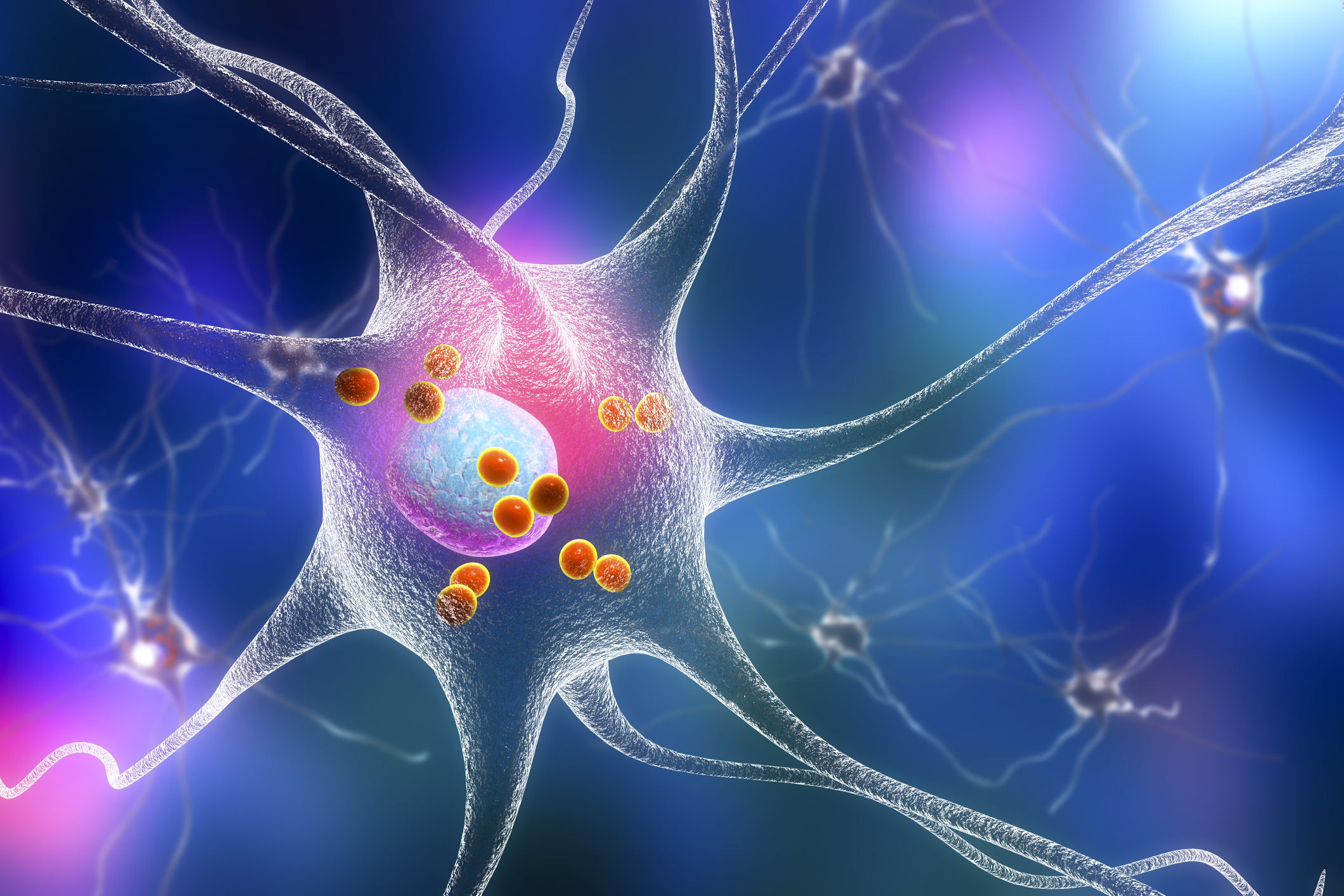
A new drug by Vaxxinity shows promise in curing Parkinson's disease by targeting its root cause through the patient's immune system. Early clinical trials indicate the drug, UB-312, is effective and well-tolerated, significantly reducing toxic protein build-ups and improving symptoms. The drug is now entering phase 2 trials and could have broader applications for other neurodegenerative diseases.
Researchers from the Icahn School of Medicine at Mount Sinai have discovered that targeting the protein plexin-B1 in the brain may help clear beta-amyloid plaques, a hallmark of Alzheimer's disease. This early-stage research suggests that modifying cellular interactions involving plexin-B1 and reactive astrocytes could reduce neurotoxicity and neuroinflammation, potentially leading to new treatment options. However, experts caution that these findings are preliminary and need further validation in human studies.