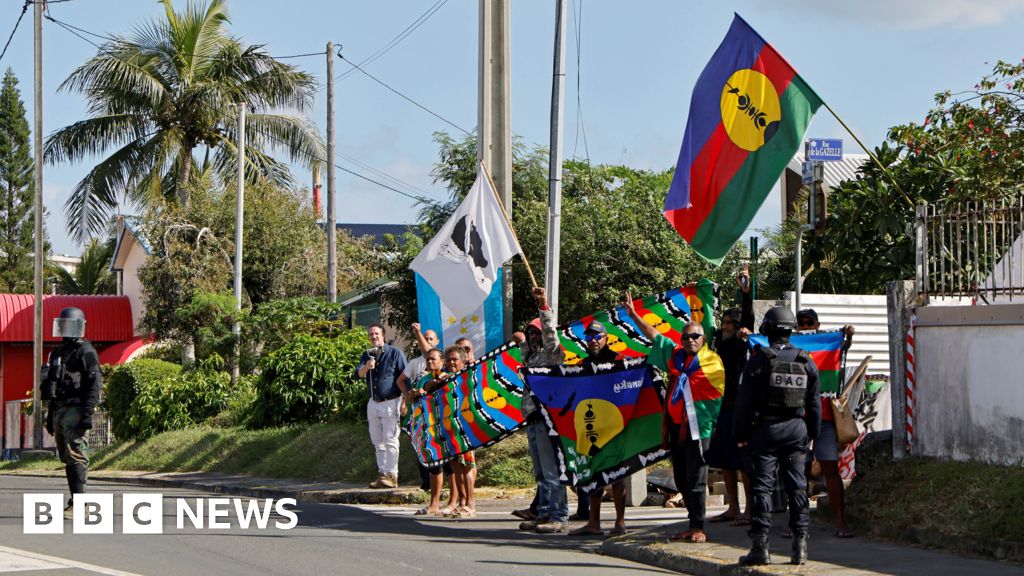
France and New Caledonia announced an agreement to establish the 'State of New Caledonia' within France, granting increased autonomy and recognition in the French Constitution, while stopping short of full independence, following recent protests and tensions over sovereignty and social inequalities.
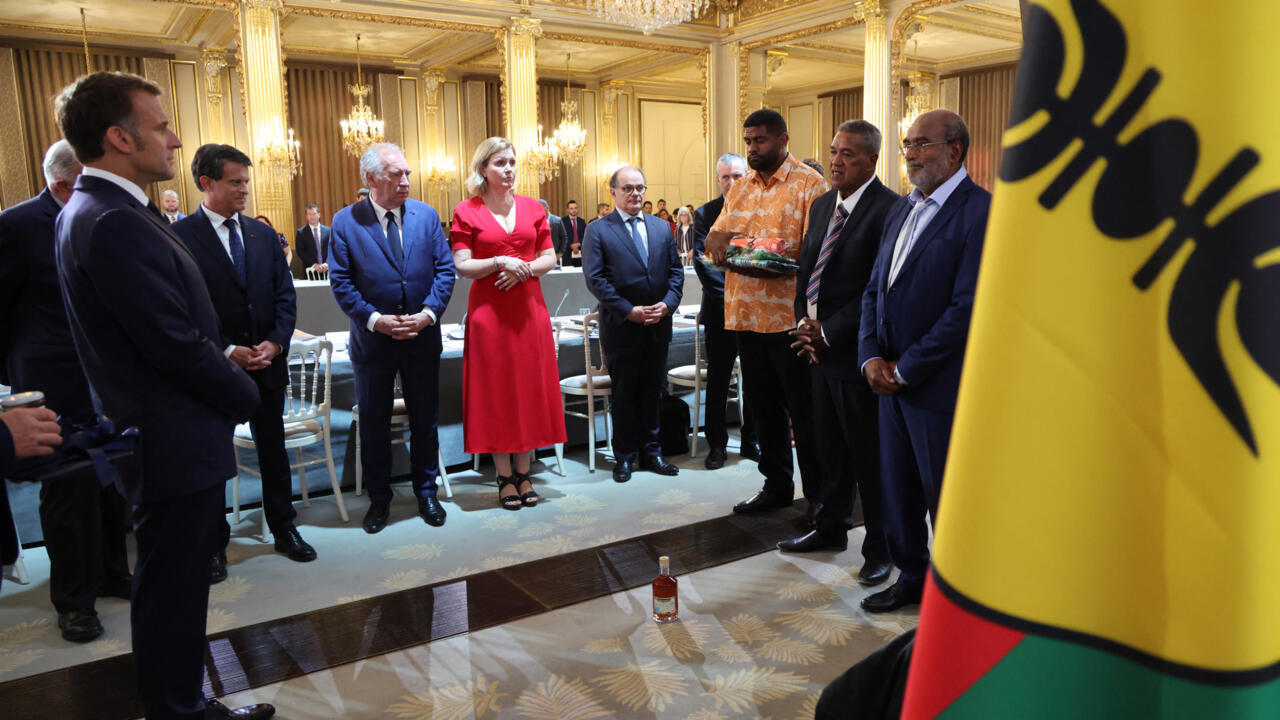
France and New Caledonia reached a historic agreement granting the territory more autonomy while remaining part of France, including the creation of a 'state of Caledonia' and Caledonian nationality, with final approval pending a local vote.
France announced a historic deal with New Caledonia, creating a new state within France while maintaining its status as a French territory, following years of separatist tensions and recent violence. The agreement includes provisions for a New Caledonian nationality, a constitutional recognition of the new state, and a referendum scheduled for 2026, aiming to address autonomy and economic recovery issues.
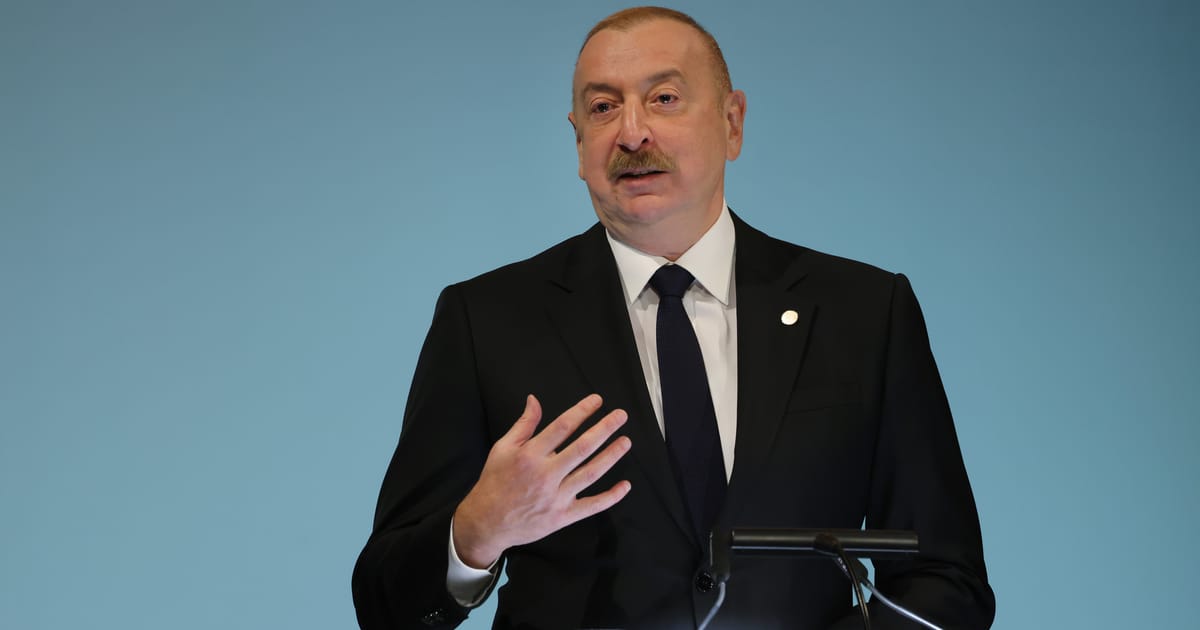
Azerbaijan's President criticized France and the Netherlands for their 'colonial' overseas territories during the COP29 summit, leading to France boycotting the event. The Azerbaijani leader specifically blamed the French government for violence in New Caledonia earlier this year.
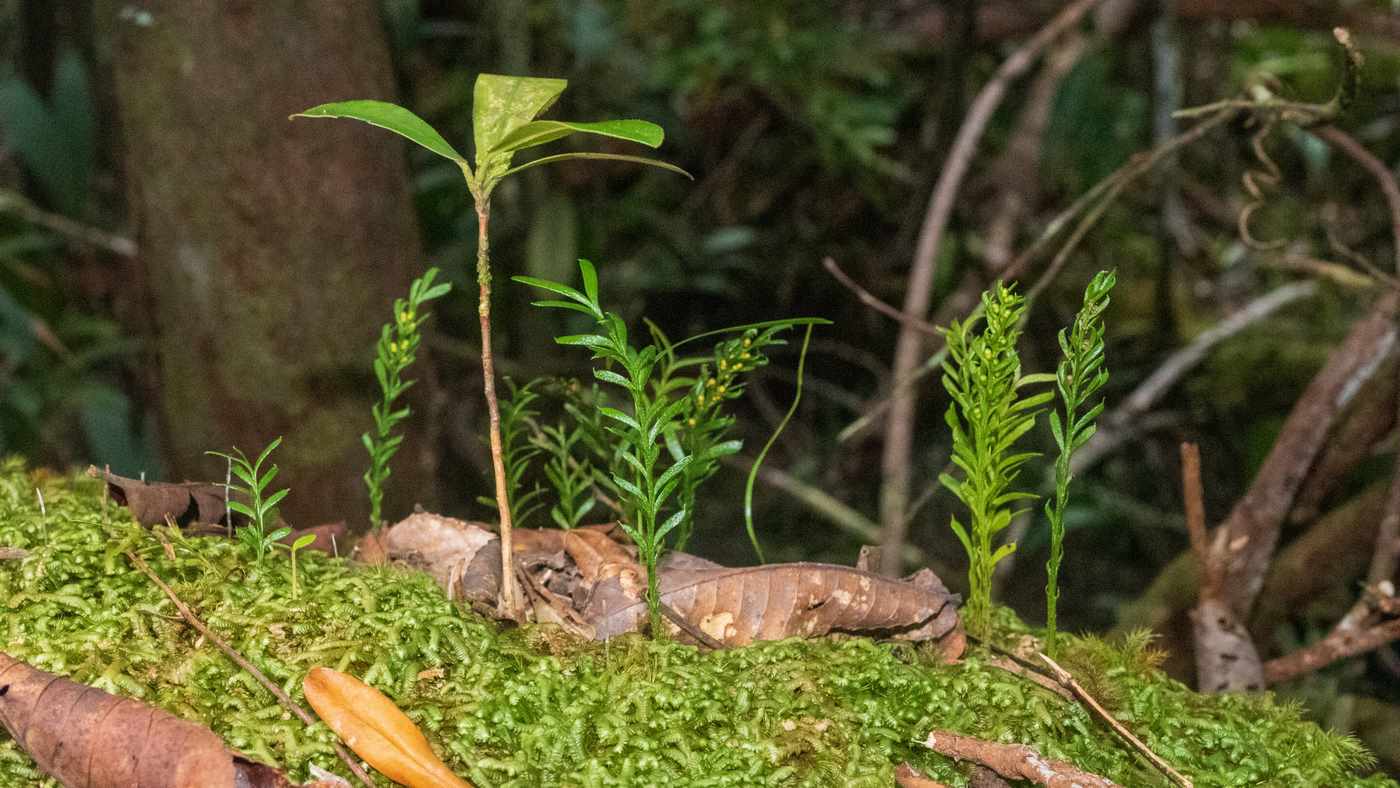
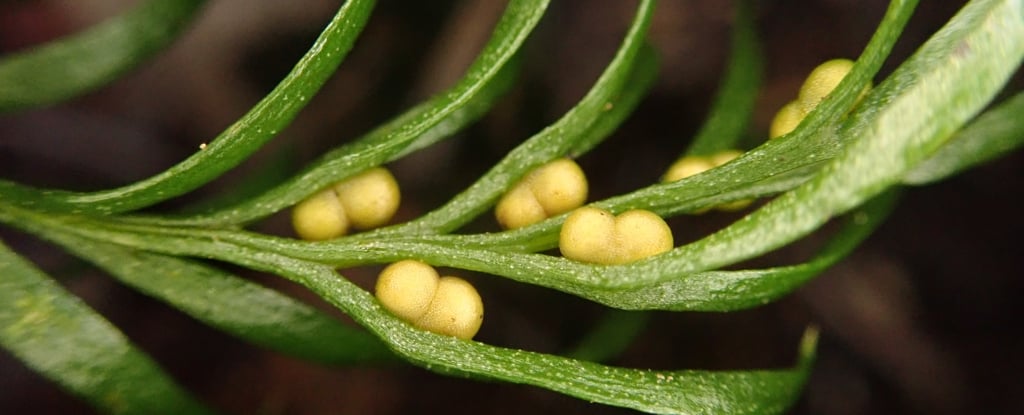
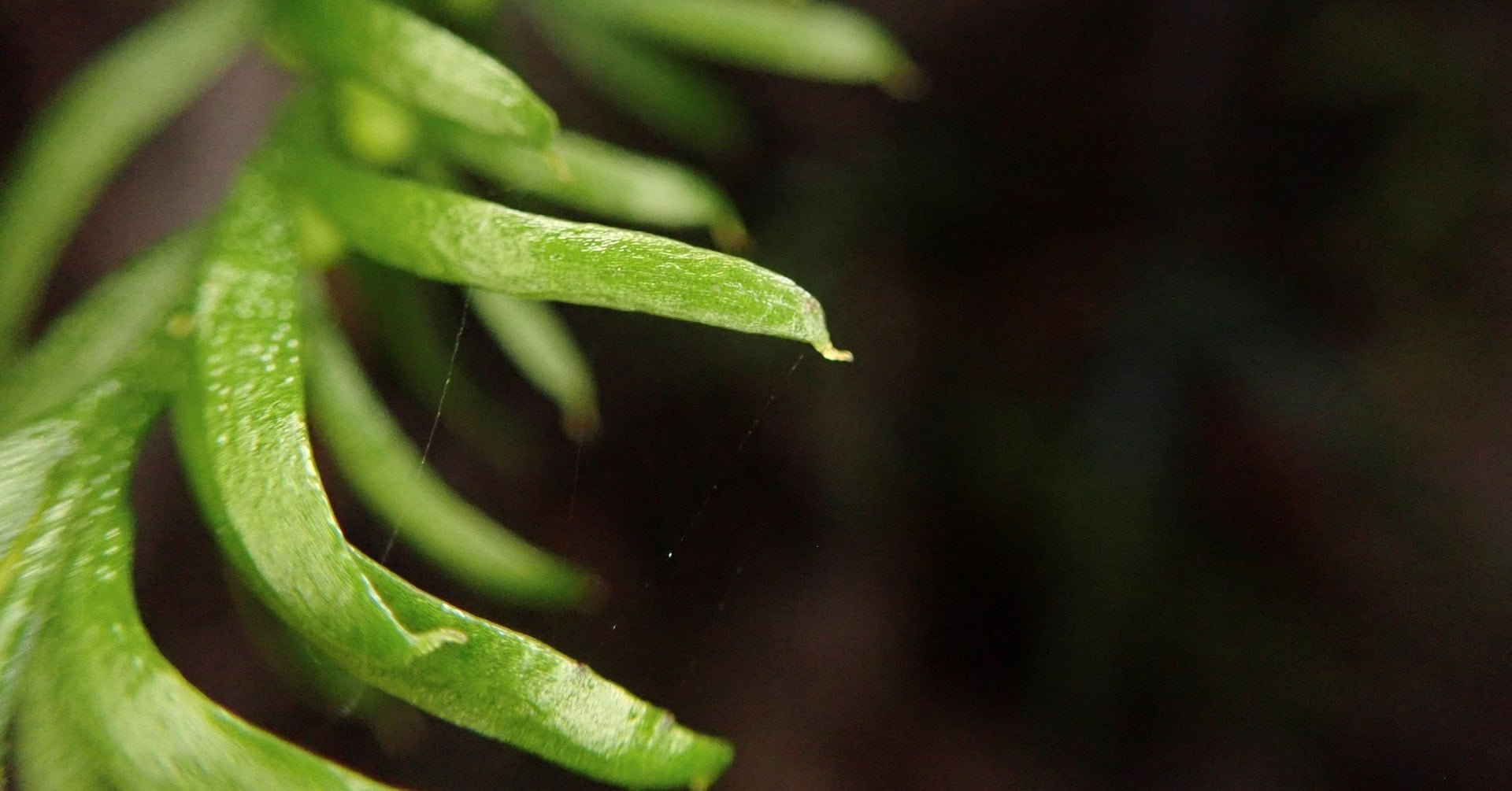
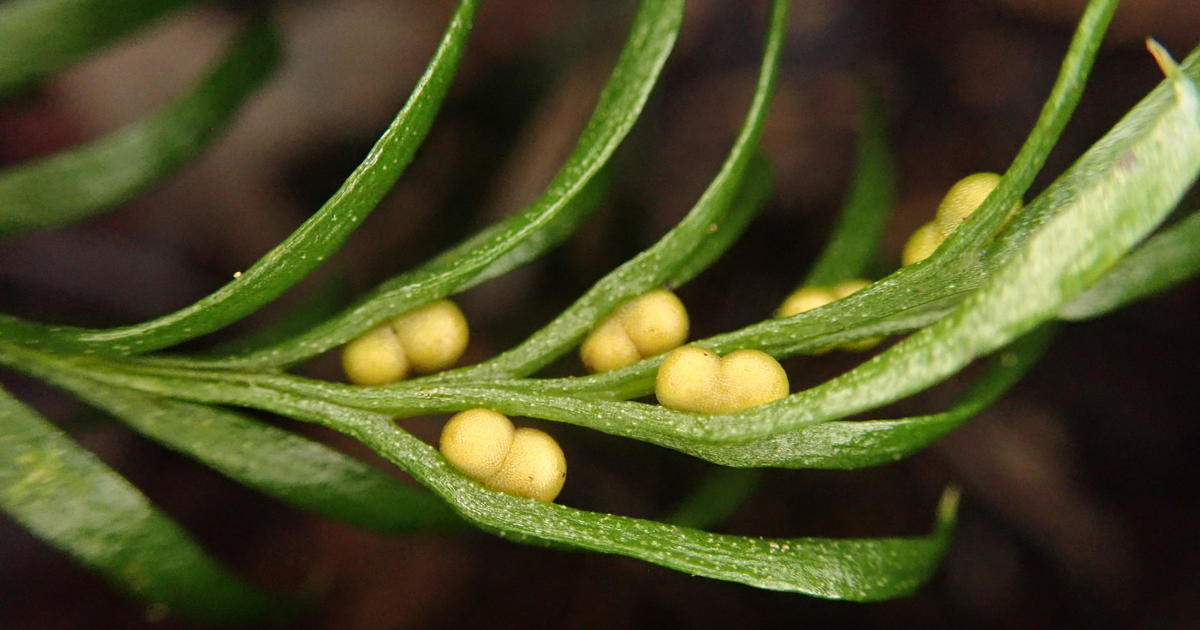
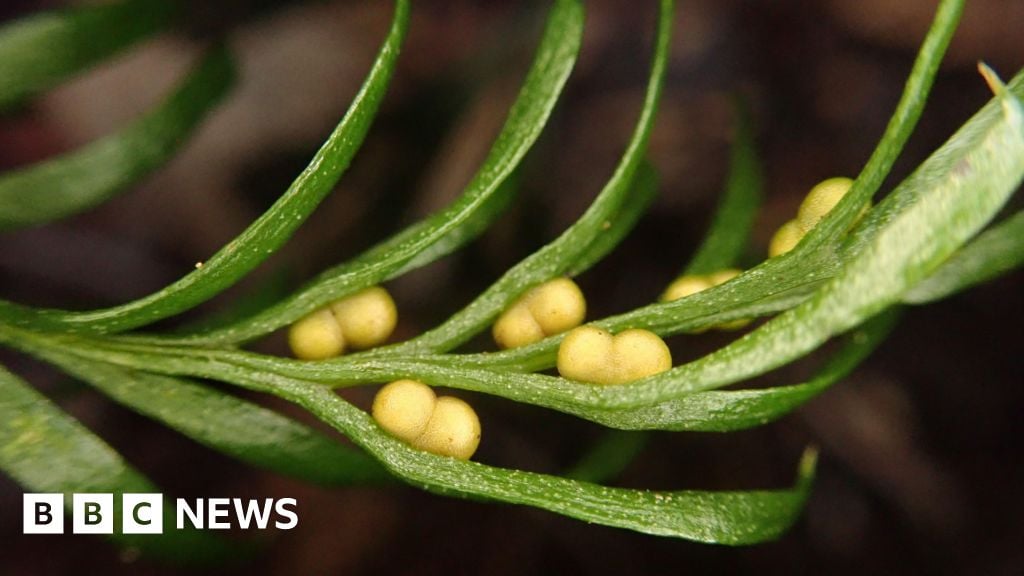
Scientists have discovered that the New Caledonian fork fern, Tmesipteris oblanceolata, possesses the longest genome of any known living organism, with 416 chromosomes and 168 gigabase pairs of DNA. This genome is 50 times longer than a human's and surpasses the previous record holders in both plant and animal kingdoms. The discovery raises questions about the biological limits and implications of large genomes, highlighting the complexity and diversity of plant DNA.
The New Caledonian fern Tmesipteris oblanceolata has been recognized by Guinness World Records for having the largest genome of any organism, with 160 gigabase pairs of DNA, surpassing the previous record holder, Paris japonica. This discovery challenges previous assumptions about the biological limits of genome size and raises questions about the function and evolutionary significance of such large amounts of DNA.
The fork fern species Tmesipteris oblanceolata from New Caledonia has the world's largest genome, surpassing the previous record-holder by 7% and being over 50 times the size of the human genome. Despite its small size and unassuming appearance, this fern's genome size poses significant biological and ecological implications, including increased resource demands and slower cellular division. Scientists are still investigating why some organisms have such large genomes, as there is no direct correlation between genome size and organism complexity or physical size.
The New Caledonian fern Tmesipteris oblanceolata has been awarded the Guinness World Record for the largest genome on Earth, with its DNA stretching taller than the Statue of Liberty. The fern's genome is 160 gigabase pairs, over 50 times more than humans. This discovery challenges previous assumptions about the biological limits of genome size and raises questions about the function and evolutionary significance of such large amounts of DNA.
A rare fern from New Caledonia, Tmesipteris oblanceolate, has set a world record for having the largest genome of any living organism, with 160 billion base pairs of DNA. This genome, when unraveled, would stretch to about 100 meters, far surpassing the human genome's 2 meters. Scientists are intrigued by how this tiny plant functions with such an enormous amount of genetic material and hope to learn more about its evolutionary significance and potential impact on extinction risk.
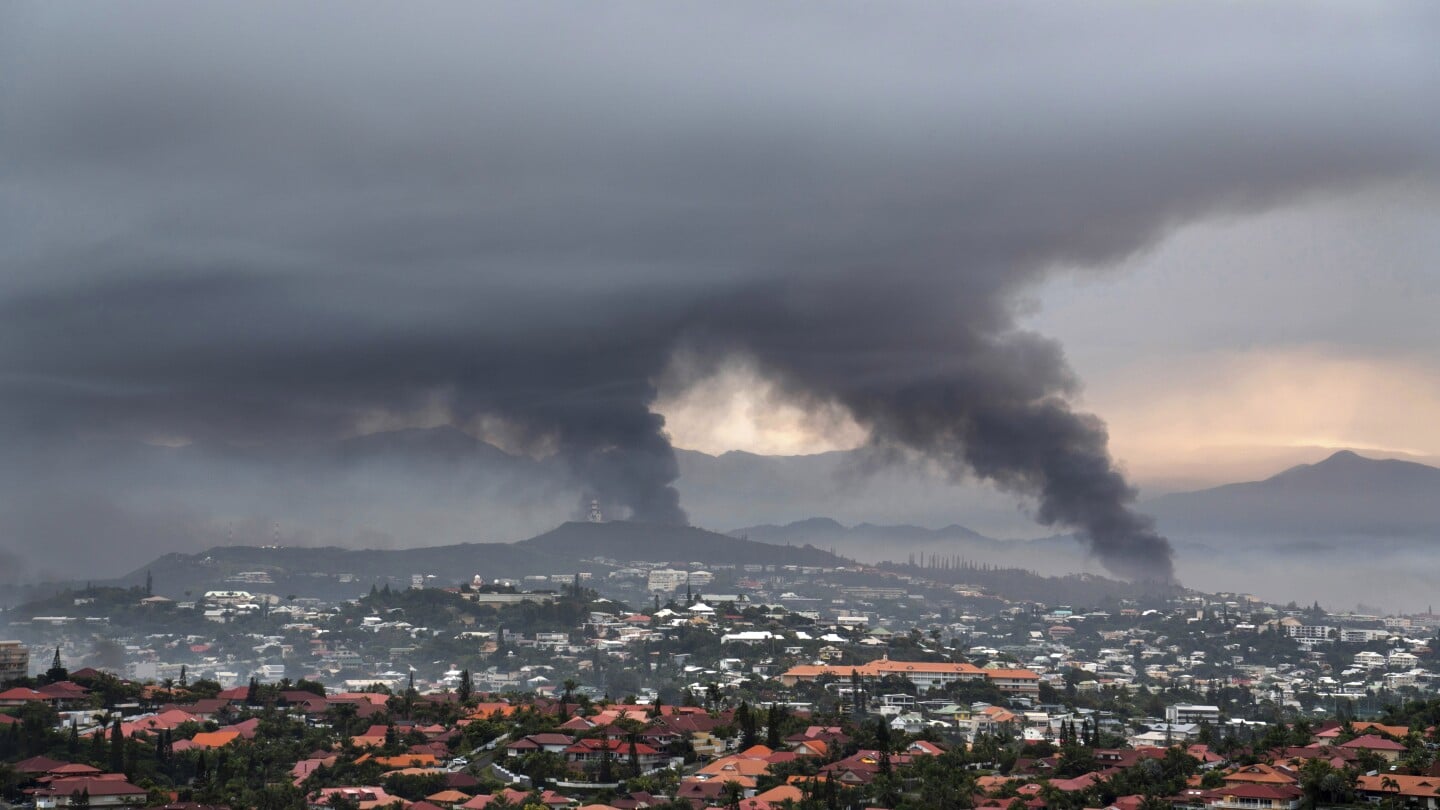
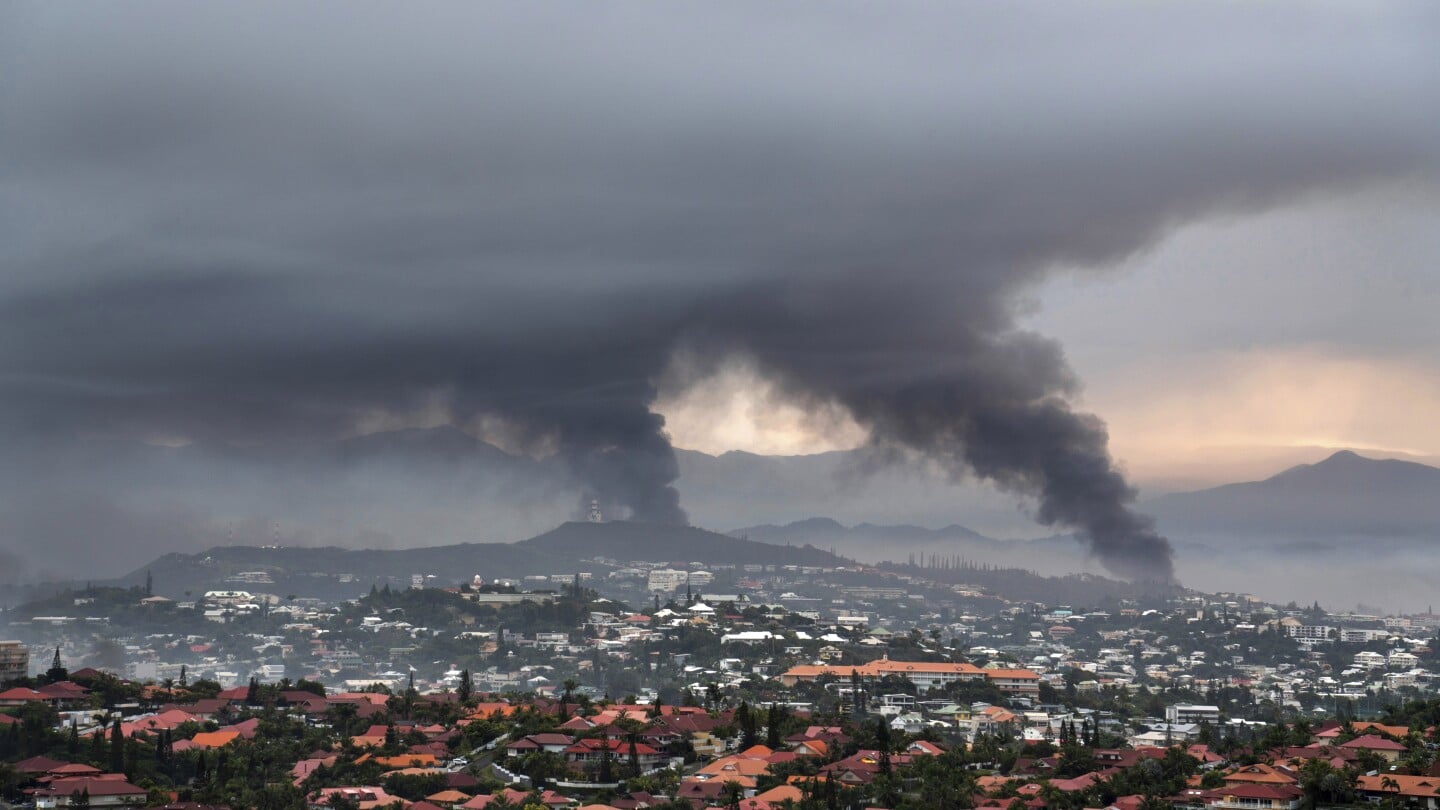
French President Emmanuel Macron has decided to lift the state of emergency in New Caledonia to facilitate political dialogue following violent unrest. The move aims to enable meetings between pro-independence groups and local leaders. Despite lifting the emergency, curfews and bans on public gatherings, transport, and alcohol sales will remain. The unrest, which began over proposed electoral reforms, has resulted in seven deaths and numerous injuries. Macron's decision follows his visit to the territory and ongoing efforts to negotiate with both pro-independence and pro-Paris factions.
New Caledonia's international airport will remain closed until at least June 2 due to ongoing riots over a contested electoral reform, which have resulted in seven deaths and significant property damage. French President Emmanuel Macron has paused the reform in an attempt to ease tensions but has not met pro-independence demands to abandon it entirely. Macron has called for an end to the violence and urged protesters to lift their barricades.
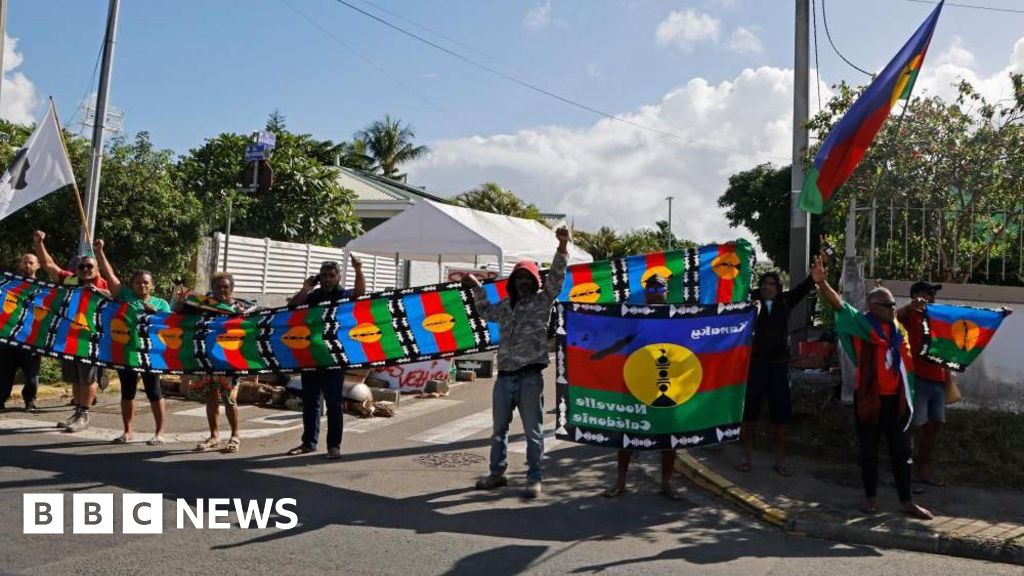
Christian Tein, leader of a pro-independence party in New Caledonia, urged supporters to maintain resistance against French electoral reforms that the Indigenous Kanak people fear will marginalize them. Despite a state of emergency and calls from French President Emmanuel Macron to dismantle barricades, Tein insists they remain until house arrest warrants are lifted and the reforms are scrapped. Tensions remain high following violent protests, with Macron proposing an alternate agreement and potential future referendum for the archipelago's political status.
A French policeman killed a protester in New Caledonia amid violent protests over controversial voting reforms, which have resulted in seven deaths in a week. The incident occurred a day after French President Emmanuel Macron's visit, where he proposed a pause in the reforms to seek a new political agreement. The protests, led by the indigenous Kanak community, are driven by fears that the reforms will dilute their political power and affect future independence referendums. A manslaughter inquiry has been launched, and thousands of extra police have been deployed to restore order.
French President Emmanuel Macron has paused a contentious voting reform in New Caledonia after deadly riots erupted over the proposal. The reform would have expanded voting rights to more French residents, which many indigenous Kanaks fear would weaken their political influence and hinder future independence efforts. Macron urged local leaders to engage in dialogue to find a mutually acceptable solution and stated he would reassess the situation in a month. The unrest has resulted in six deaths, significant property damage, and the deployment of French security forces to the territory.
French President Emmanuel Macron visited New Caledonia to address violent unrest sparked by a voting reform plan that indigenous Kanaks believe will dilute their political influence. The riots have resulted in six deaths and hundreds of injuries, prompting France to deploy thousands of military reinforcements. Macron's visit aims to restore peace and security in the territory, which has a history of tension over French rule and independence movements.