The UK government proposes lowering the national voting age to 16 to enhance youth participation and 'future-proof' democracy, aligning with Scotland, Wales, and the Channel Islands, amid mixed reactions and concerns over political motives.
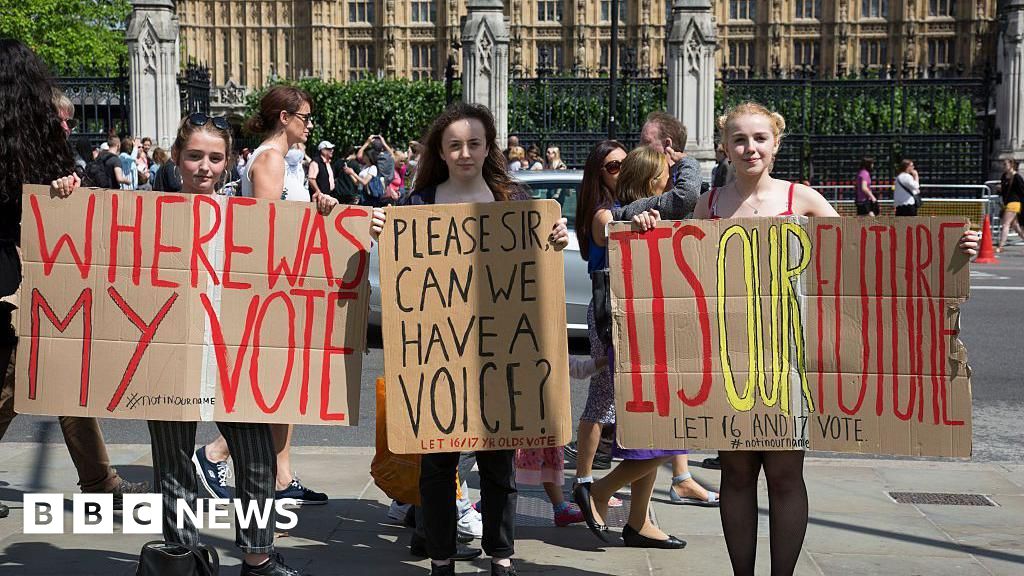
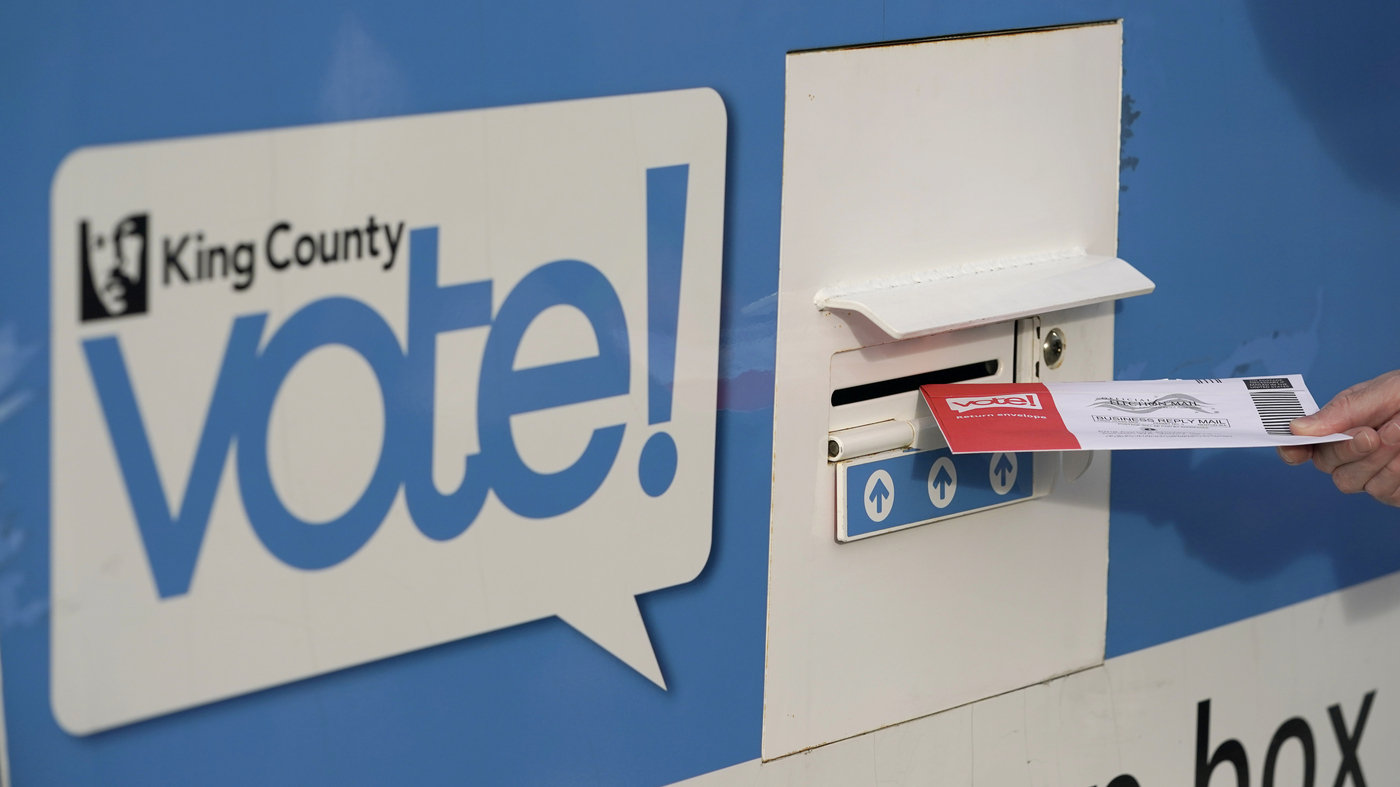
Britain will lower the voting age from 18 to 16 by the next national election to boost democratic participation, joining countries like Austria and Brazil. The move includes reforms such as automatic voter registration and the use of bank cards for ID, aiming to increase turnout and safeguard against foreign interference. The changes, supported by the Labour Party and likely to pass, are part of broader electoral reforms to restore public trust in democracy.
The UK government plans to lower the voting age to 16 for all elections, aligning with Scotland and Wales, and aims to expand voter ID options and tighten rules on political donations to enhance democratic participation and security.
The UK government plans to lower the voting age to 16 for the next general election, expand voter ID options including UK-issued bank cards, introduce automatic voter registration, and tighten rules on political donations to prevent foreign interference, marking significant electoral reforms.
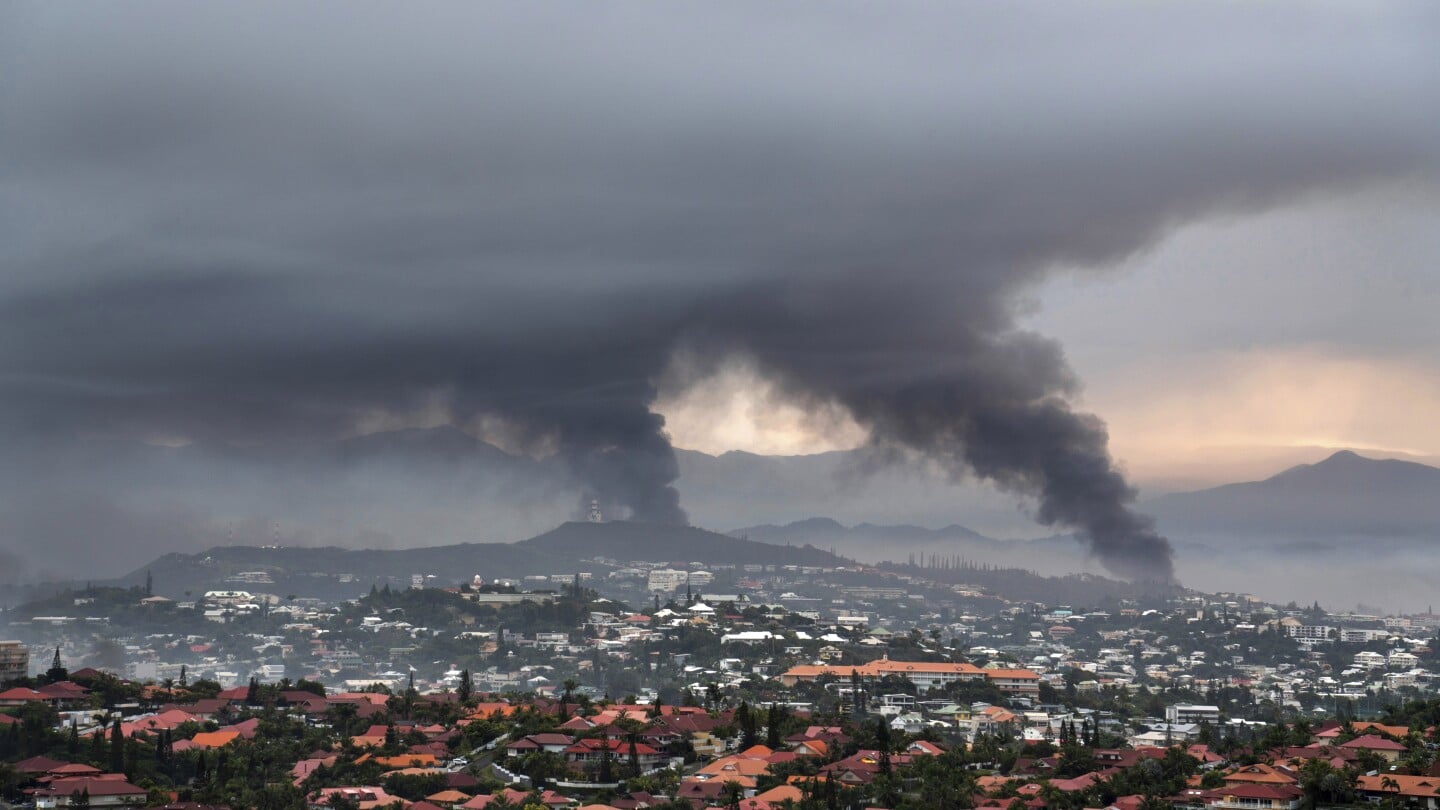
New Caledonia's international airport will remain closed until at least June 2 due to ongoing riots over a contested electoral reform, which have resulted in seven deaths and significant property damage. French President Emmanuel Macron has paused the reform in an attempt to ease tensions but has not met pro-independence demands to abandon it entirely. Macron has called for an end to the violence and urged protesters to lift their barricades.
Christian Tein, leader of a pro-independence party in New Caledonia, urged supporters to maintain resistance against French electoral reforms that the Indigenous Kanak people fear will marginalize them. Despite a state of emergency and calls from French President Emmanuel Macron to dismantle barricades, Tein insists they remain until house arrest warrants are lifted and the reforms are scrapped. Tensions remain high following violent protests, with Macron proposing an alternate agreement and potential future referendum for the archipelago's political status.
French President Emmanuel Macron has committed to maintaining a police presence in New Caledonia to restore peace following severe riots triggered by a controversial electoral reform. The unrest, described as an "unprecedented insurrection," has resulted in six deaths and hundreds of injuries. Indigenous Kanaks fear the new law will dilute their political influence. Macron aims to stabilize the situation and engage in delicate political discussions about the territory's future.
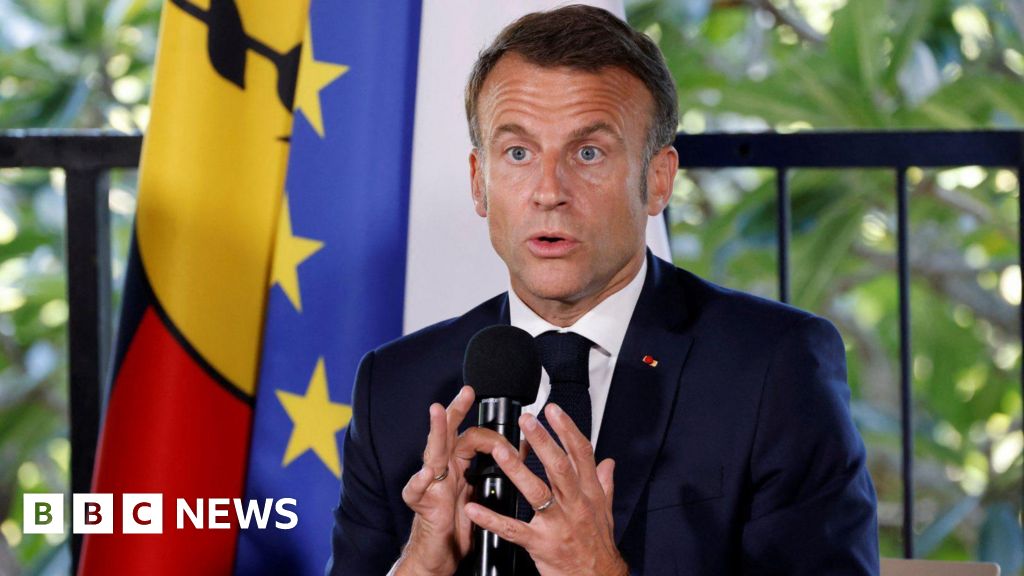
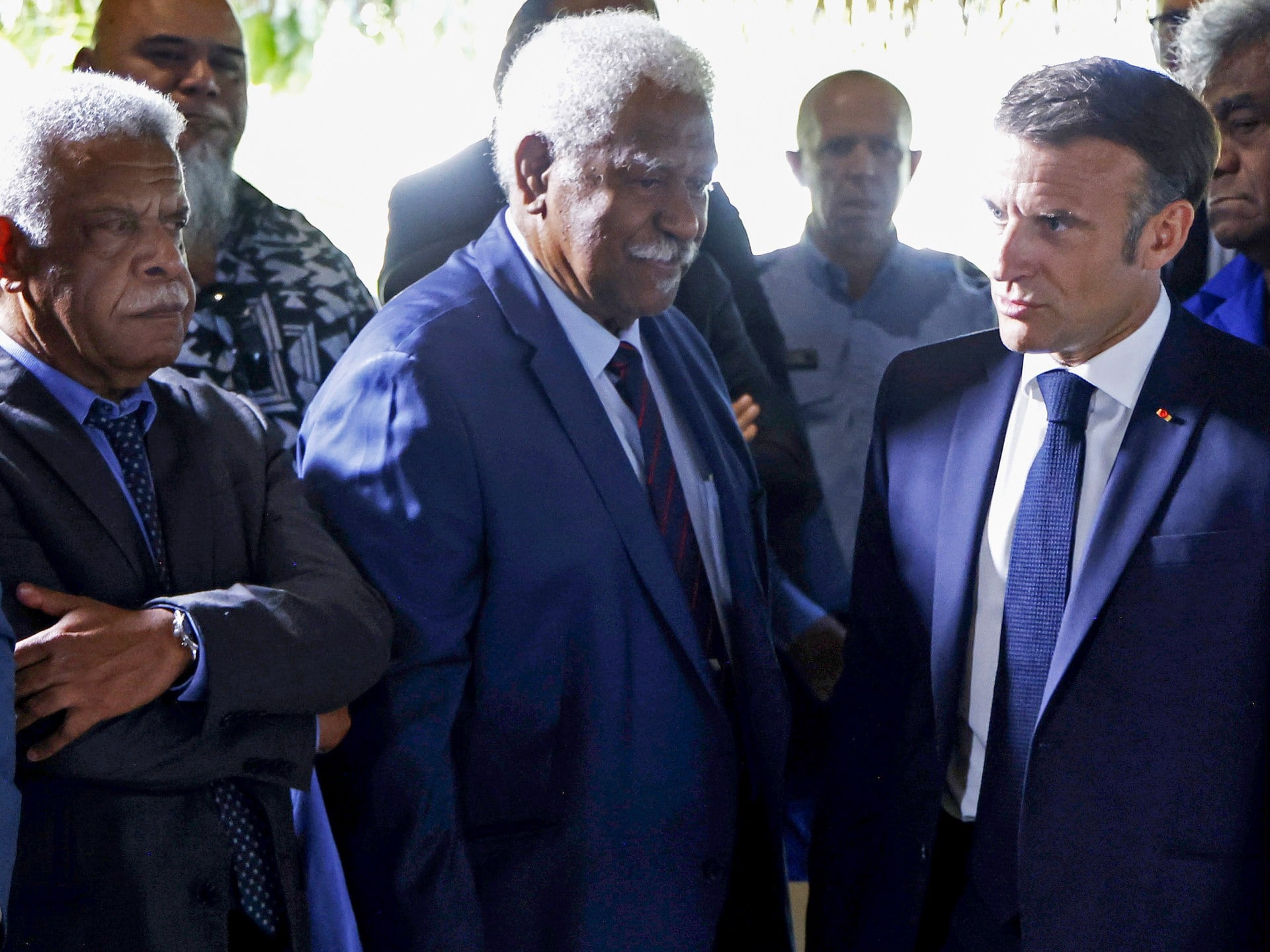
French President Emmanuel Macron has stated that French troops will remain in New Caledonia as long as necessary amid ongoing unrest over proposed electoral reforms. The reforms, which would allow long-term French residents to vote in provincial elections, have sparked protests from the Indigenous Kanak people who fear it will dilute their vote and hinder their independence efforts. Macron's visit to the territory included meetings with local leaders and a call for the removal of roadblocks, while he opposed extending the state of emergency if the situation stabilizes.
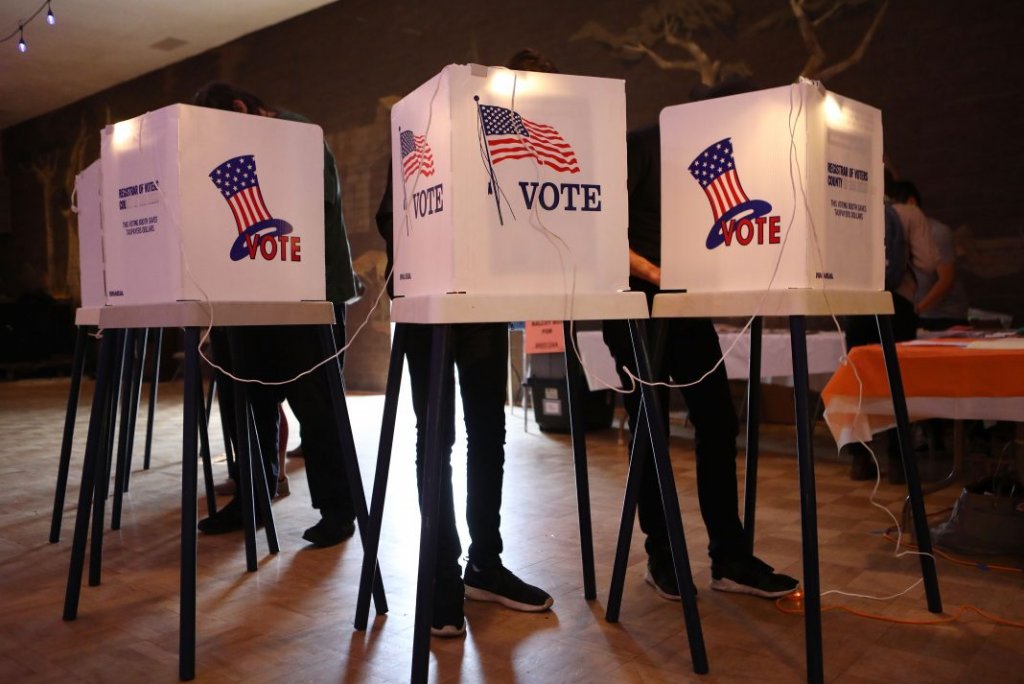
Ranked Choice Voting (RCV) combined with a Final Four/Five primary system is gaining traction in several U.S. states as a means to combat political extremism and polarization. This system allows voters to rank candidates by preference and advances multiple candidates to the general election, regardless of party affiliation. Proponents argue that this encourages moderation and problem-solving among politicians. Alaska's recent experience with RCV-plus-Final-Four has shown promising results, with increased collaboration and representation. However, there is opposition from some Republican-led states and conservative groups, who argue that RCV could confuse voters and is a strategy to shift politics to the left. Despite this, there is growing interest in the reform, even among some Republicans, as a way to field more electable candidates and appeal to a broader electorate.
Advocates and political scientists argue that the current primary election system in the United States is flawed, as it often excludes voters and leads to the selection of more extreme candidates. They highlight the low voter turnout in primary elections, which effectively decide the winners in a majority of Congressional seats. The movement for electoral reform calls for rethinking how states set up their primary elections and allowing independent voters to participate. Some states have already implemented nonpartisan primary systems, where all candidates from all parties are listed on the same ballot, leading to potential changes in bipartisanship and ideological moderation among elected officials. However, research on the impact of nonpartisan primaries on candidate moderation and voter engagement remains mixed.
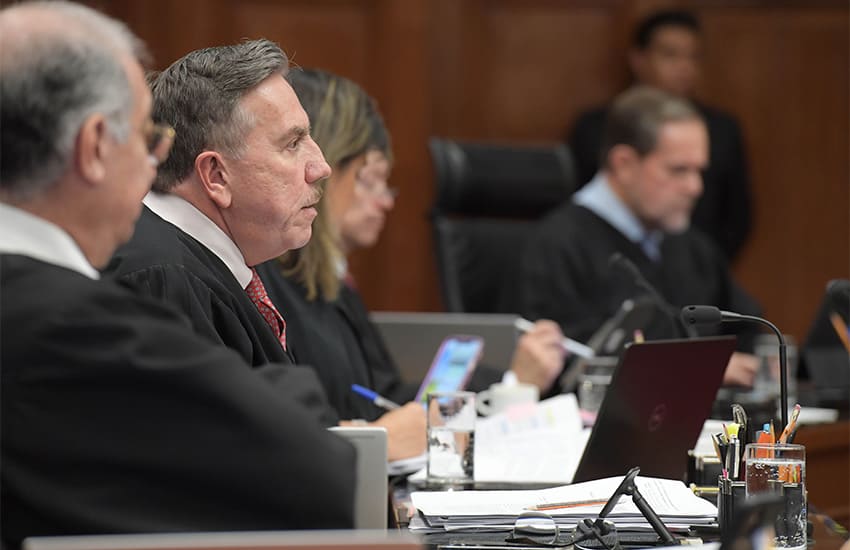
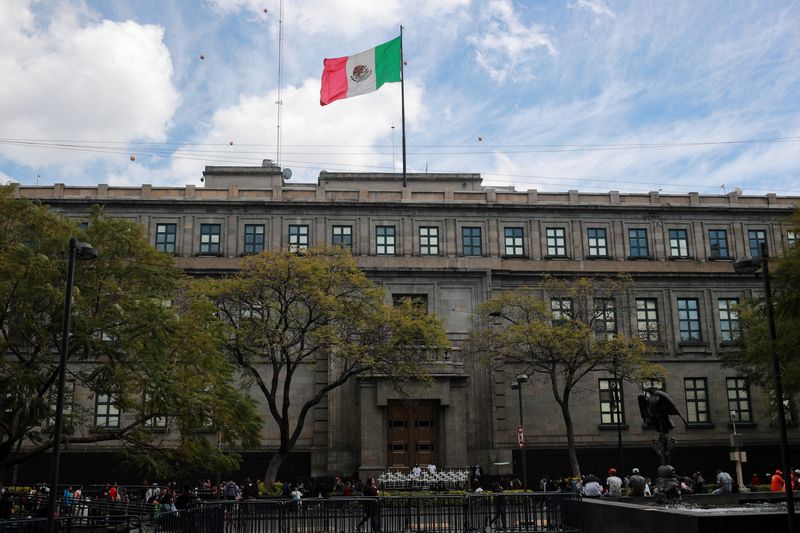
The Supreme Court of Mexico has invalidated the second part of the federal government's electoral reform package, which was passed by the ruling Morena party and its allies in Congress earlier this year. The court ruled that the legislation was rushed through without adequate time for lawmakers to understand and debate it, violating the principle of democratic deliberation. The reform package had slashed the budget of the National Electoral Institute (INE) and limited the powers of the Federal Electoral Tribunal, among other effects. The INE will now recover powers it lost during the brief period that the legislation was in effect.
The Mexican government will challenge the Supreme Court's temporary suspension of parts of a controversial electoral reform pushed by President Andres Manuel Lopez Obrador. The reform, known as "Plan B," was approved by the Senate last month and downsizes the independent electoral institute INE while giving more power to local officials, many of whom are members of Lopez Obrador's MORENA party. Critics warn it will undermine democracy, and tens of thousands of protesters took to the streets in one of the largest protests against Lopez Obrador's administration.