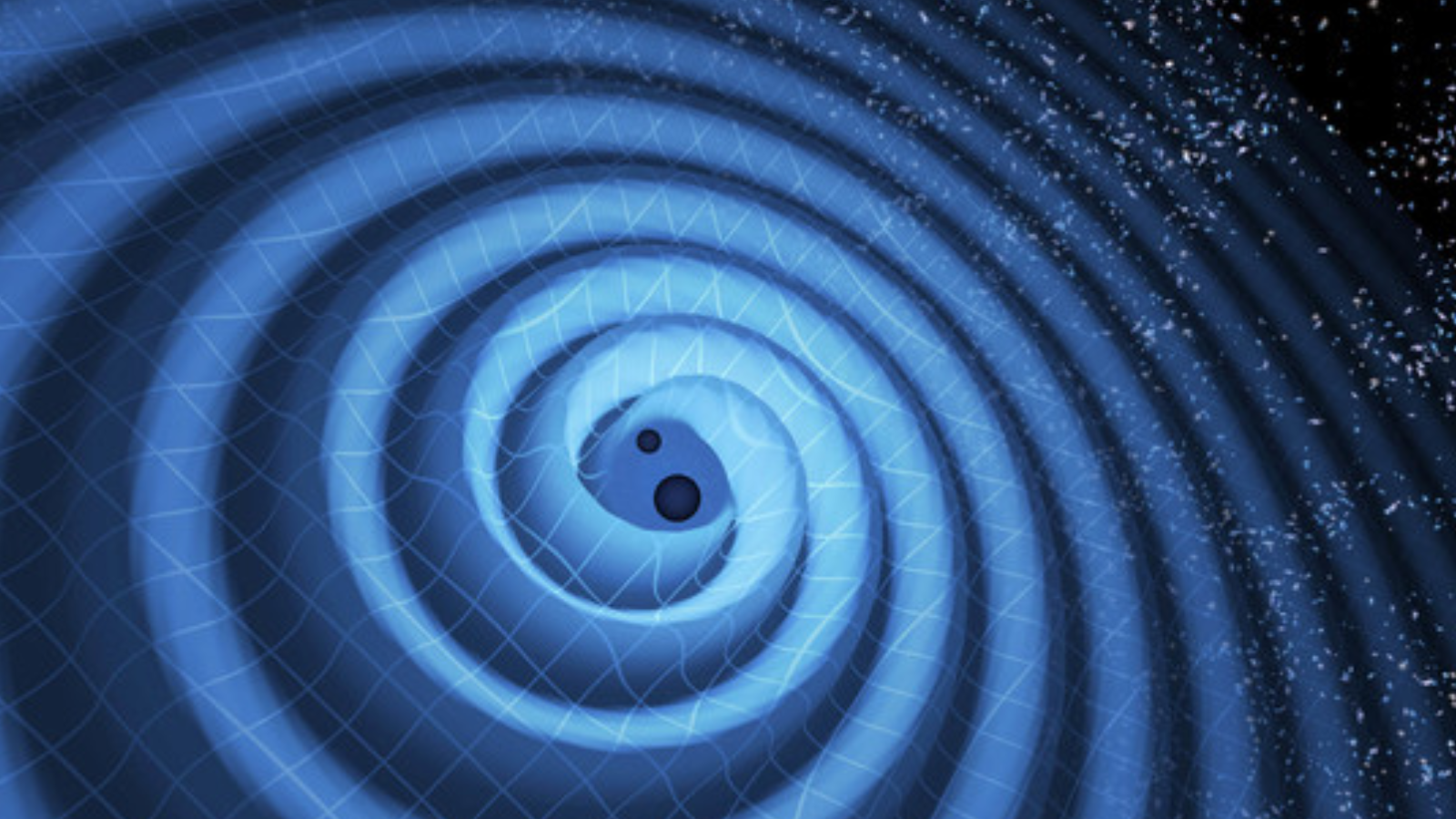
Since its landmark 2015 detection of gravitational waves confirming Einstein's general relativity, LIGO and its collaborators have made over 300 groundbreaking discoveries, including the heaviest black hole mergers, neutron star collisions, multimessenger astronomy, and the loudest gravitational wave signals, opening new windows into the universe's most extreme events.
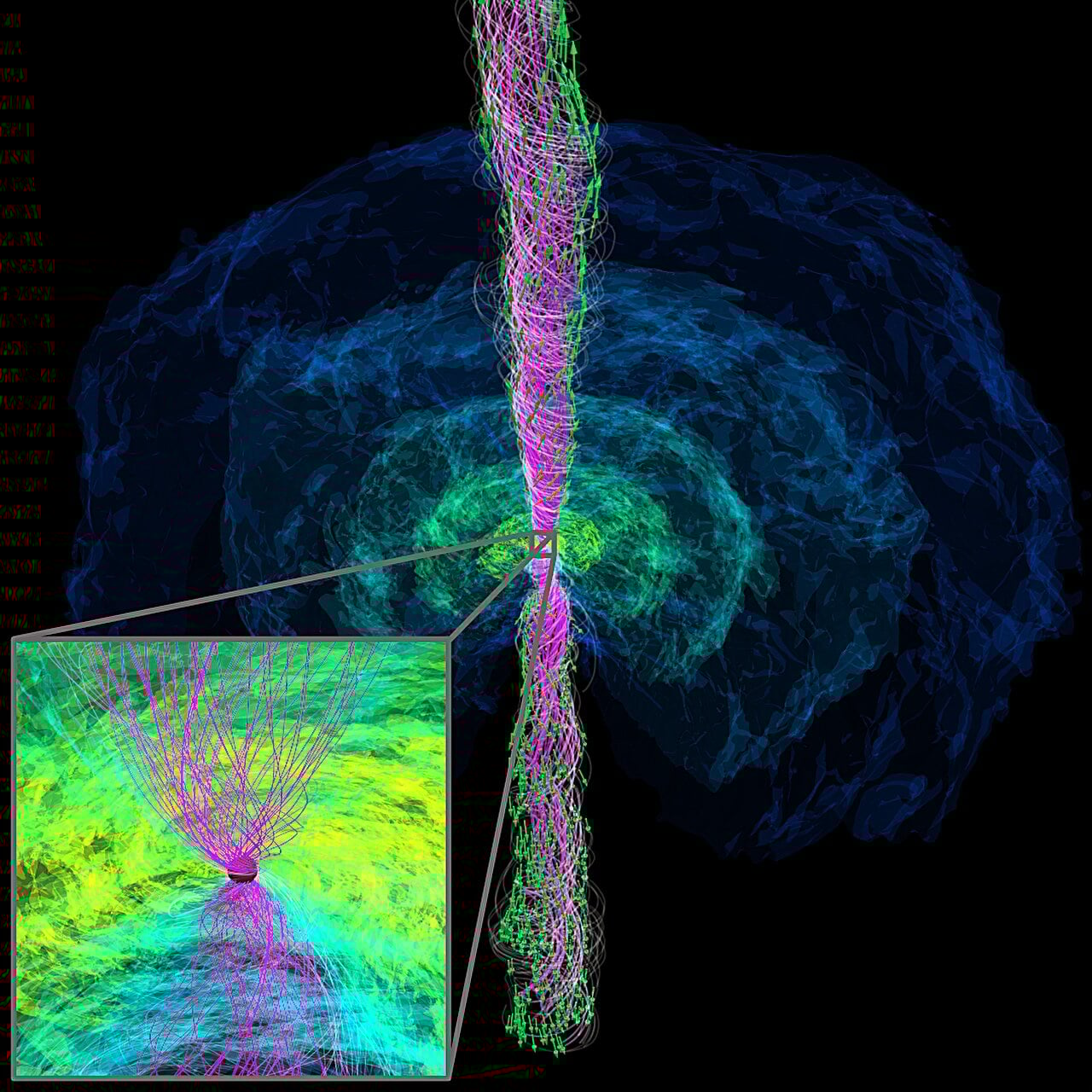
Scientists used Japan's Fugaku supercomputer to perform the most detailed 1.5-second simulation of a neutron star merger, revealing how these events create black holes, gamma-ray bursts, and heavy elements like gold, providing critical insights for future cosmic observations.
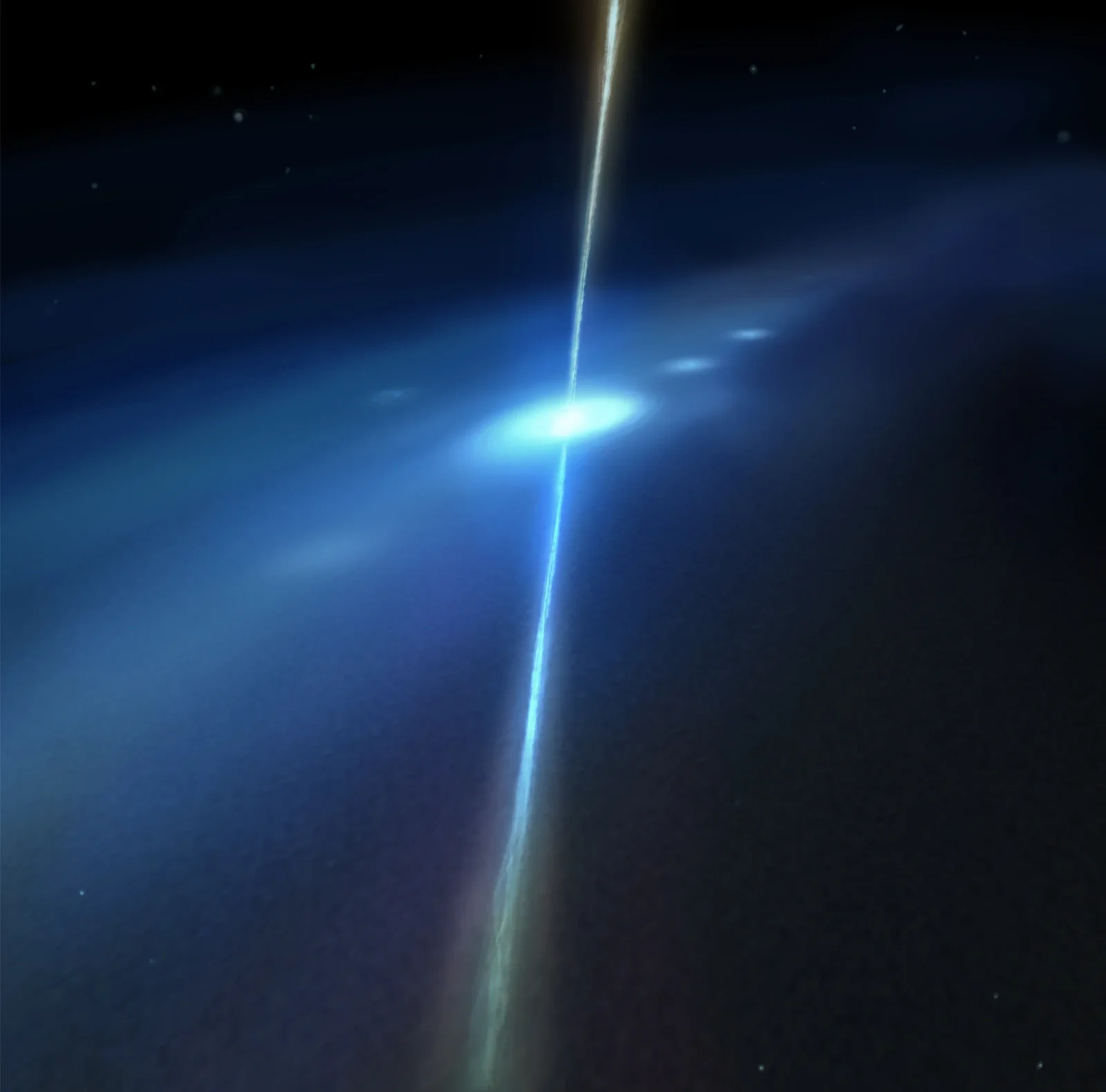
A long-duration simulation of binary neutron star mergers using advanced modeling techniques revealed that such mergers can promptly collapse into black holes and produce magnetically driven jets, potentially explaining gamma-ray bursts and advancing understanding of these cosmic events.
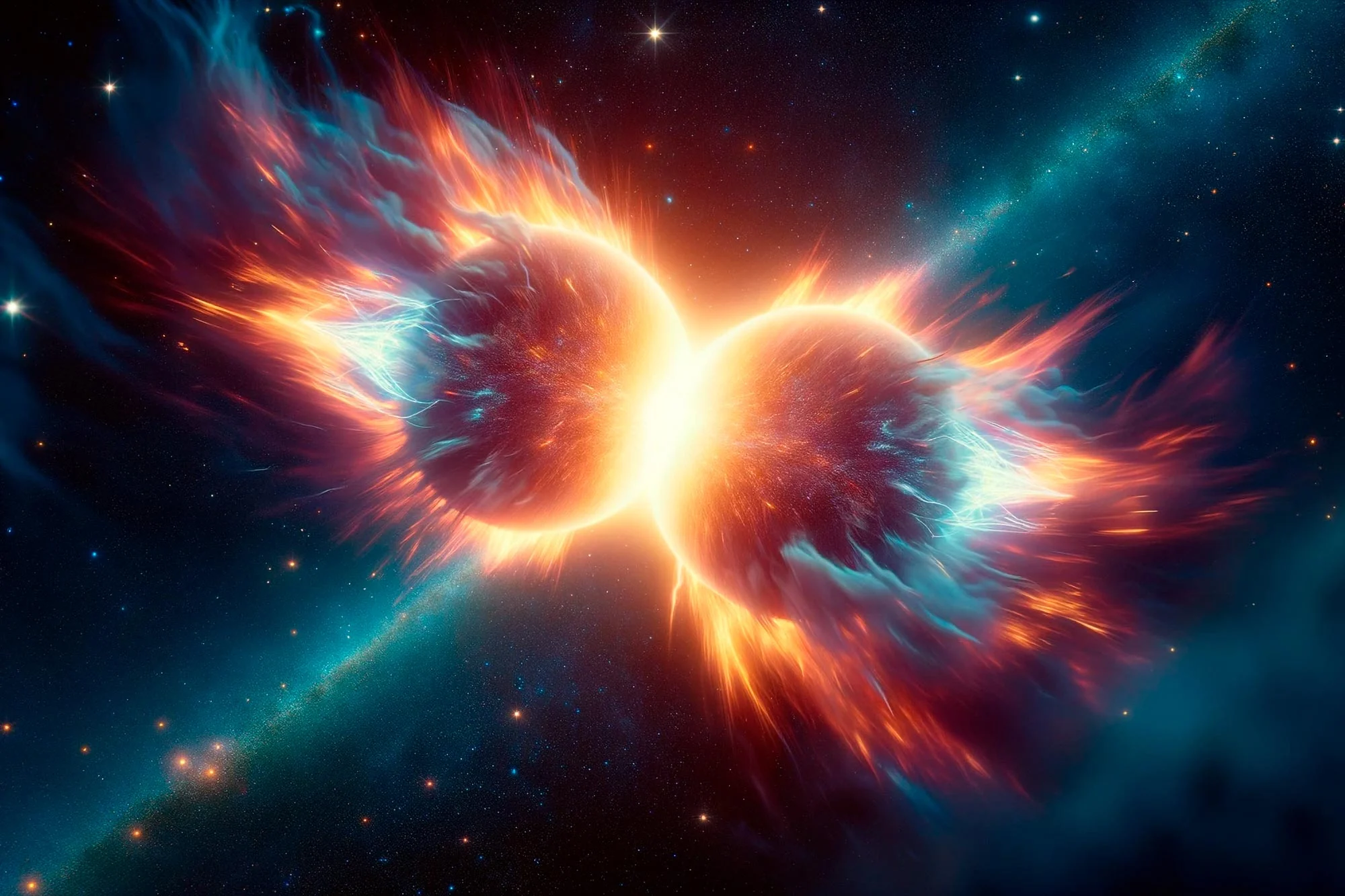
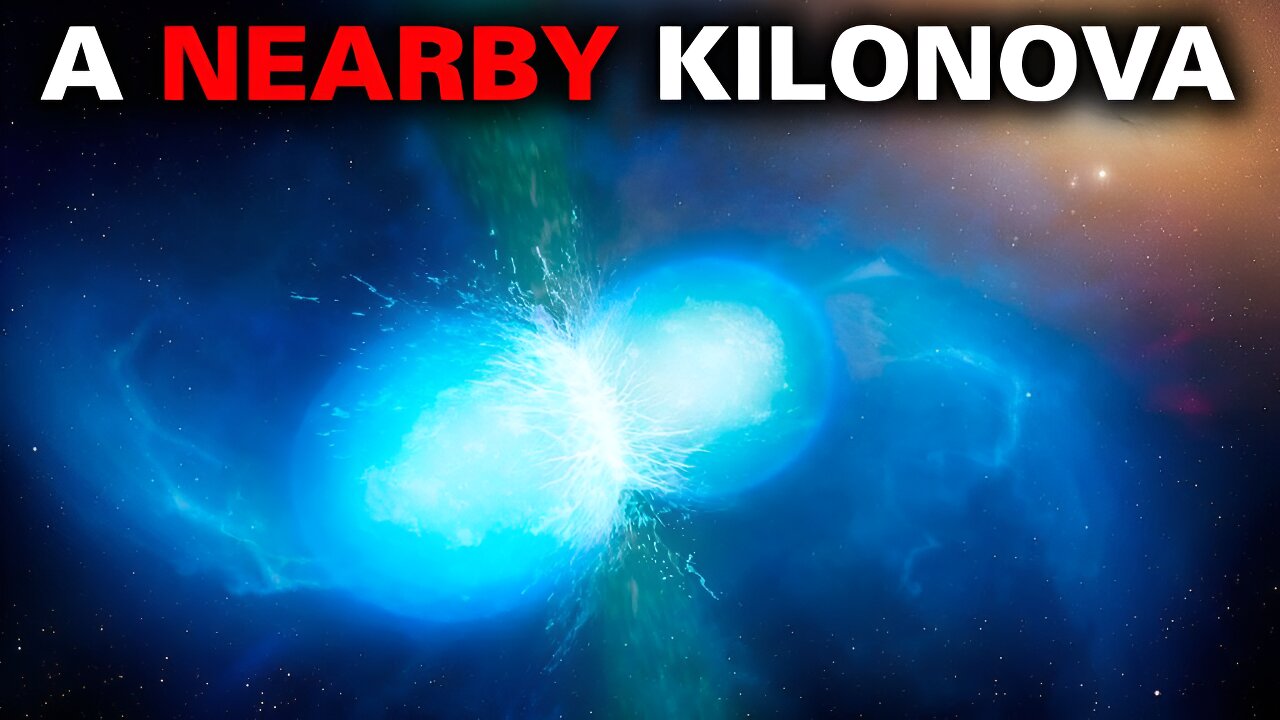
Scientists have discovered evidence of a nearby kilonova event that occurred approximately 3.5 million years ago. The presence of isotopes Fe-60 and Pu-244 in ocean sediments suggests the occurrence of a cataclysmic event, such as the merger of two neutron stars or a neutron star with a black hole. The specific ratio of these isotopes, along with simulations, indicates that the kilonova was located about 500-600 light years away from Earth. While this event did not pose a threat to life on Earth, it serves as a reminder of the potential dangers present in the universe.
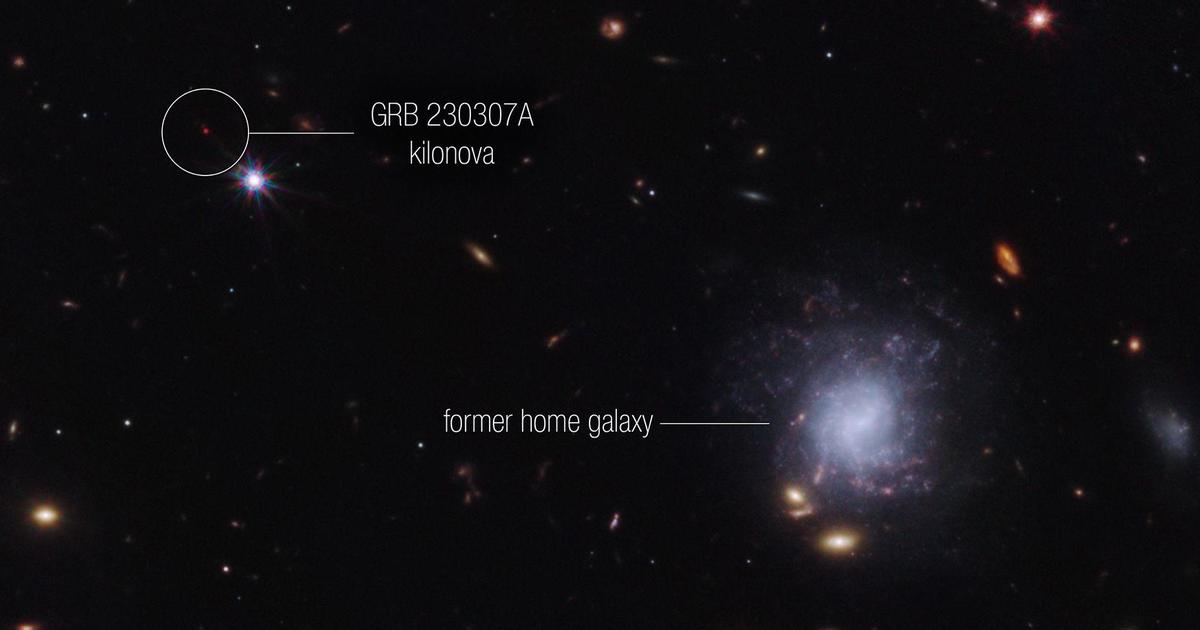
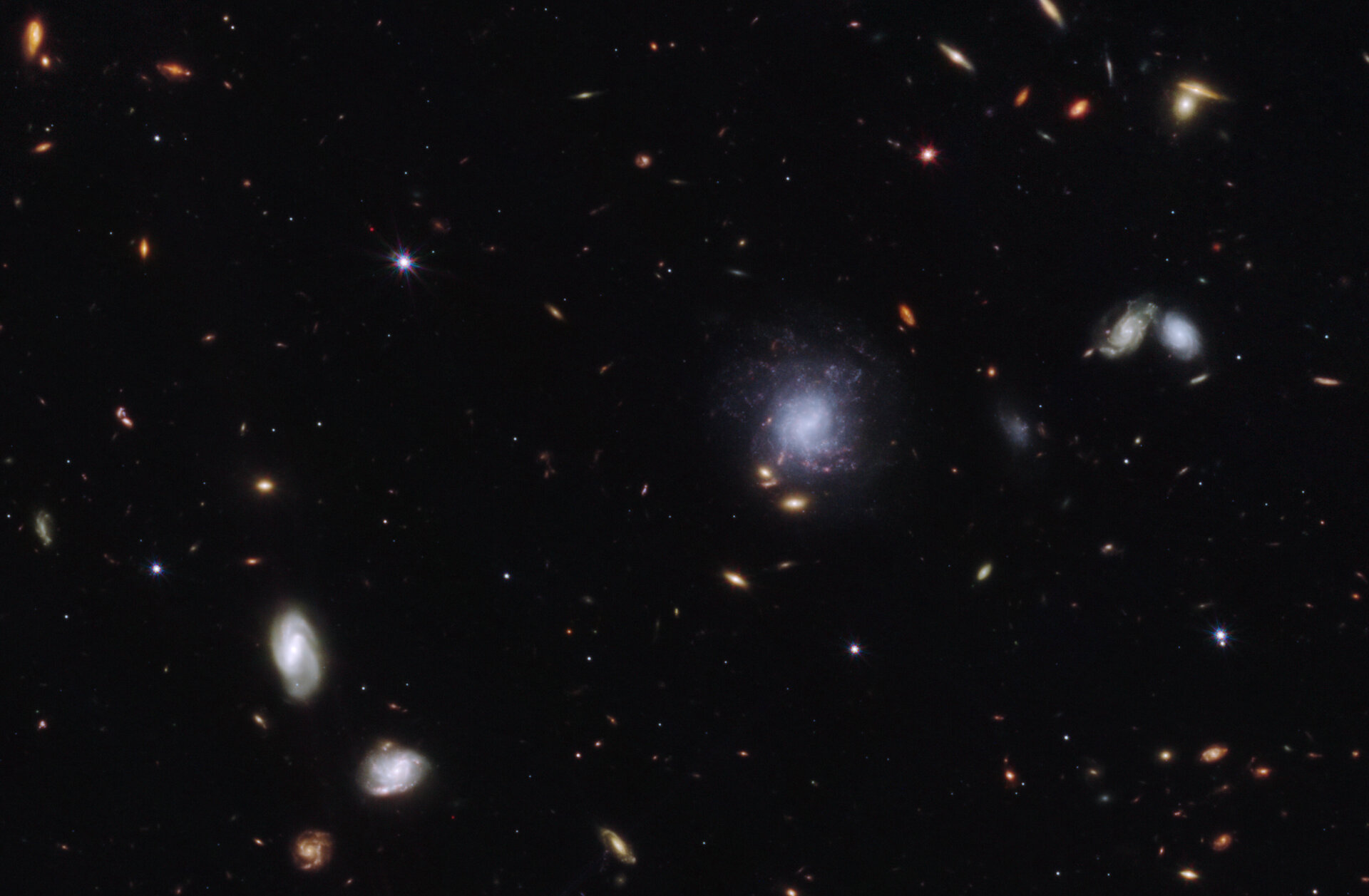
The James Webb Space Telescope and other observatories detected a massive explosion in space, known as GRB 230307A, which was over one million times brighter than the Milky Way Galaxy combined. This explosion, resulting from the merger of two neutron stars, created a rare kilonova and released chemical elements, including tellurium, which is used in various manufacturing processes. The James Webb Space Telescope's ability to study such stellar explosions provides valuable insights into the formation of chemical elements and the evolution of the universe.
The James Webb Space Telescope has made its first detection of a heavy element, tellurium, resulting from a kilonova explosion caused by the merging of two neutron stars. This discovery provides valuable insights into the creation of chemical elements in the universe and opens the door to further advancements in understanding the origins of rare and vital elements. The collaboration of multiple telescopes, both in space and on the ground, allowed scientists to observe and study this rare event, highlighting the importance of complementary observations in unraveling the mysteries of the universe.
The James Webb Space Telescope has detected the chemical element tellurium in the aftermath of a kilonova, an explosion resulting from the merging of two neutron stars. This discovery brings scientists closer to understanding the creation of valuable and life-sustaining elements in the Universe. The observations from multiple telescopes also revealed that the neutron stars responsible for the kilonova were once part of a binary system in a spiral galaxy located 120,000 light-years away. The findings, published in the journal Nature, highlight the transformative capabilities of the Webb telescope in advancing our understanding of the Universe.
An international team of scientists has linked an unusually powerful gamma-ray burst (GRB 211211A) to a kilonova, an event thought to occur when neutron stars collide. The burst, detected from a nearby galaxy, exhibited excess infrared light and produced approximately 1,000 times the mass of the Earth in heavy elements. This discovery supports the idea that kilonovae are the main factories of gold in the universe. The findings have significant implications for future gravitational wave observations and provide insights into the behavior of gamma-ray bursts.