Researchers have discovered a new genetic variant, RAB32 Ser71Arg, linked to Parkinson's disease, shedding light on the evolutionary origin of familial parkinsonism. This discovery provides insight into the molecular cause of the disease and opens doors for better understanding and treatment. The variant interacts with proteins related to early- and late-onset parkinsonism, as well as nonfamilial Parkinson's disease, affecting dopamine levels and regulating specialized autophagy processes. Identifying subtle genetic differences is crucial for understanding the disease and developing targeted treatments, emphasizing the need for more genetic research participation to uncover additional components of Parkinson's.
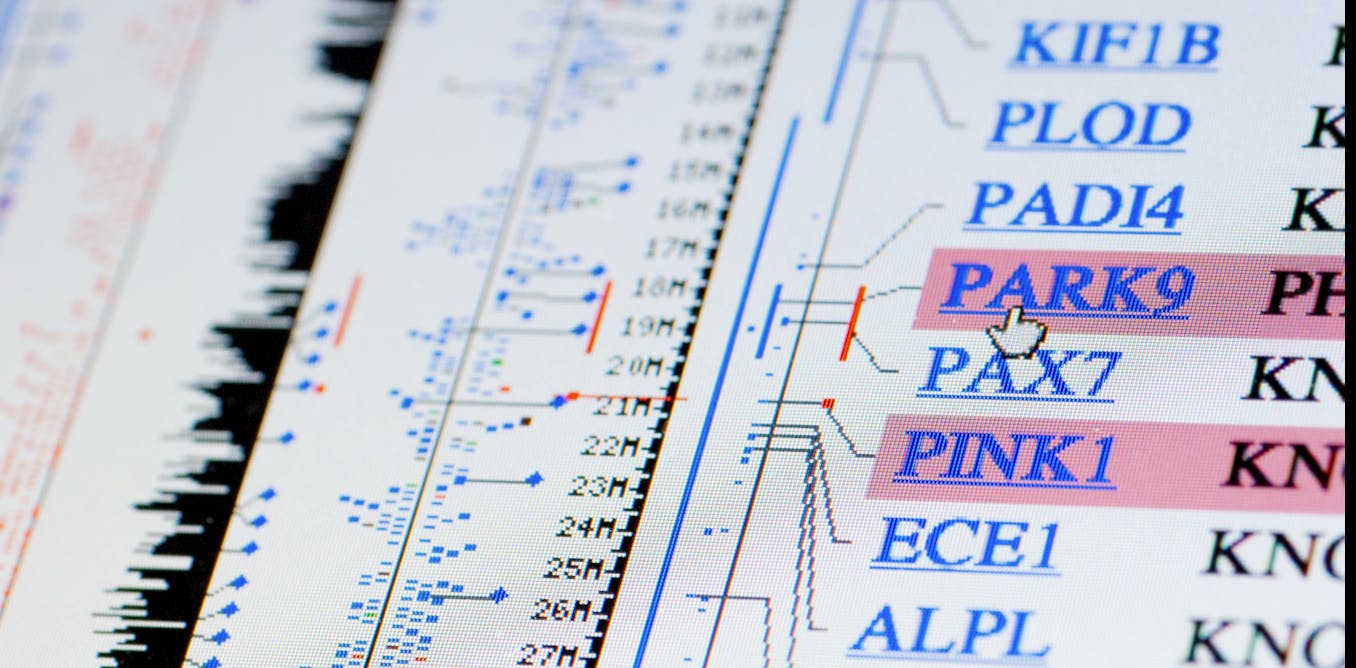
A newly discovered genetic variant, RAB32 Ser71Arg, has been linked to Parkinson’s disease, shedding light on the evolutionary origin of familial parkinsonism and providing insight into the molecular causes of the condition. This discovery may pave the way for better understanding and treatment of the disease, as well as the development of medications to slow or halt its progression. The variant interacts with proteins related to early- and late-onset parkinsonism, as well as nonfamilial Parkinson’s disease, and affects dopamine levels and specialized autophagy processes. Identifying such genetic differences is crucial for understanding the disease and developing targeted treatments.
A groundbreaking clinical study conducted by researchers at Ghent University Hospital in Belgium has shown promising evidence that fecal microbiota transplantation (FMT) could improve symptoms in patients with Parkinson's disease. The study, named the GUT-PARFECT trial, demonstrated that participants who received healthy donor stool transplants showed significant improvement in motor symptoms and experienced less constipation after 12 months. The researchers believe that FMT could be a valuable new treatment for Parkinson's disease and are seeking funding for further research to determine which bacteria have a positive influence, potentially leading to the development of targeted therapies.
A new skin test called Syn-One Test has been developed to detect protein buildup in nerves, indicating Parkinson's disease with 93% accuracy. The test aims to diagnose the disease early, potentially allowing for the initiation of drug treatment to slow its progression. It can also differentiate Parkinson's from other diseases with similar symptoms and is already in use by over 1,200 neurologists in 46 states.
Researchers from Northwestern University found that immune cells in the blood of Alzheimer's patients exhibit epigenetic changes, potentially priming the body to fight the disease. These changes expose genes that could help mount a response inside the brain, implicating the peripheral immune response in Alzheimer's disease risk. The study suggests that epigenetic changes in white blood cells could provide new insights into the progression of the disease and lead to new therapeutic targets.
Mild Cognitive Impairment (M.C.I.) is often a precursor to dementia and can be caused by various factors including neurodegenerative disorders or reversible issues like vitamin deficiencies. It is characterized by more noticeable cognitive problems than expected for one's age, but with a level of independence in day-to-day functioning. Diagnosis can be challenging due to underreporting and difficulty distinguishing between normal forgetfulness and potential signs of M.C.I. Symptoms may include increased reliance on to-do lists and experiencing "telling events" of forgetfulness.
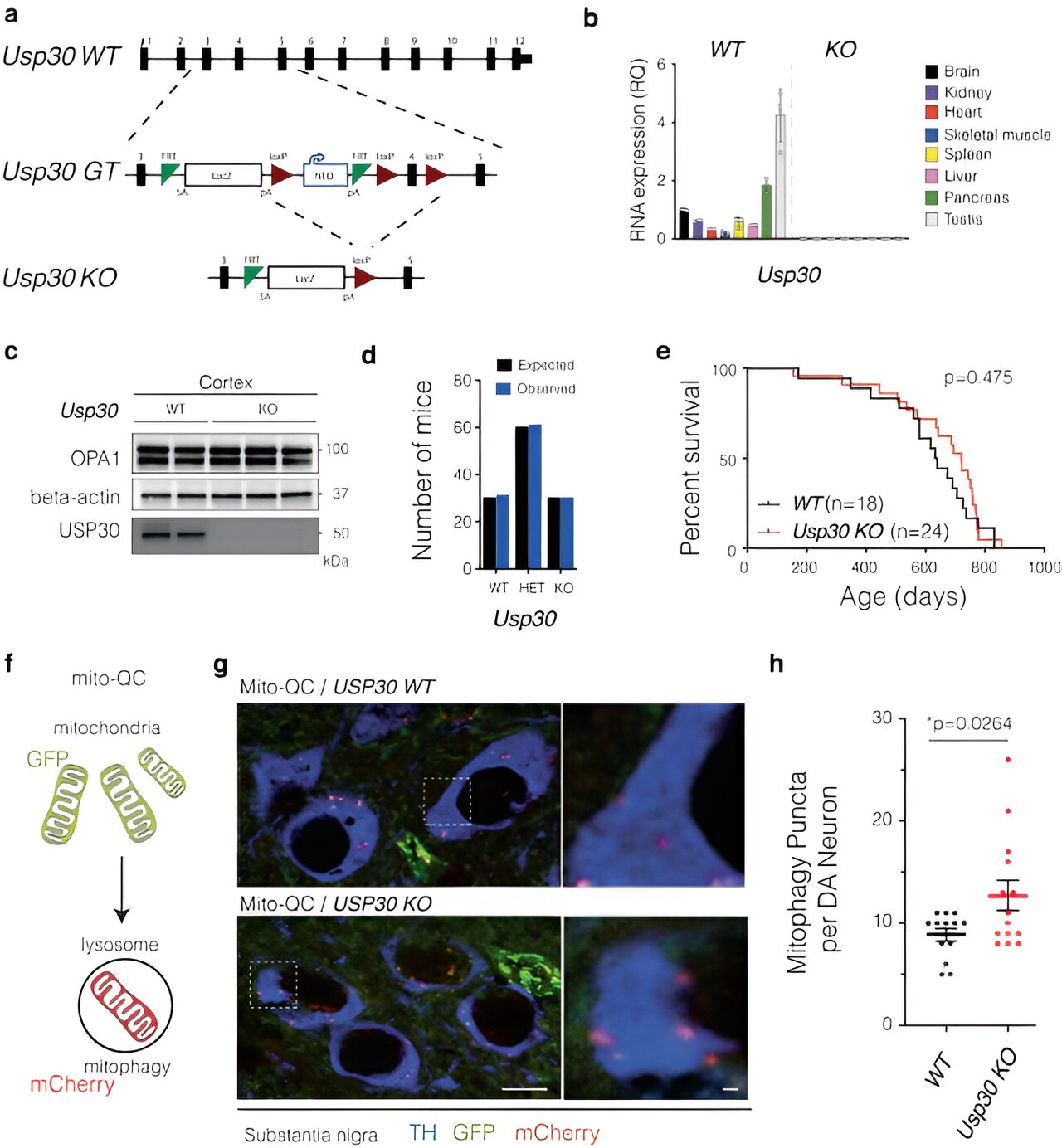
Researchers at Beth Israel Deaconess Medical Center have made significant progress in understanding the progression of Parkinson's disease (PD) by inhibiting a specific enzyme in a mouse model. By targeting the enzyme USP30, which plays a role in the clearance of dysfunctional mitochondria in dopamine-producing neurons, the researchers were able to protect against the loss of these neurons and halt the development of PD-like motor symptoms. These findings offer potential for the development of therapeutics that could slow or prevent the progression of Parkinson's disease in humans.
Exposure to low oxygen may help alleviate symptoms of Parkinson's disease, according to a new report. However, further research is needed to determine the safety and effectiveness of this strategy. Brief periods of exposure to mildly decreased oxygen levels may stabilize hypoxia-inducible factor-1 (HIF-1alpha), a protein that controls cellular responses to oxygen availability. The review of eight studies found that low oxygen protocols did not report safety issues, but the detailed protocols used were unclear. More controlled clinical trials are needed to assess the effects of low oxygen therapies on Parkinson's symptoms and their interaction with other treatments.
A study published in JAMA Network Open found that male athletes who played American football had a 60% higher likelihood of developing Parkinson's disease compared to those who played other sports. The risk increased with longer duration of football play and higher levels of the sport. The study suggests that repetitive head impacts sustained in football may contribute to the development of Parkinson's disease or parkinsonism. However, the study's limitations include a selected group of participants and the inability to establish a cause-and-effect relationship.
Former "Baywatch" star Mike Newman has spoken out about his 16-year battle with Parkinson's disease. Newman, who played lifeguard Mike 'Newmie' Newman on the hit TV series, was diagnosed in 2006 and has since experienced a halt in his plans and dreams. Despite this, he is set to return to the small screen for a four-part docuseries called "Baywatch: The American Dream," where he will share his experiences with Parkinson's. Newman hopes that by sharing his story, he can provide comfort and encouragement to others battling the disease. He also plans to raise funds for Parkinson's research through the docuseries.
A recent study suggests that synaptic dysfunction may be an initial trigger for Parkinson's disease, occurring before the death of dopaminergic neurons. Researchers discovered that the interaction of two genes, PINK1 and parkin, disrupts the function of synapses, leading to the accumulation of toxic oxidized dopamine. This finding opens up new treatment avenues, as targeting the synapses could potentially prevent damage to the neurons and slow the progression of the disease. The study highlights the importance of intervening early, before neurons degenerate, to address synaptic dysfunction in Parkinson's disease.
New research published in Cell Metabolism suggests that time-restricted feeding (TRF), a form of intermittent fasting, may help mitigate circadian disruptions in Alzheimer's disease. The study conducted on mice with Alzheimer's-like conditions found that TRF improved memory, reduced hyperactivity at night, and decreased sleep disruptions. Molecular analyses revealed changes in gene expression patterns associated with Alzheimer's disease and neuroinflammation, as well as a reduction in amyloid protein accumulation in the brains of the mice. While further research is needed to determine the effects in humans, the findings support the potential therapeutic benefits of time-restricted eating in Alzheimer's disease.
Researchers from the Jawaharlal Nehru Centre for Advanced Scientific Research (JNCASR) in Bengaluru have discovered that plant-based polyphenols, such as tannic acid found in trees like Chestnut and Oak, could be a cost-effective strategy for combating Alzheimer's disease (AD). The study found that these polyphenols have the potential to ameliorate ferroptosis, a form of programmed cell death associated with AD, by activating and enhancing the GPX4 pathway. The findings offer new avenues for targeting novel pathways in the development of therapeutics for AD and may inspire the exploration of natural compounds for enhanced efficacy against neurodegenerative diseases.
Scientists from the University of Helsinki have discovered that a compound known as a PREP inhibitor can prevent the build-up of a harmful protein responsible for memory disorders, among other things. The inhibitor reduces Tau accumulation and toxicity in cellular models, including patient-derived neurons from frontotemporal dementia patients. After promising cellular results, PREP inhibitor treatment was also tested in a mouse model of frontotemporal dementia, leading to normal cognitive skills. The results support the further development of PREP-targeting drugs.
Regular exercise may reduce a woman’s chances of developing Parkinson’s disease by as much as 25 percent, according to research published in the journal Neurology. The study involved 95,354 women, who were an average of age 49 and did not have Parkinson’s when the study began. As a woman’s exercise level increased, her risk for Parkinson’s decreased. Parkinson’s disease is a neurodegenerative disorder that affects the nervous system and parts of the body controlled by nerves.