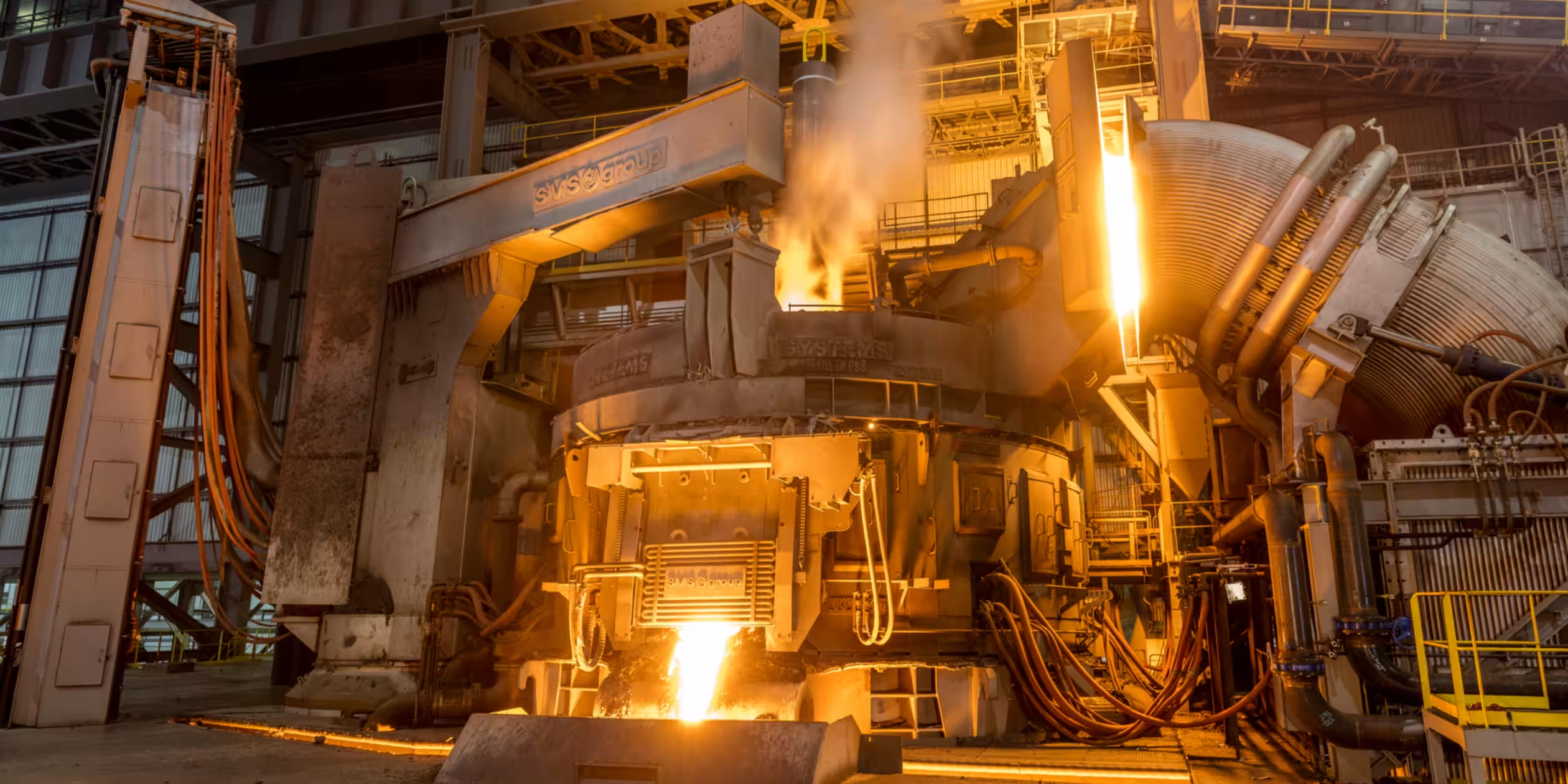
Nippon Steel plans to mass-produce high-grade steel specifically for US data centers, aiming to support the growing demand for advanced infrastructure in the tech sector.
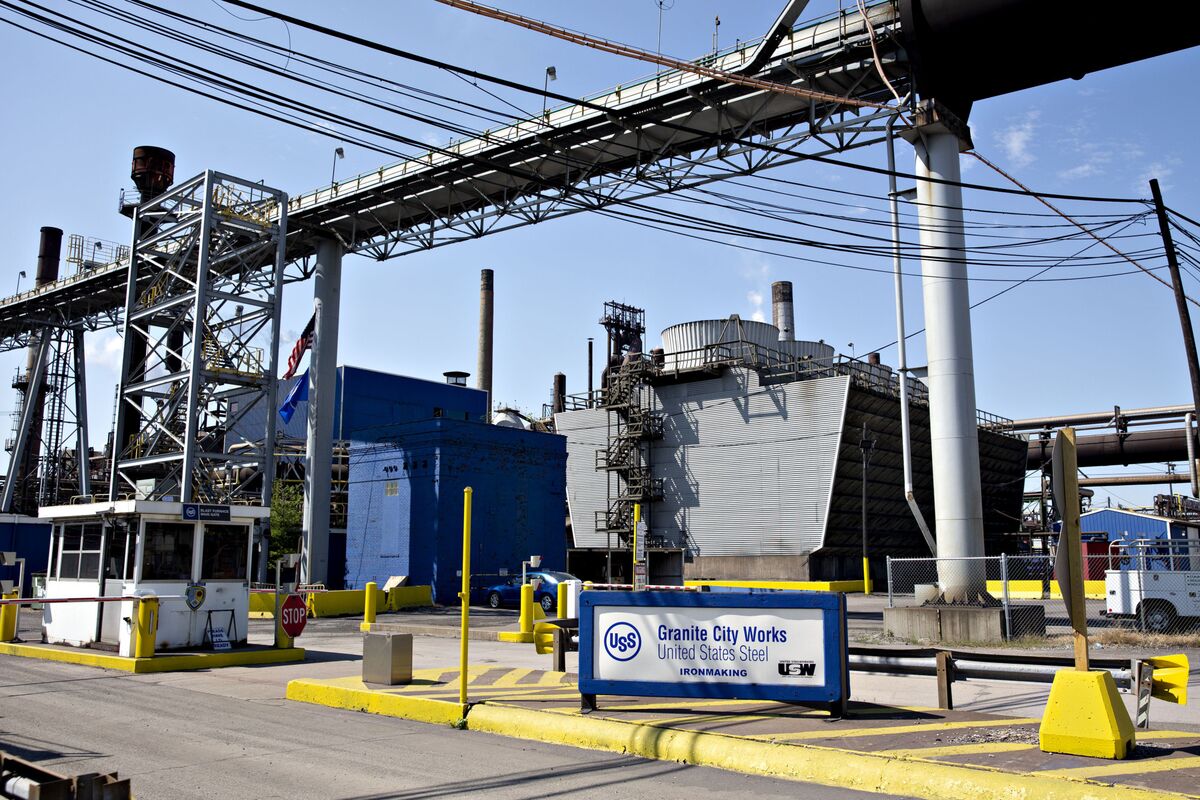
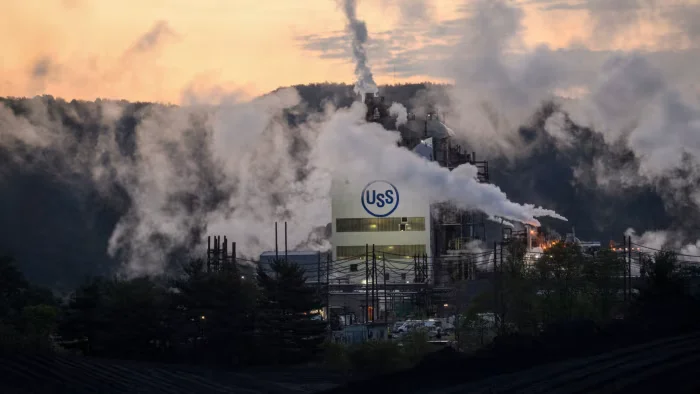
The White House intervened to prevent US Steel from shutting down processing at its Illinois plant, citing national security concerns linked to a deal with Nippon Steel, and indicated it would exercise its 'golden share' authority to keep the plant operational.
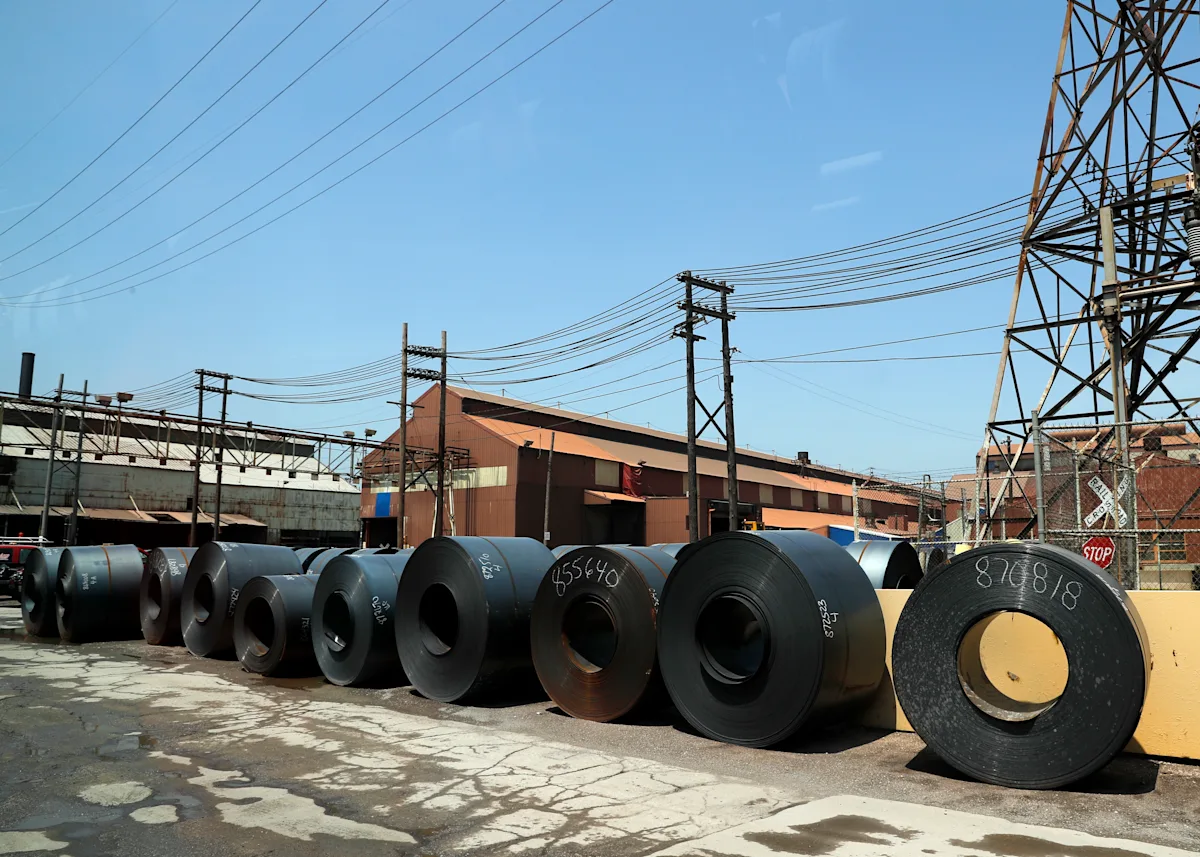
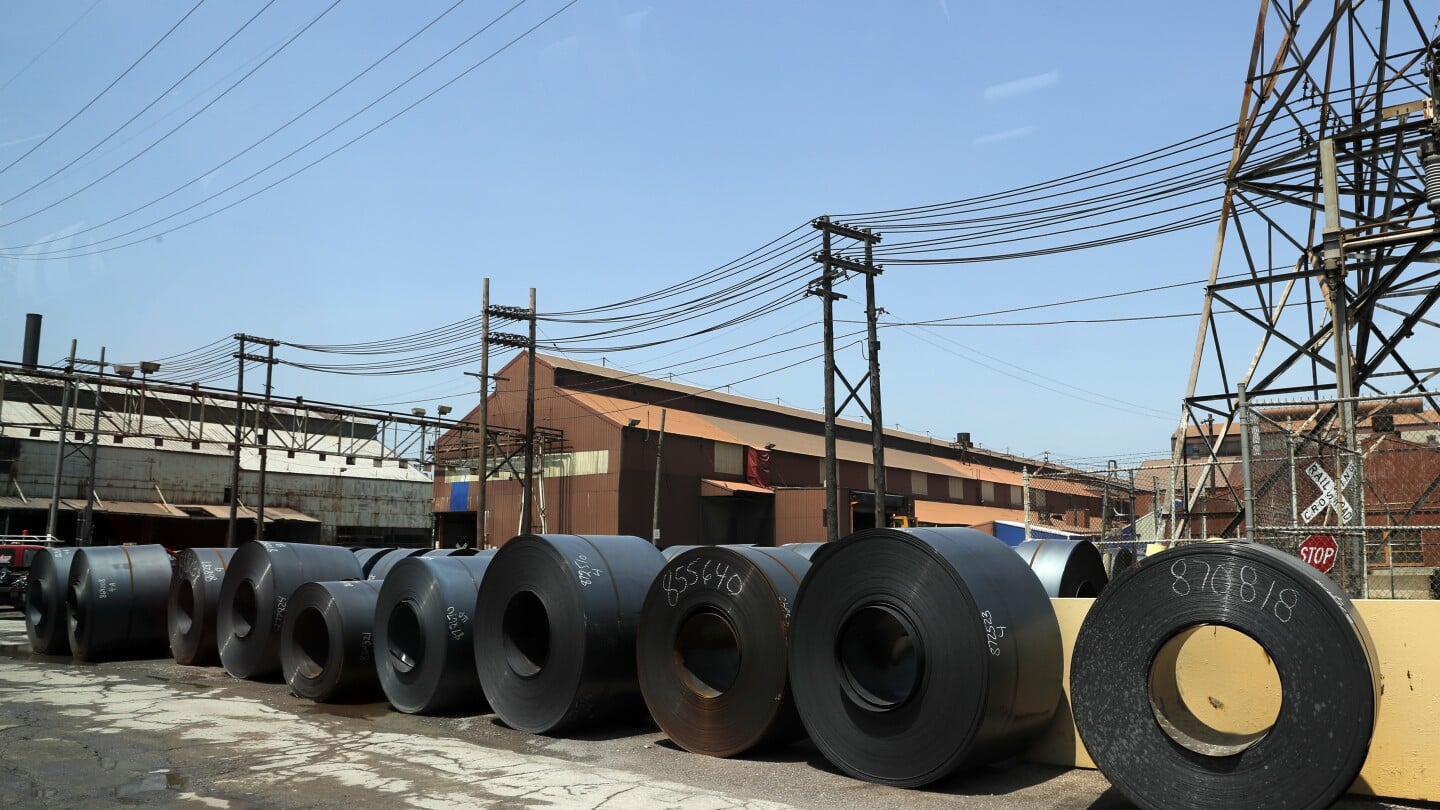
The White House intervened to prevent US Steel from shutting down its Granite City Works plant in Illinois, citing a national security agreement with Nippon Steel that allows the government to influence key decisions. US Steel had initially planned to cease processing steel at the plant but reversed course after the intervention, though the details of their solution remain undisclosed. The move underscores ongoing government involvement in domestic steel industry decisions under the security agreement.
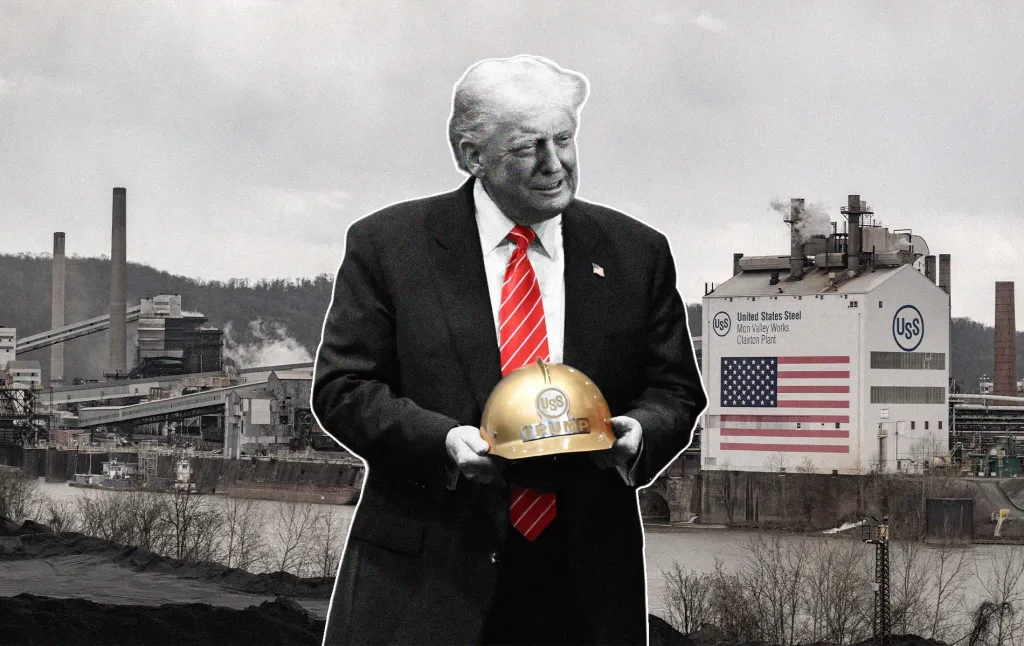
President Trump has used his 'golden share' authority to block U.S. Steel's plans to shut down a plant in Illinois, overriding the company's decision and demonstrating increased government influence over private industry decisions, especially in strategic sectors like steel.
The US government blocked US Steel's plan to cease production at its Illinois plant, using a 'golden share' scheme linked to Nippon Steel's takeover, ensuring continued operation and supply of slabs, amid political and economic negotiations.
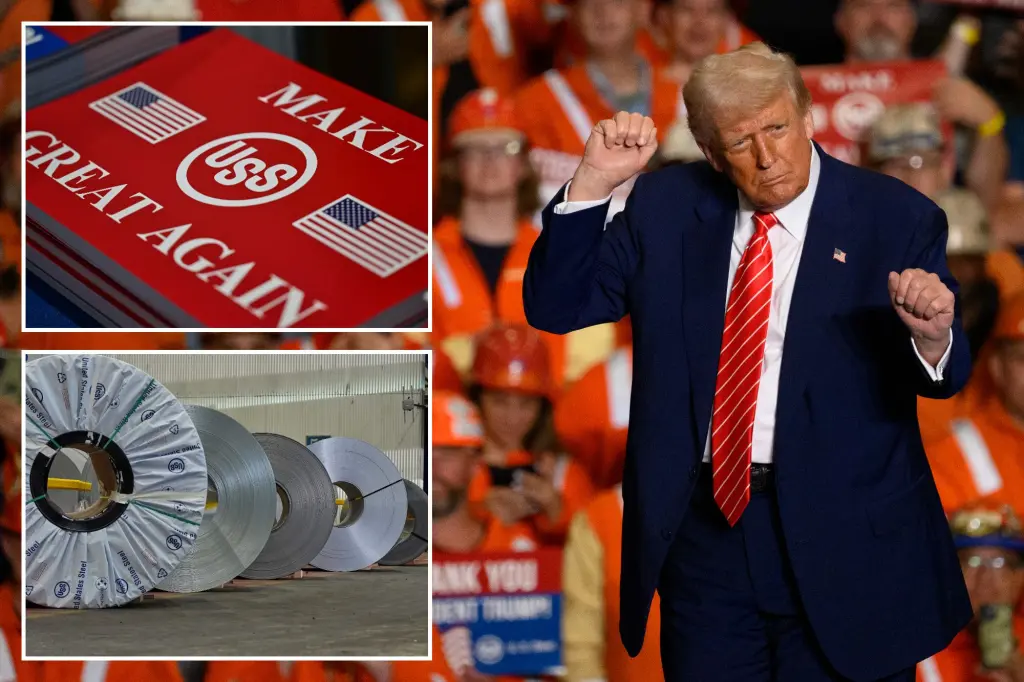
The U.S. government, under President Trump, approved the sale of U.S. Steel to Japanese company Nippon Steel with a 'golden share' that grants the U.S. certain control rights, raising questions about government intervention in foreign investment and corporate sovereignty.
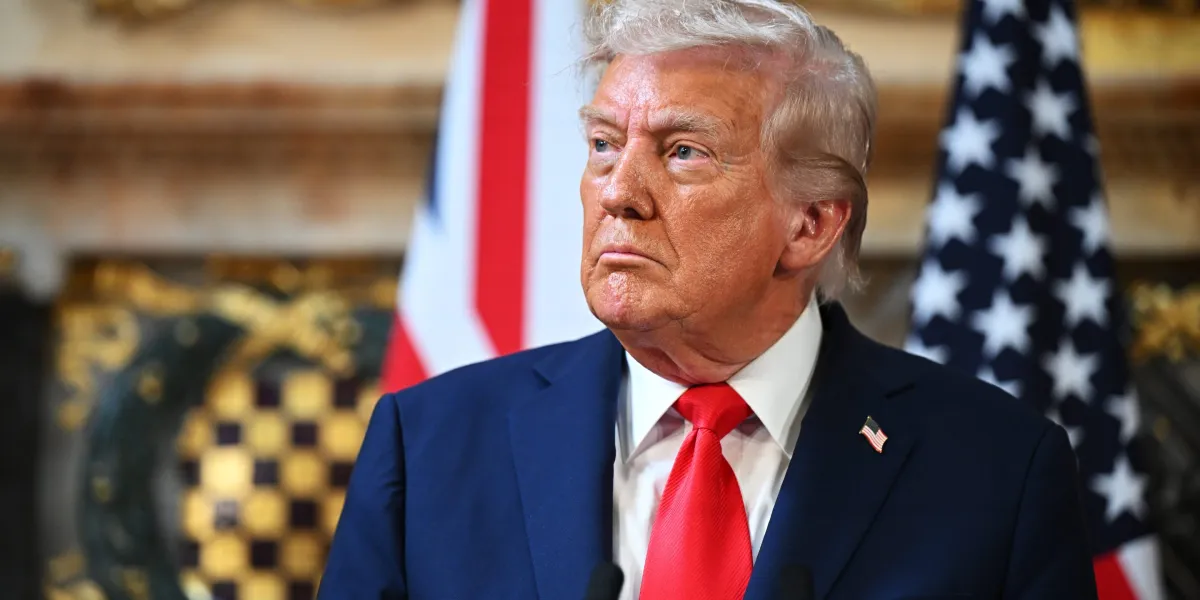
President Trump used a rare 'golden share' mechanism to give the U.S. government oversight over the Japanese-owned U.S. Steel, aiming to protect national security interests amid foreign investment concerns. This practice, common in Europe and Asia, allows the government to influence key decisions without full control, and could serve as a model for U.S. industrial policy. Nippon Steel's acquisition includes a perpetual 'golden share' granting Washington powers to block certain business decisions, reflecting a broader trend of increased government oversight in strategic sectors.
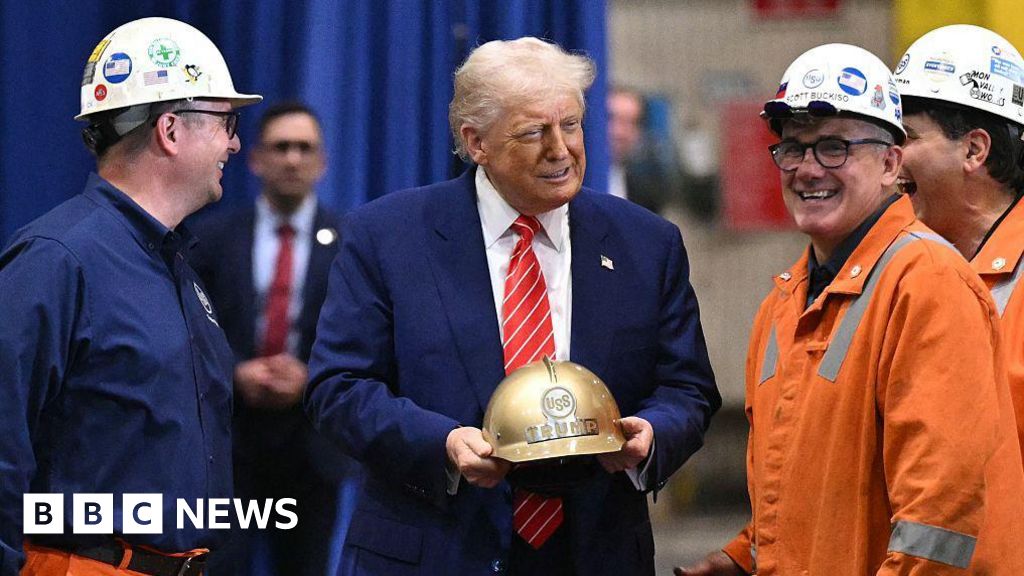
President Trump approved the sale of U.S. Steel to Nippon Steel, but only after securing extensive government controls through a 'golden share' that grants the U.S. government veto power over major decisions, effectively nationalizing the company and raising concerns about government intervention in private industry.
Nippon Steel has completed its $14.1 billion acquisition of U.S. Steel, including commitments for $11 billion in new investments and a national security agreement with the U.S. government, potentially setting a precedent for future foreign takeovers of sensitive U.S. assets.
Nippon Steel has completed a $14.2 billion acquisition of U.S. Steel, including a 'golden share' arrangement that gives the U.S. government influence over key decisions, marking a significant deal in the global steel industry and raising discussions about government control and national security.
Nippon Steel completed its $14.9 billion acquisition of US Steel, with the deal notably including a national security agreement that grants the US government, under President Trump, significant control including a golden share and veto rights over key decisions, amid political and union opposition. The deal aims to expand Nippon Steel's US presence and capacity, amidst a complex political backdrop involving national security concerns and presidential influence.
Nippon Steel completed its $14.9 billion acquisition of US Steel, facilitated by a unique national security agreement with the Trump administration that grants the US government a 'golden share' allowing veto power over key decisions, marking an unusual level of government control in the deal.
Japanese firm Nippon Steel completed its $14.9 billion acquisition of US Steel after securing US government approval by making concessions, including investments and maintaining US operations, amid concerns over foreign control and national security. The deal aims to create a major steel producer in the US, protect jobs, and keep US Steel's headquarters in Pittsburgh.
Nippon Steel has finalized a nearly $15 billion deal to acquire U.S. Steel, creating the world's fourth-largest steelmaker, after addressing national security concerns through a 'golden share' provision and expanding capital commitments to U.S. Steel facilities.
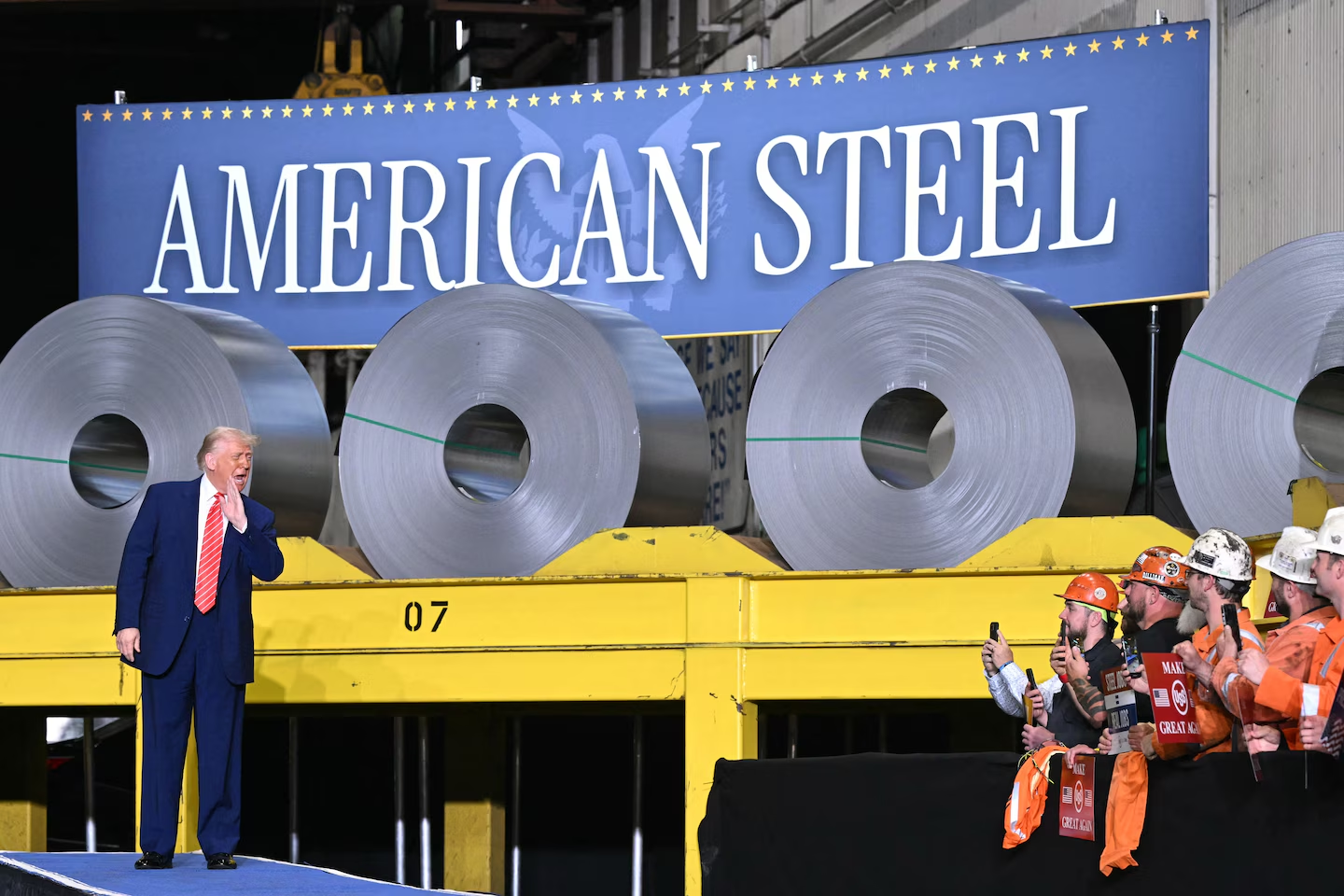
Nippon Steel has completed its $15 billion acquisition of US Steel after securing approval from President Trump, who was persuaded by commitments to invest $11 billion in the US company and a government veto power through a 'golden share'. The deal, which faced political opposition during the US presidential campaign, aims to strengthen the American steel industry and protect jobs, with US Steel's headquarters remaining in Pennsylvania and key leadership positions held by US citizens.