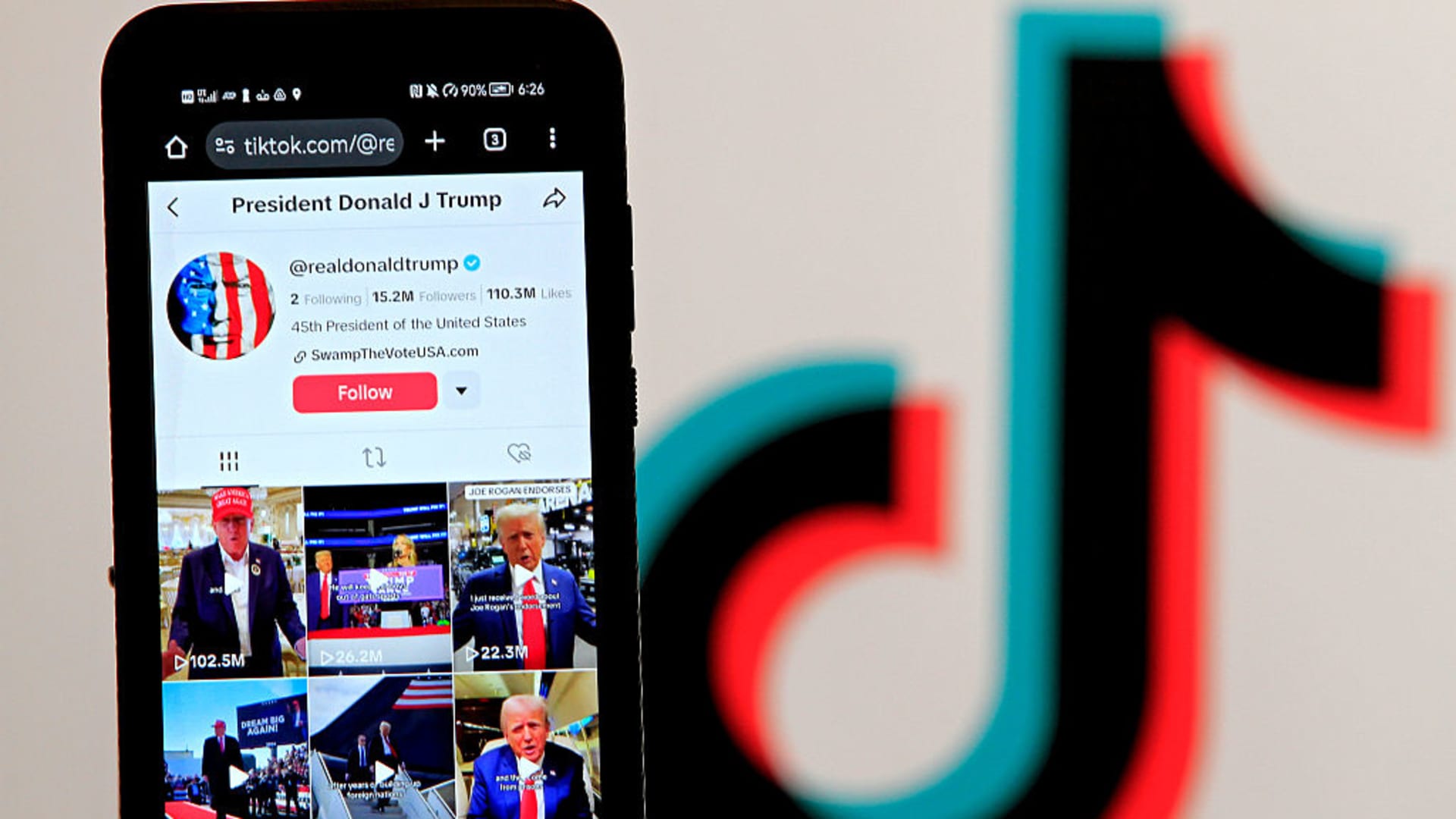
The White House announced a preliminary deal allowing TikTok to operate in the U.S. without the government taking an equity stake or 'golden share,' with TikTok's U.S. operations to be controlled by Americans and overseen by Oracle, as President Trump prepares to sign an executive order supporting the deal and extending the deadline for TikTok's divestment or ban.
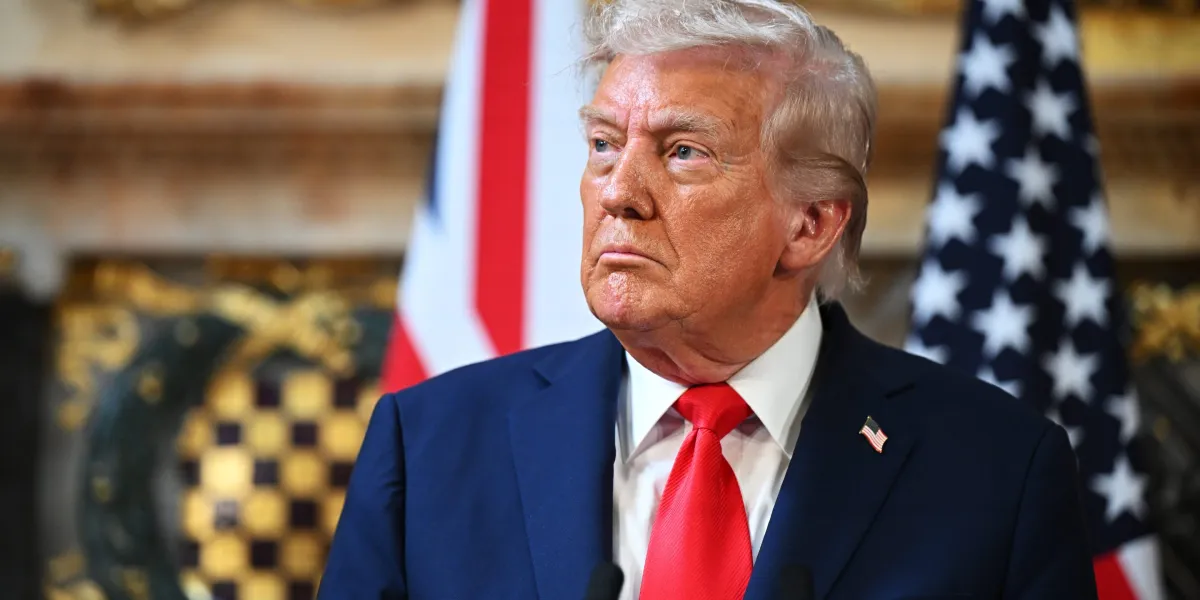
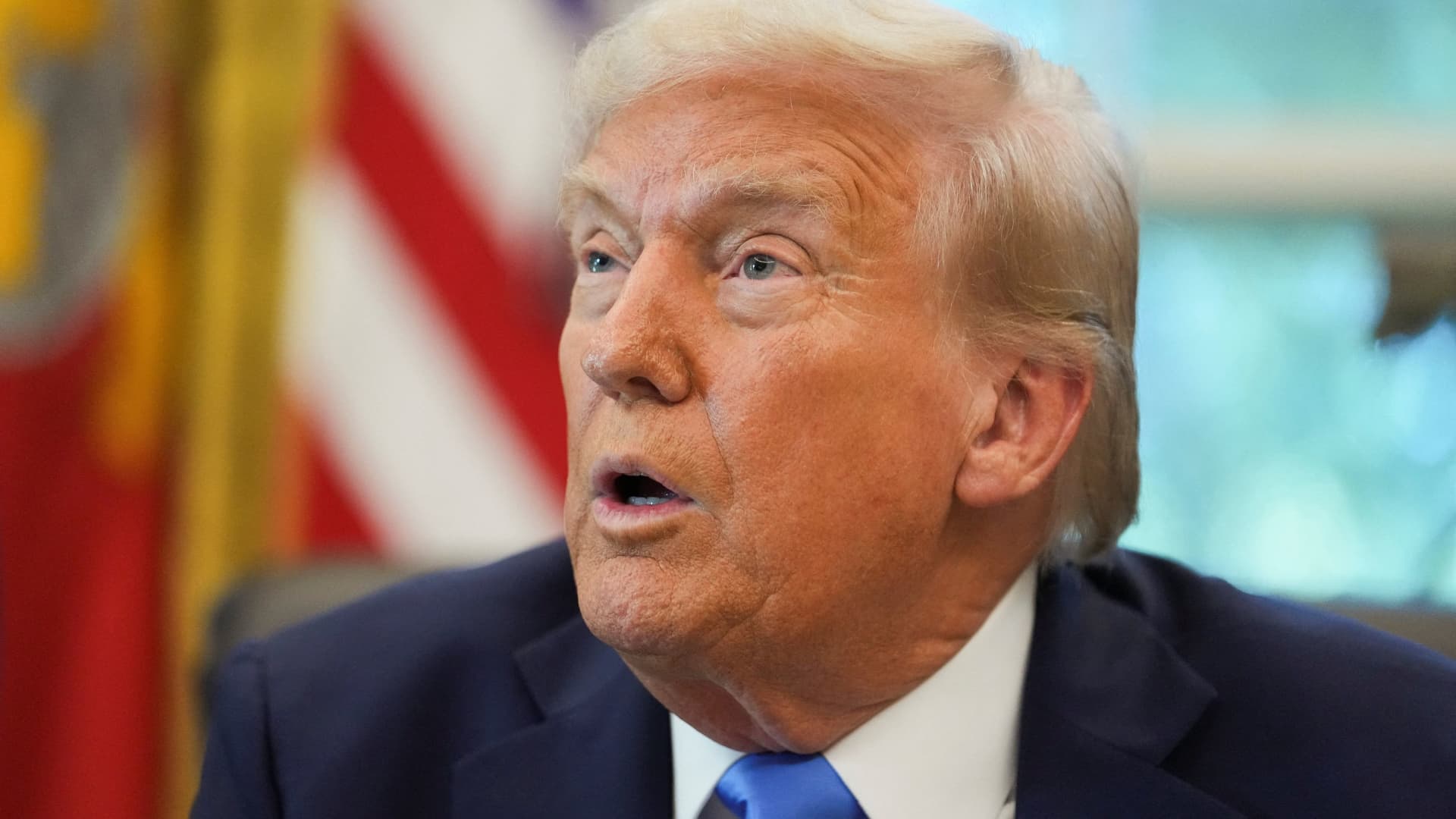
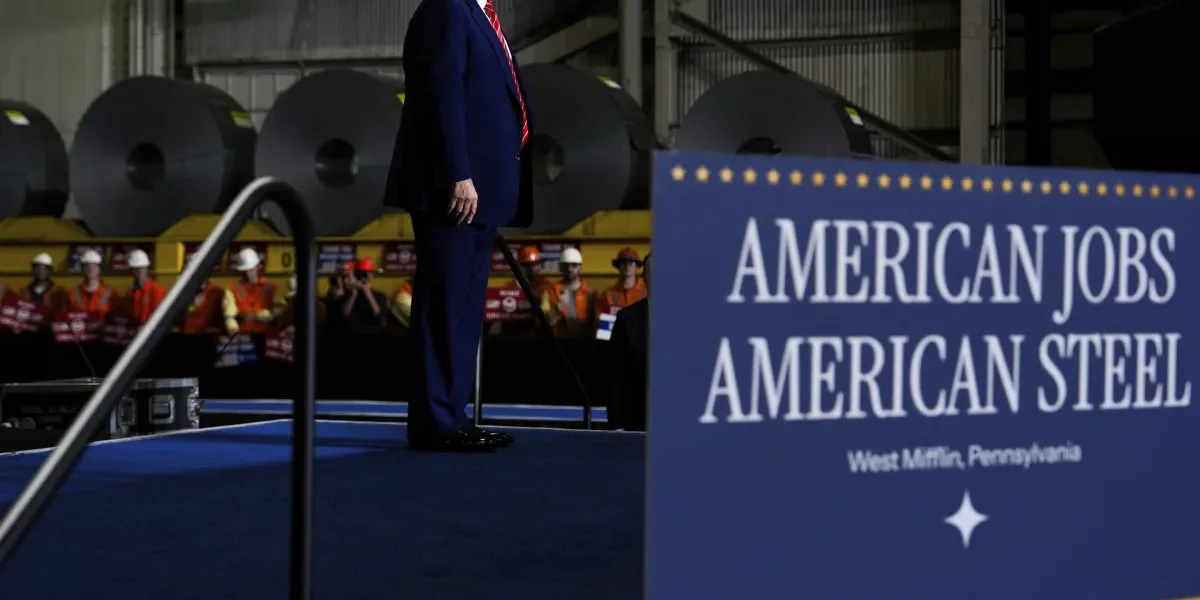
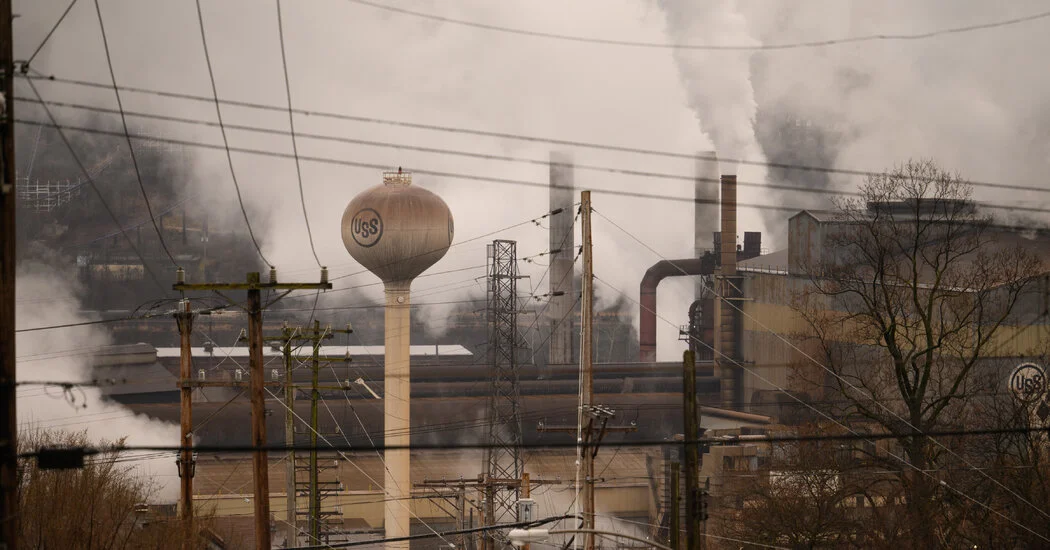
President Trump has used his 'golden share' authority to block U.S. Steel's plans to shut down a plant in Illinois, overriding the company's decision and demonstrating increased government influence over private industry decisions, especially in strategic sectors like steel.
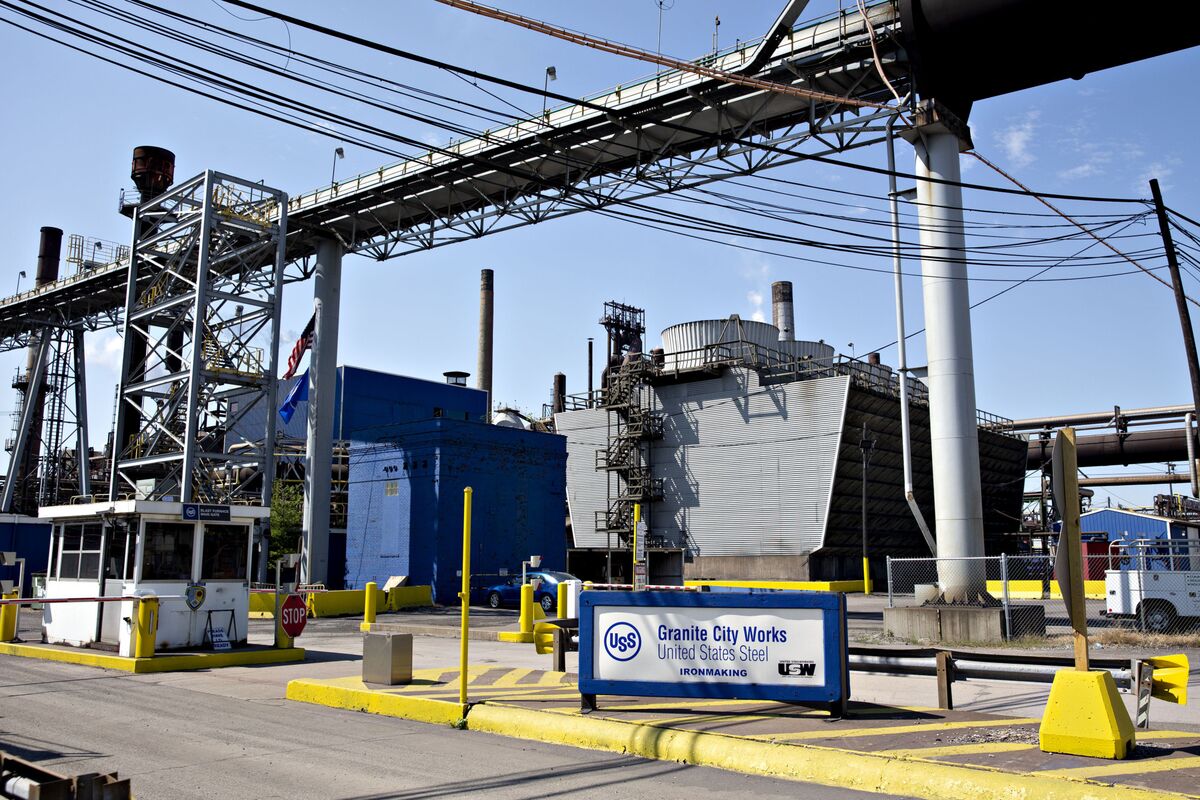
The Trump administration used its 'golden share' rights to prevent U.S. Steel from shutting down its Granite City plant, exercising powers from a national-security agreement linked to Nippon's $14.1 billion takeover, highlighting increased government influence in private sector decisions.
The US government blocked US Steel's plan to cease production at its Illinois plant, using a 'golden share' scheme linked to Nippon Steel's takeover, ensuring continued operation and supply of slabs, amid political and economic negotiations.
The U.S. government, under President Trump, approved the sale of U.S. Steel to Japanese company Nippon Steel with a 'golden share' that grants the U.S. certain control rights, raising questions about government intervention in foreign investment and corporate sovereignty.
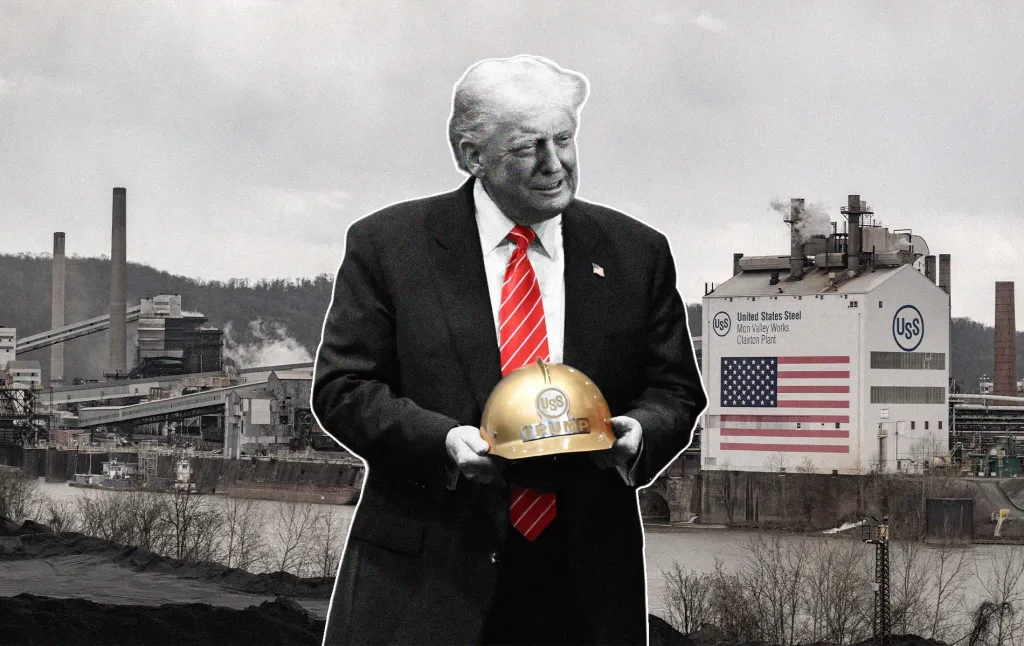
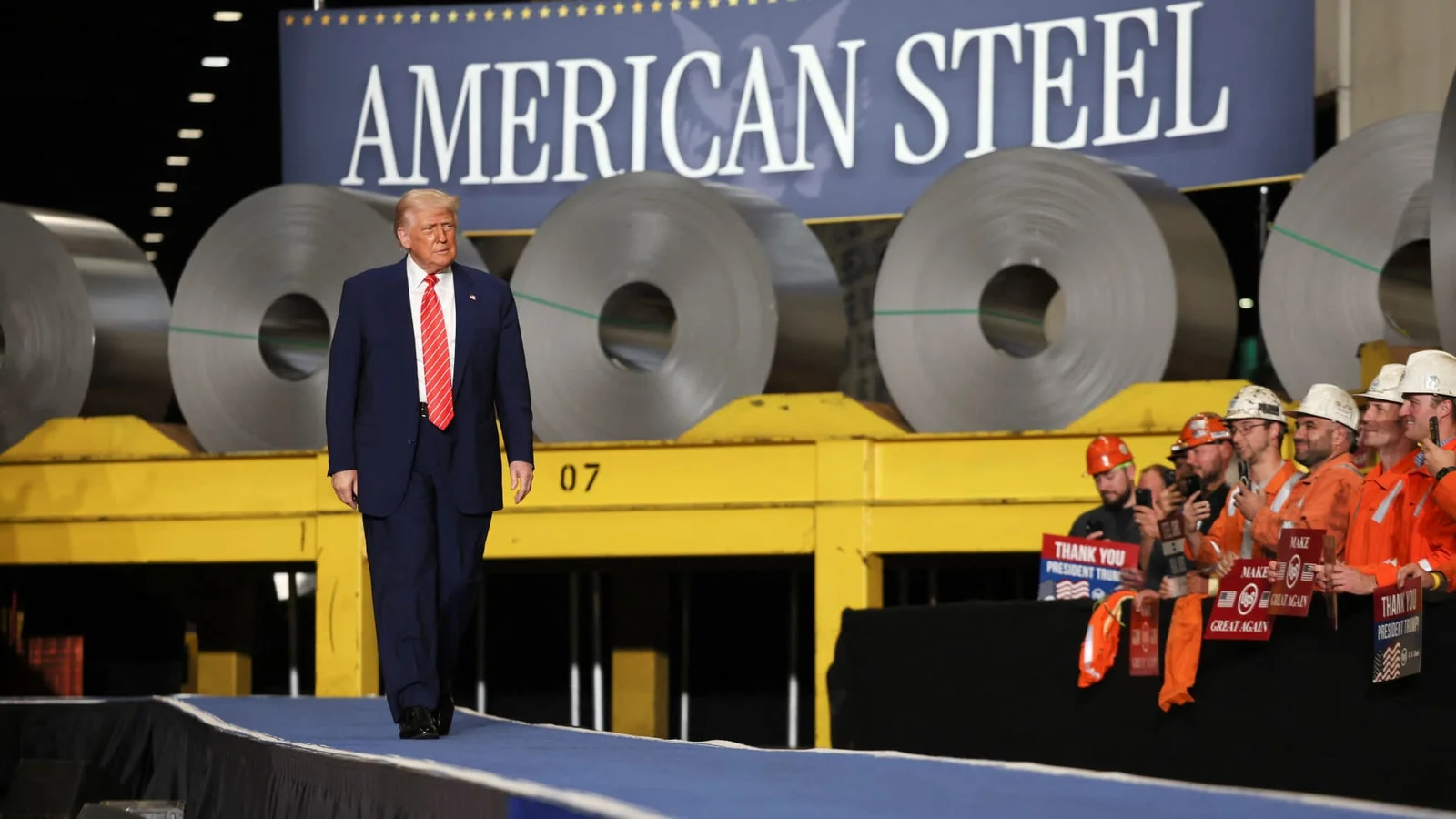
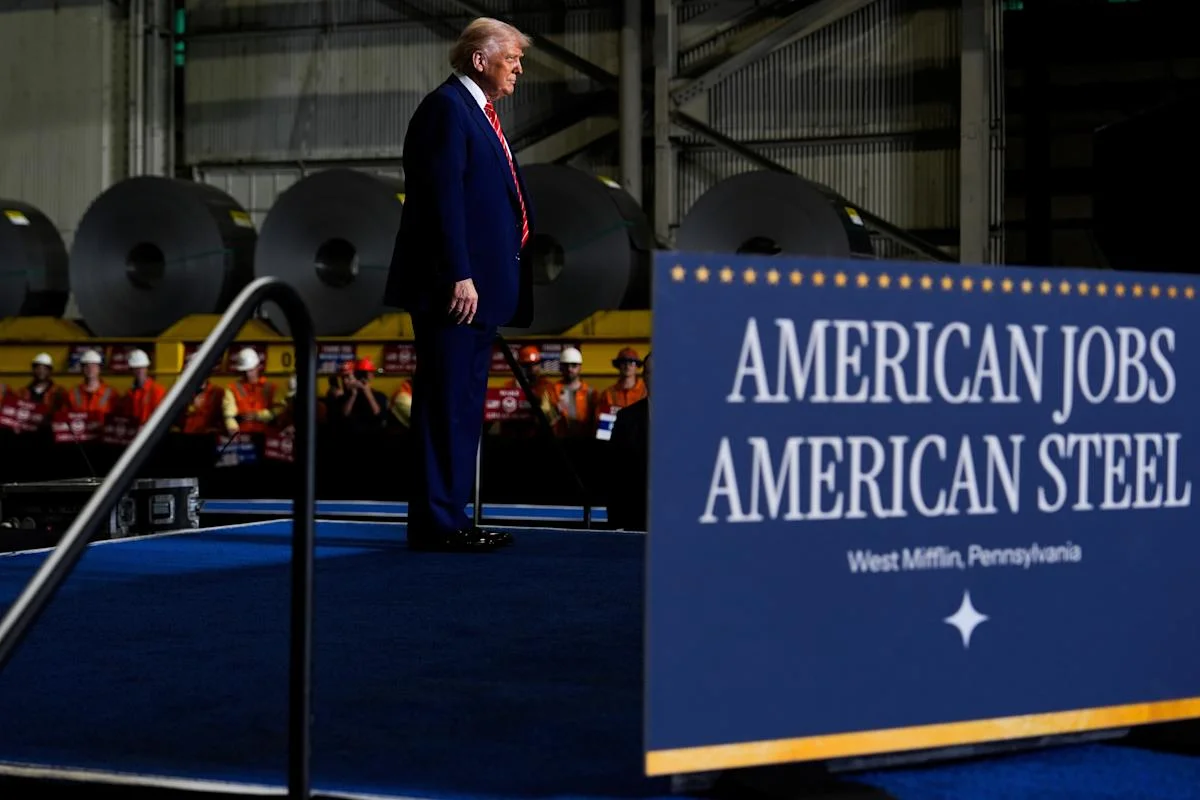
President Donald Trump has gained sweeping veto power over U.S. Steel's decisions through a 'golden share' in the company, which he personally controls. This arrangement allows him to block major business decisions until he leaves office, after which the veto power will transfer to the Treasury and Commerce Departments. The move is part of a national security agreement related to the merger with Nippon Steel, raising concerns about the extent of presidential influence over corporate decisions.
President Trump used a rare 'golden share' mechanism to give the U.S. government oversight over the Japanese-owned U.S. Steel, aiming to protect national security interests amid foreign investment concerns. This practice, common in Europe and Asia, allows the government to influence key decisions without full control, and could serve as a model for U.S. industrial policy. Nippon Steel's acquisition includes a perpetual 'golden share' granting Washington powers to block certain business decisions, reflecting a broader trend of increased government oversight in strategic sectors.
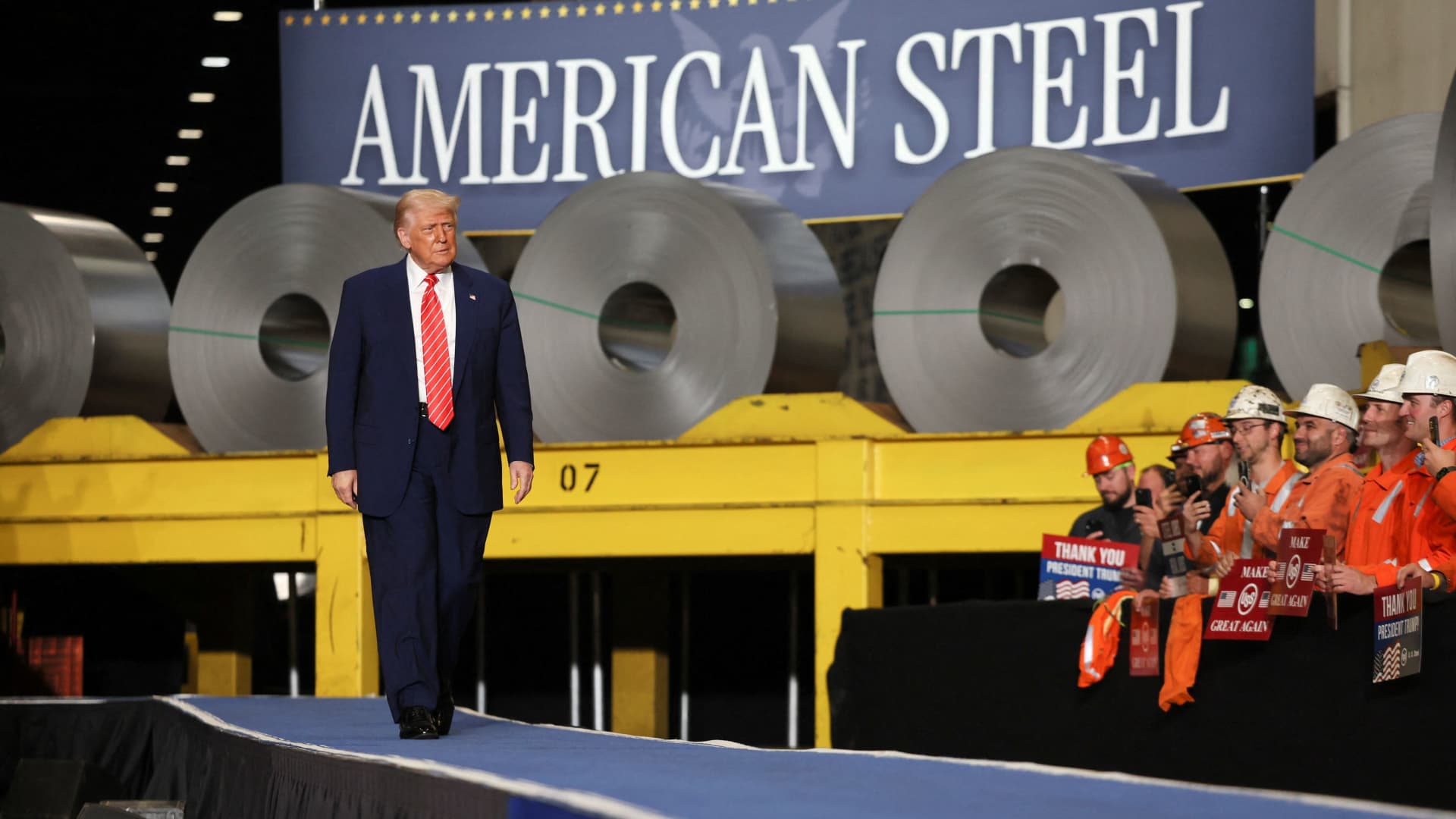
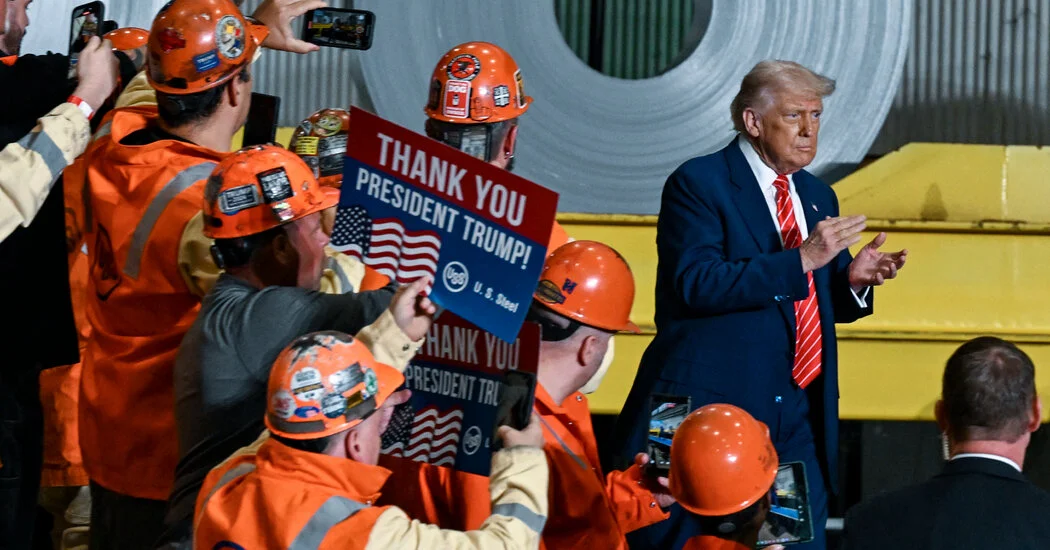
President Trump approved the sale of U.S. Steel to Nippon Steel, but only after securing extensive government controls through a 'golden share' that grants the U.S. government veto power over major decisions, effectively nationalizing the company and raising concerns about government intervention in private industry.
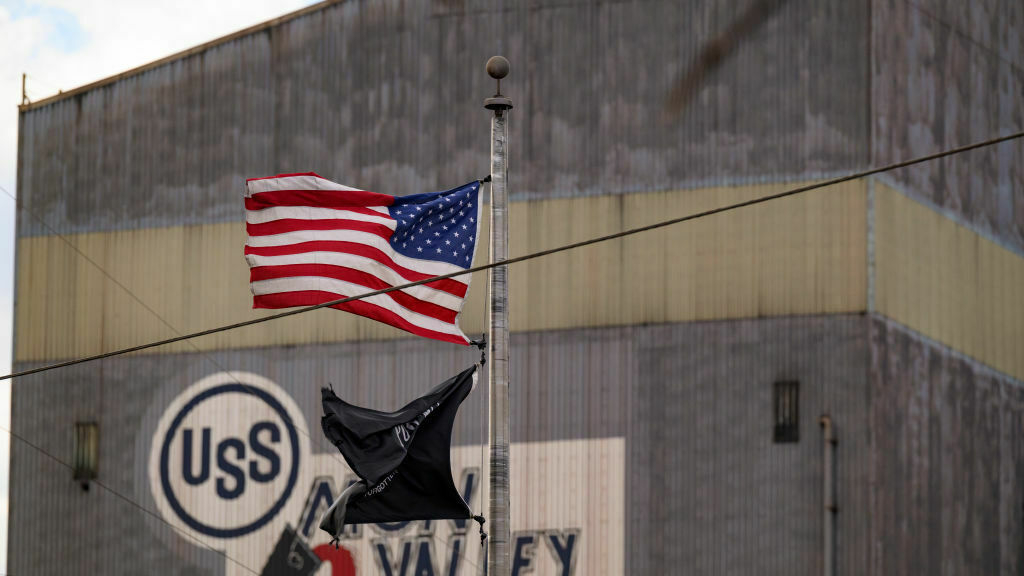
Nippon Steel completed its $14.9 billion acquisition of US Steel, facilitated by a unique national security agreement with the Trump administration that grants the US government a 'golden share' allowing veto power over key decisions, marking an unusual level of government control in the deal.
U.S. Steel's shares rose after President Trump approved its merger with Japan's Nippon Steel, which includes a unique 'golden share' giving the U.S. government significant control over the company's decisions, with the deal now finalized following the signing of a national security agreement.
The Trump administration revealed details of a 'golden share' arrangement giving the U.S. government significant control over U.S. Steel amid Nippon Steel's nearly $15 billion bid to acquire the company, with implications for national security, investment, and labor relations.
The Trump administration has outlined a plan involving an 'investment' by Nippon Steel in U.S. Steel, including a 'golden share' that grants the U.S. government significant control over the company's operations, amid concerns from the steelworkers' union and ongoing negotiations over the deal's terms.
The Trump administration revealed details of a deal involving Nippon Steel's nearly $15 billion bid to acquire US Steel, with the US government holding a 'golden share' that grants significant control, including veto power over major decisions, raising concerns from the union about ownership and job security.
Japan's Nippon Steel agreed to a 'golden share' arrangement with U.S. Steel, granting the U.S. government, under President Trump, significant influence and veto power over the company, potentially setting a precedent for foreign investment in the U.S.
The $14 billion deal between U.S. Steel and Nippon Steel is under scrutiny as President Trump claims the U.S. will hold a 'golden share' in the company, potentially giving the government significant control over corporate decisions, raising questions about the future of foreign investment and corporate sovereignty.