TSMC, the world's largest contract chipmaker, reported a Q4 revenue of T$1,046.08 billion ($33.05 billion), surpassing forecasts and increasing 20.45% year-over-year, driven by rising interest in AI applications.
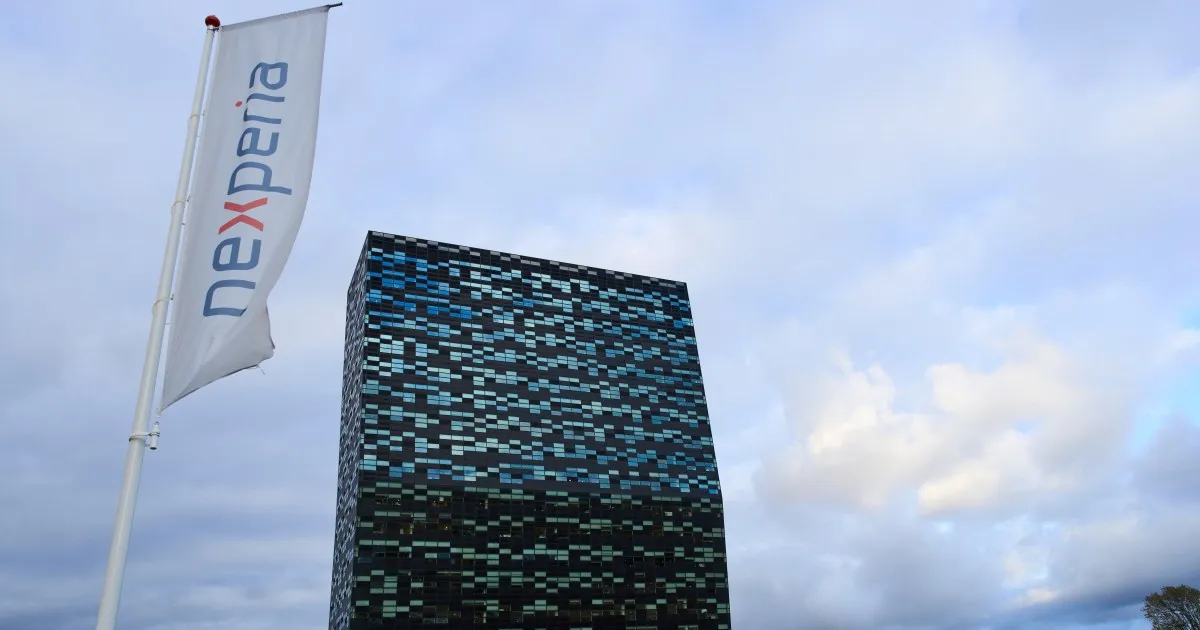
China has demanded the Netherlands reverse its control measures over Chinese-owned chipmaker Nexperia, accusing the Dutch government of causing a crisis in global supply chains by blocking decisions and imposing restrictions, amid ongoing tensions over the company's management and ownership issues.
Nvidia, a leading AI chipmaker, continues to experience robust demand for its GPUs used in AI training and inference, with recent record revenues and optimistic forecasts suggesting the company could reach a $10 trillion market cap by 2030, amid a vast and uncertain AI market opportunity.
Jay Goldberg, a Wall Street analyst, remains bearish on Nvidia despite its massive stock gains and the AI boom, citing concerns over potential overinvestment, energy consumption, and historical parallels to the dot-com bubble, making him the sole sell-rated analyst among many bullish on the company.
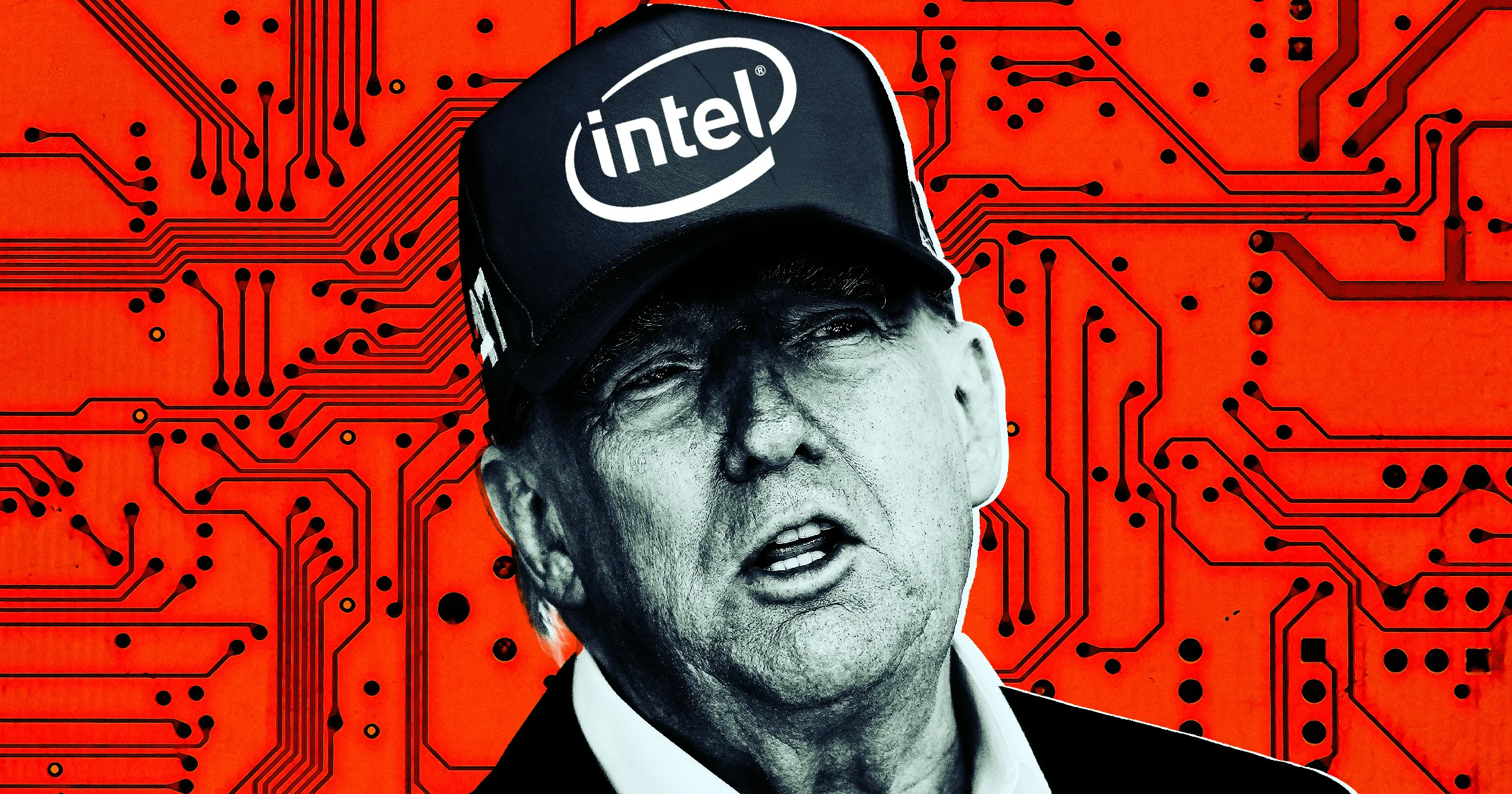
The Trump administration's investment in Intel has contributed to a significant stock increase of over 90% since August, and the company reported higher-than-expected revenue, indicating progress but still a long way to regain industry dominance.
The Netherlands seized a Chinese-owned chipmaker following a US ultimatum concerning the company's Chinese chief, highlighting tensions over technology and national security.
The Dutch government has taken control of the Chinese-owned chipmaker Nexperia, indicating a significant move in the regulation of foreign technology companies within the Netherlands.
Advanced Micro Devices (AMD) stock has increased by 36% year-to-date, highlighting strong investor interest and positive market performance, with future prospects likely to be influenced by ongoing developments in the semiconductor industry.
Intel's stock has surged over 50% in the past month, increasing the U.S. government's stake value to approximately $16 billion after an investment deal in August, amid ongoing talks with AMD and other market developments.
Intel has approached Apple about potential investment and collaboration, as CEO Lip-Bu Tan secures significant investments to revitalize the chipmaker, according to Bloomberg.
Broadcom CEO Hock Tan expressed optimism about the company's AI revenue prospects, expecting significant growth in fiscal 2026 driven by new customer demand for AI accelerators, amidst a generally strong financial performance and ongoing AI industry growth.
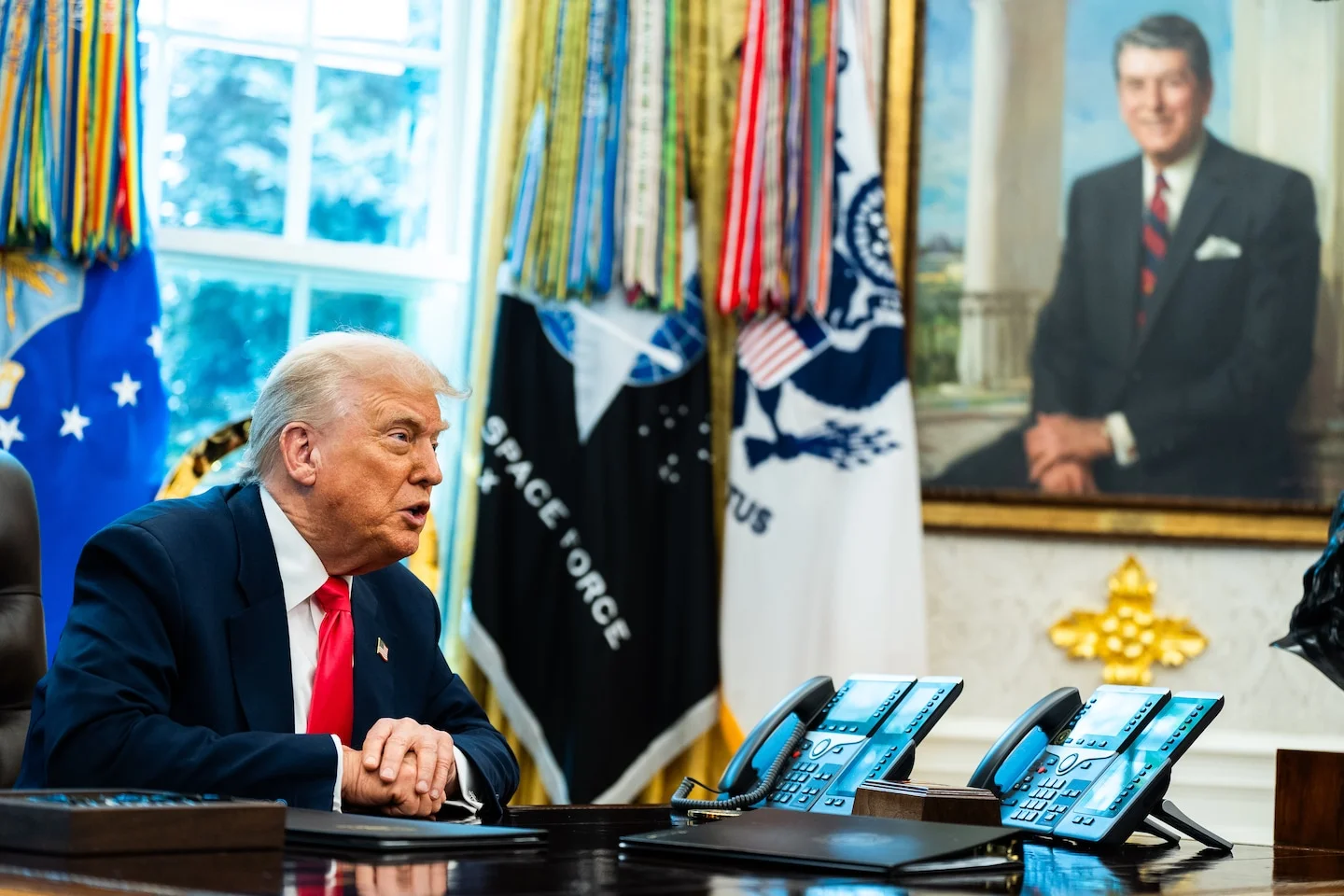
President Trump has directed the US government to buy a 10% stake in Intel, a move seen as a form of industry nationalization and criticized across the political spectrum, especially given Intel's recent financial struggles and the contrast with Nvidia's success. The move has sparked concerns about government overreach and socialism, with some critics warning it sets a dangerous precedent for government control over private industry.
President Trump claimed that the CEO of Intel agreed to give the U.S. government $10 billion, which he compared to 10% of the company's value, suggesting a partnership with the United States.
President Trump announced that Intel has agreed to give the US government a 10% equity stake in the company, marking a rare instance of government ownership in a major American corporation, aimed at revitalizing Intel and ensuring American dominance in the chip industry.