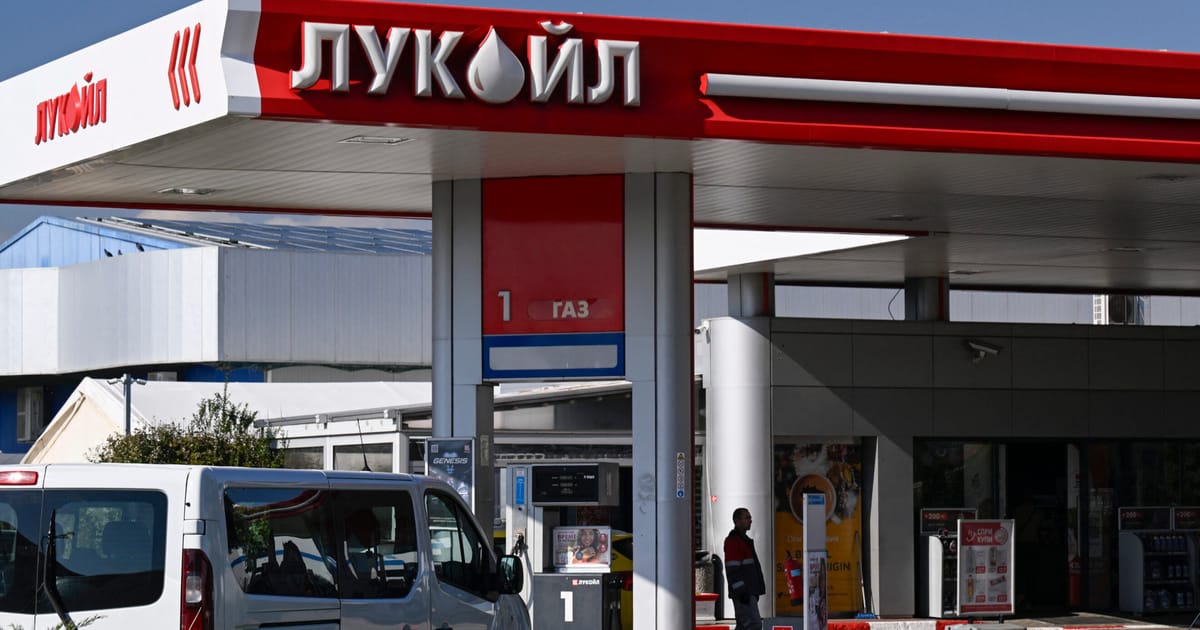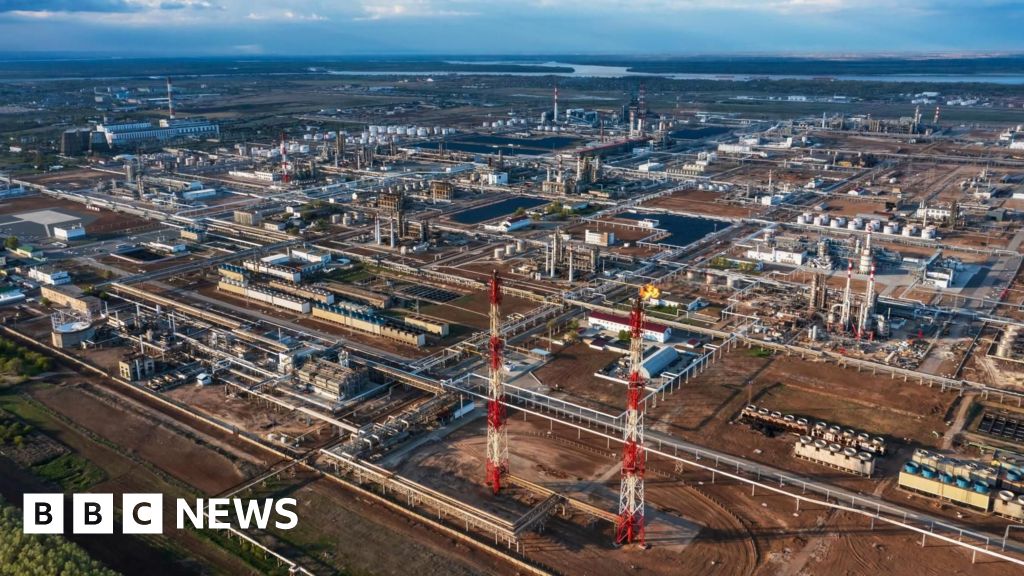
The U.S. Treasury has rejected a bid led by Xtellus Partners to acquire Lukoil's assets, citing restrictions on the use of sanctioned securities, despite the bid being favored by Lukoil. The assets, valued at around $22 billion, include oil and gas projects and filling stations across multiple regions. The group plans to escalate their offer and seek a license to access the securities, as negotiations continue with a deadline extended to January 17.
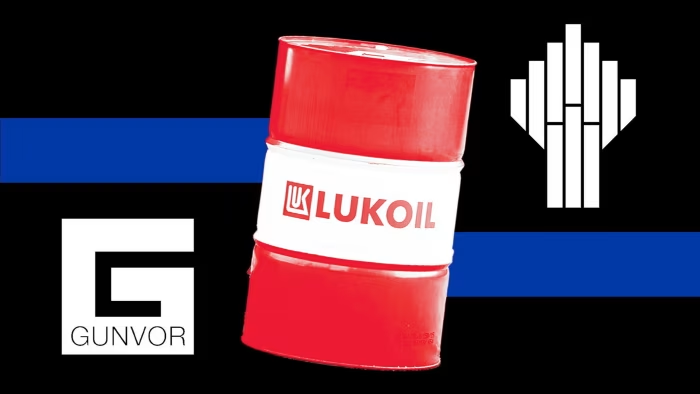
Lukoil faces a crisis after the US blocked its deal with Gunvor due to sanctions, risking a €14bn asset loss and raising the possibility of a takeover by Rosneft, as the company’s international expansion is halted and domestic prospects are limited.
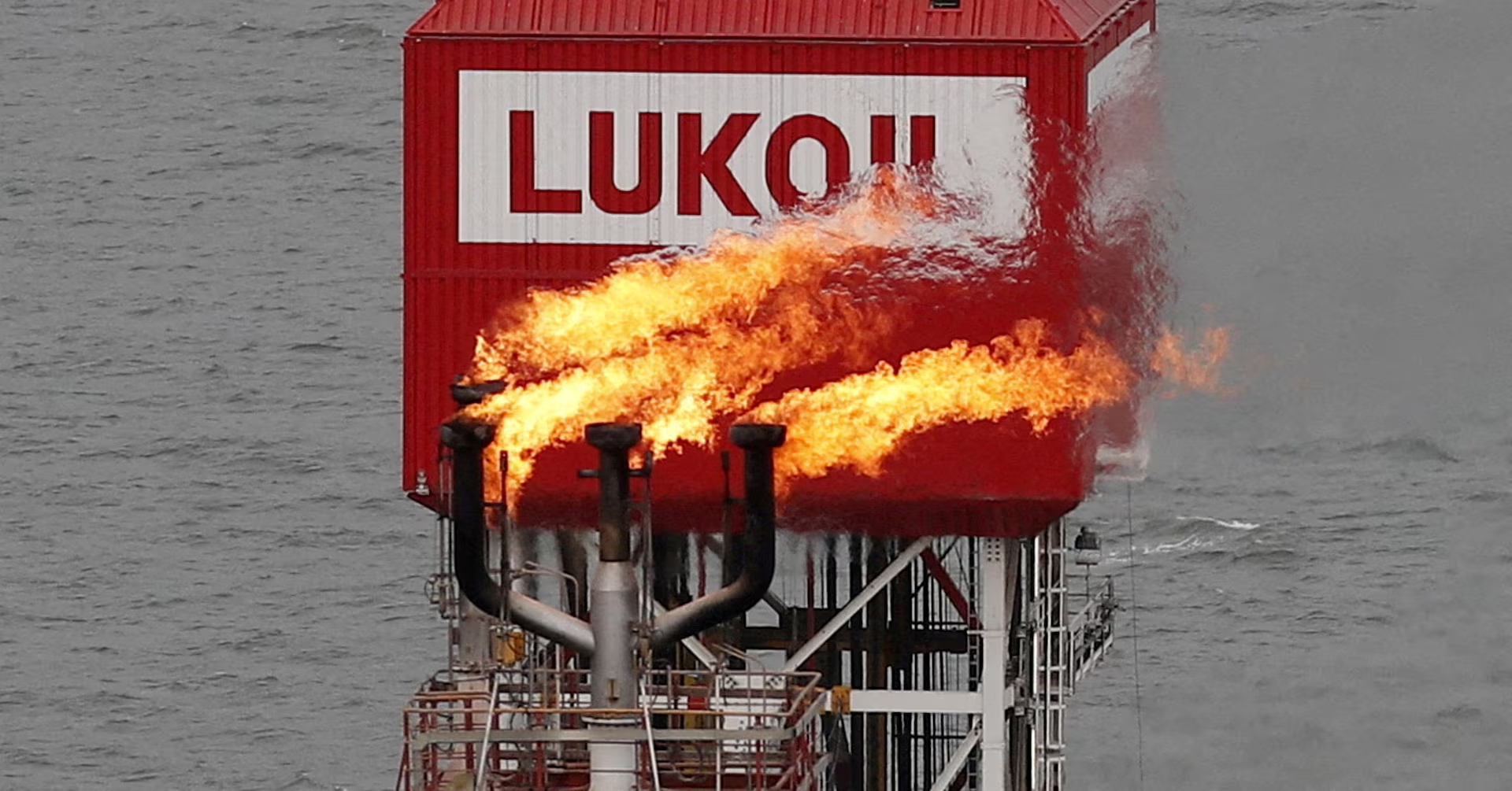
Lukoil has declared force majeure at its West Qurna-2 oil field in Iraq due to U.S. sanctions, halting its operations and risking a complete exit if unresolved within six months, amid failed asset sales and broader energy sector instability.
Lukoil declared force majeure on oil shipments from its West Qurna 2 field in Iraq due to US sanctions, impacting its international operations and leading to canceled cargoes, with the field's operatorship transferred to Iraqi firms to maintain production.
Lukoil has declared force majeure at Iraq's West Qurna-2 oilfield due to US and UK sanctions disrupting its operations, leading to halted payments and potential exit from the project if issues persist beyond six months.
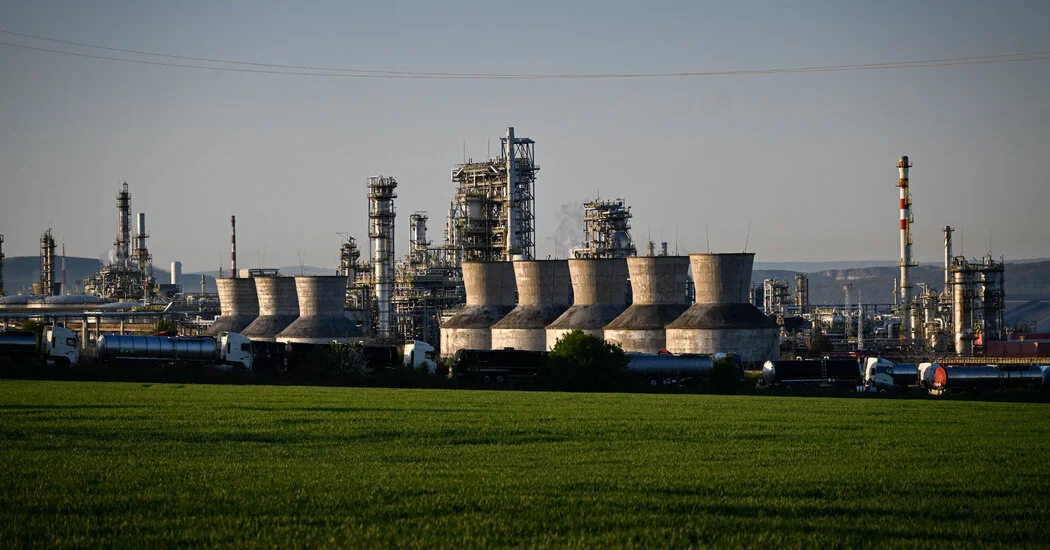
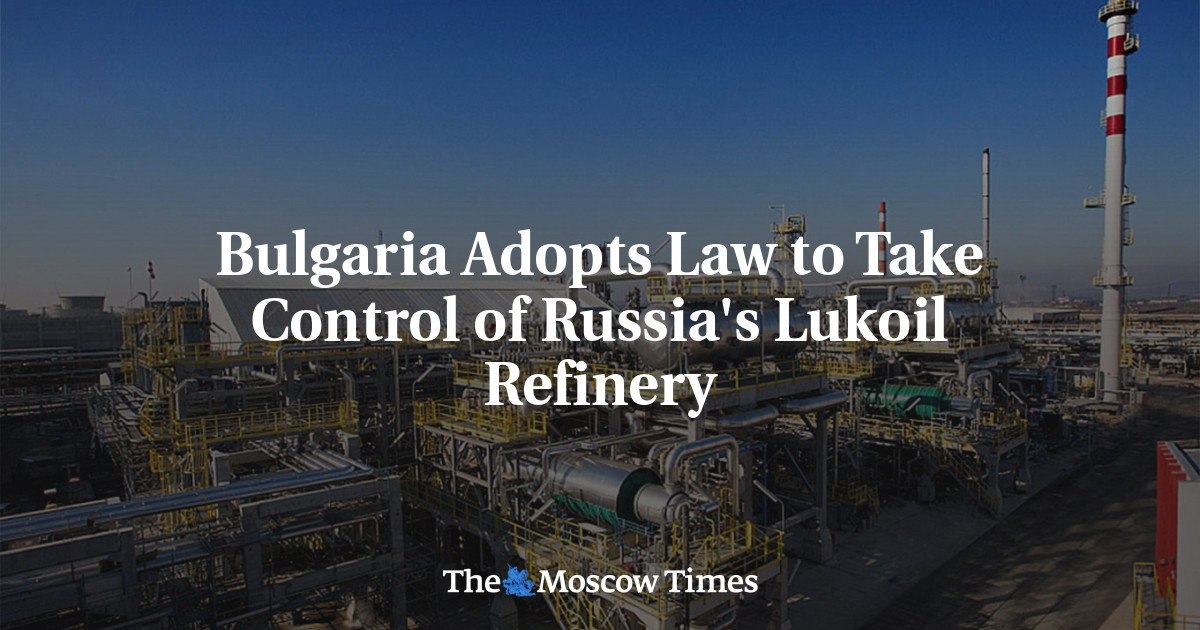
Bulgaria's parliament has passed laws to take control of the Lukoil Neftochim refinery in Burgas following US sanctions against the Russian oil company, allowing for potential nationalization and sale of shares, amid concerns over legal and economic risks.
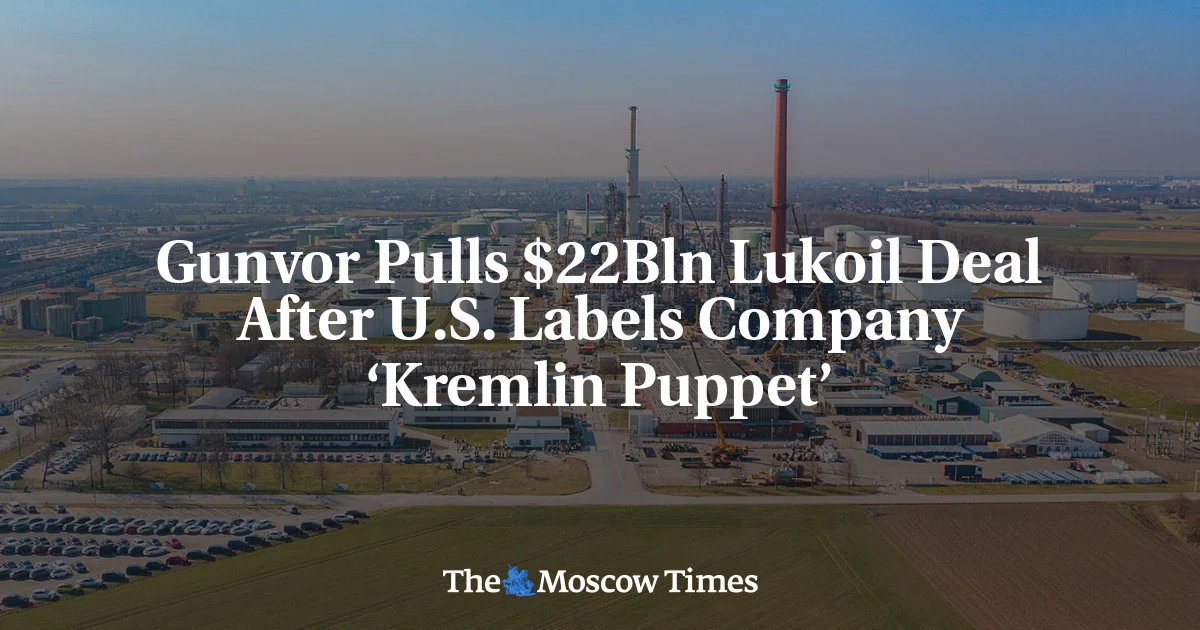
Swiss trader Gunvor withdrew its $22 billion bid to acquire Lukoil's assets after U.S. sanctions branded the company a 'Kremlin puppet' and blocked the deal, leaving Lukoil's international operations uncertain.
Gunvor has withdrawn its offer to acquire Russia’s Lukoil amid increasing US sanctions and geopolitical tensions, with NATO downplaying troop withdrawals as Russian hybrid attacks intensify and European countries like Bulgaria and Hungary grappling with energy sanctions and supply issues.
Lukoil has accepted an offer from Gunvor to sell its foreign assets due to US sanctions, marking a significant response by a Russian company to Western sanctions over the Ukraine conflict. The deal is pending US approval and involves Lukoil's international operations, including major assets in Iraq, Bulgaria, and Romania.
Lukoil is selling its international assets in response to U.S. sanctions aimed at pressuring Russia to cease its war in Ukraine, with transactions ongoing under a sanctions grace period. The sanctions restrict Lukoil's global business, especially affecting its sales to India and China, and have led to increased geopolitical tensions and shifts in oil flows. The company and Russia are seeking ways to navigate these restrictions amid broader international economic pressures.
Lukoil plans to sell its international assets following Western sanctions related to Ukraine, marking a significant move by a major Russian oil company. The sale is conducted under an OFAC wind-down license, with potential bids being considered, and includes assets like the Iraq West Qurna 2 oil field and refineries in Bulgaria and Romania.
Russia's Lukoil plans to sell its foreign assets due to the impact of US sanctions, as the company faces increased financial pressure and seeks to mitigate risks associated with international restrictions.
The US has imposed sanctions on Russia's largest oil companies, Rosneft and Lukoil, to pressure Moscow into ending its invasion of Ukraine, aiming to impact Russia's economy and potentially influence peace negotiations, while also causing a rise in global oil prices.
The US imposed sanctions on Russia's top oil companies, Lukoil and Rosneft, amid growing frustration over the Ukraine war, while the EU banned Russian LNG imports in its 19th sanctions package, marking a significant escalation in Western efforts to pressure Russia.
The US has imposed sanctions on Russia's largest oil companies, Rosneft and Lukoil, to pressure Moscow to end its war in Ukraine, marking the first such sanctions since Trump returned to office. The move aims to cut off revenue funding the Russian military effort, with coordinated actions from the UK and EU, including potential bans on Russian natural gas and financial dealings, signaling increased international pressure on Russia.