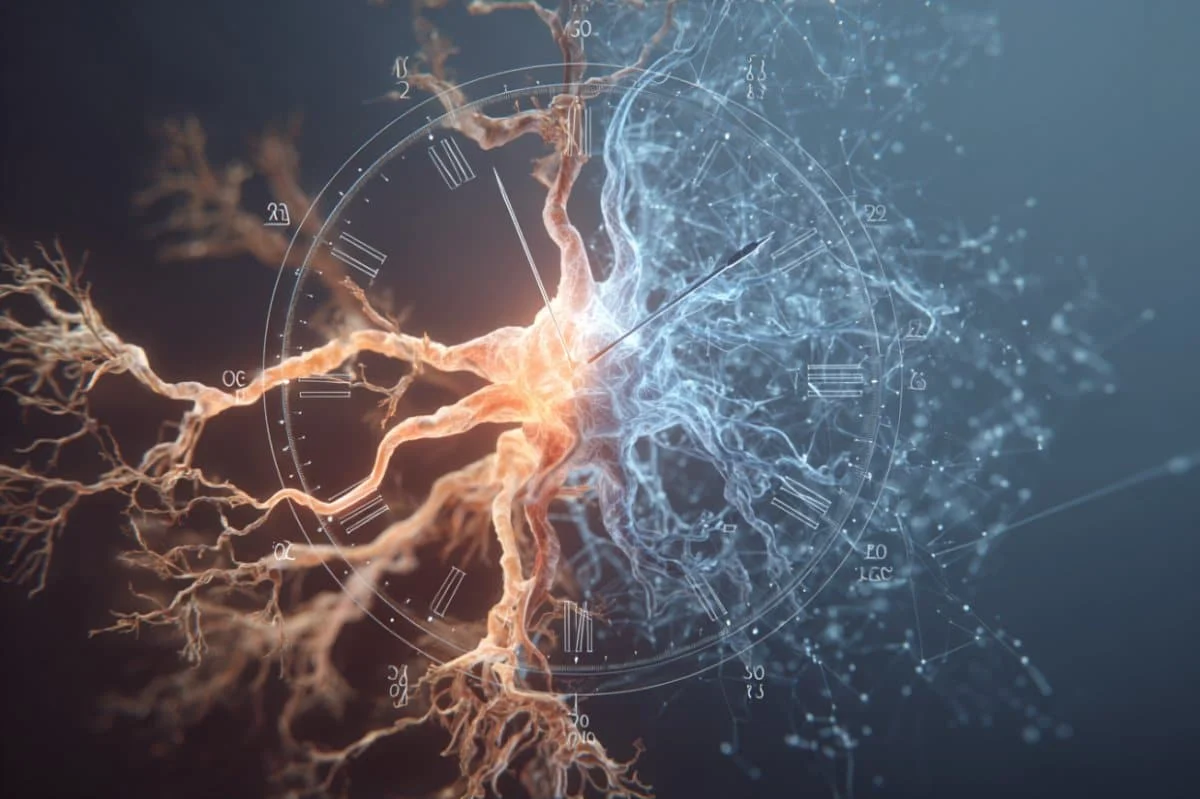
UVA researchers have identified a physiological cause of memory loss in Alzheimer's, involving protective 'nets' around neurons in the hippocampus, and found a drug used for cancer and arthritis that may prevent this loss in mice. Human trials are still years away, but the findings could lead to new treatments for Alzheimer's disease.
Scientists developed a computational 'aging clock' to measure the biological age of brain cells and identify 453 compounds with potential to reverse aging effects. Animal tests showed these compounds improved behavior, cognition, and molecular markers in older mice, paving the way for therapies against neurodegenerative diseases.
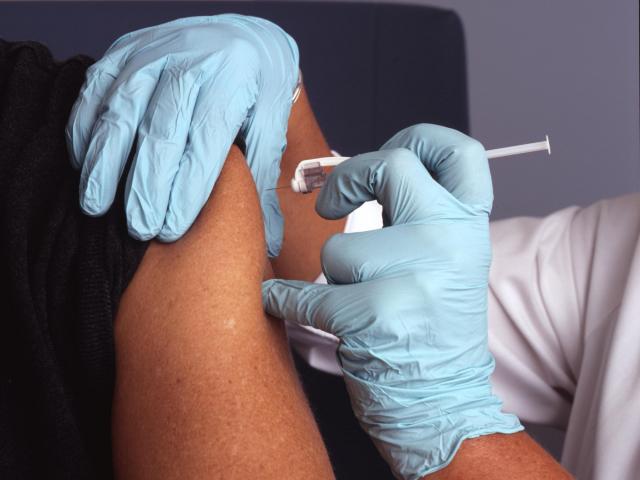
Researchers at Duke University have developed a tri-valent vaccine that has shown success in protecting mice against three deadly strains of coronavirus, including SARS-CoV-1 and MERS. The vaccine, which includes components from a previous vaccine that protected against multiple variants of SARS-CoV-2, aims to provide broad protection against coronaviruses. Human tests for a version targeting different SARS-CoV-2 strains are scheduled for 2024. The vaccine has also demonstrated the ability to generate antibodies against all three pathogenic human coronavirus types in lab studies and mice.