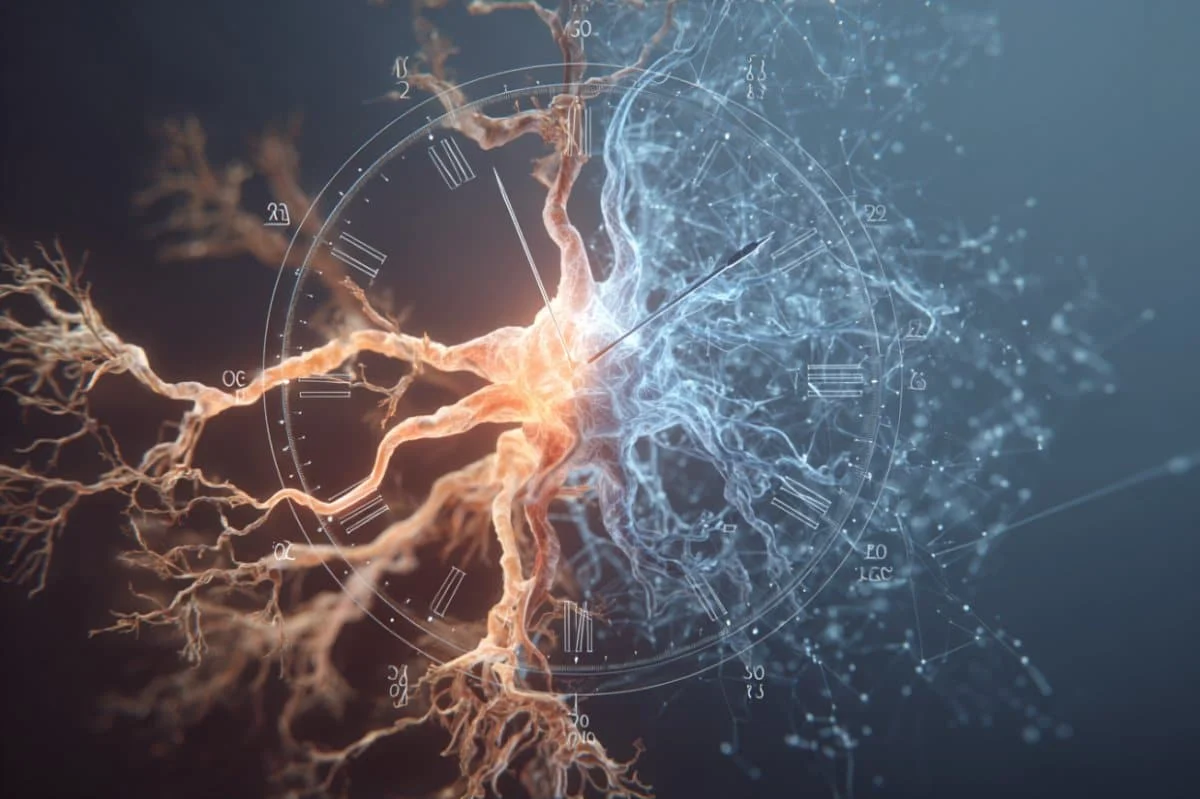
Scientists developed a computational 'aging clock' to measure the biological age of brain cells and identify 453 compounds with potential to reverse aging effects. Animal tests showed these compounds improved behavior, cognition, and molecular markers in older mice, paving the way for therapies against neurodegenerative diseases.
Researchers from the University of California San Francisco (UCSF) and the University of Queensland have identified platelet factor 4 (PF4), a blood factor responsible for blood clot formation, as a key element in rejuvenating the aging brain. Injecting PF4 into aging mice reduced brain inflammation, improved brain cell connections, and enhanced memory and thinking abilities. The study also found that the longevity protein klotho and exercise can stimulate the release of PF4, further improving cognitive abilities in both young and old animals. This research opens up potential avenues for pharmacological interventions to counteract age-related cognitive decline.
Transplanted healthy glial cells have been found to outcompete and replace diseased or aged brain cells, offering potential for restoring normal brain function and treating neurodegenerative diseases. The study, conducted on humanized mouse brains, demonstrated that healthy glial cells can replace both diseased and aged cells, paving the way for clinical trials on diseases such as Huntington's, ALS, and genetic schizophrenia within the next two years.