The article discusses the current spread of the severe H3N2 super flu, its symptoms, why it's more dangerous this season, and how to protect yourself through vaccination, hygiene, and early treatment with antivirals.
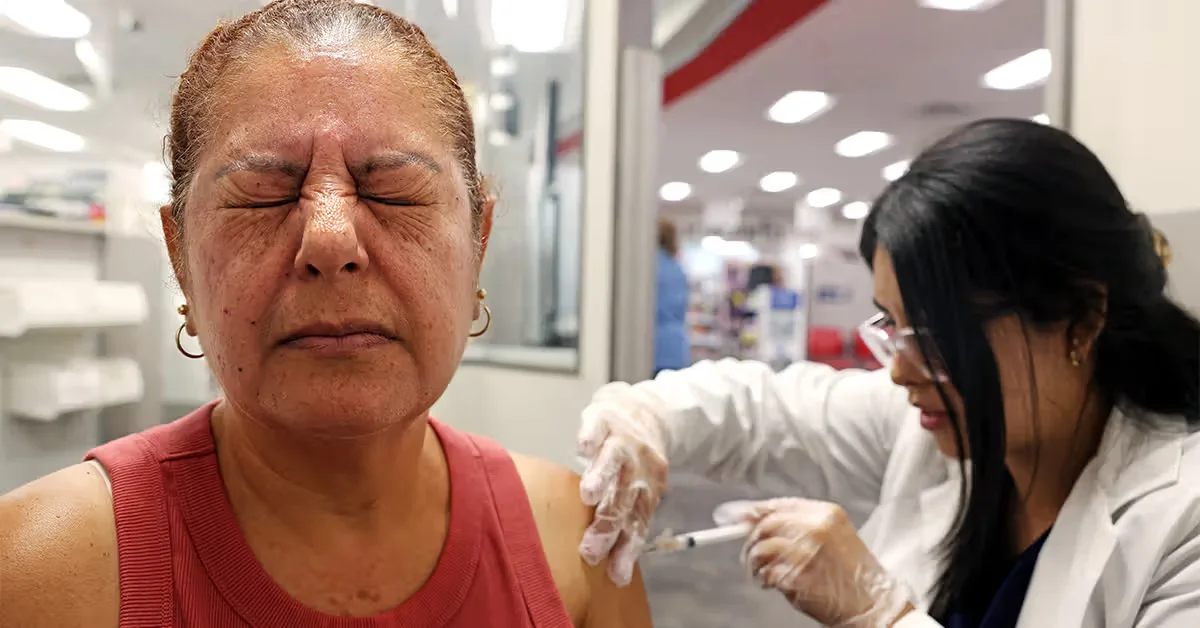
Flu cases are surging in the U.S., with doctor visits reaching their highest levels since 1997, driven by the spread of the H3N2 strain and a decline in vaccination rates, resulting in over 5,000 deaths and widespread high flu activity across many states.
Georgia is experiencing a surge in flu hospitalizations and deaths, driven by an aggressive strain of Type A flu that is only partially covered by the current vaccine. Despite the availability of free vaccines and public health efforts, the state has seen an increase in severe cases and fatalities since October, highlighting the importance of vaccination and precautions.
RFK Jr. considered endorsing the Danish vaccine schedule, which is less extensive than the U.S. schedule, but was compelled to withdraw after internal debates within the HHS and CDC, amid ongoing discussions about vaccine safety and autism causes.
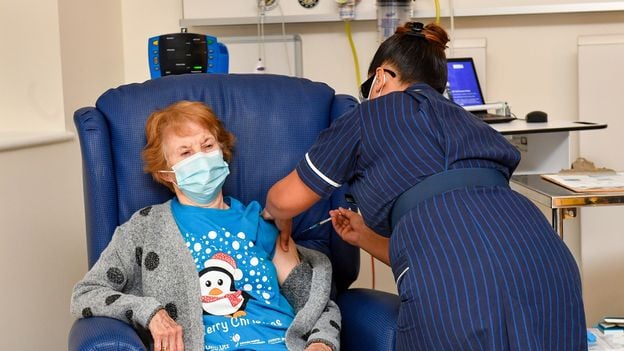
In December 2020, photographer Jacob King captured the historic moment of Margaret Keenan receiving the first COVID-19 vaccine dose in Coventry, a symbolic event marking hope in the pandemic, which gained worldwide attention and symbolized a turning point in the fight against COVID-19.
This winter's flu season has been characterized as normal in severity despite media claims of a 'superflu' or 'unprecedented' outbreak. Experts suggest the virus's mutations have only slightly increased its spread and severity, and the overall impact on health services remains typical. Concerns about sensationalist language potentially undermining public trust in health advice are also discussed.
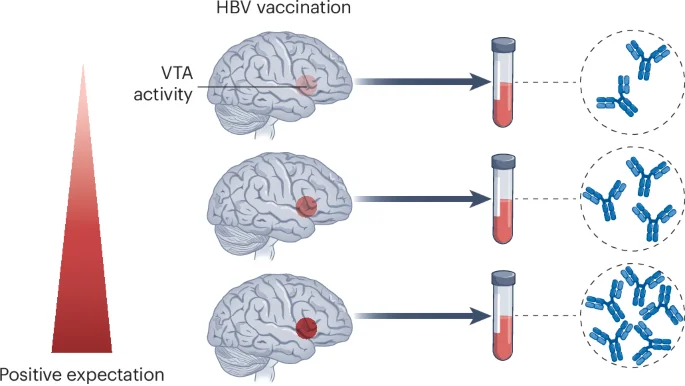
The Trump administration awarded a controversial $1.6 million no-bid contract to a Danish university to study hepatitis B vaccinations in Guinea-Bissau, raising ethical concerns due to the withholding of vaccines from some newborns in a randomized trial, which critics argue is unethical and could exacerbate vaccine hesitancy.
A 2023 updated COVID-19 vaccine developed by Emory University produces antibodies with a half-life of over 500 days, about three times longer than previous versions, and offers broad protection against multiple strains, highlighting the importance of updated immunizations in combating the evolving virus.
Scientists at MIT have developed a promising new tuberculosis vaccine that targets specific protein fragments to trigger a strong immune response, potentially offering better protection for adults and reducing the global burden of TB. Although still in early trial phases, this breakthrough could revolutionize TB prevention, especially in regions where the current BCG vaccine is less effective, and help combat antibiotic resistance and transmission.
Top health leaders gathered in Allegheny County to discuss declining vaccine rates, challenges in vaccine confidence, and strategies to improve vaccination efforts amid social and political upheaval, emphasizing the importance of trust, communication, and coordinated action to prevent outbreaks and protect public health.
MIT researchers have identified potential new targets for a tuberculosis vaccine by screening bacterial proteins and testing immune responses, aiming to develop a more effective vaccine than the current BCG, with promising results from mRNA vaccine experiments in human cells.
German researchers have discovered a highly effective HIV-neutralizing antibody called 04_A06, which shows promise for both treatment and prevention, neutralizing 98% of tested HIV variants and potentially reducing the need for daily medication or vaccines. However, further studies are needed before it can be used clinically.
Scientists at the University of Massachusetts Amherst have developed a 'super vaccine' that successfully prevented cancer in laboratory mice by training the immune system to recognize and destroy cancer cells early, potentially revolutionizing cancer prevention and treatment in the future.
Researchers at UMass Amherst developed a nanoparticle-based 'super vaccine' that successfully prevents and fights aggressive cancers like melanoma, pancreatic, and breast cancer in mice, showing high efficacy in preventing tumor growth and metastasis, with potential for human application.
Scientists at the University of Maryland have developed a promising vaccine against Salmonella bacteria, which cause food poisoning and typhoid fever. In a Phase I trial, the vaccine was safe and elicited a strong immune response, especially targeting subtypes responsible for severe infections. While more research is needed, this vaccine could significantly reduce the global burden of Salmonella-related illnesses.