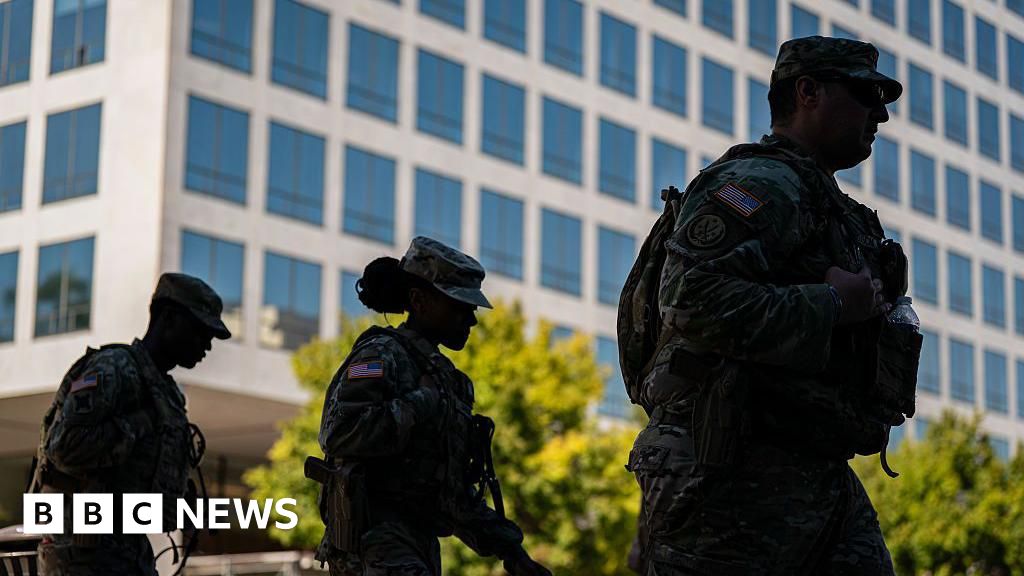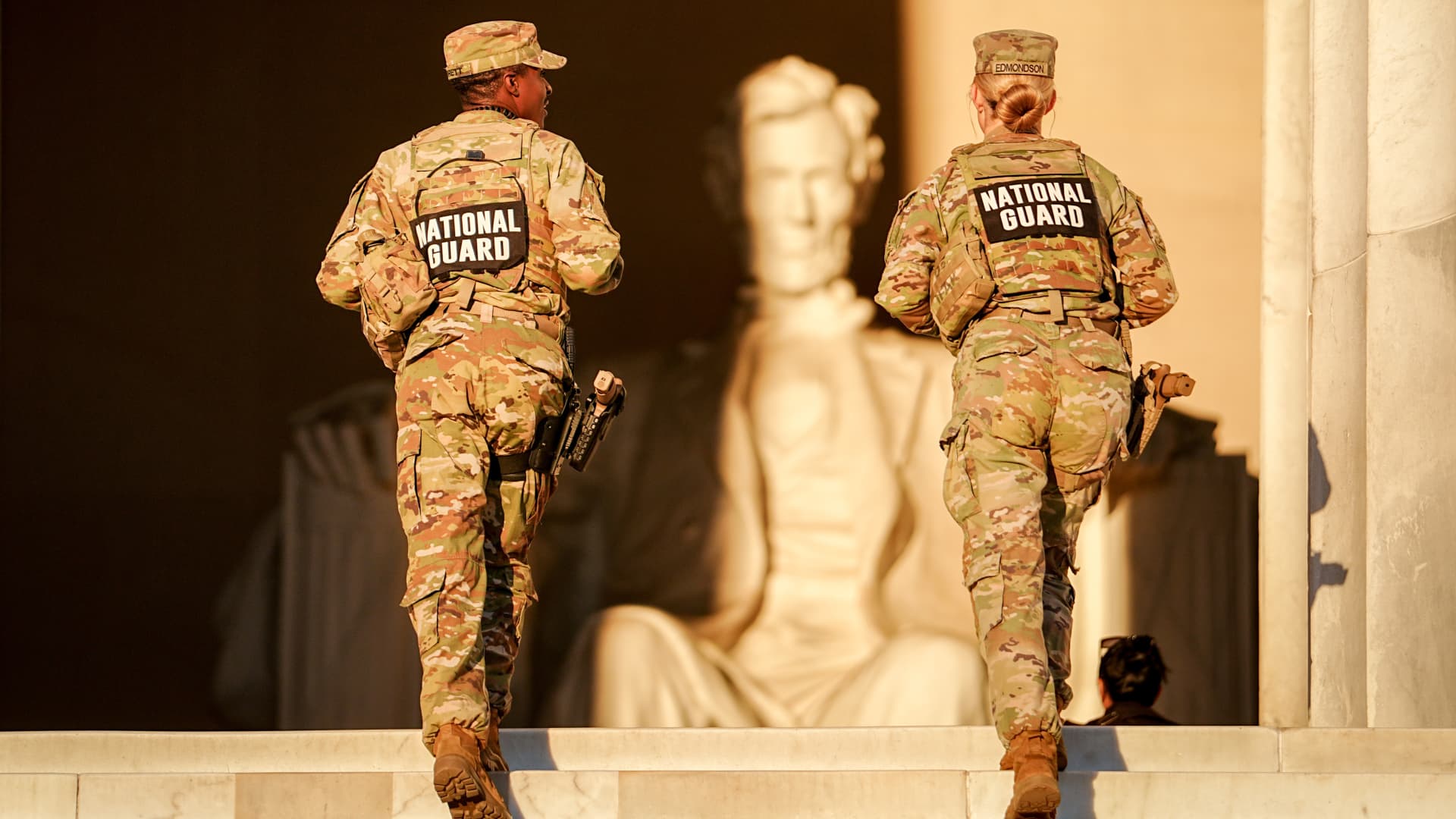
The $900 billion NDAA for FY 2026, now law, includes measures to boost military recruitment, such as expanded access to high schools and JROTC, along with increased funding for defense, aid to Ukraine, and pay raises for troops. The legislation aims to sustain and enhance the recent surge in military enlistments, supported by bipartisan approval.
The U.S. President signed into law the S. 1071, the National Defense Authorization Act for Fiscal Year 2026, which allocates funding for military, energy, intelligence, and foreign programs, supports military pay increases, and includes various national security and foreign policy authorities.
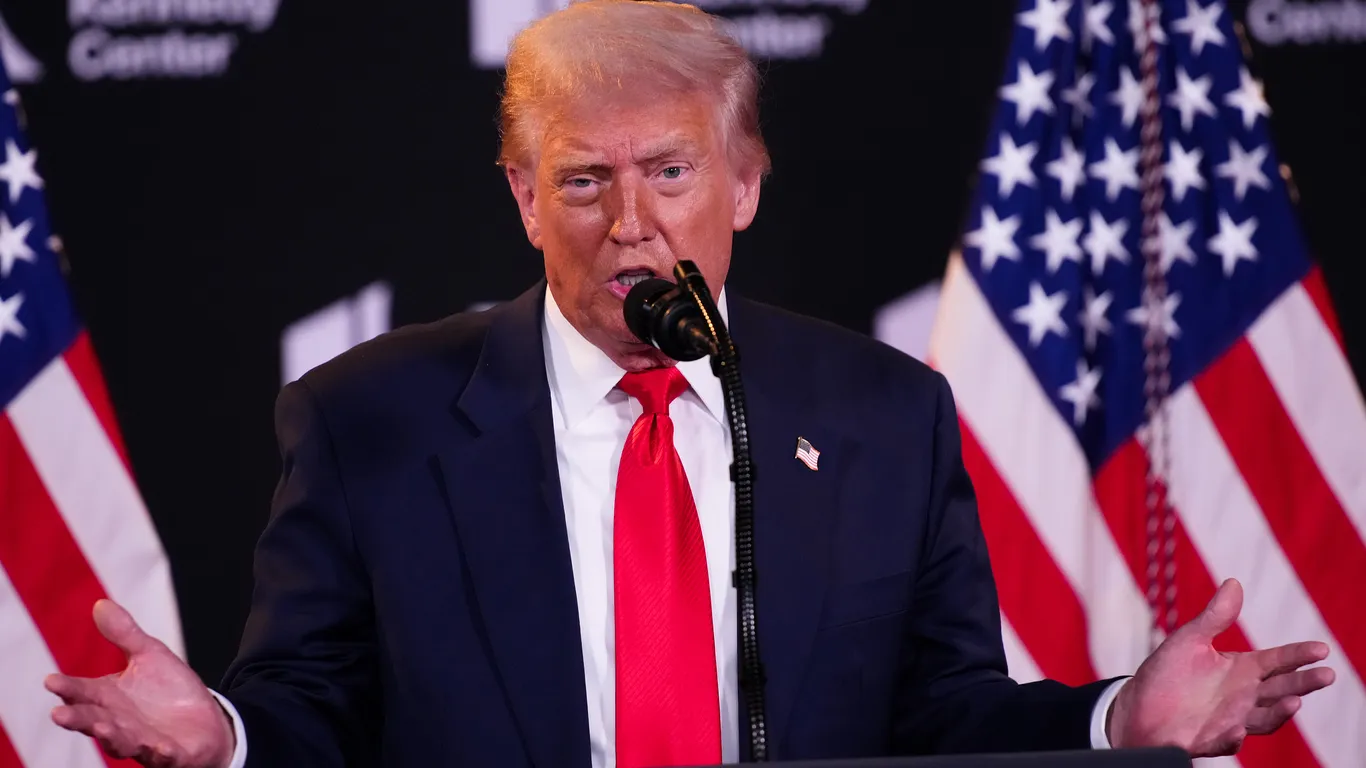
President Trump signed the FY2026 National Defense Authorization Act, which funds various defense and security agencies, supports the Peace Through Strength agenda, and includes provisions for homeland security and border security, while asserting the administration's constitutional authority over foreign policy and national security information.
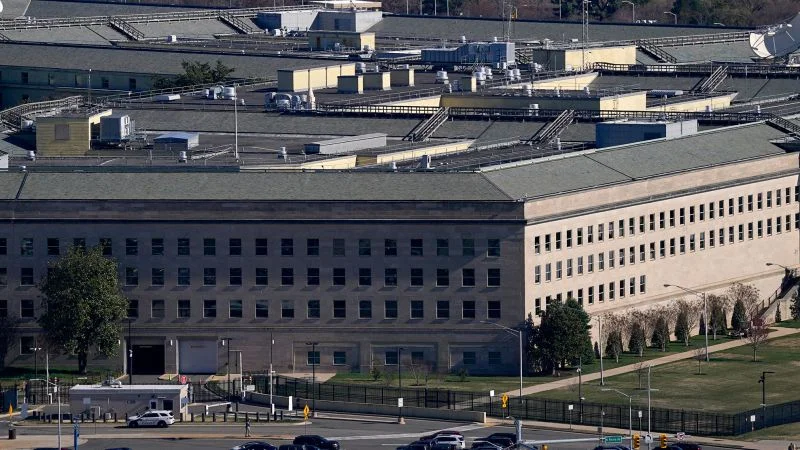
An anonymous donor has contributed $130 million to the US Pentagon to help pay military personnel during the ongoing government shutdown, raising ethical questions about the source and use of such funds, especially given the lack of transparency and the shutdown's status as one of the longest in US history.
Timothy Mellon, an heir to the Mellon banking family, is identified as the mystery donor who contributed $130 million to help fund U.S. military salaries during the government shutdown, though the donation may violate federal law and is unlikely to cover the full costs of military pay. Mellon is a longtime Trump supporter and grandson of former Treasury Secretary Andrew Mellon.
The Pentagon plans to use a $130 million anonymous donation from an alleged Trump supporter to pay military members during the government shutdown, a move that raises legal and procedural questions as it departs from traditional public funding methods and faces scrutiny from Congress over compliance with the Anti-Deficiency Act.
The White House argues that President Trump has the constitutional authority to reallocate funds to pay troops during the government shutdown, citing historical precedents from past presidents like Washington and Kennedy, as part of a broader effort to bypass congressional gridlock and maintain military readiness.
A House-approved bill to fund the US military during the government shutdown failed in the Senate due to not reaching the required votes, highlighting ongoing partisan disagreements and the broader political impasse.
The Pentagon plans to pay military troops by shifting $8 billion, despite legal restrictions under the Antideficiency Act, amid ongoing government shutdown concerns. Critics, including Rep. Rosa DeLauro, argue this may violate the law, which prohibits spending without congressional approval, and could lead to legal penalties. The Government Accountability Office has not yet reviewed these actions, but past violations during previous shutdowns have resulted in legal warnings.
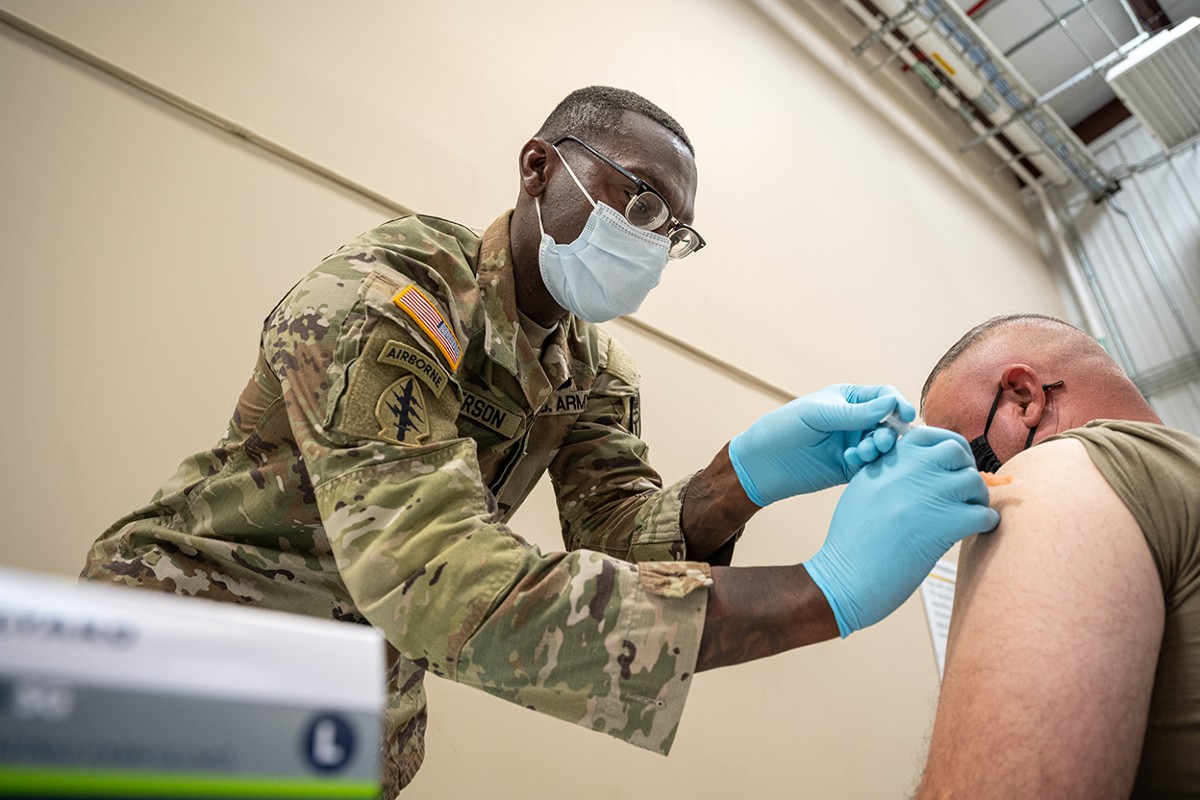
While the US Department of Health and Human Services has recently cut nearly half a billion dollars in mRNA vaccine research funding, the US military continues to support certain mRNA projects, particularly those targeting deadly pathogens like Crimean–Congo hemorrhagic fever, highlighting a divided approach to vaccine development amid political and policy challenges.
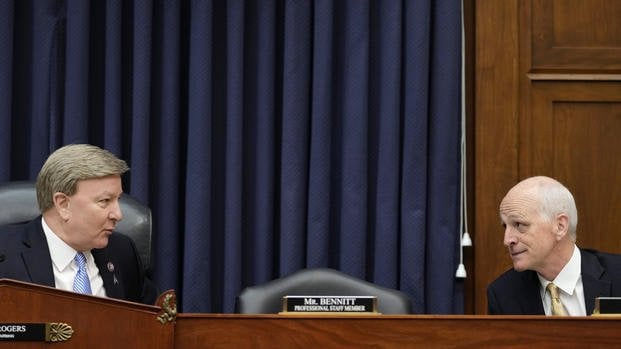
The House Armed Services Committee advanced a defense bill supporting a 3.8% pay raise for troops, while also banning efforts to restore Confederate base names and addressing various political issues, with some bipartisan support on Ukraine funding and Confederate renaming.
Romania's upcoming presidential election could have significant implications for NATO, as the country's political direction may influence its defense policies and alliances. Meanwhile, Poland and the Netherlands are advocating for more flexible EU defense funding rules to accommodate "urgent needs," potentially benefiting non-EU arms manufacturers. NATO's Supreme Allied Commander Transformation, Admiral Pierre Vandier, has urged Europe to address vulnerabilities in space, IT, and military mobility to stay competitive in the global arms race. Additionally, European defense ministers are emphasizing the need for continued military investment amid concerns about Donald Trump's influence, while Hungary's proposal for EU defense funding rules could disadvantage French arms companies.
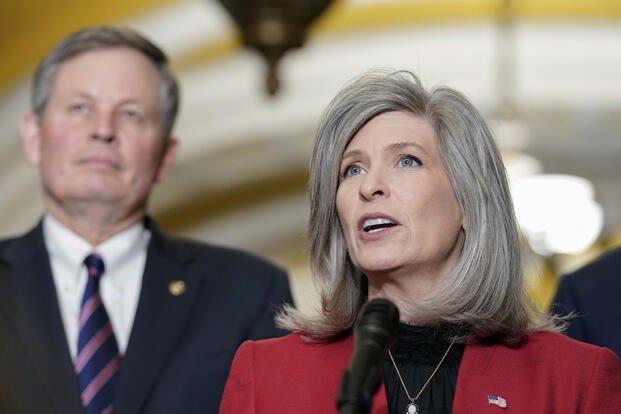
Despite warning against a wider war with Iran, the US is renewing efforts to push through a stalled $14bn funding package for Israel, emphasizing that it will not participate in any retaliatory action against Iran. Tensions in the Middle East have escalated following Iran's air attack in response to an unclaimed strike on its embassy in Syria, prompting the US to accelerate approval of the aid package. President Biden reiterated US commitment to defending Israel while emphasizing the avoidance of a wider war in the region. Meanwhile, Republican lawmakers, including House Speaker Mike Johnson, are under pressure to advance the aid package, which also includes support for Ukraine and allies in Asia.
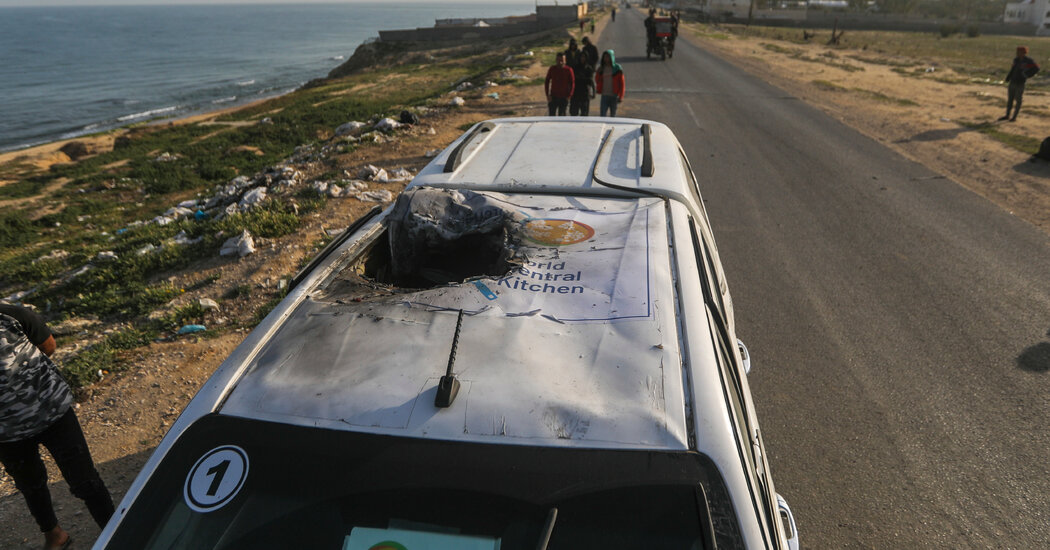
The killing of seven aid workers in Gaza by the Israel Defense Forces has intensified resistance among congressional Democrats to providing arms and military funding to Israel, causing uncertainty for a pending foreign aid package for Ukraine and Israel. A group of House Democrats is urging the administration to halt offensive arms transfers to Israel until a full investigation into the airstrike is completed and to tie any future aid to compliance with U.S. and international law.
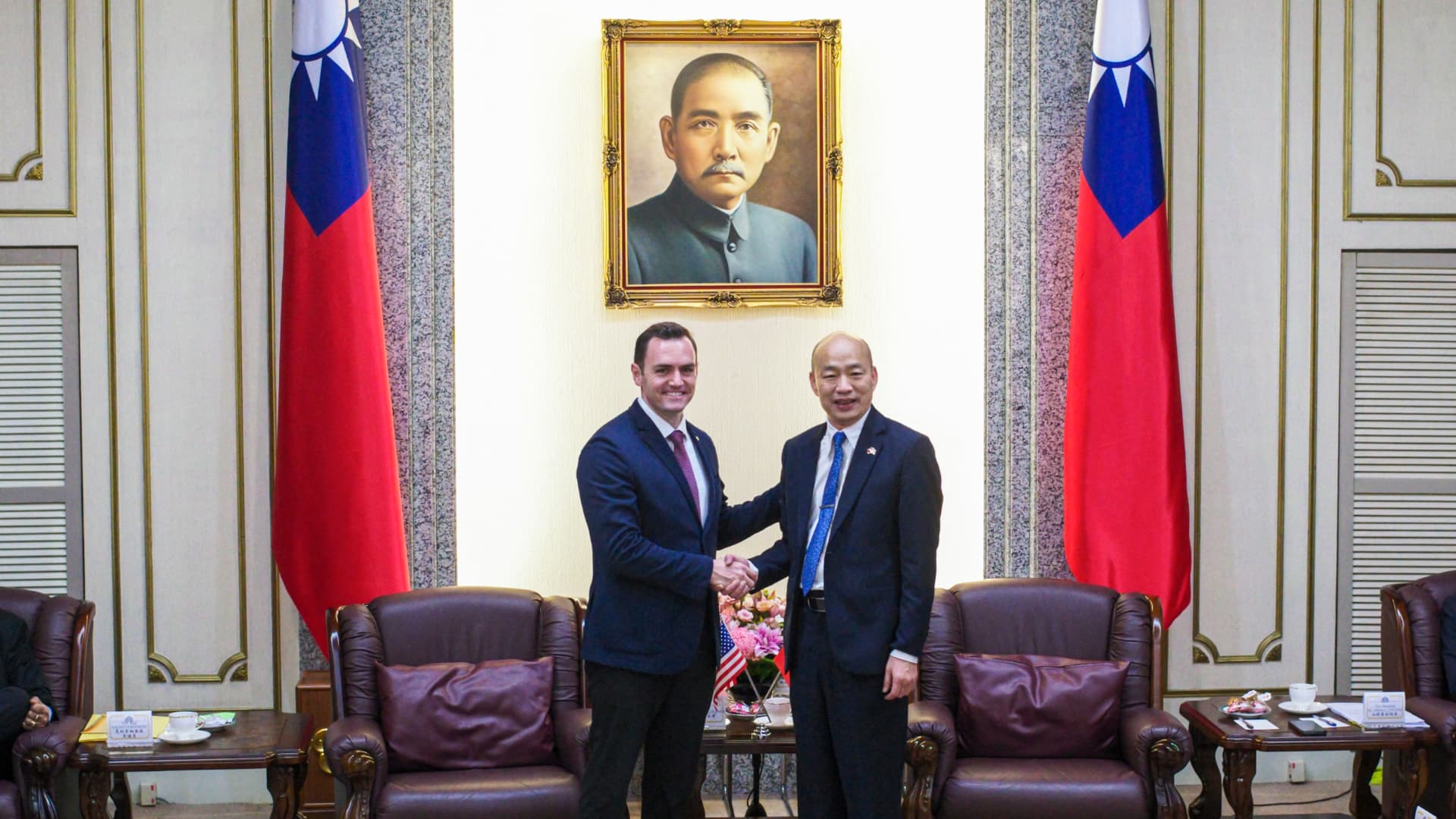
Lawmakers from the US House of Representatives discussed the stalled $60 billion aid package for Ukraine, which also includes funding for weapons for Taiwan, during their visit to Taipei. The bill, blocked by Republican Speaker Mike Johnson, aims to deter China and replace US munitions for Taiwan. The lawmakers emphasized the importance of passing the bill, stating that the fate of Ukraine is crucial for cross-strait deterrence and repairing the US military industrial base. The visit included meetings with Taiwan's President and president-elect, highlighting the strong support for Taiwan in the US legislature.