Tag

National Defense Authorization Act

All articles tagged with #national defense authorization act

Trump Signs Record-High Defense Bill Amid Congressional Power Shifts

Originally Published 24 days ago — by The White House (.gov)

Featured image for Trump Signs Record-High Defense Bill Amid Congressional Power Shifts
Source: The White House (.gov)

The U.S. President signed into law the S. 1071, the National Defense Authorization Act for Fiscal Year 2026, which allocates funding for military, energy, intelligence, and foreign programs, supports military pay increases, and includes various national security and foreign policy authorities.
Trump Signs $1tn Defense Bill Amid Congressional Tensions

Originally Published 24 days ago — by The White House (.gov)

Featured image for Trump Signs $1tn Defense Bill Amid Congressional Tensions
Source: The White House (.gov)

President Trump signed the FY2026 National Defense Authorization Act, which funds various defense and security agencies, supports the Peace Through Strength agenda, and includes provisions for homeland security and border security, while asserting the administration's constitutional authority over foreign policy and national security information.

Stefanik Criticizes Johnson's Leadership Amid Public Feud

Originally Published 1 month ago — by Politico

Featured image for Stefanik Criticizes Johnson's Leadership Amid Public Feud
Source: Politico

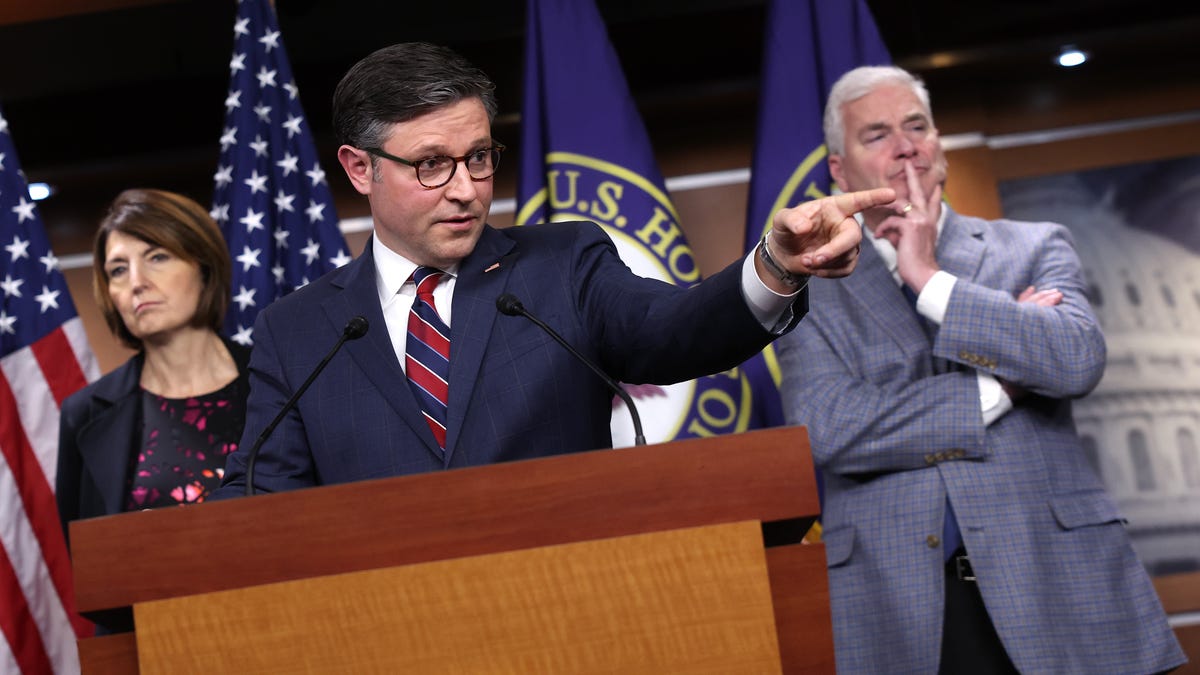
Rep. Elise Stefanik criticized House Speaker Mike Johnson, claiming he would lose a vote for speaker if called today, citing internal GOP disagreements and her recent political disputes, while other political developments include bipartisan efforts on healthcare subsidies and legal investigations into former officials.

Congress Approves Defense Bill with Troop Pay Raise and Ukraine Funding

Originally Published 2 years ago — by USA TODAY

Featured image for Congress Approves Defense Bill with Troop Pay Raise and Ukraine Funding
Source: USA TODAY

The House has passed the annual defense policy bill, known as the National Defense Authorization Act, which includes a 5.2% pay raise for troops, funding for Ukraine, and an extension of a controversial foreign surveillance program. The bill faced opposition from House conservatives due to the extension of Section 702 and the omission of culture war amendments. The House version, filled with controversial amendments, was rejected by the Senate, leading to a compromise version. The bill now awaits President Joe Biden's approval.

US Congress Approves Historic Defense Budget, Rejects Far-Right Influence

Originally Published 2 years ago — by WSWS

Featured image for US Congress Approves Historic Defense Budget, Rejects Far-Right Influence
Source: WSWS

In a bipartisan vote, the US Congress has authorized a record Pentagon budget for fiscal year 2024, totaling $883.7 billion, an increase of $145 billion since 2020. The budget includes increased military spending aimed at countering threats from China, Russia, Iran, North Korea, and terrorist organizations. The bill also extends military aid to Ukraine and authorizes the transfer of weapons systems to Israel. The increase in war spending comes at a time of rising hunger and homelessness, job cuts, and cuts to social benefits, highlighting the prioritization of military interests over the needs of the working class.

"Alabama Congressman Moore Stands Alone in Voting Against NDAA, Highlights Divide in Congress"

Originally Published 2 years ago — by Alabama Political Reporter

Featured image for "Alabama Congressman Moore Stands Alone in Voting Against NDAA, Highlights Divide in Congress"
Source: Alabama Political Reporter

U.S. Rep. Barry Moore of Alabama was the only member of the state's delegation to vote against the $886 billion National Defense Authorization Act (NDAA) for Fiscal Year 2024. Moore cited his opposition to funding President Joe Biden's "radical agenda" as the reason for his vote. The bill includes provisions such as a pay increase for military members, restrictions on teaching Critical Race Theory in the military, and support for the Border Wall. Moore's decision to run for a different congressional district in 2024 has sparked a rivalry with Rep. Jerry Carl, who voted in favor of the NDAA.

Congress Passes Defense Spending Bill with Pay Raise, Ukraine Funding

Originally Published 2 years ago — by Department of Defense

Featured image for Congress Passes Defense Spending Bill with Pay Raise, Ukraine Funding
Source: Department of Defense

The 2024 National Defense Authorization Act has been passed by both the House and Senate, authorizing a 5.2% pay raise for service members and civilian defense employees. The bill also includes provisions such as increased family separation allowance and changes to eligibility for the Basic Needs Allowance. Additionally, the act authorizes the Navy to enter into multiyear procurement contracts for submarines and allows the Department of Defense to enter into multiyear procurement contracts for rare earth elements. The Pentagon urges Congress to pass its supplemental budget request to support American partner nations and invest in the defense industrial base.

Congress Approves $886 Billion Defense Bill, Biden Set to Sign

Originally Published 2 years ago — by NBC News

Featured image for Congress Approves $886 Billion Defense Bill, Biden Set to Sign
Source: NBC News

The U.S. House of Representatives has passed a defense policy bill, known as the National Defense Authorization Act (NDAA), with a record $886 billion in annual military spending. The bill includes provisions such as aid for Ukraine and measures to counter China in the Indo-Pacific. It authorizes pay raises for troops and purchases of military equipment. The NDAA, which has been passed for 63 consecutive years, will now be sent to President Joe Biden to sign into law. The final version of the bill does not address divisive social issues that were included in the Republican-majority House's version. The bill also includes a four-month extension of a disputed domestic surveillance authority.

Senate Passes $886 Billion Defense Policy Bill with Troop Pay Raises and Ukraine Aid

Originally Published 2 years ago — by New York Post

Featured image for Senate Passes $886 Billion Defense Policy Bill with Troop Pay Raises and Ukraine Aid
Source: New York Post

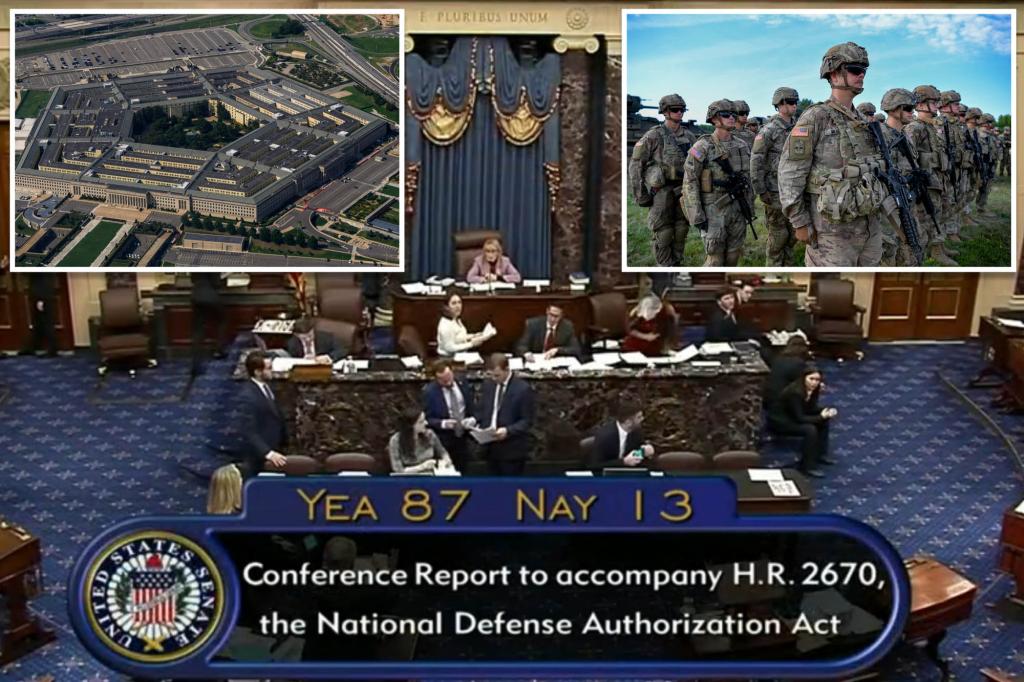
The Senate has passed the annual National Defense Authorization Act, authorizing a record-breaking $886 billion in military spending for 2024. The bill received strong bipartisan support, clearing the Senate in an 87-13 vote. It now heads to the House for consideration. The legislation does not include provisions limiting abortion access and restricting transgender healthcare treatment for troops and their families, which were in the House version of the bill. The bill extends surveillance authority and provides a 5.2% raise in troop pay. It also includes funding to counter China in the Indo-Pacific and military aid for Ukraine. President Biden has requested additional assistance for Ukraine, but it faces challenges in Congress. The bill also includes authorizations for the AUKUS submarine-sharing agreement.

Senate Approves Comprehensive Defense Policy Bill with Troop Pay Raises and Ukraine Aid

Originally Published 2 years ago — by Defense News

Featured image for Senate Approves Comprehensive Defense Policy Bill with Troop Pay Raises and Ukraine Aid
Source: Defense News

The Senate has passed a compromise annual defense policy bill, which closely aligns with President Joe Biden's proposed budget request. The bill includes $300 million for the Ukraine Security Assistance Initiative and authorizes the transfer of three Virginia-class attack submarines to Australia as part of the AUKUS submarine-sharing agreement. It also institutionalizes the sea-launched cruise missile nuclear program, despite objections from the Biden administration. The compromise bill removed provisions that caused House Democrats to protest, but conservative organizations are urging Republicans to vote against it due to the absence of a ban on abortion leave. The bill now heads to the House for a final vote before reaching the White House for the president's signature.

Senate Passes $886 Billion Defense Spending Bill with Troop Pay Raises and Ukraine Aid

Originally Published 2 years ago — by USA TODAY

Featured image for Senate Passes $886 Billion Defense Spending Bill with Troop Pay Raises and Ukraine Aid
Source: USA TODAY

The Senate has passed an $886 billion defense spending bill, supported by President Joe Biden, which includes funding for Ukraine and annual pay raises for troops. The National Defense Authorization Act (NDAA) provides funding for Pentagon priorities and was passed by a bipartisan vote of 87-13. The bill now heads to the House, where some Republicans are opposed to the removal of provisions on social issues. The Senate's NDAA includes provisions for defense funding, support for international partnerships, a pay raise for military servicemembers, and support for requested funding for various defense systems. The bill also includes a four-month extension of a domestic surveillance program, Section 702 of the Foreign Intelligence Surveillance Act, which has been a topic of debate.

Senate Set to Vote on Controversial Defense Bill, Including Climate Accountability Measures

Originally Published 2 years ago — by CNN

Featured image for Senate Set to Vote on Controversial Defense Bill, Including Climate Accountability Measures
Source: CNN

The Senate is set to vote on the National Defense Authorization Act, a critical defense policy bill that authorizes funding for the Department of Defense. The bill includes a $28 billion increase in defense funding and a 5.2% pay raise for military members. However, it also includes a short-term extension of a controversial law allowing warrantless surveillance of foreign nationals, which has sparked criticism. The bill does not include provisions related to abortion and transgender health care access.

US Defense Bill Removes Crypto AML Rules, Sparks Controversy

Originally Published 2 years ago — by Cointelegraph

Featured image for US Defense Bill Removes Crypto AML Rules, Sparks Controversy
Source: Cointelegraph

The US government has removed two provisions from the National Defense Authorization Act (NDAA) that aimed to address anti-money laundering (AML) concerns related to cryptocurrency. The provisions included the establishment of a review system for crypto activities and combating anonymous crypto transactions. The removal of these provisions comes amidst ongoing discussions and deliberations on money laundering and terrorist financing facilitated through cryptocurrencies.

"Senate Overcomes Objection to Defense Bill, Clearing Path for Passage"

Originally Published 2 years ago — by The Hill

Featured image for "Senate Overcomes Objection to Defense Bill, Clearing Path for Passage"
Source: The Hill

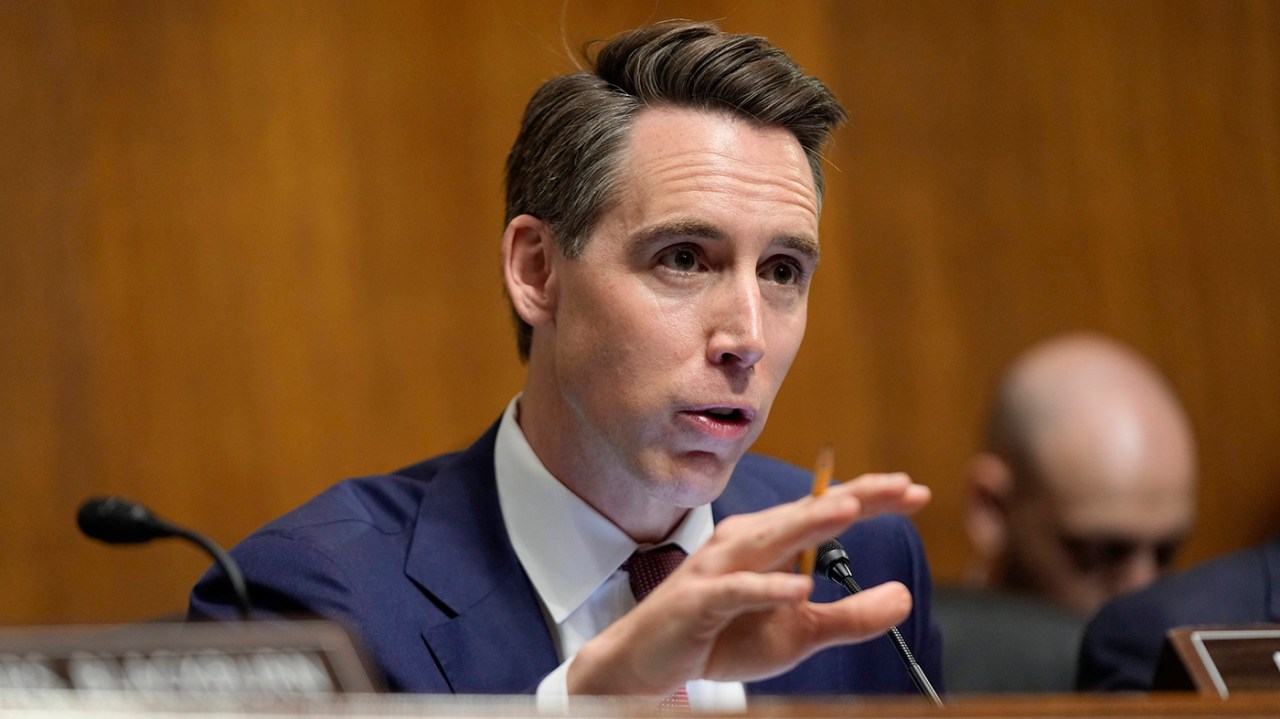
The Senate has cleared the first procedural hurdle to passing the annual Defense policy bill, despite an objection from Senator Josh Hawley. The bill, which does not include a GOP-backed item blocking the Pentagon's abortion policy, is expected to be finalized in the coming weeks. Hawley's objection will complicate the timing of final passage, but Senate Armed Services Committee Chair Jack Reed still expects to wrap up the bill next week. The House is expected to pass the bill by suspending the rules of the chamber.

"Landmark Defense Bill Secures Historic Military Pay Raise"

Originally Published 2 years ago — by Military.com

Featured image for "Landmark Defense Bill Secures Historic Military Pay Raise"
Source: Military.com

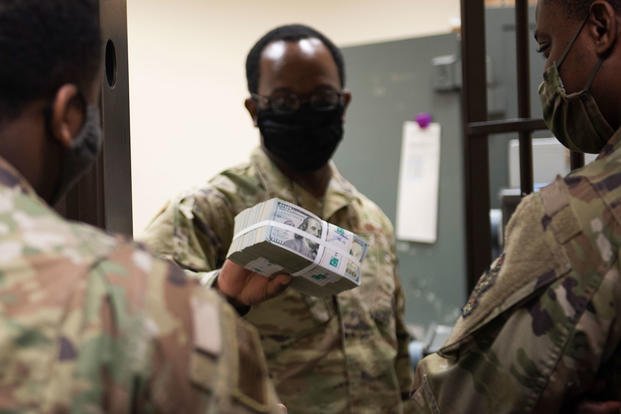
The compromise annual defense bill, known as the National Defense Authorization Act (NDAA), includes a 5.2% pay raise for service members starting in January, making it the largest increase in over two decades. The raise aligns with what the Biden administration requested and is expected to easily pass Congress. The bill also includes provisions to address junior service members' finances, such as allowing monthly bonuses for those affected by economic conditions and providing flexibility in adjusting the Basic Allowance for Housing. However, efforts to boost pay for E-6s and below to ensure a minimum equivalent of $15 per hour were unsuccessful.