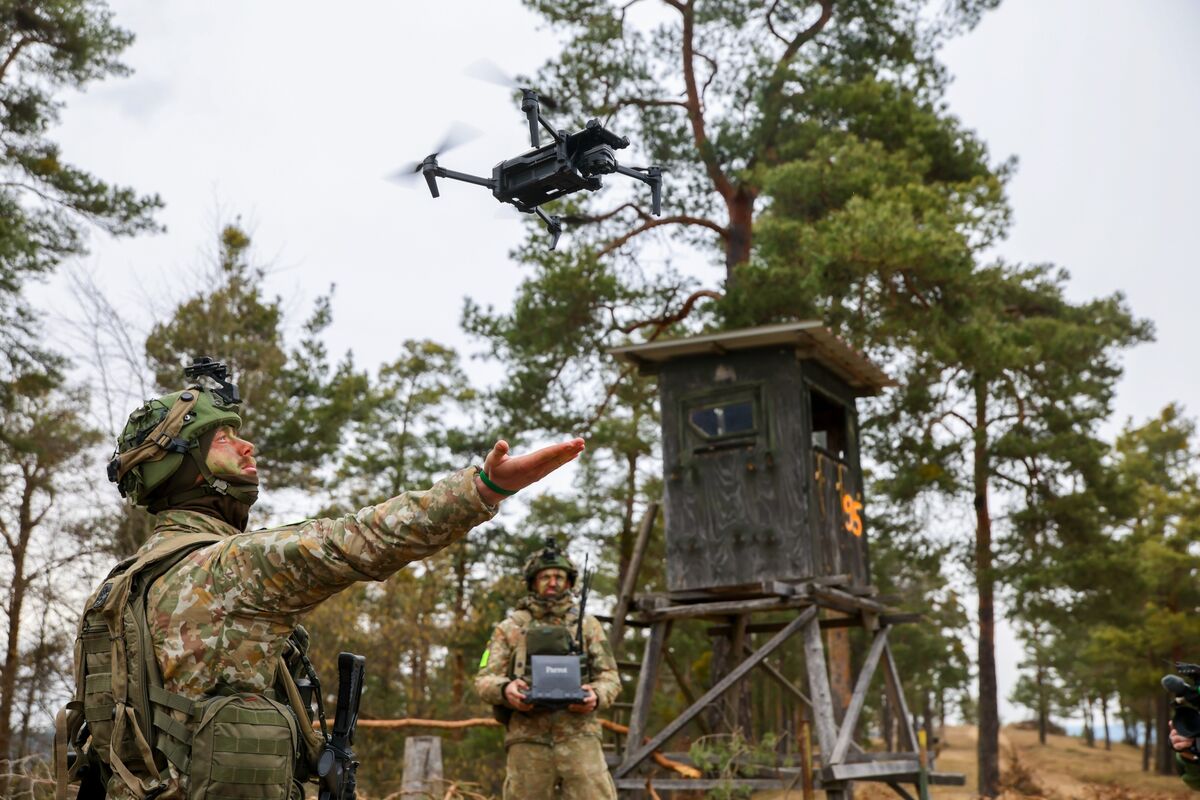
The European Commission has unveiled a defense roadmap aiming for EU independence in defense production and capabilities by 2027, focusing on joint procurement, flagship projects like the Drone Defence Initiative, and enhancing European self-sufficiency, while emphasizing cooperation with NATO and addressing future threats.
The European Union plans to launch joint drone and air defense projects by 2026 as part of a five-year strategy to enhance military capabilities, coordinate defense spending, and counter threats from Russia, aiming for 40% of defense procurement to be joint by 2027.
Romania's upcoming presidential election could have significant implications for NATO, as the country's political direction may influence its defense policies and alliances. Meanwhile, Poland and the Netherlands are advocating for more flexible EU defense funding rules to accommodate "urgent needs," potentially benefiting non-EU arms manufacturers. NATO's Supreme Allied Commander Transformation, Admiral Pierre Vandier, has urged Europe to address vulnerabilities in space, IT, and military mobility to stay competitive in the global arms race. Additionally, European defense ministers are emphasizing the need for continued military investment amid concerns about Donald Trump's influence, while Hungary's proposal for EU defense funding rules could disadvantage French arms companies.