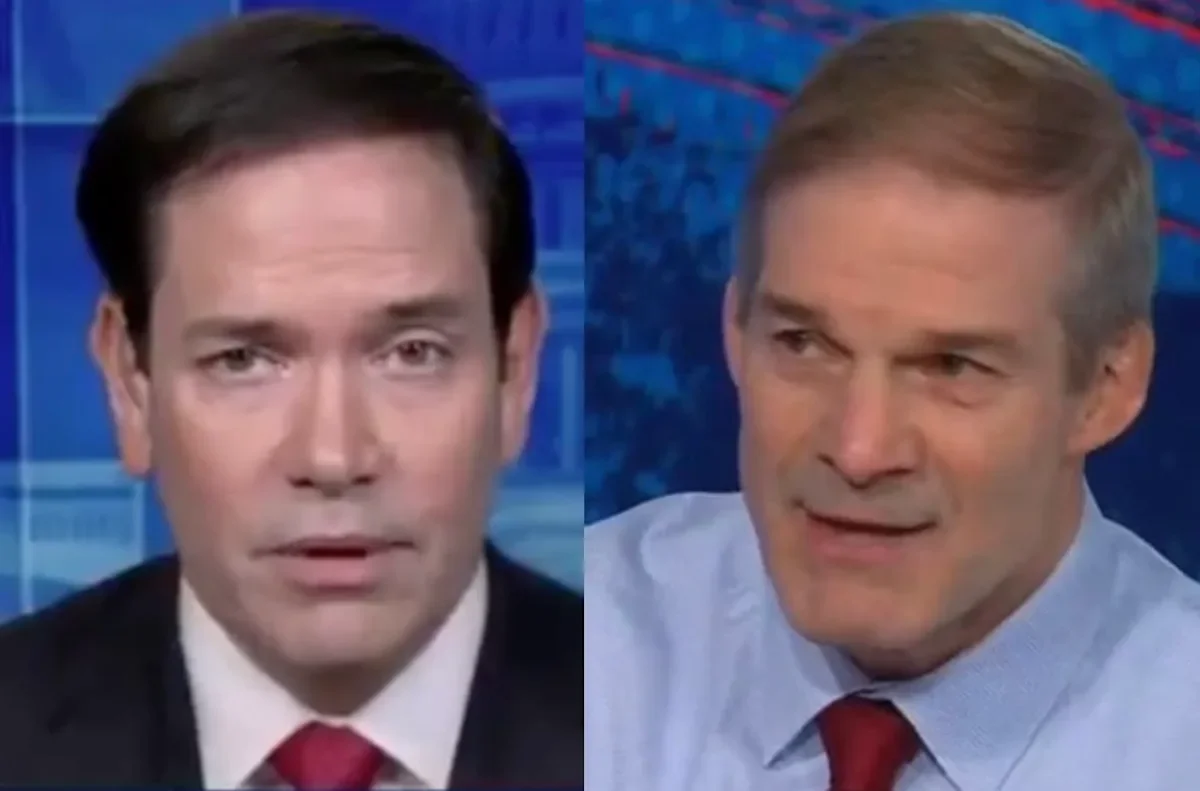
The article highlights a constitutional crisis where President Trump claimed the U.S. would run Venezuela, but key officials like Marco Rubio could not specify any legal authority for such action, exposing a failure in constitutional checks and balances and raising concerns about executive overreach and legislative abdication.
The article discusses the ongoing influence of the Department of Government Efficiency (DOGE), a controversial initiative from the Trump era led by Elon Musk's allies, which aimed to centralize power and control over government data and operations, often bypassing legal norms and congressional authority, with lasting impacts on the US government structure and functions.
The article discusses the legacy of Dick Cheney in shaping authoritarian tendencies within the U.S. government, highlighting parallels with Trump and the ongoing influence of Cheney's theories of executive power, alongside recent political developments and controversies.
The U.S. Supreme Court is reviewing whether President Trump's unilateral imposition of tariffs, based on emergency powers, is constitutional, with significant implications for executive authority and the global economy, amid legal challenges arguing such tariffs exceed presidential powers and violate the Constitution.
The Supreme Court faces a complex decision on President Trump's tariffs, balancing conservative deference to executive authority in foreign policy against skepticism of government intervention in the economy, with potential implications for presidential powers and trade policy.
The article criticizes the Trump administration's attempt to bypass the War Powers Resolution's 60-day limit on military actions by arguing that maritime strikes against drug smugglers do not constitute 'hostilities,' a legal interpretation that is widely considered flawed and dangerous, potentially allowing unchecked presidential military actions outside congressional approval.
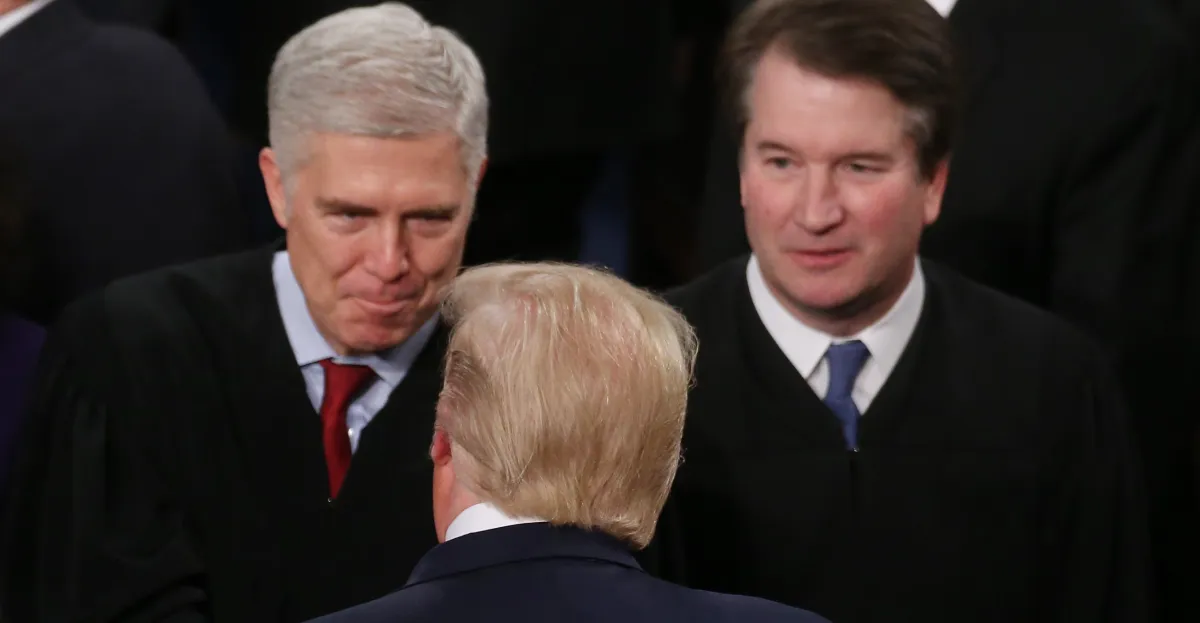
The article discusses how the upcoming Supreme Court cases challenging Trump's tariffs will serve as a loyalty test for Republican justices, examining whether they uphold the major questions doctrine to limit executive power or favor Trump’s policies, highlighting the political and legal implications of their decisions.
The White House argues that President Trump has the constitutional authority to reallocate funds to pay troops during the government shutdown, citing historical precedents from past presidents like Washington and Kennedy, as part of a broader effort to bypass congressional gridlock and maintain military readiness.
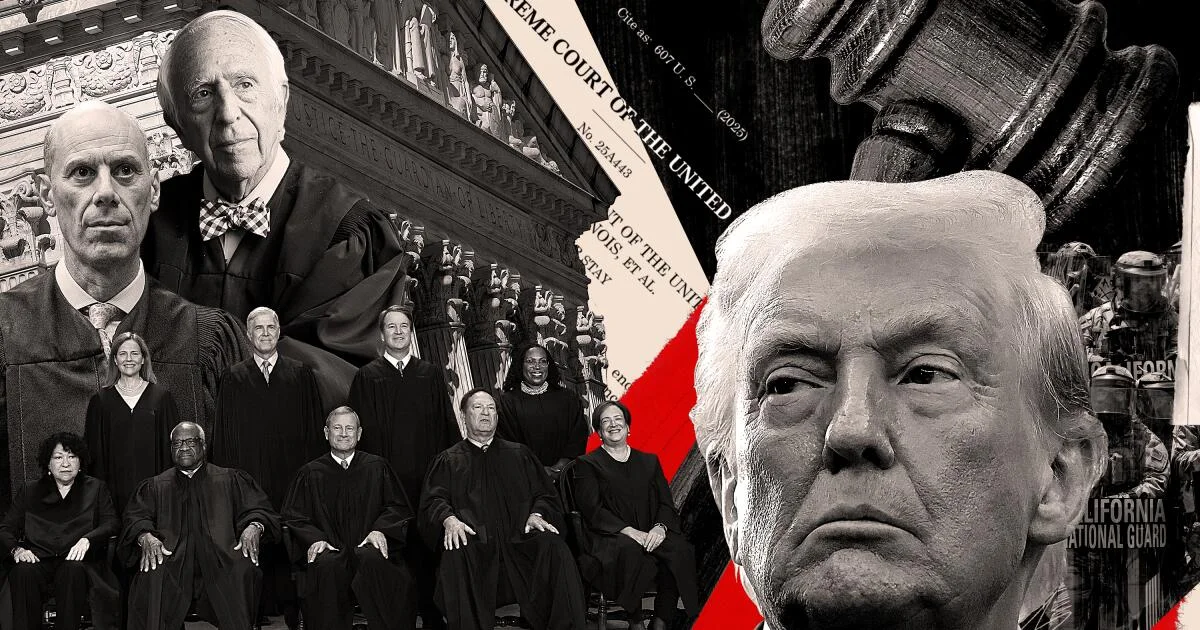
The upcoming Supreme Court term will focus heavily on presidential powers, including cases on voting rights, agency firings, tariffs, and executive orders, amid a conservative majority that has been favoring executive authority, raising questions about the balance of power and the court's influence on government structure.
President Trump is using the government shutdown as an opportunity to consolidate power, weaken institutions, and push a broader agenda of unchecked executive authority, including targeting Democratic-leaning states and institutions, while escalating efforts to diminish the independence of government agencies and other democratic norms.
A potential government shutdown could lead to increased executive power for Trump, including possible mass layoffs and dismantling of government functions, as the administration considers using shutdowns to influence policy and reduce federal workforce, while essential services like Social Security would continue.
The US Supreme Court will hear arguments on November 5 regarding the legality of Donald Trump's global tariffs, which were imposed under a law not explicitly authorizing tariffs, marking a significant test of presidential authority over trade policy amid ongoing legal challenges.
The Federal Reserve cut interest rates by 0.25% amid economic concerns, while political and legal developments include Trump's strained relationship with the courts, a controversial cat mayor election, and congressional hearings on AI and vaccine issues. Additionally, Georgia's Secretary of State announced a gubernatorial run, and investigations into human trafficking and Russian opposition leader Navalny's death continue.
Former officials and legal experts are raising concerns about President Trump's recent missile strikes on boats suspected of drug trafficking, questioning the legality and blurring the lines between law enforcement and military actions, with some critics warning that such unilateral use of force could set dangerous precedents.
The upcoming Supreme Court term is expected to be highly contentious, with over 300 lawsuits challenging President Trump's policies, including issues related to immigration, tariffs, independent agency firings, and birthright citizenship, potentially shaping the legal landscape of his presidency and the scope of executive power.