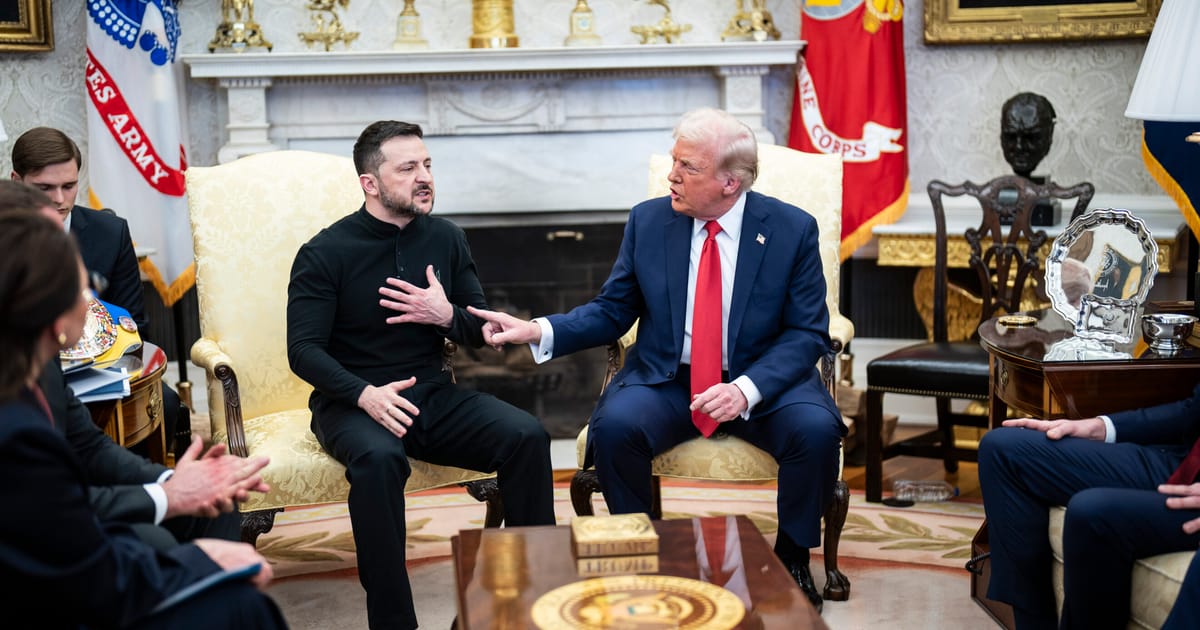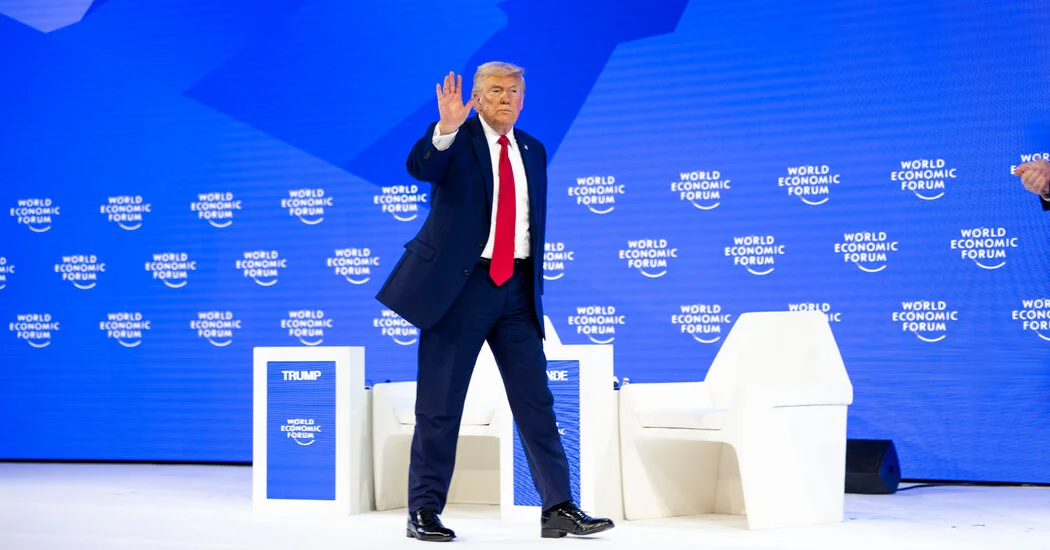
The article discusses Europe's attempts to navigate US unpredictability under President Trump, focusing on two key issues: Greenland, where European leaders dismiss Trump's interest as absurd, and Ukraine, where there is cautious optimism about increased US involvement in securing peace, including potential military support. The overarching theme highlights the uncertainty and strategic calculations in European-US relations amid Trump's unpredictable leadership style.
The article discusses US President Trump's interest in Greenland, justified by a new interpretation of the Monroe Doctrine, and the potential geopolitical and security implications for NATO and Europe, including risks of conflict and destabilization in the Arctic region.
Russia is enhancing its drone capabilities by modifying Shahed long-range strike drones to target Ukrainian aircraft, while conducting missile strikes on Ukrainian infrastructure, including a Kyiv hospital and a Dnipropetrovsk enterprise. Ukrainian forces are responding with countermeasures, and European authorities are investigating undersea cable damages linked to Russia's destabilization efforts. The conflict continues with ongoing Russian advances and Ukrainian resistance across multiple fronts.
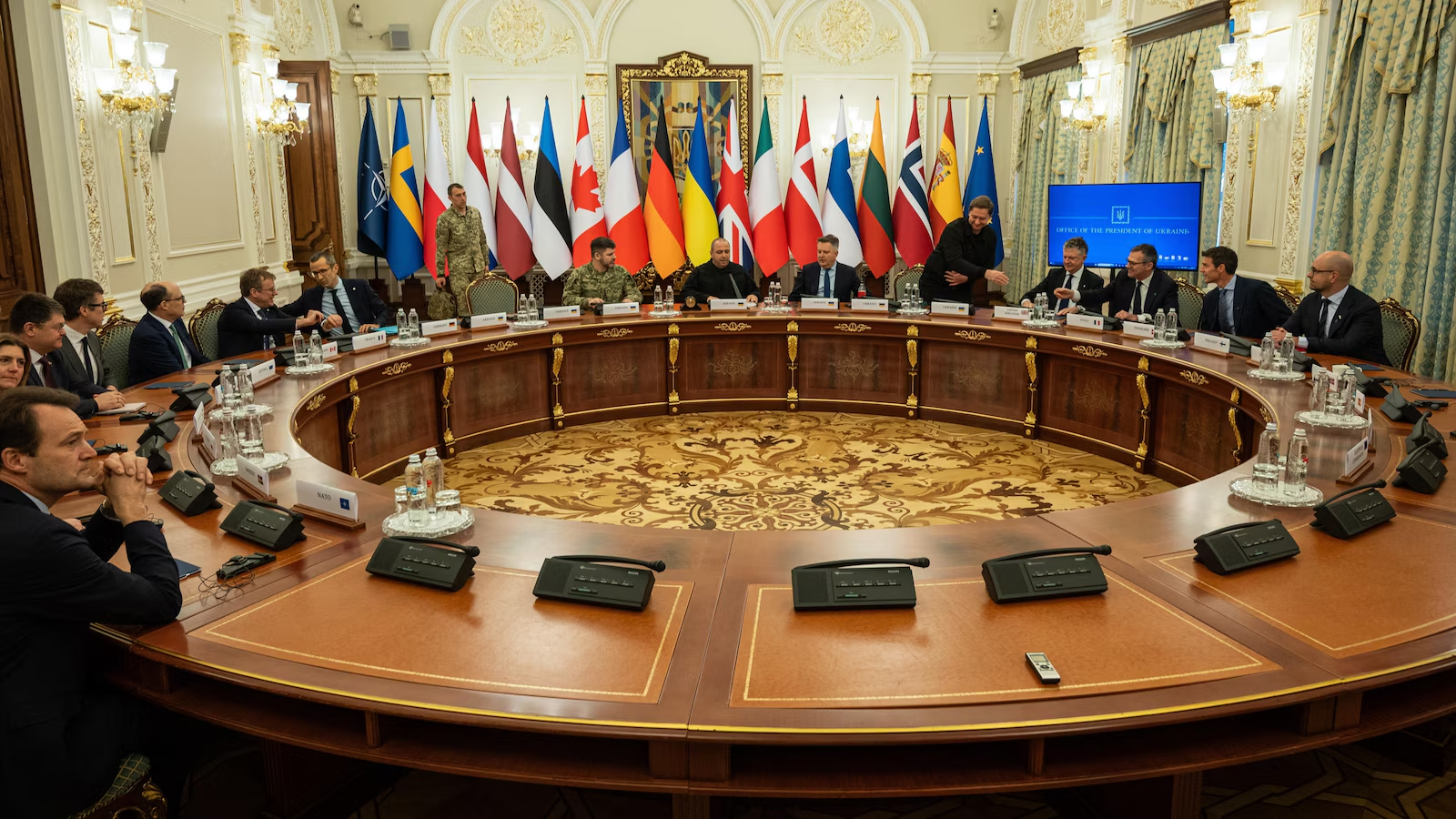
European security advisors are in Kyiv to discuss peace proposals amid intensified diplomatic efforts led by the U.S. to end the Ukraine war, with upcoming meetings involving Ukrainian and European leaders, while recent Russian missile and drone attacks have caused casualties and infrastructure damage.
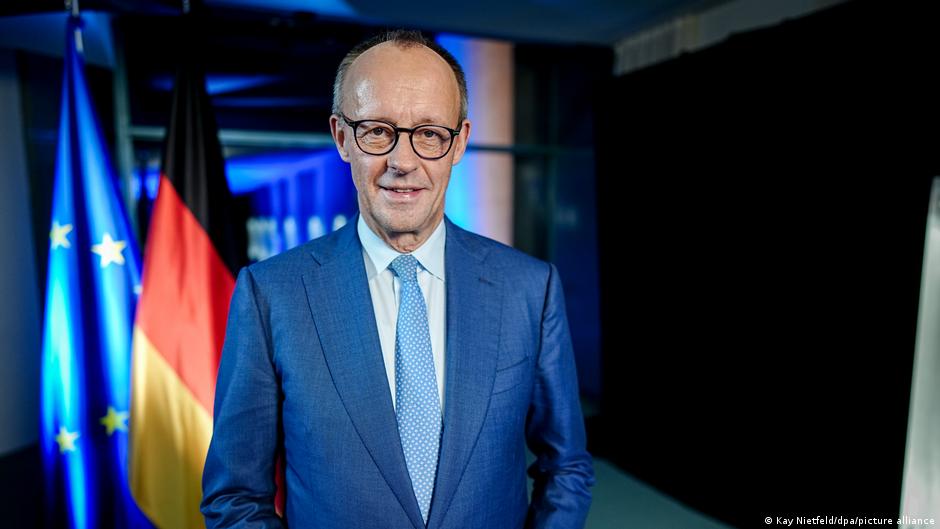
German Chancellor Friedrich Merz expressed optimism in his New Year's address, highlighting the challenges faced in 2025 such as the Ukraine war, economic pressures, and technological changes, while emphasizing the need for reforms and asserting that 2026 could be a year of renewal and new beginnings for Germany and Europe.
Europe has spent a year grieving the loss of its traditional relationship with the US, moving through denial, anger, bargaining, and depression, and now accepting that the era of Pax Americana is over; the key question for 2026 is whether Europe will take meaningful action to pursue its own interests in the new geopolitical landscape.
European leaders and intelligence agencies are issuing frequent warnings of potential conflict with Russia in 2025, driven by geopolitical tensions, military posturing, and strategic interests, though some skeptics question the immediacy and motives behind these alerts.
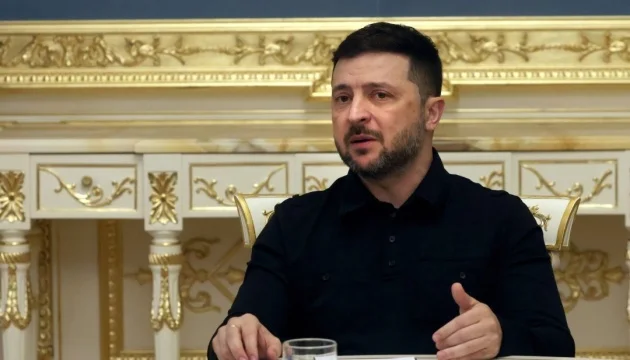
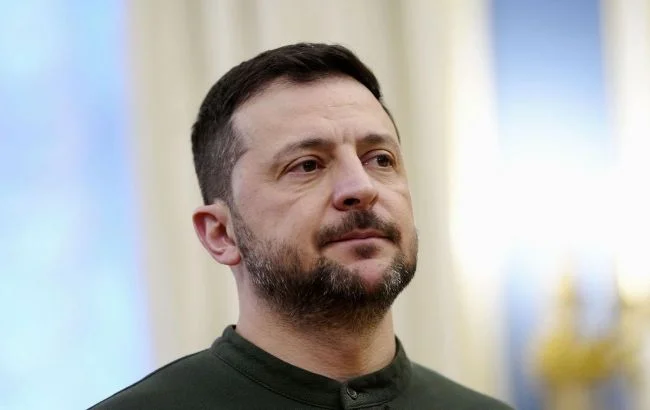
Ukrainian President Zelensky warns Russia may open a second front in Europe before ending its war in Ukraine, citing Russia's hybrid warfare tactics and testing NATO's limits, amid ongoing fierce battles in Donetsk and high Russian casualties.
Ukrainian President Zelenskyy warns that Russia, led by a deadlocked Putin, may open a new front in Europe, possibly attacking another country while continuing its hybrid war against Ukraine, as Zelenskyy emphasizes the ongoing threat and Russia's strategic need for an external enemy.
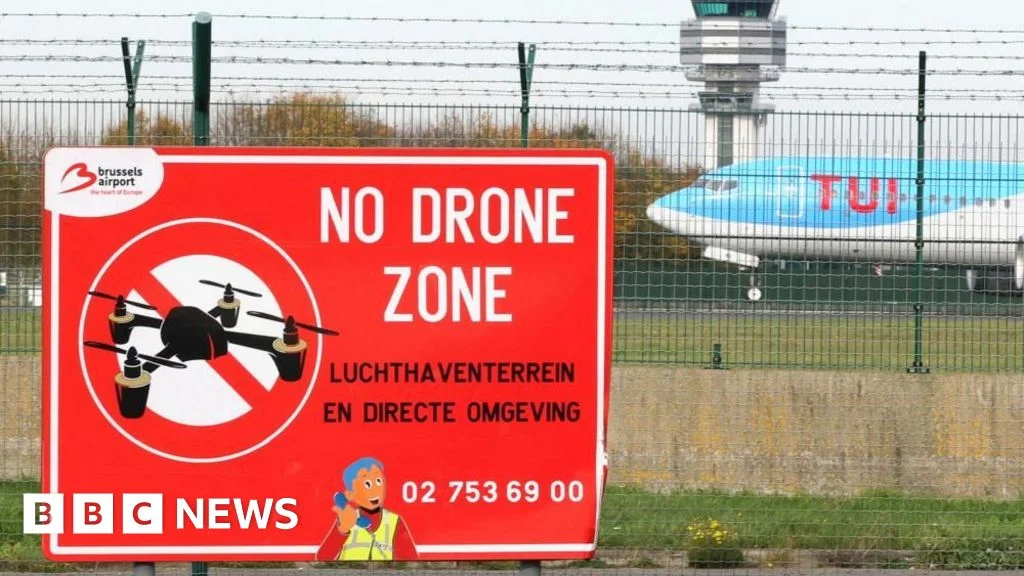
The Belgian government is urgently acquiring drone defenses after sightings caused temporary closure of Brussels' main airport, with concerns over potential Russian involvement and broader European security implications.
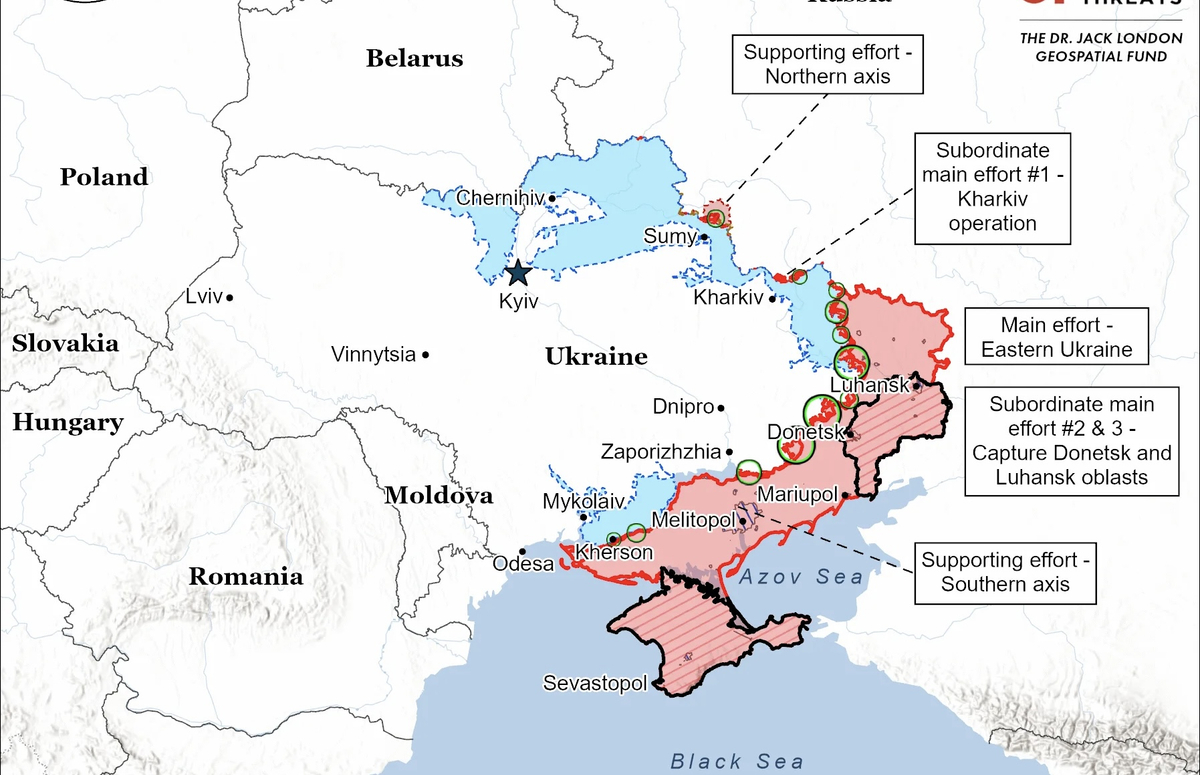
The ISW reports intensified Russian offensive operations around Pokrovsk, Ukraine, with Ukrainian forces conducting a heliborne assault and striking Russian infrastructure, amid ongoing drone warfare, reconnaissance, and security crackdowns in Russia and Europe.
Drones were spotted over Belgium's Kleine Brogel Air Base twice within 24 hours, raising security concerns amid a surge of similar sightings across Europe, with suspicions of Russian involvement and ongoing investigations into the incidents.
The EU is developing a comprehensive military plan called the Defence Readiness Roadmap 2030, aiming to strengthen its defense capabilities, increase joint procurement, and prepare for potential conflicts with Russia by 2030, with a focus on filling capability gaps and enhancing cooperation among member states.
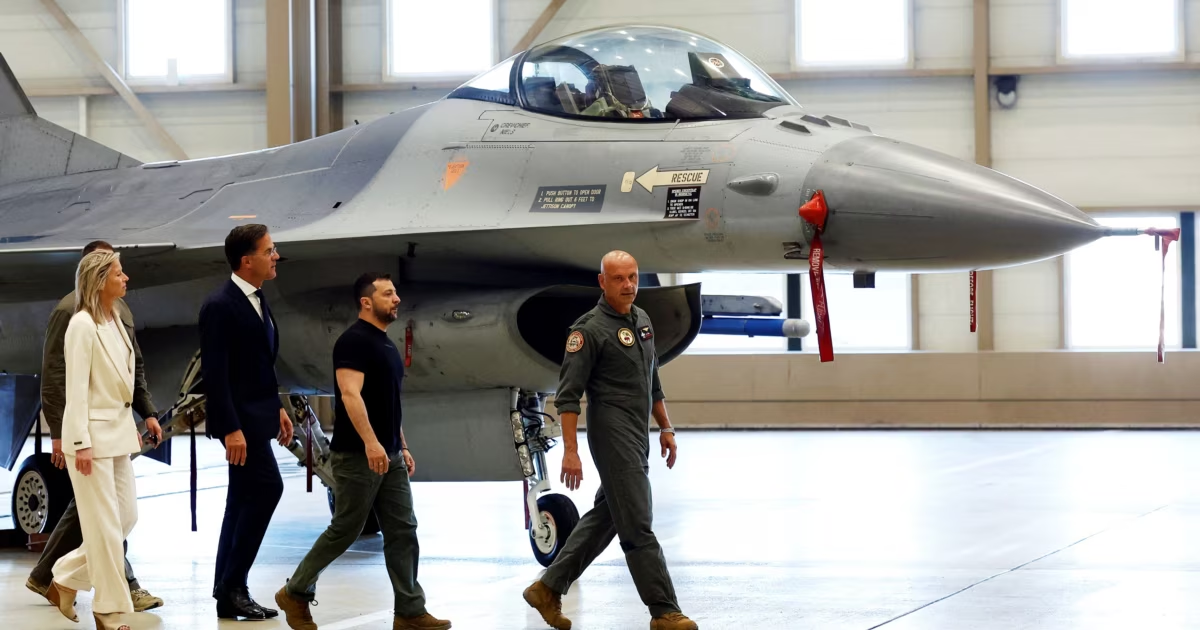
The EU is preparing a comprehensive drone defense plan to counter Russian threats, amid increased military tensions in Europe, including NATO testing anti-drone systems, Germany and Turkey discussing military aid, and ongoing conflicts in Ukraine involving Russian attacks on energy infrastructure and military movements. The US and allies are also increasing military support and warning Russia of potential costs for continued aggression.
NATO aircraft, supported by the U.S. Air Force, conducted a 12-hour patrol near the Russian border in response to recent airspace violations by Russia targeting NATO countries, highlighting rising tensions and increased military activity in Eastern Europe.