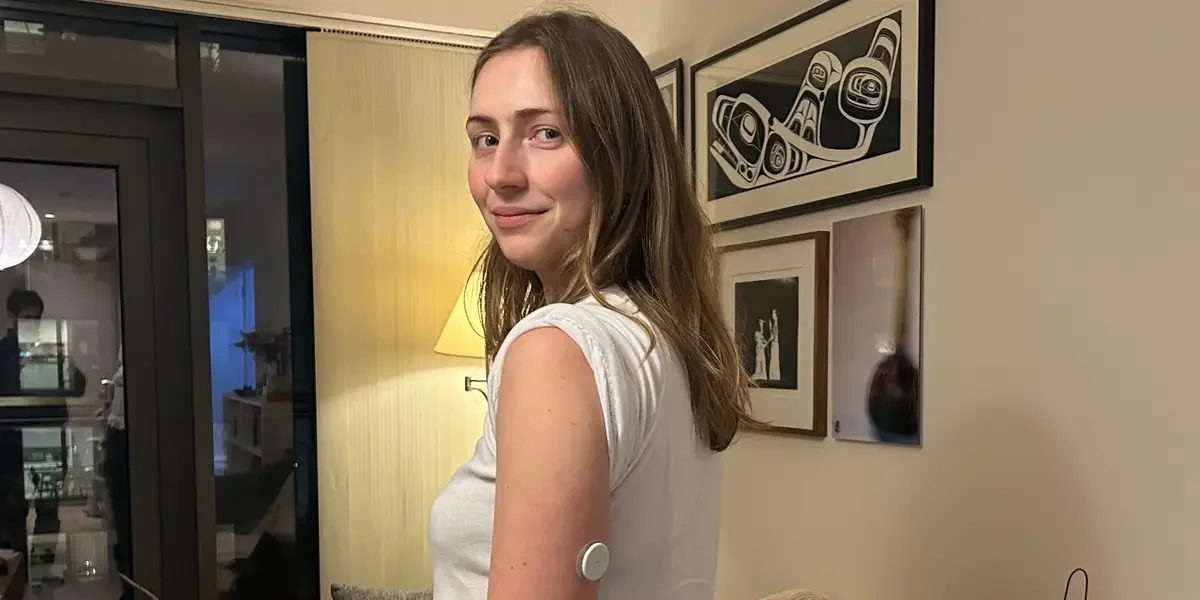
Continuous glucose monitors, originally designed for diabetics, are gaining popularity among healthy individuals for tracking blood sugar levels, but experts warn they may be unnecessary or misleading for those without diabetes due to limited evidence of benefit and potential inaccuracies.
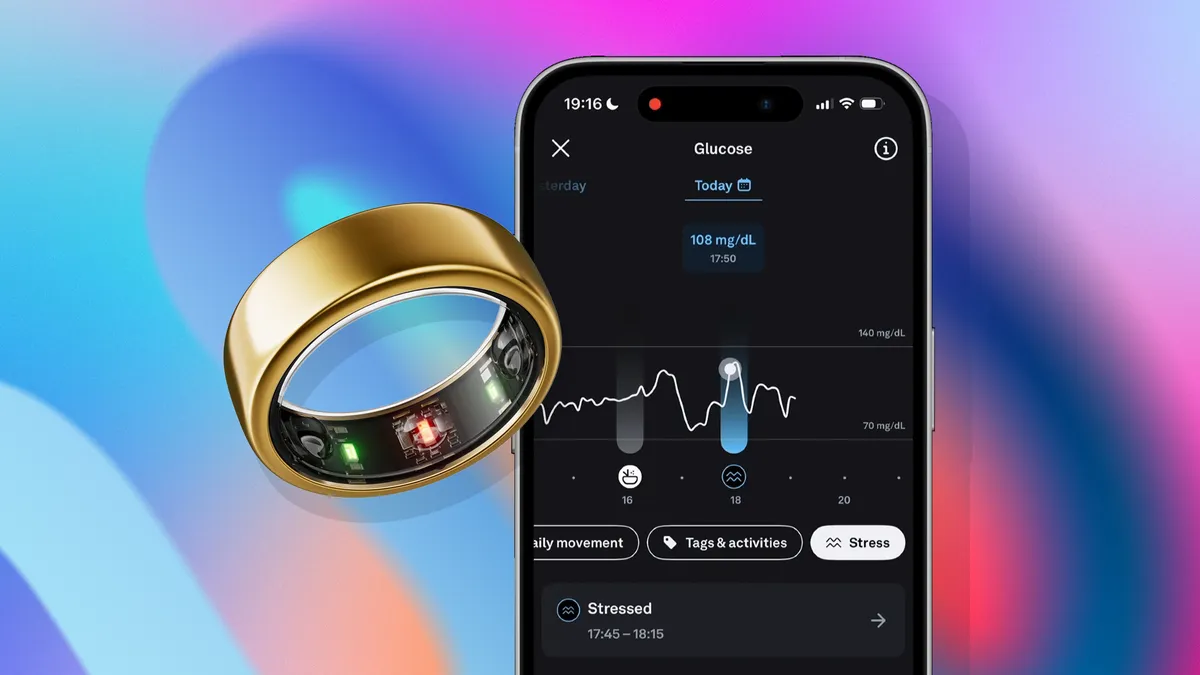
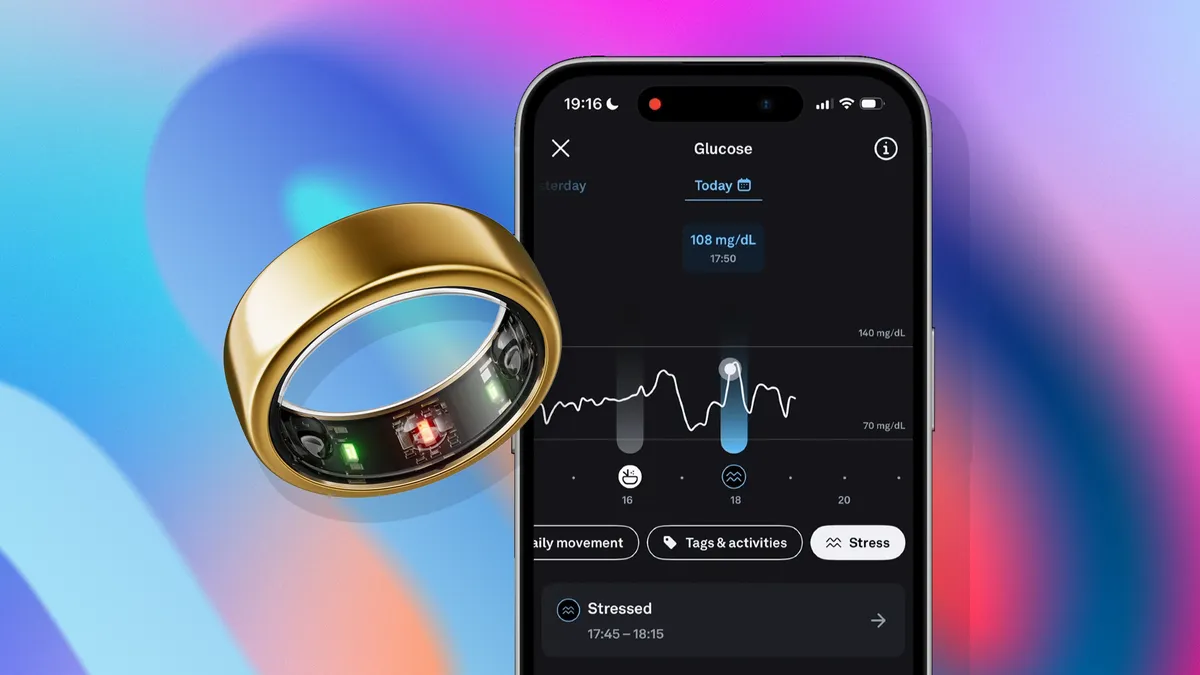
The article explores how using the Oura Ring with Dexcom's Stelo CGM provided surprising insights into blood sugar management for non-diabetics, emphasizing the importance of food pairing, timing, and post-meal activity in maintaining stable glucose levels and overall metabolic health.
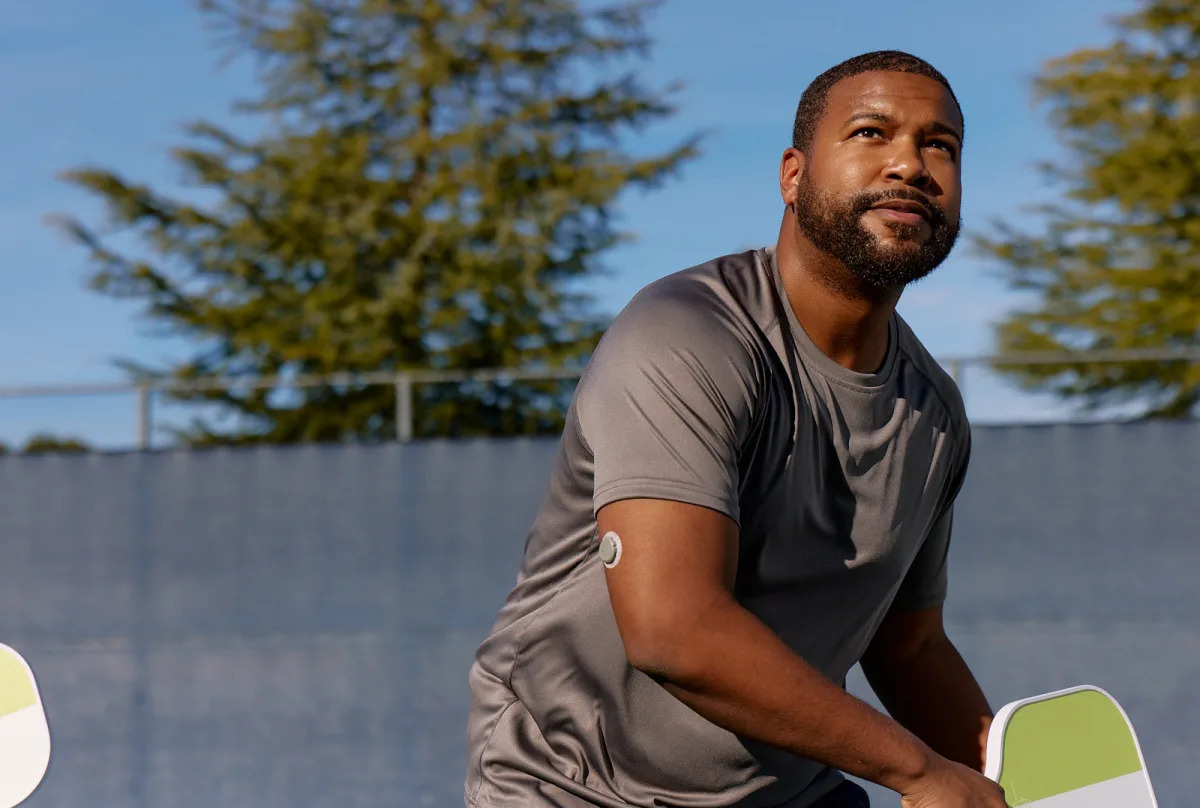
The Oura Ring has partnered with Dexcom's Stelo to enable blood sugar monitoring for non-diabetics, providing real-time insights into how food, activity, and timing affect blood glucose levels. The author tested the system for two weeks, discovering that even healthy foods can cause spikes, but proper food pairing, exercise, and timing can help manage blood sugar effectively without drastic diet changes.
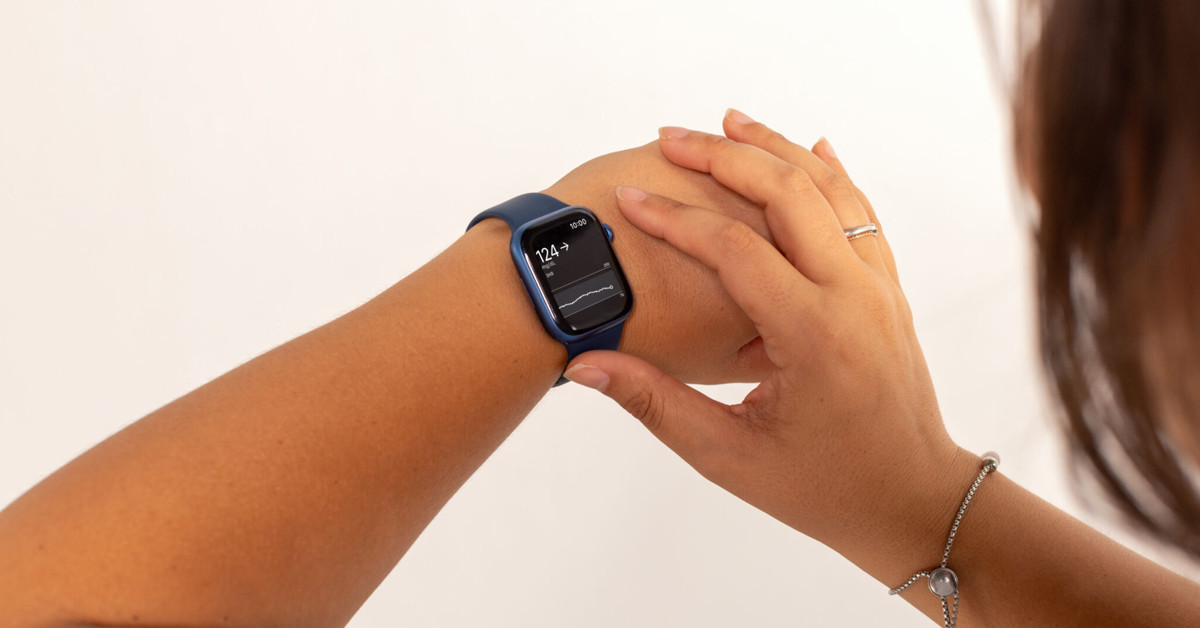
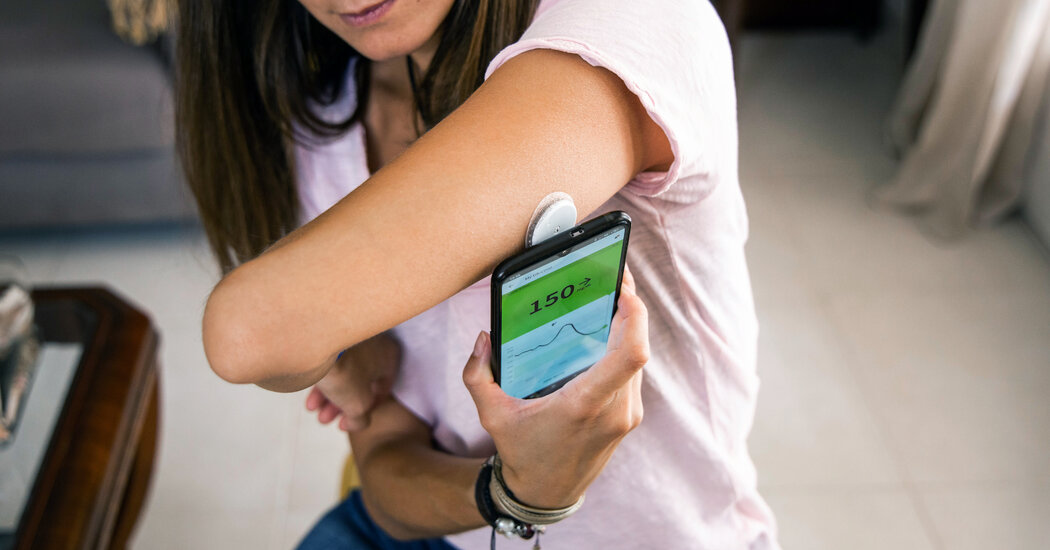
Dexcom G7 CGM users can now monitor their real-time blood sugar data directly from an Apple Watch, using a dedicated Bluetooth connection for instant readings and alerts. This feature, available in the US, UK, and Ireland, requires an Apple Watch Series 6 or later and an iPhone running iOS 17. While it enhances convenience, it doesn't replace the need for a smartphone or Dexcom receiver for setup and comprehensive data analysis.
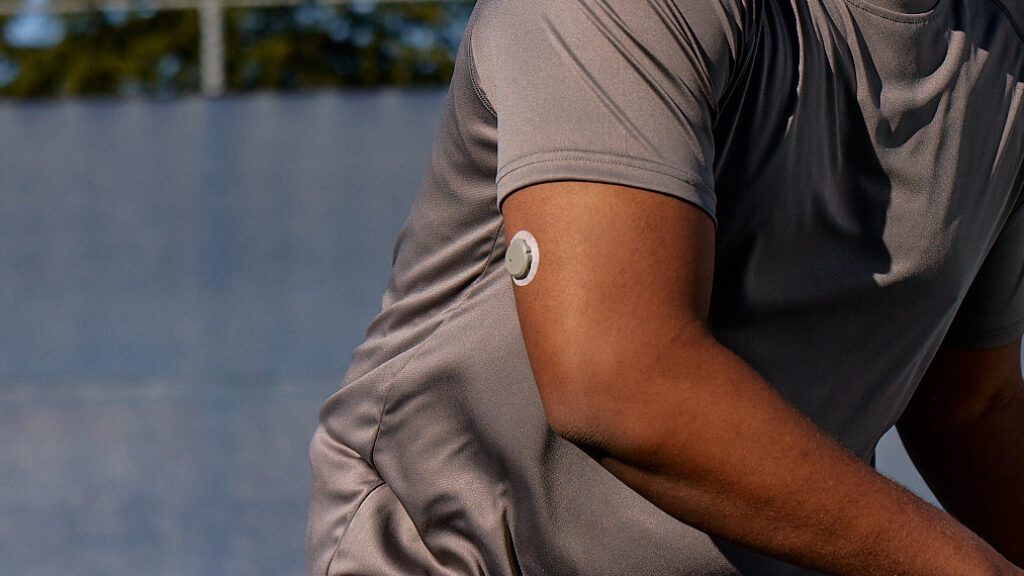
The FDA has approved the first over-the-counter continuous glucose monitor, the Stelo Glucose Biosensor System, designed for people 18 and older who don't use insulin and are treating diabetes with oral medications, as well as adults who want to track glucose levels. The wearable sensor pairs with a smartphone app to monitor, record, and analyze glucose values every 15 minutes, and can be used for up to 15 days before replacement. However, it is not designed to alert users about low blood sugar levels, and medical decisions should not be made based solely on its output without consulting healthcare providers. Dexcom plans to make the Stelo available this summer, with pricing expected to be competitive.
The FDA has approved Dexcom's Stelo Glucose Biosensor System, the first over-the-counter continuous glucose monitor (CGM) for adults 18 and up who are not using insulin, providing a tool for managing diabetes with oral medications and for non-diabetics looking to control sugar intake. The device pairs with a smartphone app to display blood glucose measurements and trends every 15 minutes, and will be available this summer, offering a 15-day patch option for those without insurance coverage for CGM.
The FDA has cleared Dexcom to sell the Stelo, a continuous glucose monitor, over-the-counter to adults without insulin dependence, with the product set to launch this summer. The device is designed for people with type 2 diabetes and those without diabetes who want to monitor their blood sugar levels. Paired with a smartphone app, it provides glucose measurements every 15 minutes. This move marks a significant expansion in access to continuous glucose monitoring technology, which has become a lucrative market for companies like Dexcom and Abbott.
Dexcom has received FDA clearance for its over-the-counter continuous glucose monitor, Stelo, designed for Type 2 diabetes patients who do not use insulin. This marks the first glucose biosensor not requiring a prescription, making it accessible to those without insurance coverage for CGMs. The device, to be available online this summer, offers real-time glucose tracking and lasts up to 15 days. Dexcom aims to provide a simpler experience tailored for Type 2 patients and plans to eventually secure insurance coverage for Stelo.
The FDA has approved the first over-the-counter continuous glucose monitor, the Dexcom Stelo Glucose Biosensor System, designed for individuals 18 years and older who do not use insulin. This integrated CGM allows users to monitor and analyze glucose levels using a wearable sensor and a smartphone app, providing valuable information about their health without the involvement of a healthcare provider. However, it is not intended for individuals with problematic hypoglycemia. This approval aligns with the FDA's goal of advancing health equity by expanding access to valuable health information for all patients.
Continuous glucose monitors (CGMs) are becoming popular among people without diabetes who want to optimize their health, but their benefits for non-diabetic individuals are still unclear. CGMs, which monitor glucose levels in real time, were originally developed for people with diabetes but are now being marketed to non-diabetic users. While CGMs are indispensable for people with diabetes, evidence is lacking that tracking glucose levels is advantageous for non-diabetic individuals. Claims that CGMs aid in weight loss and protect heart health are controversial, and the potential benefits of CGMs are most significant for individuals at risk of developing diabetes. However, for young and healthy individuals, the cost of CGMs may not be justified by the potential benefits.
Actress Ellen Pompeo, known for her role in Grey's Anatomy, has revealed that she uses a Continuous Glucose Monitor (CGM) to track her blood sugar levels and manage her sugar cravings. The device, which is typically used by people with diabetes, can also be used by non-diabetics to improve their health by tracking how different foods and activities affect their blood sugar levels. Pompeo uses the Signos app that pairs with a CGM to track her glucose level 24 hours a day and has found that it has helped her change her eating habits and manage her metabolic changes.
Dr. Rangan Chatterjee, an NHS doctor and broadcaster, wore a continuous glucose monitor (CGM) to track his blood glucose levels after eating three slices of pizza and was shocked to see his reading shoot up to the highest level he had ever seen. He believes that if people could see the real-time effect of sustained spiking of their blood glucose, they might think before they eat. Chatterjee has signed up as an advisor to Levels, an app set to launch this summer that provides real-time feedback on how diet and lifestyle affect metabolic health by leveraging data from biosensors, such as CGMs.