
Wild and Witty: 21 Medical Pros Share The Craziest Patient Complaints
BuzzFeed’s collection rounds up 21 anecdotes from medical professionals about the wild, humorous, and occasionally baffling complaints they’ve received from patients and families.

All articles tagged with #medical professionals
BuzzFeed’s collection rounds up 21 anecdotes from medical professionals about the wild, humorous, and occasionally baffling complaints they’ve received from patients and families.

A collection of 21 shocking and graphic autopsy stories shared by doctors, autopsy examiners, and medical professionals, revealing unusual findings and experiences from their work with deceased bodies.

Medical professionals share stories of patients who accurately diagnosed themselves with various conditions, highlighting cases where patient intuition or research led to correct diagnoses, sometimes before doctors identified the issues.
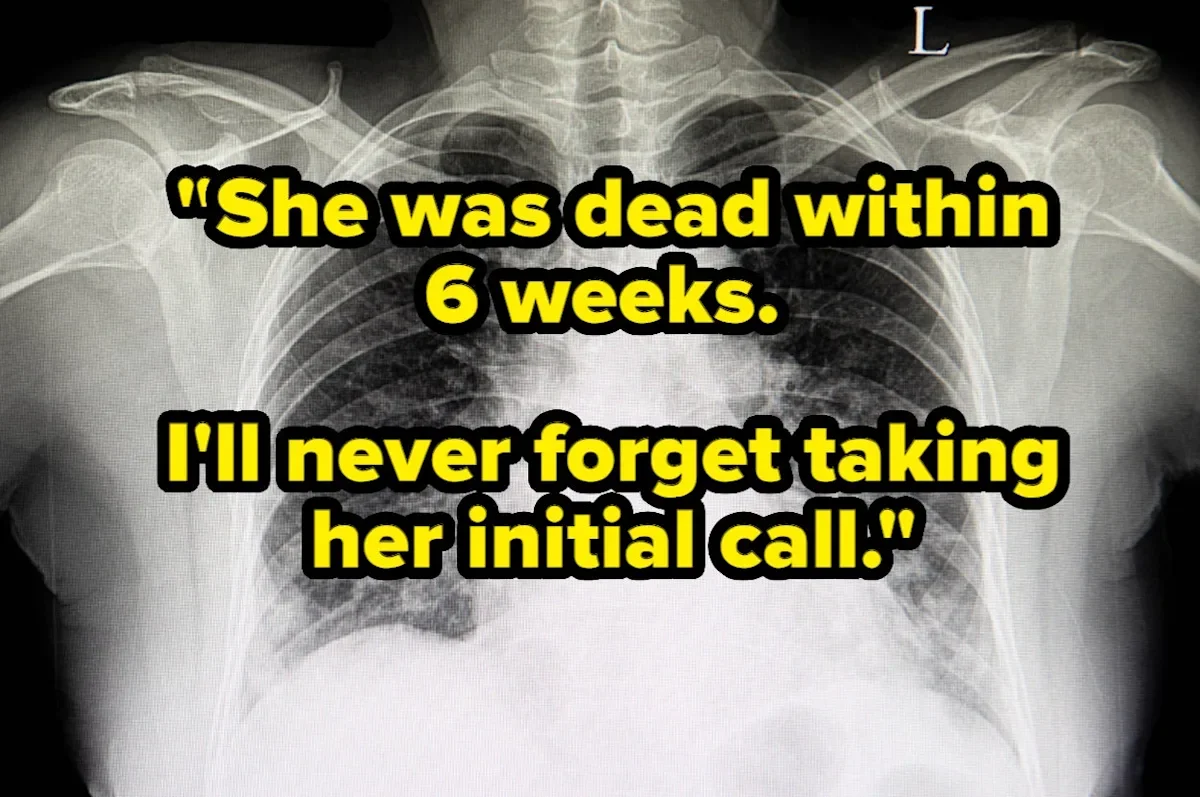
Medical professionals share stories of patients who accurately diagnosed themselves with conditions, highlighting cases from self-diagnosed hypoglycemia to leukemia, demonstrating that sometimes patients' instincts are correct and can lead to crucial diagnoses.
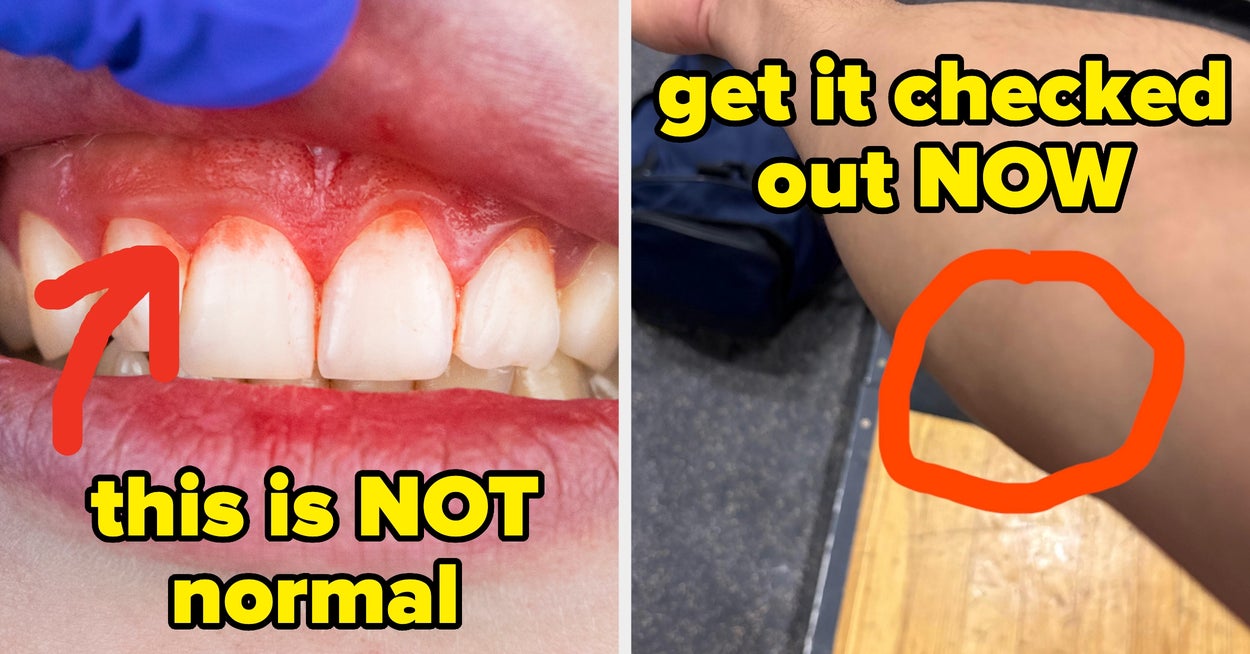
The article shares crucial health signs that should never be ignored, such as persistent high fever, bleeding gums, new sounds in the ears, unexplained weight loss, sudden mental health changes, and symptoms of heart attack, emphasizing the importance of early medical intervention to prevent serious health issues.

Medical professionals share bizarre and surprising facts about the human body, such as ovaries developing teeth tumors, patients feeling no pain during brain surgery, and the liver's smooth texture, revealing the body's astonishing and often unsettling features.

Medical professionals have shared numerous shocking HIPAA violations, including unauthorized chart access, leaking patient information, and mishandling sensitive data, highlighting ongoing issues with patient privacy in healthcare settings.

Medical professionals share 21 small habits that people often overlook but can significantly improve their health, including wearing sunblock to prevent skin damage, using hearing protection to prevent noise-induced hearing loss, increasing protein intake to maintain muscle mass, seeking medical attention for persistent issues, staying physically active, stretching regularly, getting enough vitamin D, quitting smoking, taking care of eye health, staying hydrated, practicing diaphragmatic breathing, maintaining oral hygiene, checking feet for diabetic individuals, prioritizing mental health, getting regular check-ups, and taking care of the body to prevent future health issues.

A study suggests that ChatGPT, an AI language model, can provide reliable and understandable answers to common questions about radiation oncology, potentially reducing workload and burnout among physicians. The technology's responses were found to be on par with or better than those provided by experts on the internet, prompting the development of a generative AI app to assist patients with radiation oncology treatment inquiries. While AI's potential in oncology is promising, concerns about ethical and legal considerations, as well as biases in data sets used for training, remain.

Oprah Winfrey hosted a TV special discussing the use of GLP-1 weight loss drugs and the stigma surrounding obesity, aiming to change the conversation and reduce shame and judgment. The special highlighted the complexity of obesity as a disease, the need for comprehensive treatment, and the importance of addressing misinformation and biases. Experts hope the special will help shift the focus from weight loss to health and empathy, while emphasizing the necessity of combining medication with lifestyle interventions and seeking proper medical guidance.
Medical professionals share various health tips, including the importance of hydration, proper medication use, adequate sleep, and seeking mental healthcare. They also emphasize the significance of understanding women's anatomy, discussing end-of-life care, and addressing common misconceptions about health. Additionally, they stress the impact of diet, exercise, and basic body care on overall health and well-being.
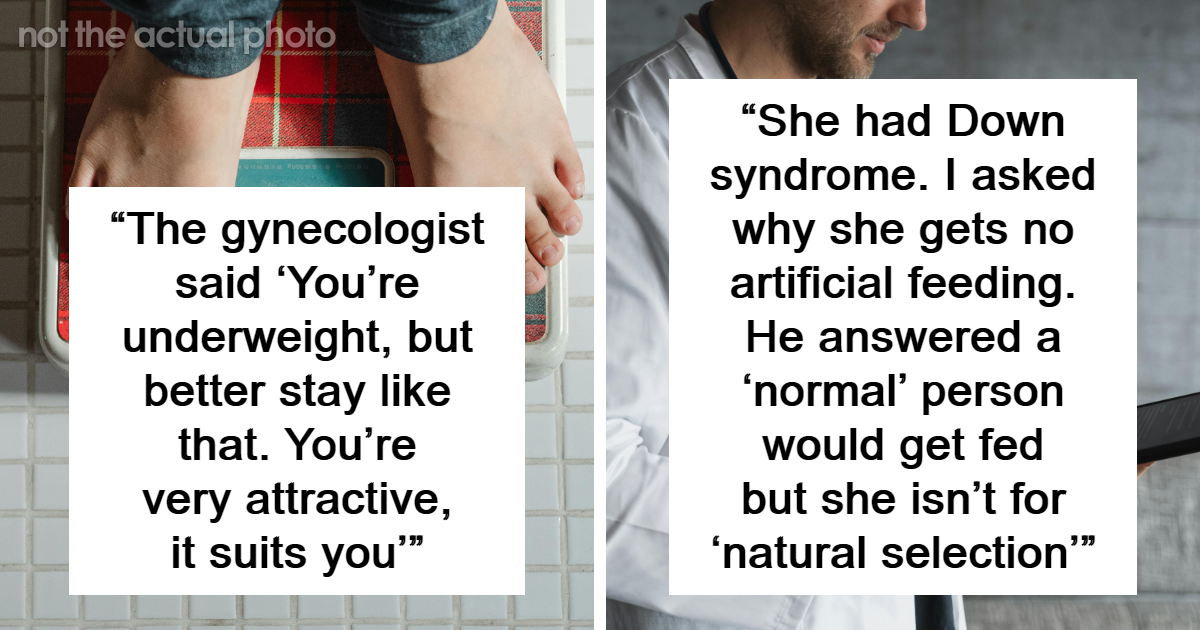
Patients share instances of doctors making inappropriate and unprofessional comments, including body shaming, dismissive attitudes, and lack of empathy. Professionalism in the medical field is crucial, encompassing excellence, accountability, altruism, humanism, respect for others, and honor and integrity. These stories highlight the need for medical professionals to prioritize patient care and uphold ethical standards.

A recent analysis found that ChatGPT's exercise recommendations, while mostly accurate, did not fully reflect standard medical guidelines and often provided misinformation, particularly for specific health conditions. The tool also frequently advised seeking medical clearance before exercising, even when unnecessary, potentially discouraging physical activity. The researchers caution against relying solely on AI for exercise recommendations and suggest future studies focus on appropriateness, costs, and feasibility.
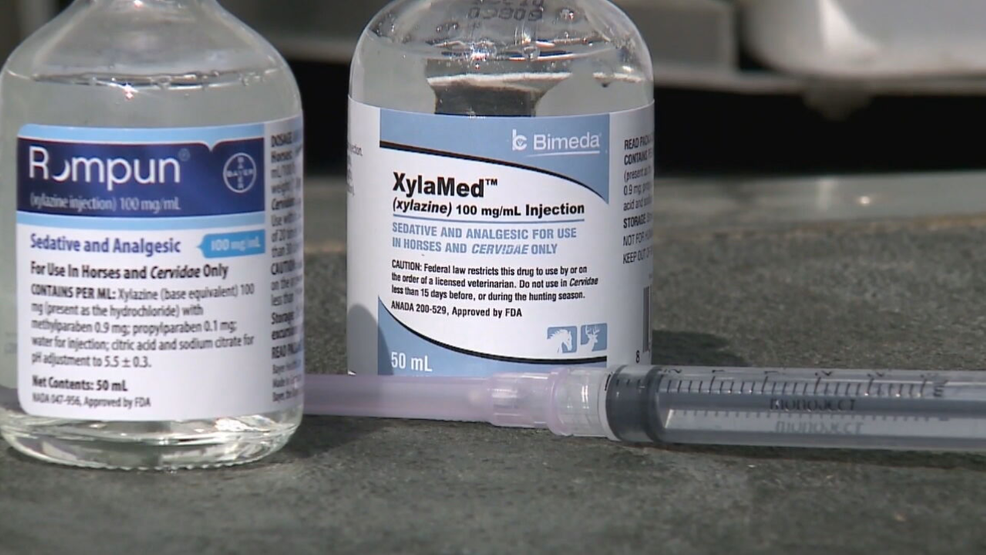
Xylazine, a sedative meant for animals, is now being used as a dangerous street drug in Nashville, causing concerns for public health and safety. It has been found in drug busts and autopsies, and can lead to open sores and even the loss of limbs. Metro Police believe it is coming in from the Southern border and is being sold along with fentanyl and mixed in with other drugs. Medical professionals are now working to collect data on how to best treat the significant wounds caused by this new public health issue.

Specialists and medical professionals suggest that individuals with ADHD, who often struggle to focus in noisy environments, may benefit from using noise-cancelling headphones to minimize distractions and improve concentration at work or in other settings. The ability to filter out extraneous sounds can be particularly challenging for those with ADHD, making noise-cancelling headphones a potentially helpful tool for managing symptoms.