Tag

Healthcaretechnology

All articles tagged with #healthcaretechnology

"Veradigm's Bold AI Venture with ScienceIO: A Deep Dive"

Originally Published 1 year ago — by Forbes

Featured image for "Veradigm's Bold AI Venture with ScienceIO: A Deep Dive"
Source: Forbes

Veradigm, formerly known as Allscripts, is attempting to revitalize itself by leveraging its $140 million acquisition of AI startup ScienceIO to harness its competitive advantage in healthcare data. The company aims to use ScienceIO's AI models to clean and structure decades worth of medical data, including 200 million patient records and 5 billion notes, for potential sale to pharmaceutical companies. With a focus on cardiac, metabolic, and central nervous system diseases, Veradigm hopes to achieve 10% revenue growth by 2026. Despite skepticism, the company, which owns the data rights, is optimistic about its AI-powered future and profitability, although concerns about data quality and privacy persist.

"Cutting-Edge Prostate Cancer Treatment Debuts in Hawaii"

Originally Published 1 year ago — by Hawaii News Now

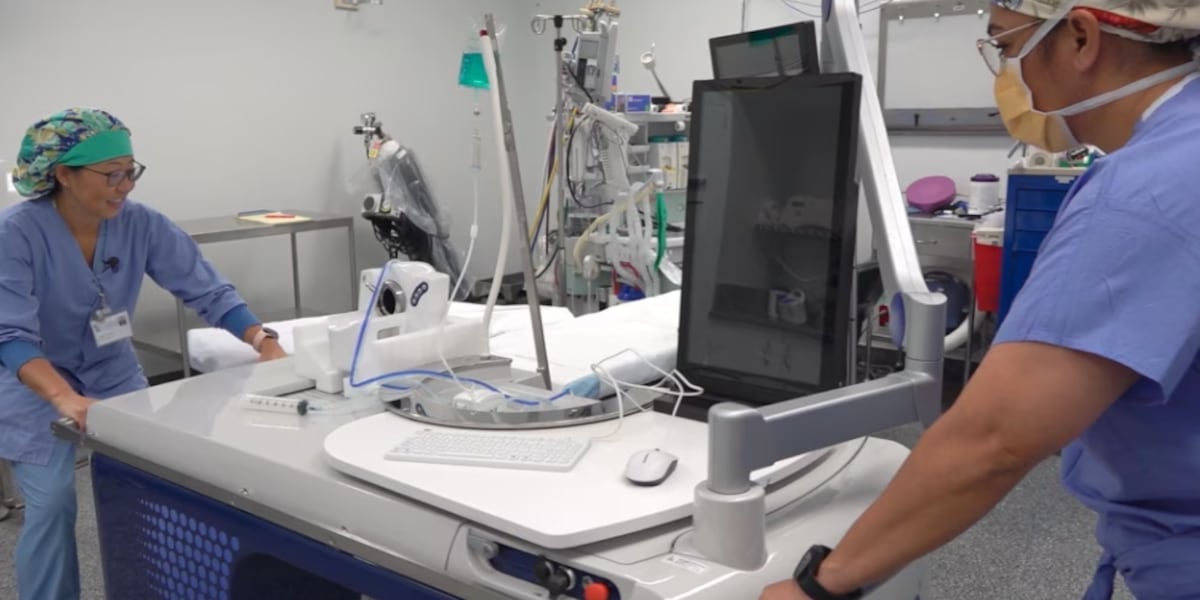
Featured image for "Cutting-Edge Prostate Cancer Treatment Debuts in Hawaii"
Source: Hawaii News Now

Kuakini Medical Center in Hawaii is now offering the Robotic Focal HIFU, a non-invasive high-tech treatment for prostate cancer that uses focused ultrasound to destroy cancerous cells without harming healthy tissue. The outpatient procedure takes about an hour, and patients can return home the same day. This new treatment option is repeatable and will not impact patients' future options for radiation or surgery.

"Study: ChatGPT Provides Expert Answers on Cancer Therapy Questions"

Originally Published 1 year ago — by Forbes

Featured image for "Study: ChatGPT Provides Expert Answers on Cancer Therapy Questions"
Source: Forbes

A study suggests that ChatGPT, an AI language model, can provide reliable and understandable answers to common questions about radiation oncology, potentially reducing workload and burnout among physicians. The technology's responses were found to be on par with or better than those provided by experts on the internet, prompting the development of a generative AI app to assist patients with radiation oncology treatment inquiries. While AI's potential in oncology is promising, concerns about ethical and legal considerations, as well as biases in data sets used for training, remain.

Cyberattacks on Healthcare Industry: Impact and Recovery

Originally Published 1 year ago — by Yahoo Finance

Featured image for Cyberattacks on Healthcare Industry: Impact and Recovery
Source: Yahoo Finance

Fitch does not expect the cyberattack at UnitedHealth's tech unit Change Healthcare to have a credit impact on not-for-profit hospitals in the U.S., as long as care providers can resume normal operations and maintain sufficient cash reserves. The cyberattack, initially attributed to a suspected nation-state actor, disrupted pharmacies across the U.S. and was later claimed by the "Blackcat" ransomware group. Change Healthcare plays a crucial role in processing a significant portion of medical claims in the U.S.

"AI-Enhanced Blood Test for Early Sepsis Detection Shows Promise"

Originally Published 1 year ago — by The Guardian

Featured image for "AI-Enhanced Blood Test for Early Sepsis Detection Shows Promise"
Source: The Guardian

Researchers have combined a simple blood test with artificial intelligence to potentially diagnose sepsis earlier and identify patients at high risk of severe complications. By analyzing proteins associated with the body's immune response to sepsis, they trained an AI model to predict the likelihood of patients developing septic shock and organ dysfunction. This approach could lead to more accurate sepsis diagnosis and help determine who is at greater risk of poorer outcomes, potentially saving lives. The technology is not yet ready for clinical use, but it represents a significant step in the right direction for early detection of sepsis.

"AI Predicts Breast Cancer Treatment Side-Effects and Long-Term Prognosis"

Originally Published 1 year ago — by The Guardian

Featured image for "AI Predicts Breast Cancer Treatment Side-Effects and Long-Term Prognosis"
Source: The Guardian

Doctors have developed an AI tool to predict side-effects in breast cancer patients after treatment, aiming to provide more personalized care and support. The tool, trained using data from 6,361 patients, can predict lymphoedema with 73.4% accuracy and identify patients at higher risk of arm swelling, allowing for alternative treatments or additional support. The AI tool is being trialled in the UK, France, and the Netherlands and is part of a clinical trial called the Pre-Act project. Additionally, researchers have found that combined PET-MRI scans can help detect tumour spread, while low-dose boost radiotherapy has shown promise in preventing local recurrence in young breast cancer patients.

"UT's SXSW Panels: Exploring Brain-Computer Interface and Technological Innovation"

Originally Published 1 year ago — by WIRED

Featured image for "UT's SXSW Panels: Exploring Brain-Computer Interface and Technological Innovation"
Source: WIRED

Brain-computer interfaces (BCIs) are advancing, with devices like the Stentrode offering wireless, minimally invasive options for patients with severe disabilities. Neurosurgeon Shahram Majidi discusses the intricate surgical process and the life-changing impact on patients, envisioning a future where BCIs become routine procedures for various conditions. As the field progresses, he anticipates a growing demand for BCI surgeons and the potential for expanding BCI applications beyond paralysis to treat conditions like seizures, depression, and eating disorders.

"Medicare Providers Affected by Change Healthcare Hack Receive HHS Assistance"

Originally Published 1 year ago — by The Washington Post

Featured image for "Medicare Providers Affected by Change Healthcare Hack Receive HHS Assistance"
Source: The Washington Post

The Department of Health and Human Services (HHS) has announced a plan to assist Medicare providers affected by the recent cyberattack on Change Healthcare, part of UnitedHealth Group, which has disrupted the health payment network. The Centers for Medicare and Medicaid Services (CMS) will work with health insurers to expedite billing processes and provide advance funding to affected organizations. Some hospitals and medical practices are facing cash flow problems due to the inability to submit claims and receive payments. HHS is taking direct action to support the health care community, but concerns remain about the sufficiency of the measures announced.

"Rising Concerns Over Cyberattacks Impacting Health Care Providers and Pharmacies"

Originally Published 1 year ago — by American Hospital Association

Featured image for "Rising Concerns Over Cyberattacks Impacting Health Care Providers and Pharmacies"
Source: American Hospital Association

Change Healthcare, a part of UnitedHealth Group, was hit with a cyberattack, disrupting its systems and services, potentially impacting health care providers. The American Hospital Association (AHA) recommends affected organizations consider disconnection from Change Healthcare applications, prepare downtime procedures, and monitor updates. Change Healthcare has not provided a specific recovery timeframe and has stated confidence in the security of nonimpacted systems. The AHA is in communication with government agencies and Optum to support patients' access to care and providers' financial needs. Organizations can share confidential impact information with the AHA and are advised to visit www.aha.org/cybersecurity for resources.

"Healthcare Regulators Grapple with AI's Growing Role in Patient Diagnosis"

Originally Published 1 year ago — by Futurism

Featured image for "Healthcare Regulators Grapple with AI's Growing Role in Patient Diagnosis"
Source: Futurism

Doctors are already using unregulated and little-tested AI tools to aid in diagnosing patients, causing concern among regulators. The constantly evolving nature of AI models presents a challenge for regulation, as government regulators are already stretched thin. One proposed solution is for medical schools and academic health centers to create labs to constantly audit the performance of AI healthcare tools, but questions remain about resource allocation and representation of diverse patient populations. While AI holds potential for improving the medical system, its current forays into healthcare highlight the uncomfortable realities of the technology in life-or-death settings.

"AI's Impact on Health Care Decision-Making and Legislation"

Originally Published 1 year ago — by POLITICO

Featured image for "AI's Impact on Health Care Decision-Making and Legislation"
Source: POLITICO

The use of unregulated artificial intelligence tools in healthcare, such as predictive software and virtual assistants, has outpaced government regulation, posing challenges for agencies like the FDA. The FDA lacks the resources and authority to effectively oversee the constantly evolving AI technology, leading to calls for public-private assurance labs to validate and monitor AI in healthcare. Industry backlash and confusion over the scope of FDA authority further complicate the regulatory landscape, while concerns persist about the effectiveness of current oversight and the need for AI systems to demonstrate improved patient outcomes.

"AI's Role in Alleviating America's Primary Care Physician Shortage and Burnout Crisis"

Originally Published 1 year ago — by Fortune

Featured image for "AI's Role in Alleviating America's Primary Care Physician Shortage and Burnout Crisis"
Source: Fortune

The United States is facing a shortage of primary care doctors, leading to increased workloads and burnout among physicians. AI technology has the potential to alleviate this crisis by reducing administrative tasks, automating documentation, and suggesting treatment plans based on patient data. By allowing doctors to spend more time building relationships with patients, AI can make primary care a more sustainable and attractive profession, ultimately improving the overall healthcare experience for all.

Lawsuit alleges surgical robot burned and tore organs during surgery

Originally Published 1 year ago — by Yahoo News

Featured image for Lawsuit alleges surgical robot burned and tore organs during surgery
Source: Yahoo News

A man is suing Intuitive Surgical, the maker of the da Vinci surgical robot, alleging that the robot burned and tore his wife's small intestine during surgery, leading to her death. The lawsuit claims that the company received numerous reports of injuries and defects related to the robot, and that it underreported the severity of these injuries to the FDA. The plaintiff is seeking damages and relief on the grounds of negligence and product liability.

"AI Predicts Glioblastoma Survival and Guides Treatment in Groundbreaking Study"

Originally Published 1 year ago — by Daily Mail

Featured image for "AI Predicts Glioblastoma Survival and Guides Treatment in Groundbreaking Study"
Source: Daily Mail

Researchers at King's College London have trained an artificial intelligence system to predict the survival rate of patients with glioblastoma, the most lethal form of brain cancer, following radiotherapy. The AI can determine if patients will live for at least eight months, allowing doctors to explore other treatments if necessary. By analyzing a single MRI scan, the AI can provide the same results as regular scans, potentially eliminating delays in treatment. This development could improve the identification of patients who require early second-line treatment or clinical trial enrollment, ultimately empowering patients to make informed choices about their treatment.

"Revolutionizing US Healthcare: Tech Start-Ups' Slick Makeover"

Originally Published 1 year ago — by BBC.com

Featured image for "Revolutionizing US Healthcare: Tech Start-Ups' Slick Makeover"
Source: BBC.com

Several tech start-ups are revolutionizing the US healthcare industry by offering curated, minimalist, and efficient healthcare services, both physically and digitally. These companies aim to address major pain points in the healthcare system, such as cost and accessibility, by providing inviting and spa-like environments, simplifying appointment-booking, and working directly with insurers. The proliferation of virtual health start-ups has been accelerated by the pandemic, making digital services more desirable and accessible. While these disruptors have made healthcare more accessible and convenient, their overall success and viability remain uncertain, with the need for collaboration between traditional healthcare providers and start-ups to navigate regulatory and payment challenges.