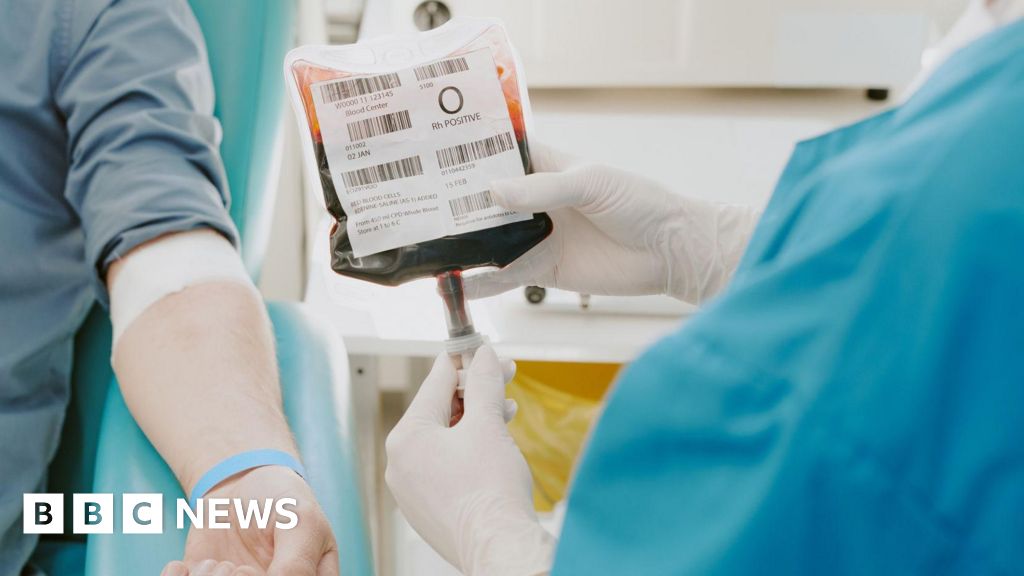
A Scottish court has authorized a blood transfusion for a 14-year-old Jehovah's Witness girl in an emergency, despite her religious refusal, considering her capacity and the potential severity of not administering the transfusion.
The article explores the author's experience volunteering for a dengue fever clinical trial, highlighting the ethical considerations, risks, informed consent process, and motivations behind participation, including altruism and financial compensation, within the broader context of medical research.
The article exposes how private clinics like XCancer profit significantly from cancer drug trials, often at the expense of patient transparency and scientific integrity, raising concerns about ethical practices and the true benefit to patients.
A brain surgeon in Austria is on trial after allegedly allowing her 12-year-old daughter to drill a hole in a patient's skull during surgery, an act she denies, claiming her daughter only held the drill under supervision. The incident has sparked outrage and concerns over medical ethics, with the case ongoing and the hospital staff involved fired.
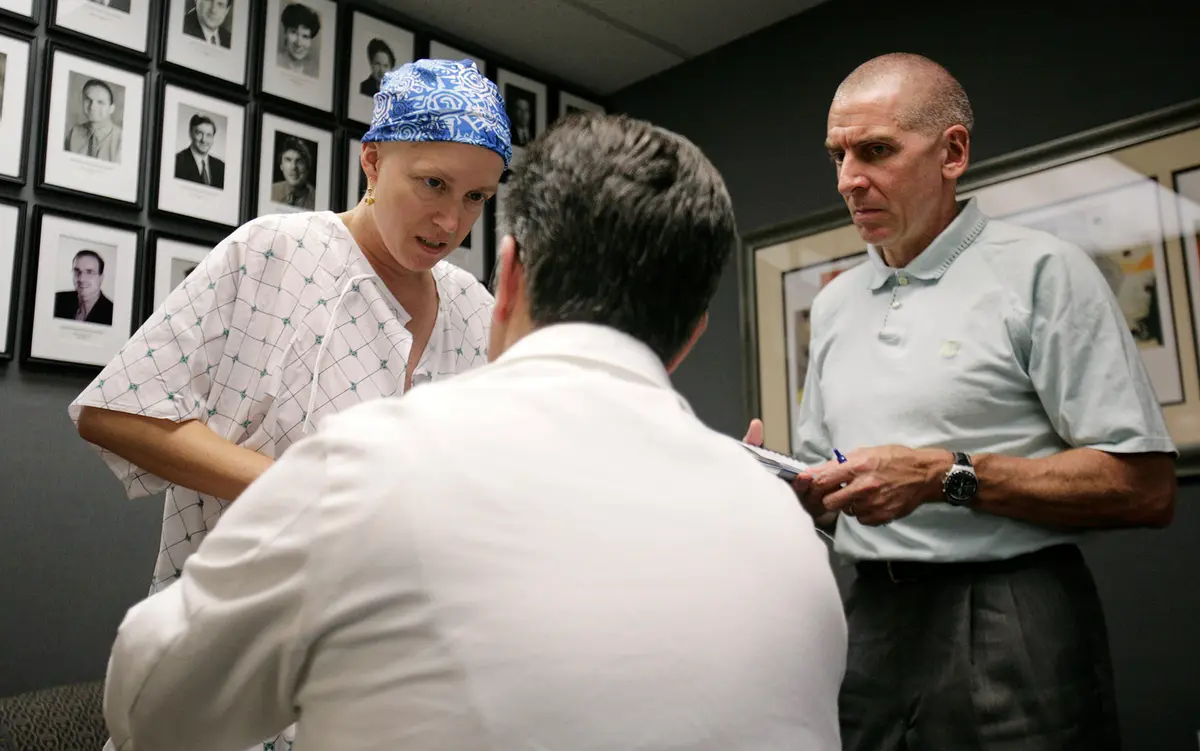
The article discusses the complex issue of patients refusing cancer treatment, highlighting the importance of respecting patient choices, understanding their perspectives, and addressing systemic issues in healthcare that influence decision-making.
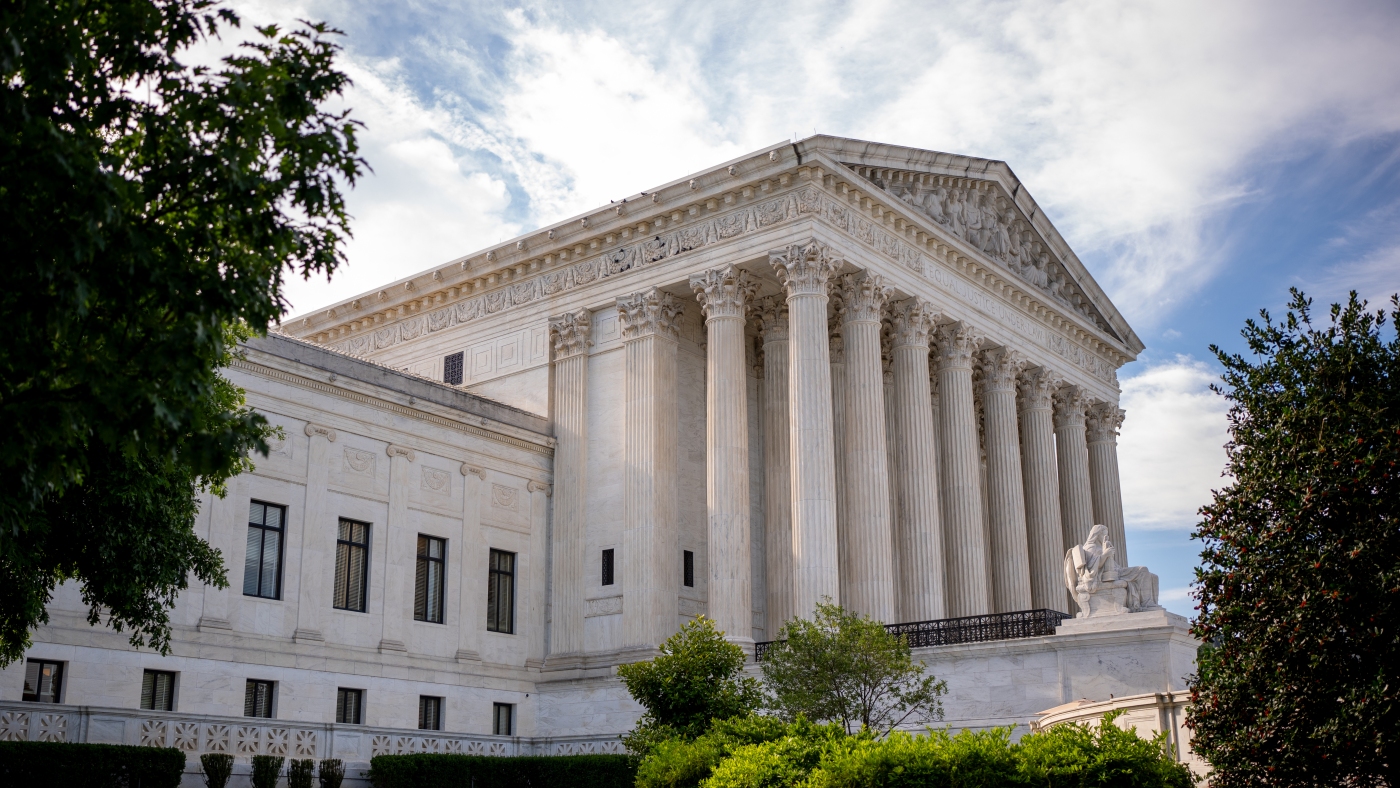
The U.S. Supreme Court is considering a case from Colorado that challenges the ban on conversion therapy, with arguments centered on free speech rights of therapists versus the state's interest in protecting minors from harmful practices, amid ongoing debates about medical standards and LGBTQ+ rights.
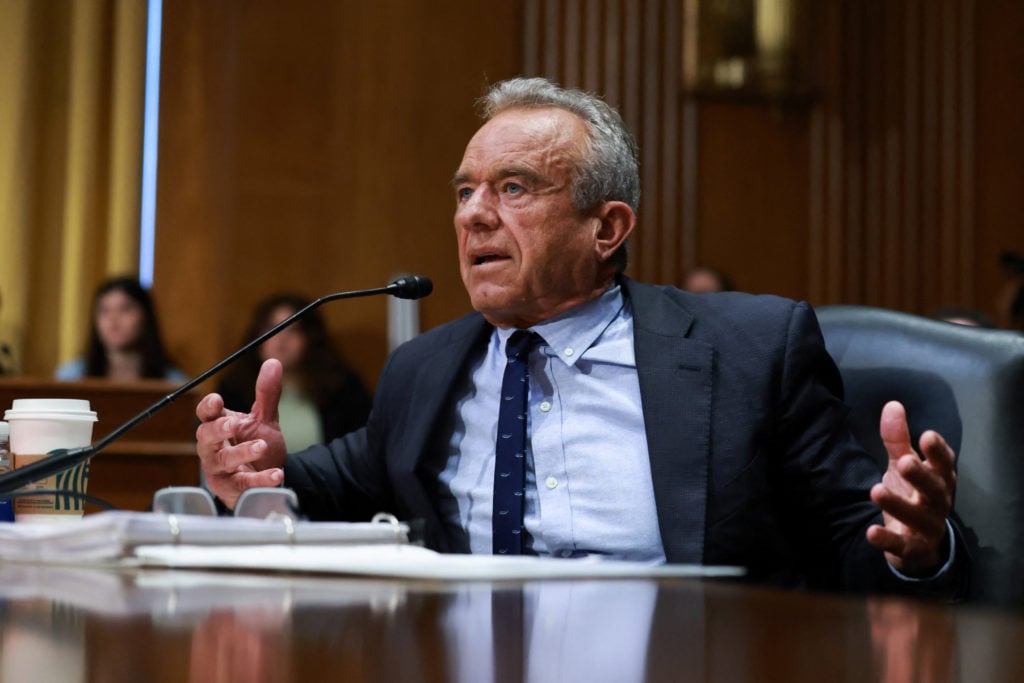
RFK Jr. advocates for all new vaccines to be tested against placebos, but many experts argue this isn't always scientifically or ethically appropriate, especially when effective vaccines already exist. The debate centers on balancing rigorous safety testing with ethical considerations, as most childhood vaccines were historically tested against placebos, but modern standards often prevent placebo use when effective treatments are available.
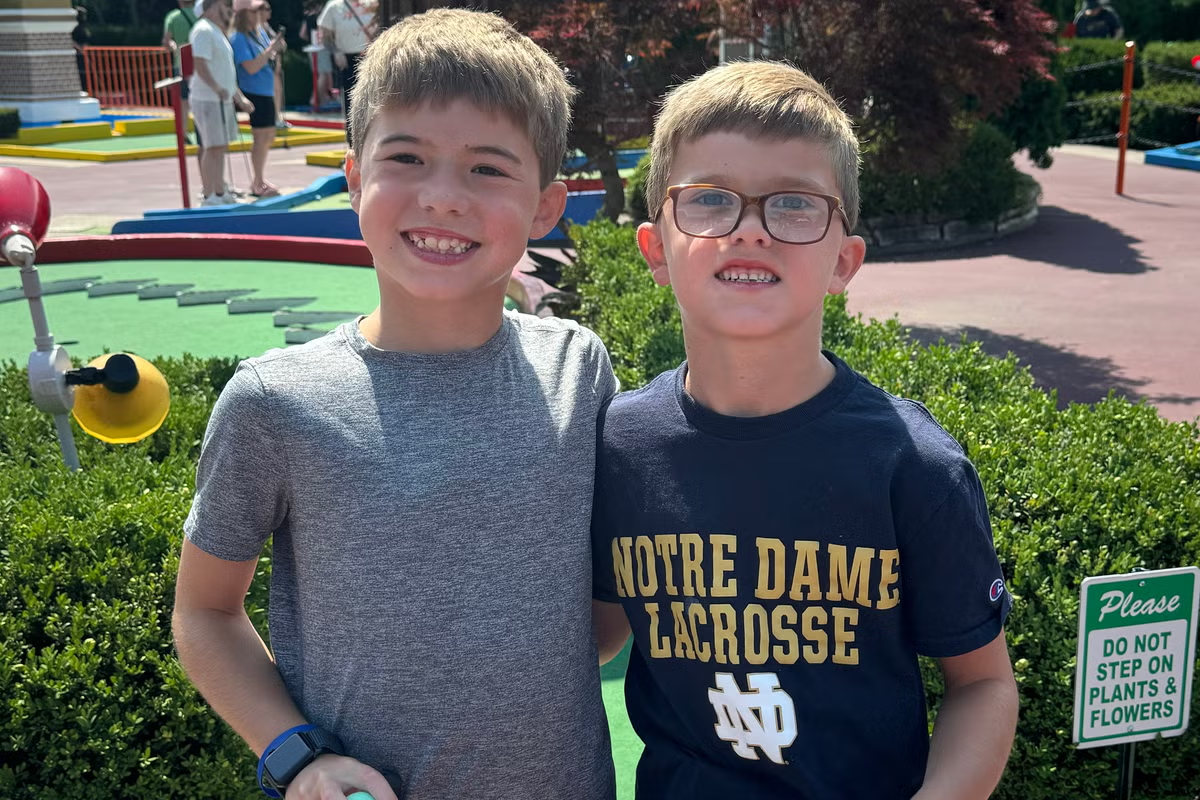
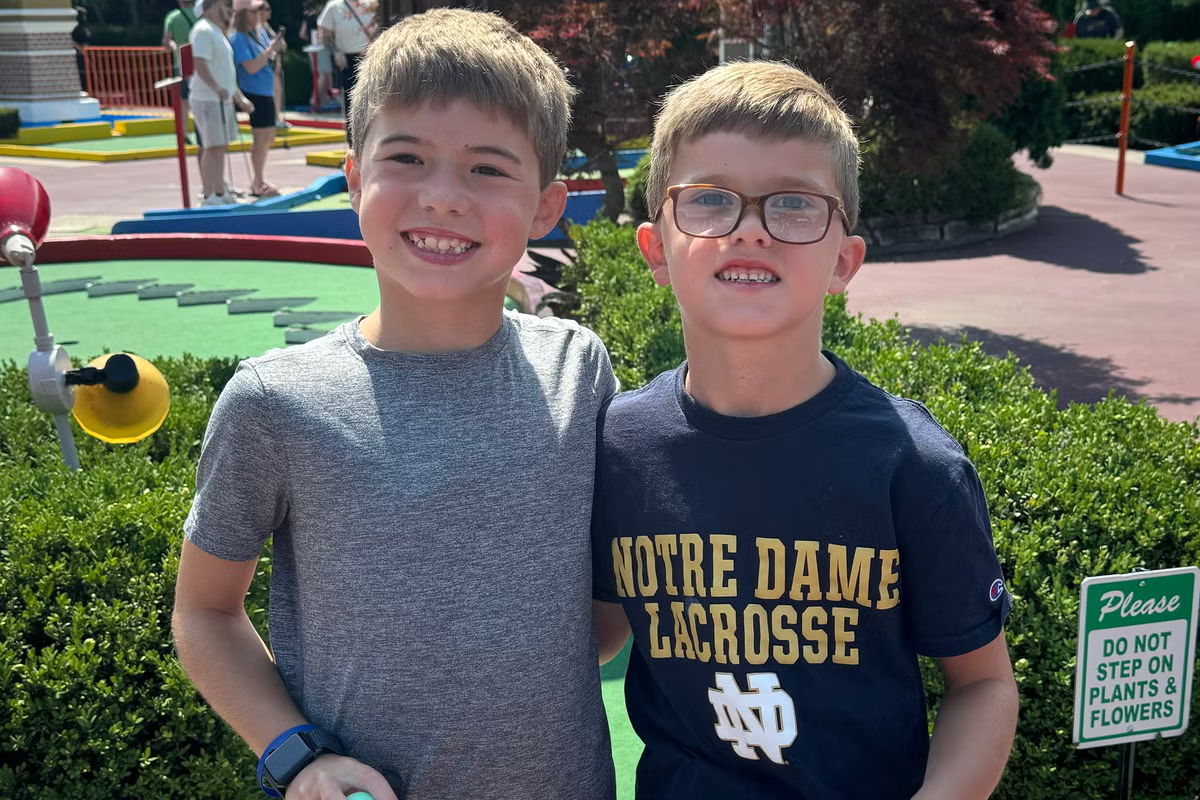
Two brothers with Duchenne muscular dystrophy received gene therapy, which significantly improved one brother's condition, but insurance denied coverage for the other, raising concerns about fairness and access to life-changing treatments.
Two brothers with Duchenne muscular dystrophy received gene therapy, which significantly improved one brother's condition, but insurance denied coverage for the other, citing lack of medical necessity, raising ethical and legal concerns for their family.
The article discusses the evolving and controversial definitions of death, focusing on the expansion from traditional heart and lung cessation to including 'irreversibly comatose' patients on life support, driven by organ transplantation needs and ethical debates about when death truly occurs.
The article narrates the story of Betsy Lewis, a woman with advanced lung cancer who chooses to stop treatment to maintain her quality of life, illustrating the importance of patient autonomy and the complex decisions surrounding end-of-life care in cancer treatment.
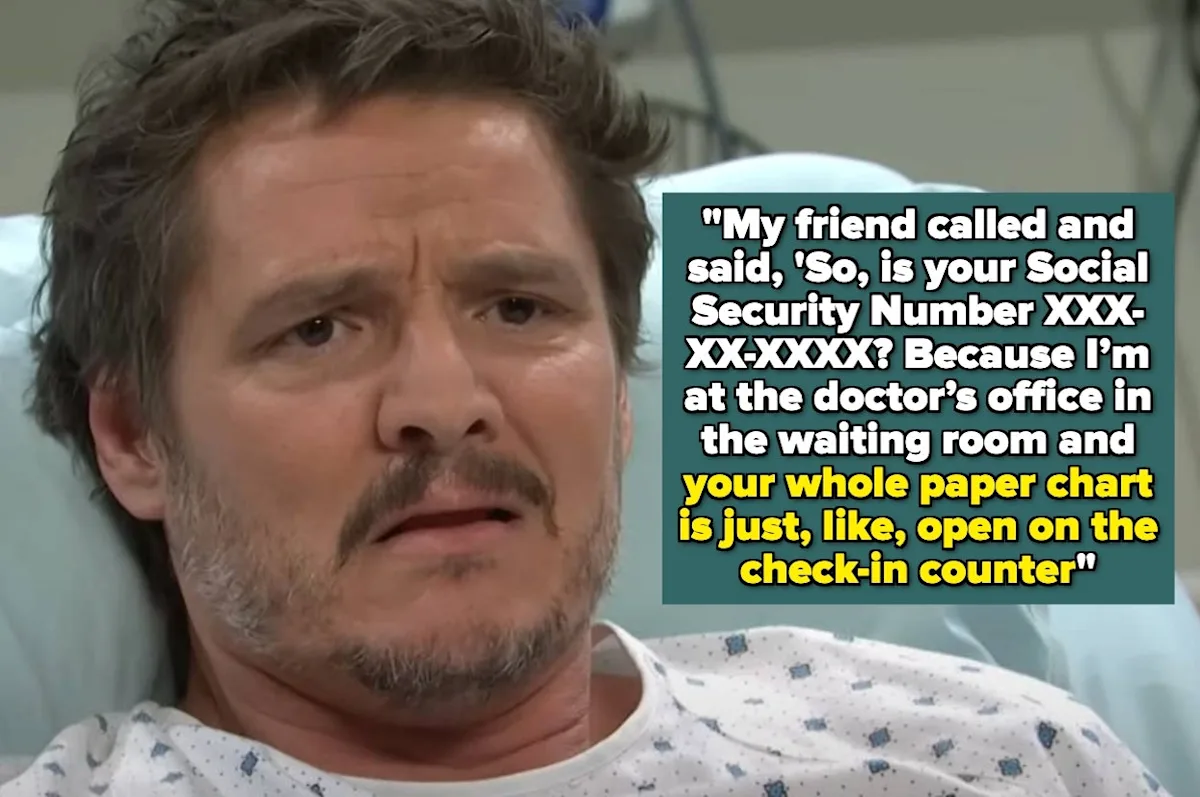
The article highlights numerous shocking stories of HIPAA violations by healthcare workers, including unauthorized access to patient information, sharing sensitive data, and mishandling medical records, emphasizing the ongoing issues with patient privacy breaches in medical settings.
Medical professionals have shared numerous shocking HIPAA violations, including unauthorized chart access, leaking patient information, and mishandling sensitive data, highlighting ongoing issues with patient privacy in healthcare settings.
The article explores how the language and metaphors surrounding cancer, from silence to battle cries, influence perceptions, expectations, and treatment decisions, often leading to overtreatment. It advocates for reframing the illocutionary force of the word 'cancer'—shifting from a call to fight to a neutral diagnosis—to reduce unnecessary interventions and empower patient autonomy.
The article discusses the upcoming 100th anniversary of Sinclair Lewis's novel 'Arrowsmith,' highlighting its enduring relevance to contemporary issues in medical ethics and public health, and describing a related conference in Sauk Centre, Minnesota, where Lewis grew up.