Despite global challenges in 2025 such as conflicts and climate issues, significant progress was made in areas like reducing China's carbon emissions, surging EV sales, renewable energy adoption, conservation efforts, and medical advancements including regenerative heart treatments and AI-driven healthcare, offering a more hopeful outlook for 2026.

In 2025, significant achievements included NASA's detailed solar images, medical advances like a potential MS vaccine, reduced smoking in France, global ocean conservation efforts, and surprising qualifications for the 2026 World Cup, alongside cultural milestones such as the opening of Cairo's Grand Egyptian Museum and a French video game winning awards.
The 2025 Gizmodo Science Fair showcased groundbreaking projects including a fungal infection vaccine, tidal energy kite, ancient mummy scent revival, advanced rocket engine, and space manufacturing, highlighting the importance of bold scientific exploration for global betterment.
The article discusses how the Trump administration's significant cuts to cancer research funding are threatening America's successful cancer research system, which has led to major improvements in survival rates and promising new treatments, potentially jeopardizing future medical breakthroughs.
Health Secretary Robert F. Kennedy Jr.'s decision to cut federal funding for mRNA vaccine research raises concerns among scientists that it could hinder future medical breakthroughs and slow innovation, despite government claims that other aspects of mRNA technology remain unaffected.
The article highlights significant progress in the fight against cancer, including improved survival rates, breakthroughs in treatments like CAR-T therapy, and the impact of prevention measures such as the HPV vaccine and early screening, demonstrating that we are effectively winning the war on cancer.
In 2024, significant medical breakthroughs have emerged, including the approval of Orlynvah, a novel antibiotic for resistant UTIs, and Cobenfy, a new schizophrenia drug targeting acetylcholine. A promising twice-yearly HIV prevention injection, lenacapavir, has shown over 99% effectiveness in trials. Additionally, the first treatments for Niemann-Pick disease type C have been approved, and Bayer's elinzanetant shows promise for treating hot flashes. These advancements highlight ongoing progress in combating antibiotic resistance, improving mental health treatments, and enhancing disease prevention.
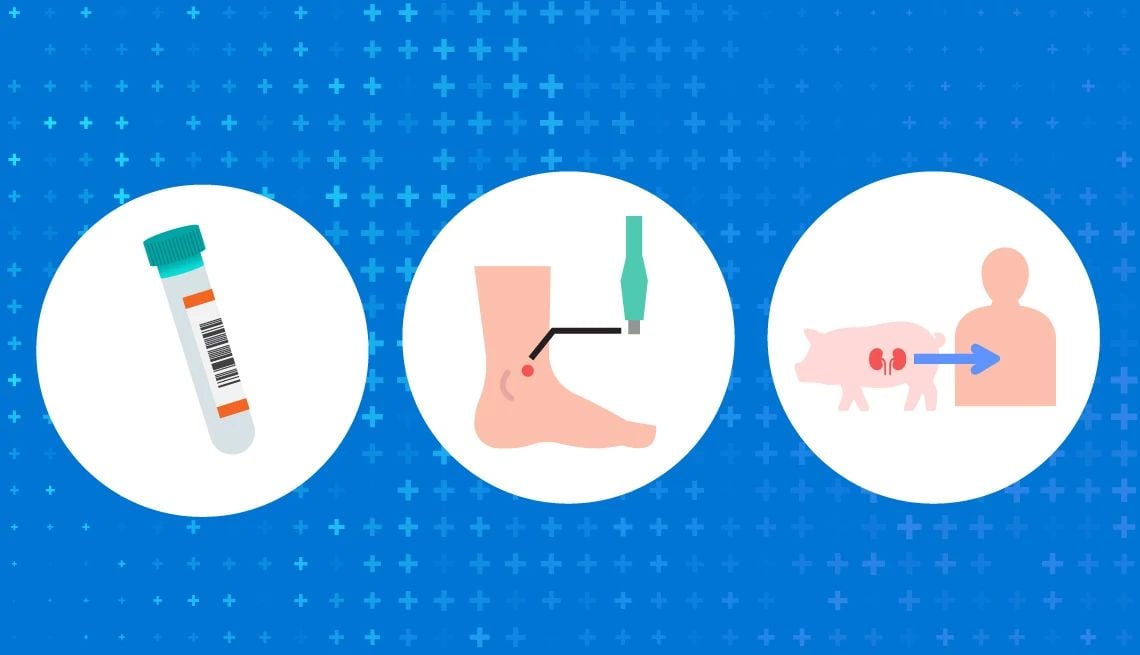
Three recent medical breakthroughs offer hope for older adults: 1) A genetically modified pig kidney transplant, a potential solution for the shortage of human organ donors; 2) A blood test for colorectal cancer that detects cancer signals in DNA shed from a tumor, potentially improving early detection rates; 3) A skin biopsy that can detect misfolded proteins linked to Parkinson's disease, aiding in earlier diagnosis and potential enrollment in clinical trials for new treatments.
A multidisciplinary study published in Nature has revealed the structure of LINE-1, an ancient genetic parasite that makes up a significant portion of our DNA. LINE-1, also known as a "jumping gene," has the potential to cause mutations and is associated with autoimmune diseases, cancer, and neurodegeneration. Understanding the structure and function of LINE-1 could lead to the development of new treatments for these conditions and provide insights into the mysteries of the "dark genome."
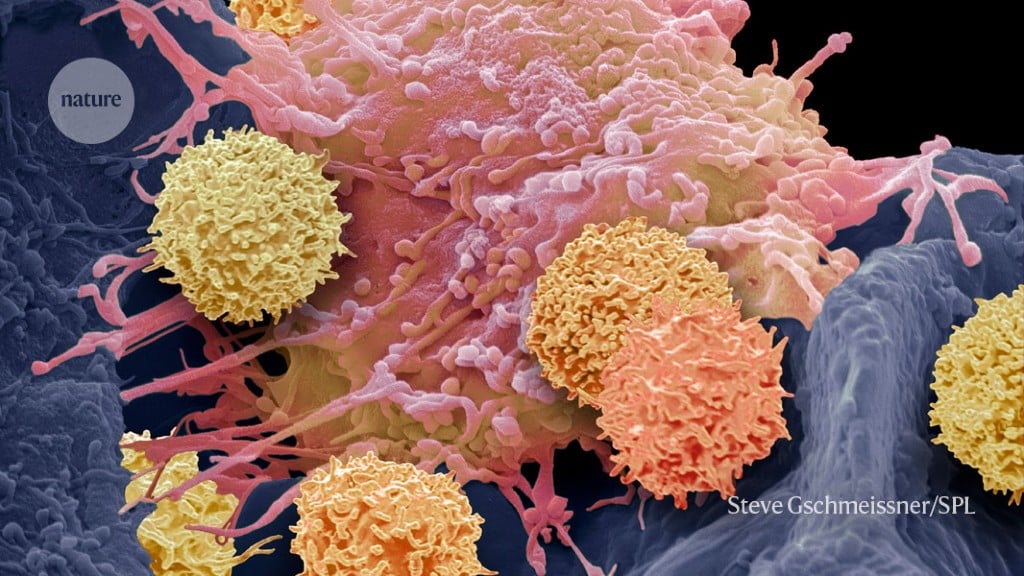
Engineered immune cells known as CAR-T cells have shown promising results in treating autoimmune disorders such as lupus, systemic sclerosis, and idiopathic inflammatory myositis. In a study presented at the American Society of Hematology meeting, 15 participants remained disease-free or nearly so since their CAR-T cell therapy treatment. CAR-T therapy, which involves genetically engineering T cells to target and destroy abnormal B cells, has the potential to revolutionize the treatment of various conditions fueled by rogue immune cells. However, further research is needed to determine the specific contribution of CAR-T therapy versus chemotherapy in achieving these positive outcomes.
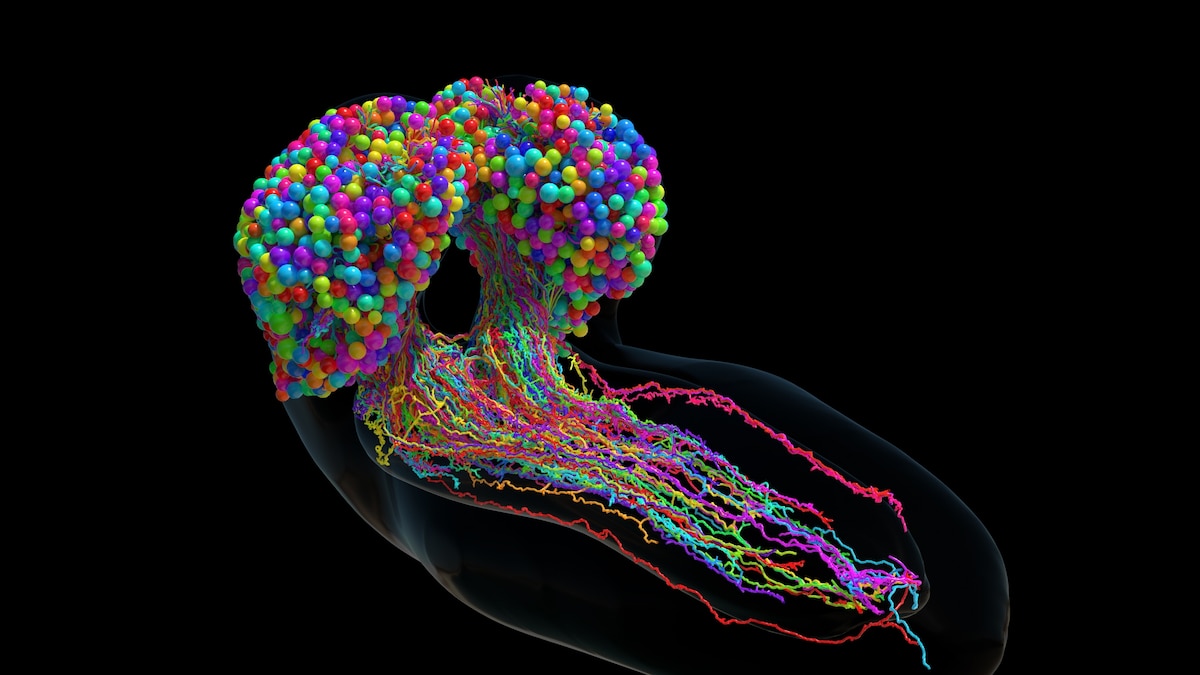
In 2023, amidst the ongoing COVID-19 pandemic, several medical breakthroughs offered hope. The world's first CRISPR-based gene therapy was approved, treating sickle cell disease and beta thalassemia. The first drug to slow down Alzheimer's disease was also approved, targeting amyloid plaques in the brain. Researchers in Japan produced healthy mice pups without the need for a female mouse. Scientists mapped the complete brain-wiring diagram of an insect brain, aiding in understanding human brain function. Additionally, scientists discovered that pigment-producing cells getting "stuck" causes gray hair, bacteria were found to help cancer cells spread more aggressively, and an AI tool was developed to predict pancreatic cancer up to three years before diagnosis.
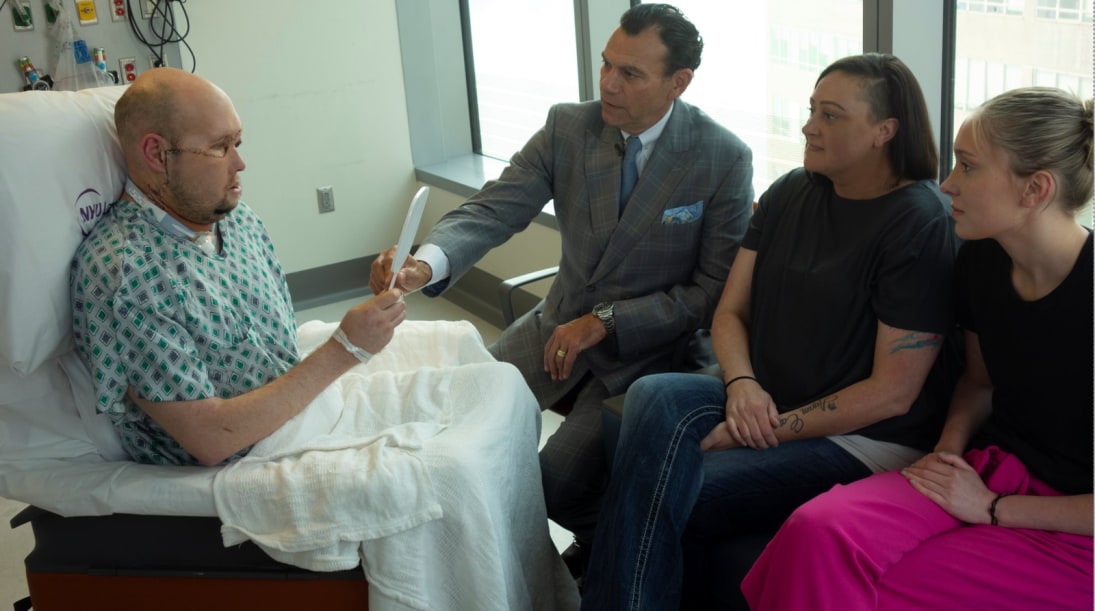
Aaron James, an Arkansas man who lost his nose, lips, chin, front teeth, and left eye in an accident, has become the recipient of the world's first whole-eye and partial-face transplant. The 21-hour surgery, performed by a team of over 140 people at NYU Langone Health, included transplants of his nose, lips, and chin bone. While it is uncertain if James will regain sight in his transplanted left eye, the procedure has shown promising signs of health. James is currently undergoing follow-up visits and therapies for his recovery, and he hopes that his experience will benefit future patients.
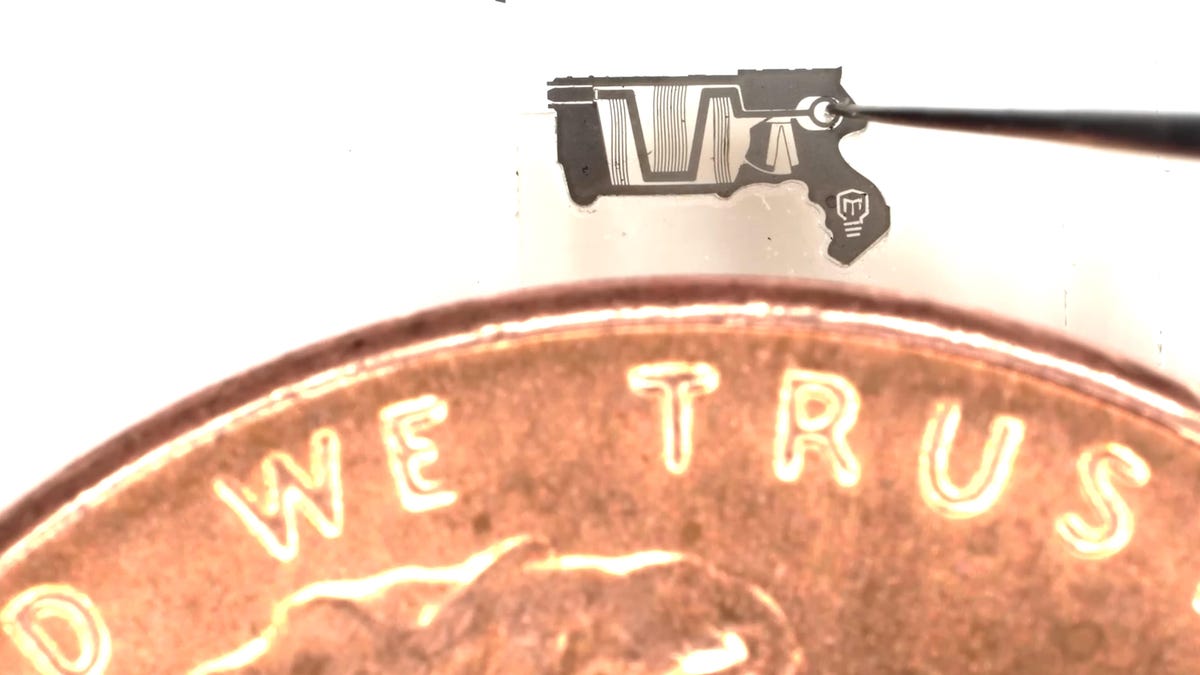
Mark Rober breaks the record for the world's smallest Nerf gun five times, culminating in ones made out of DNA using a technique called DNA origami. These nano Nerf guns, at 100 nanometers in length, could not be seen with the naked eye and required an atomic force microscope to view. Rober suggests that the technology behind these miniaturized Nerf guns could have potential applications in medical breakthroughs, such as targeting and eliminating cancer cells or enhancing healthy cells.
Recent breakthroughs in cancer treatment include the development of the AOH1996 drug, which has shown promise in annihilating solid tumors in preclinical research; the use of checkpoint inhibitors to block cancer's ability to turn off the immune system; the development of personalized cancer vaccines to cure advanced cancers and prevent recurrence; the potential of flash radiotherapy to deliver radiation faster and with less damage to healthy tissue; and the use of engineered viruses to infect and destroy cancer cells. These advancements offer hope for improved outcomes and a step closer to finding a cure for cancer.
Researchers have successfully performed the first-ever in-utero surgery to repair a fetus's life-threatening brain malformation, called vein of Galen malformation, preventing heart failure and brain injury after birth. Using ultrasound guidance, researchers repaired the malformation deep in the brain of a fetus before birth. The infant has required no medication to treat heart failure and no postnatal surgery to treat the malformation since birth. The procedure has the potential to mark a paradigm shift in managing vein of Galen malformation, reducing the risk of long-term brain damage, disability, or death among these infants.