A hospital in New York City has successfully performed the world's first eye transplant, giving hope to those suffering from blindness. The patient, Aaron James, an electrician who lost his left eye due to a workplace accident, underwent a 21-hour surgery to receive a donor eye. While it is still uncertain if James will regain his sight, the transplant operation was successful, and the eye appears healthy. This groundbreaking procedure could pave the way for future advancements in curing blindness and restoring vision.
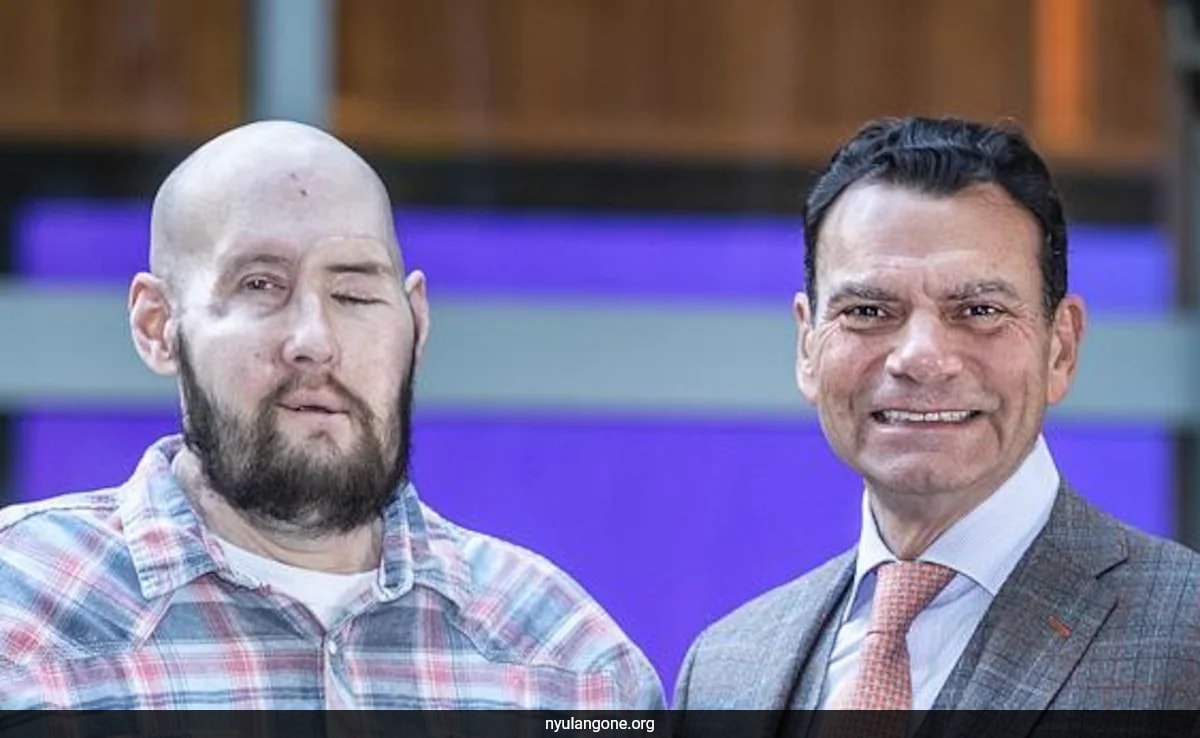
Doctors at New York University Langone Health have successfully conducted the world's first surgery involving a complete eye and partial face transplant, giving a US Army veteran the chance to regain his sight. The 21-hour surgical procedure included transplanting the entire left eye and a portion of the face from a single donor, making it the first-ever human whole-eye transplant in medical history. While the outcome of regaining vision in the transplanted eye is uncertain, this groundbreaking achievement opens doors for future advancements in vision therapies and related fields of medicine.
Surgeons at NYU Langone Health have successfully performed the world's first whole eye transplant, along with a face transplant, on a man who suffered extensive facial injuries and lost his left eye due to an accident with high-voltage power lines. While it is too early to determine if the patient will regain vision in his new eye, the transplant has yielded promising results so far, with the donated eye showing good blood flow and no signs of rejection. The surgery provides valuable insights into the healing process of the human eye and may pave the way for future advancements in treating blindness.
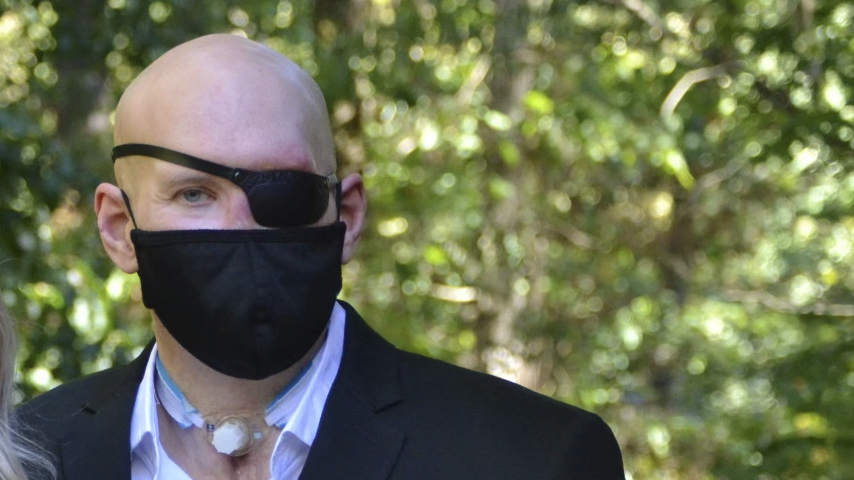
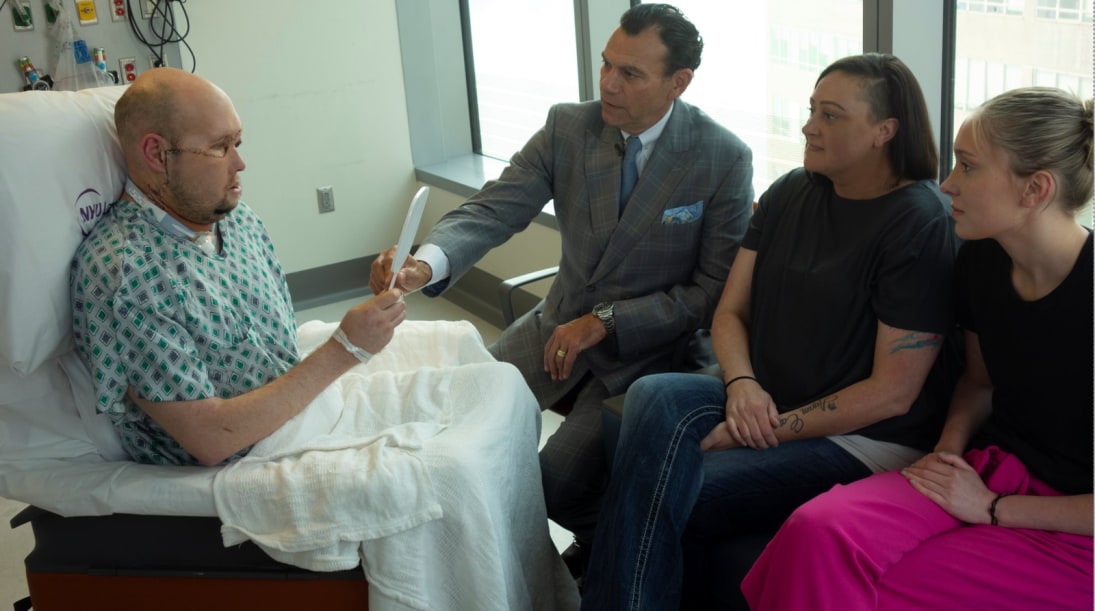
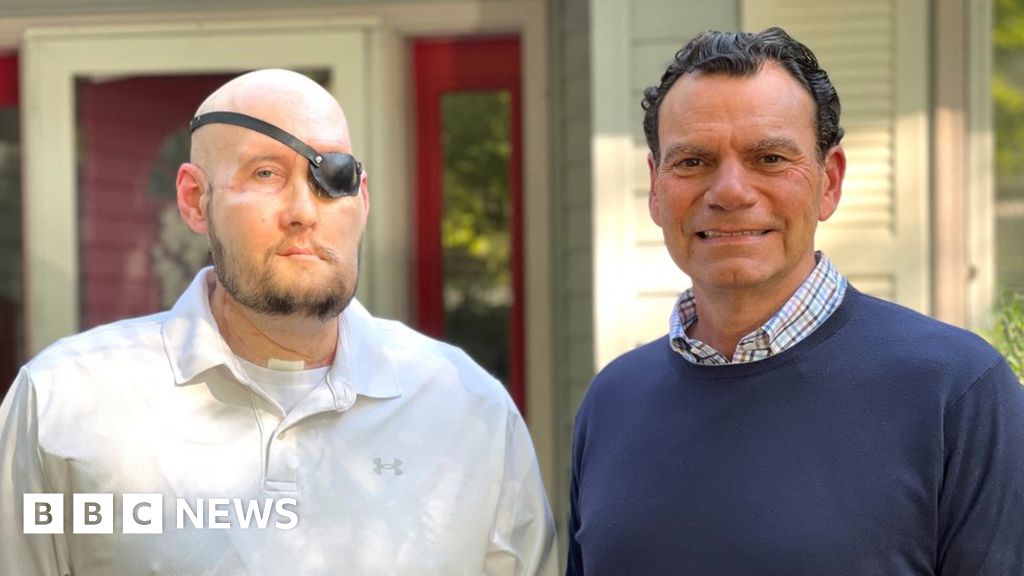
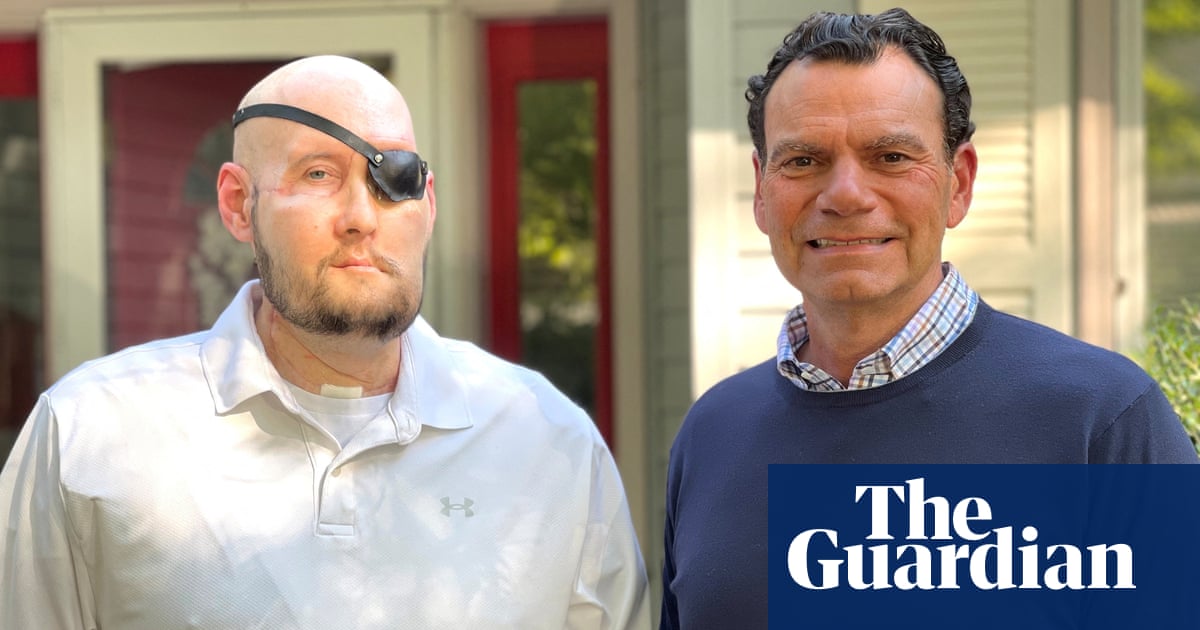
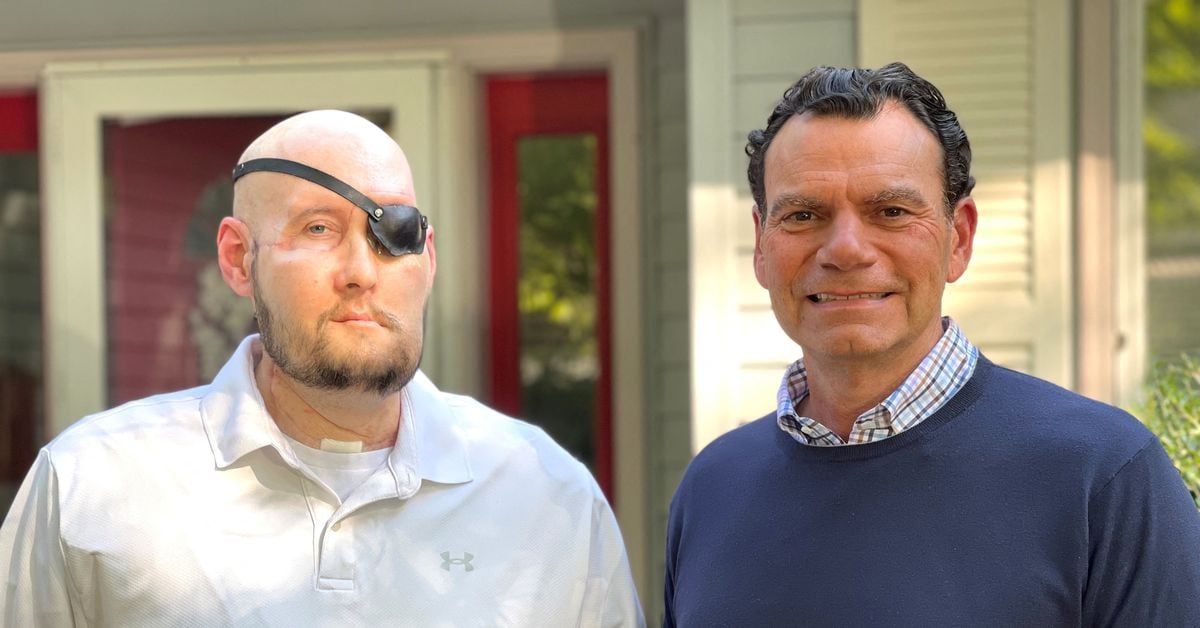
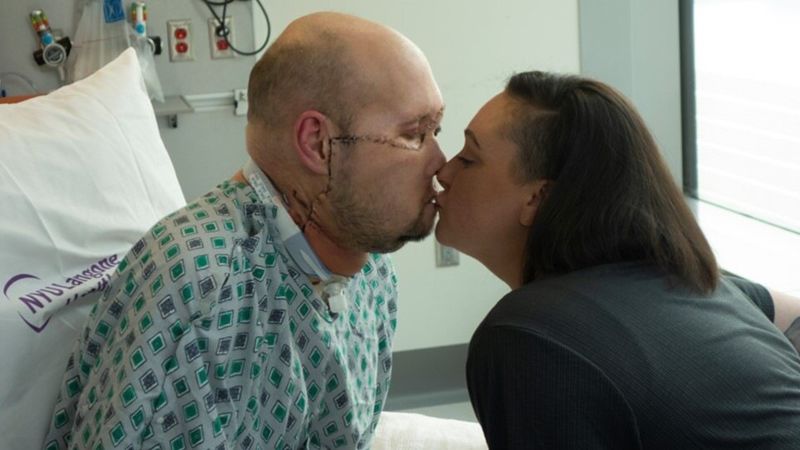
Aaron James, an Arkansas man who lost his nose, lips, chin, front teeth, and left eye in an accident, has become the recipient of the world's first whole-eye and partial-face transplant. The 21-hour surgery, performed by a team of over 140 people at NYU Langone Health, included transplants of his nose, lips, and chin bone. While it is uncertain if James will regain sight in his transplanted left eye, the procedure has shown promising signs of health. James is currently undergoing follow-up visits and therapies for his recovery, and he hopes that his experience will benefit future patients.
Surgeons at NYU Langone Health have successfully performed the world's first whole eye transplant, in addition to a face transplant, on a man who suffered extensive facial injuries and lost his left eye due to an accident with high-voltage power lines. While it is too early to determine if the patient will regain vision in his new eye, the transplant has yielded promising results so far, with the donated eye showing good blood flow and no signs of rejection. The surgery provides valuable insights into the healing process of the human eye and may contribute to advancements in the field of eye transplants and optic nerve repair.
Surgeons in New York have performed the world's first complete eye transplant on a US veteran who lost most of his face in a high-voltage electrical accident. The 21-hour surgery, which also included a rare partial face transplant, is considered a pivotal moment in the quest to restore sight to millions of people. While there is no certainty that the patient will regain vision in his new eye, doctors are optimistic about the progress and the surgery offers valuable insights into how the human eye heals. The donated face and eye came from a single male donor, and the patient is grateful for the life-changing surgery.
Surgeons at NYU Langone Health have successfully performed the world's first transplant of an entire human eye, as part of a face transplant procedure. The patient, Aaron James, had suffered extensive facial injuries and lost one eye due to an accident with high-voltage power lines. While it is too early to determine if James will regain vision in his new eye, the surgery offers valuable insights into the healing process of the human eye. The transplant has defied expectations, with the donated eye showing good blood flow and no signs of rejection. Researchers are now studying scans of James's brain to understand the injured optic nerve, a crucial step in the quest to cure blindness.
Surgeons at NYU Langone Health in New York have successfully performed the world's first whole-eye transplant in a human. The surgery, which took 21 hours, was part of a partial face transplant for a military veteran who had lost his left eye in an electrical accident. Although the patient has not regained sight in the transplanted eye, the grafted eye has shown signs of health, including functioning blood vessels and a promising retina. The surgery marks a significant advancement in the field, as previous eye transplants were limited to the cornea. The recipient's progress will continue to be monitored, and the transplantation of a viable eye globe opens up new possibilities for vision restoration.
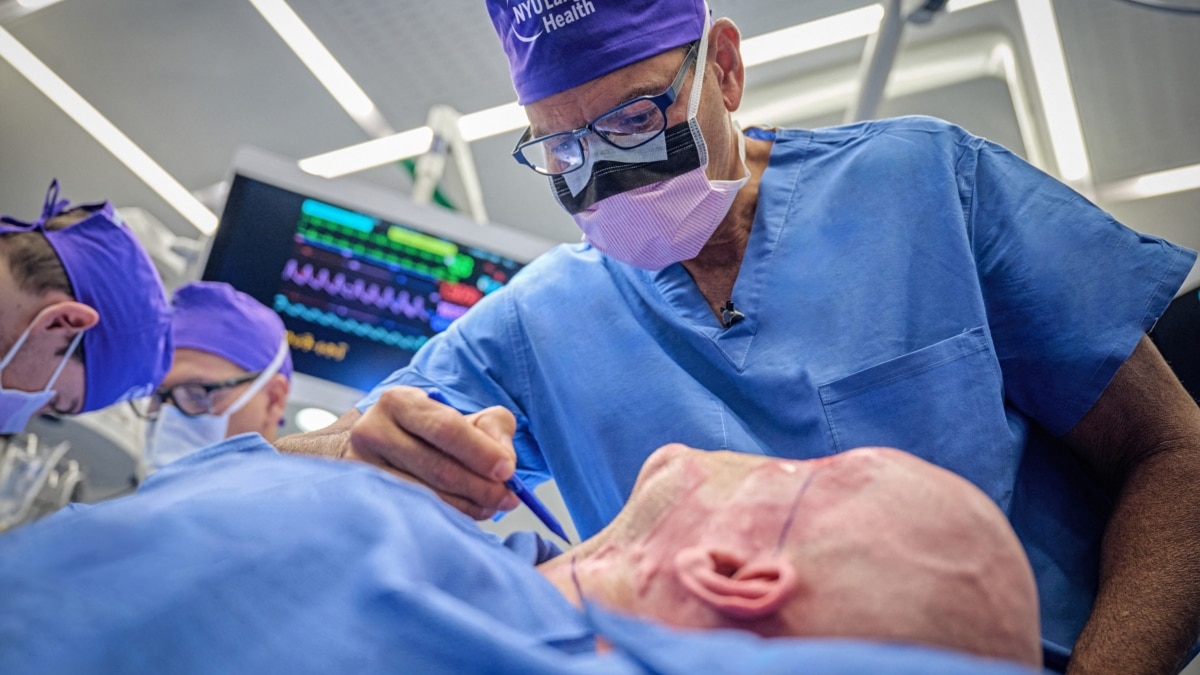
Surgeons at NYU Langone Health have successfully completed the world's first whole eye transplant on a patient who survived a high-voltage electric shock. Although the patient cannot see out of the transplanted eye, the operation is considered a success and a significant advancement in the field. The procedure, which also included a partial face transplant, required the expertise of over 140 healthcare professionals and involved transplanting the eye and injecting adult stem cells into the optic nerve. While full vision restoration is still a long way off, the surgery has provided aesthetic and functional benefits for the patient, improving his quality of life.
A surgical team at NYU Langone Health in New York successfully performed the world's first whole-eye transplant in a living person, along with a partial face transplant, on Aaron James, a military veteran from Arkansas who suffered extensive facial injuries from an electric shock accident. Although Aaron cannot see out of the transplanted eye yet, his medical team is hopeful that vision may be restored in the future. The procedure, which involved transplanting the entire left eye and parts of the face from a single donor, marks a significant advancement in transplant medicine and could potentially benefit patients who have experienced eye loss due to trauma or cancer.