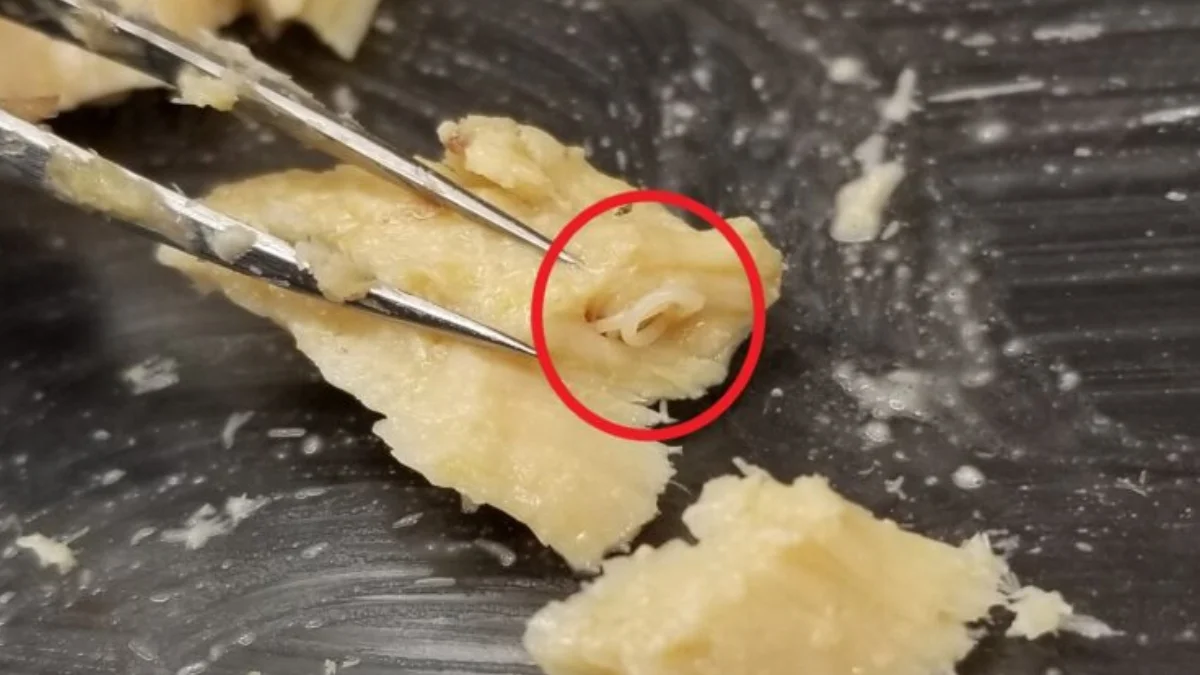
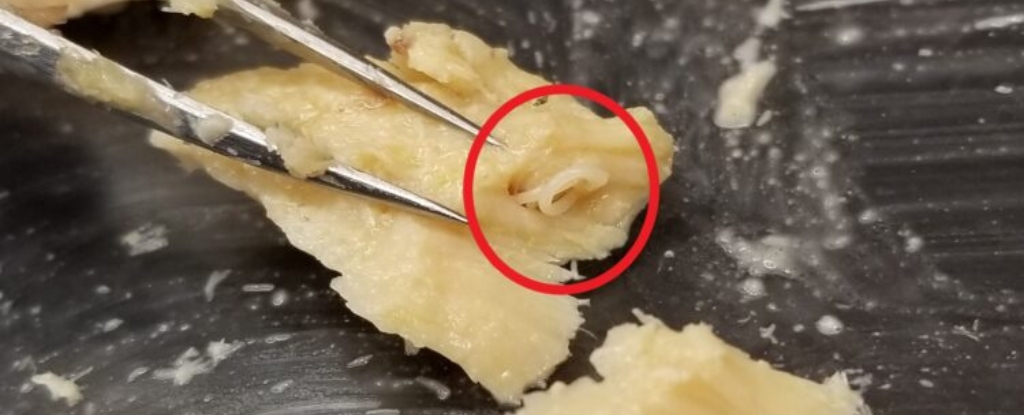
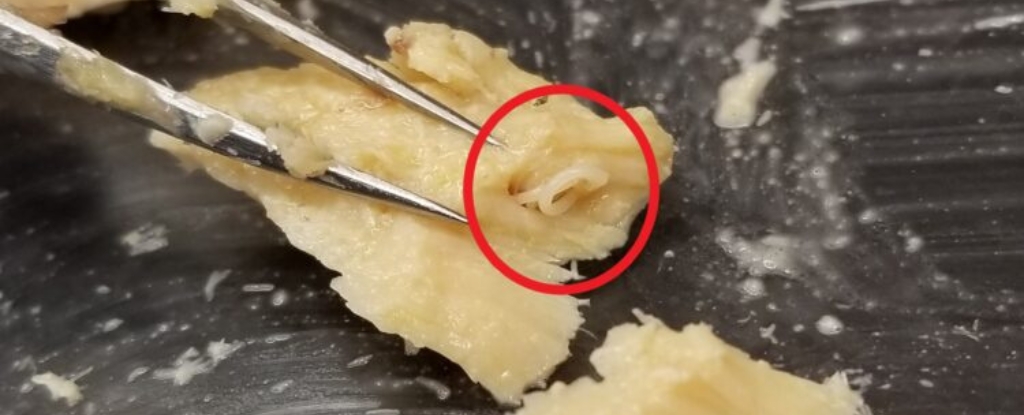
Researchers opened decades-old Alaska salmon cans (1979–2021) and found anisakid worms; the parasites’ increasing numbers in pink and chum salmon trace a healthy, functioning marine food web and ecosystem recovery, with humans kept safe by the canning process.
Researchers from the University of Washington have discovered that expired cans of salmon, dating back to the 1970s, serve as a valuable archive for studying marine parasites, specifically anisakid worms. These parasites, harmless to humans when canned, provide insights into the health of marine ecosystems, as their presence indicates a stable or recovering environment. The study found an increase in worm numbers in chum and pink salmon over time, suggesting a healthy ecosystem, while levels in sockeye and coho remained stable. This novel approach highlights the potential of using preserved food products for ecological research.
Researchers from the University of Washington have discovered that expired cans of salmon, dating back to the 1970s, serve as a valuable archive for studying marine parasites, specifically anisakid worms. These parasites, harmless to humans when canned, provide insights into the health of marine ecosystems, as their presence indicates a stable or recovering environment. The study found an increase in worm numbers in chum and pink salmon over time, suggesting a healthy ecosystem, while levels in coho and sockeye remained stable. This novel approach could lead to further ecological discoveries.
Researchers have used canned salmon from the past to study the history of marine parasites in Alaskan waters. By dissecting preserved filets from 178 cans, they found that anisakid worm levels rose for chum and pink salmon from 1979 to 2021, while staying the same for coho and sockeye salmon. The presence of these parasites is seen as a signal of a healthy ecosystem, and their increase may indicate a stable or recovering ecosystem. The study suggests that old cans of fish could provide valuable historical data for understanding marine food webs and ecosystems.