Scientists at Florida State University have created a new crystalline material with complex swirling magnetic patterns called skyrmion-like spin textures, achieved by combining similar compounds with different crystal symmetries, which could advance data storage and quantum computing technologies.
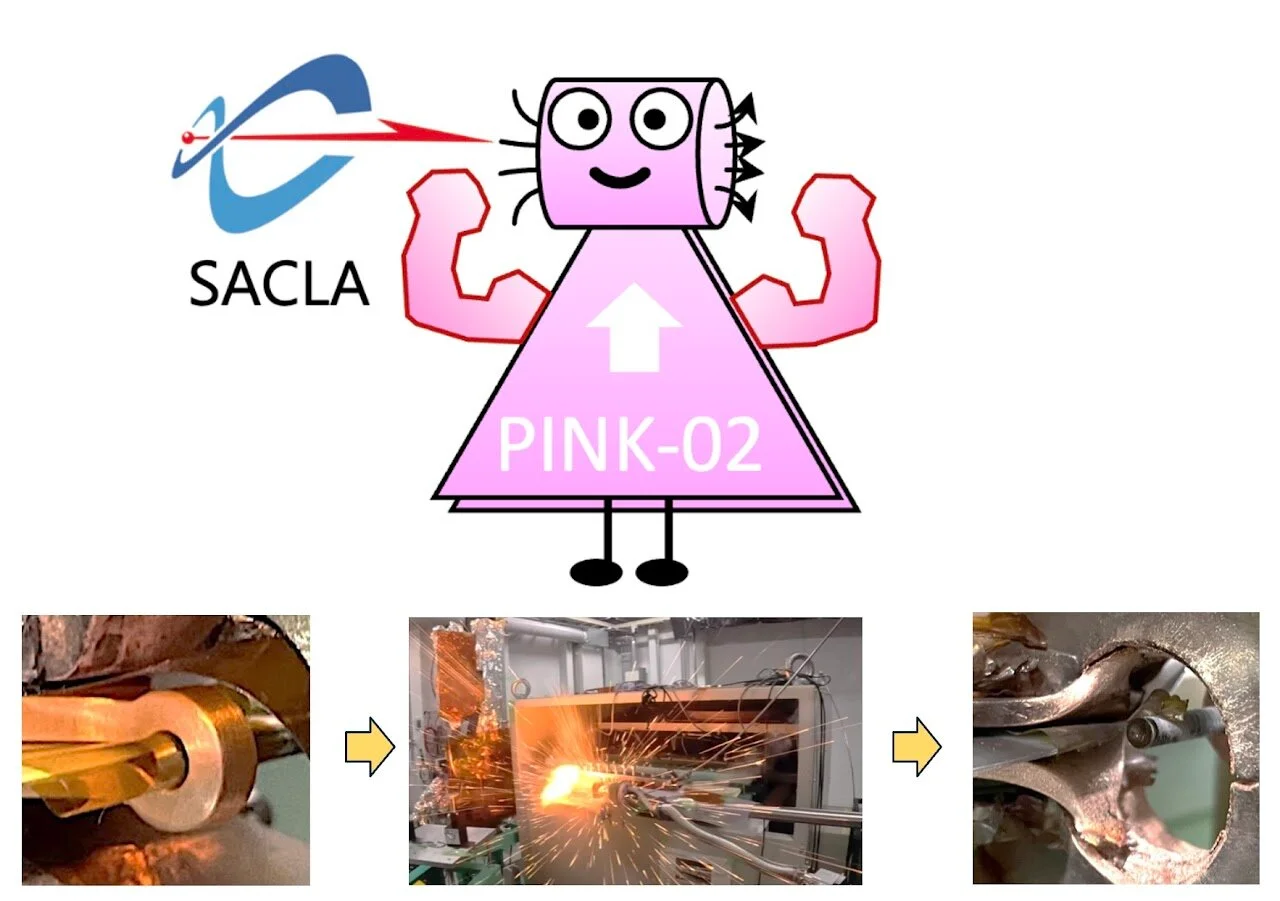
Researchers developed a portable 110 T magnetic field generator and used X-ray laser technology to study solid oxygen, discovering that spins influence its crystal structure under extreme magnetic fields, causing significant magnetostriction of about 1%.
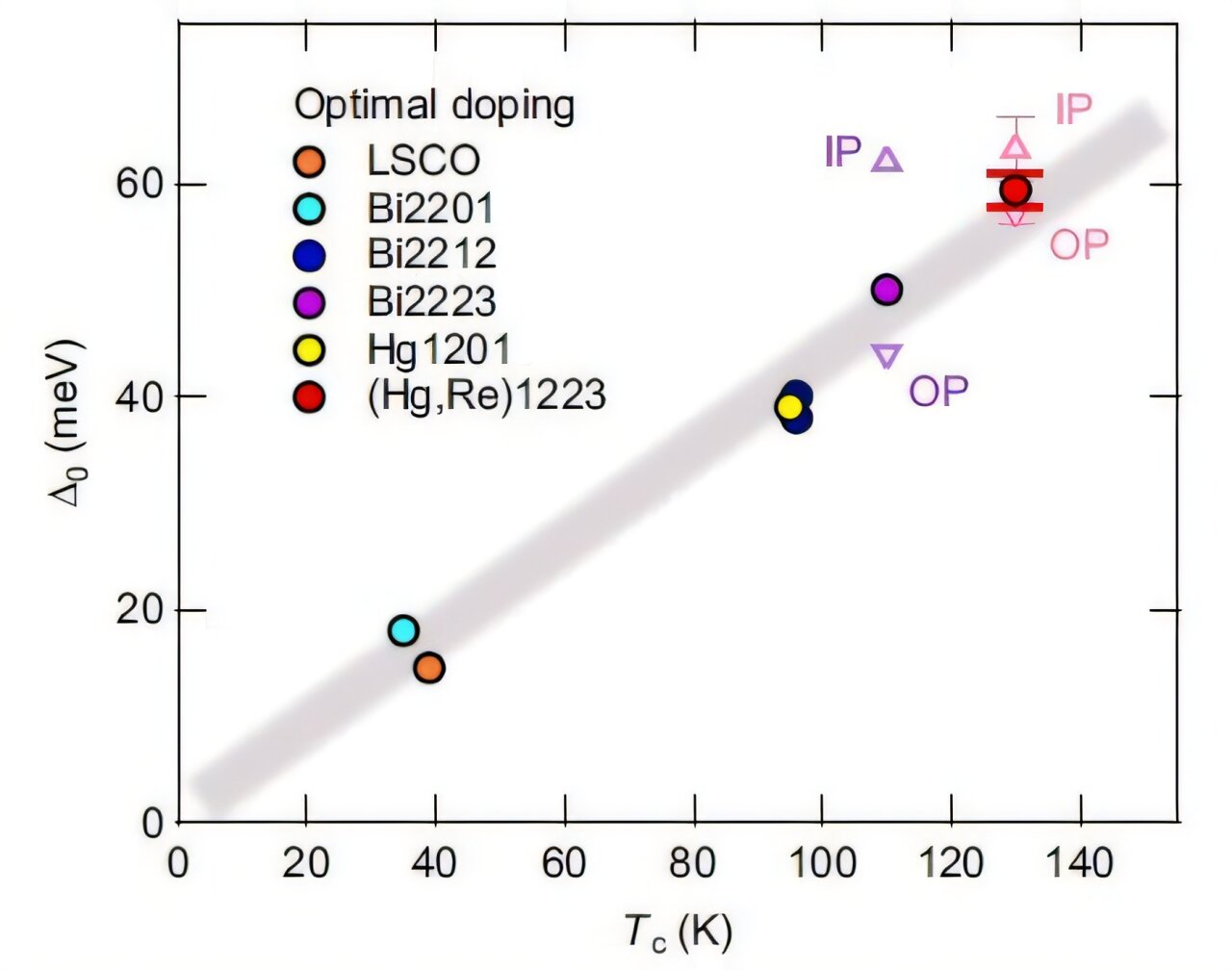
Researchers analyzed new high-temperature cuprate superconductors using ARPES, revealing that enhanced pairing energy in outer CuO2 layers contributes to higher critical temperatures, advancing understanding of superconductivity mechanisms.
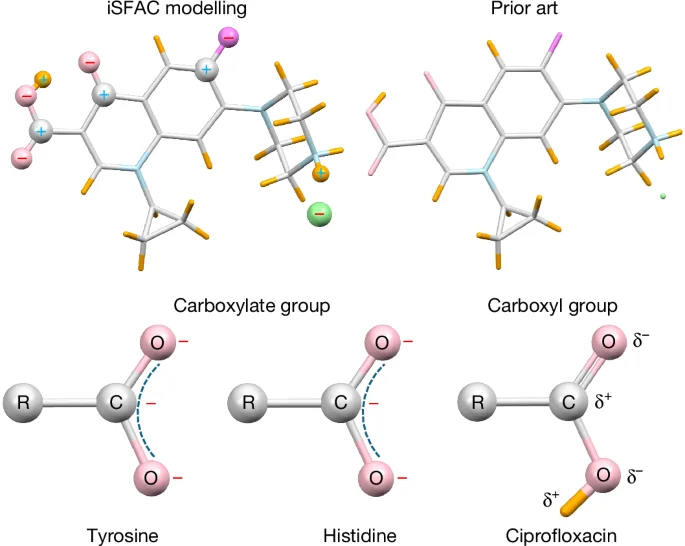
The article introduces iSFAC modelling, an innovative experimental method using 3D electron diffraction to determine absolute partial charges of atoms in molecules, applicable across various chemical classes. It enhances understanding of chemical bonds by capturing the influence of the chemical environment, aligns well with quantum-mechanical calculations, and offers insights into molecular interactions and properties, even in inorganic structures like zeolites.
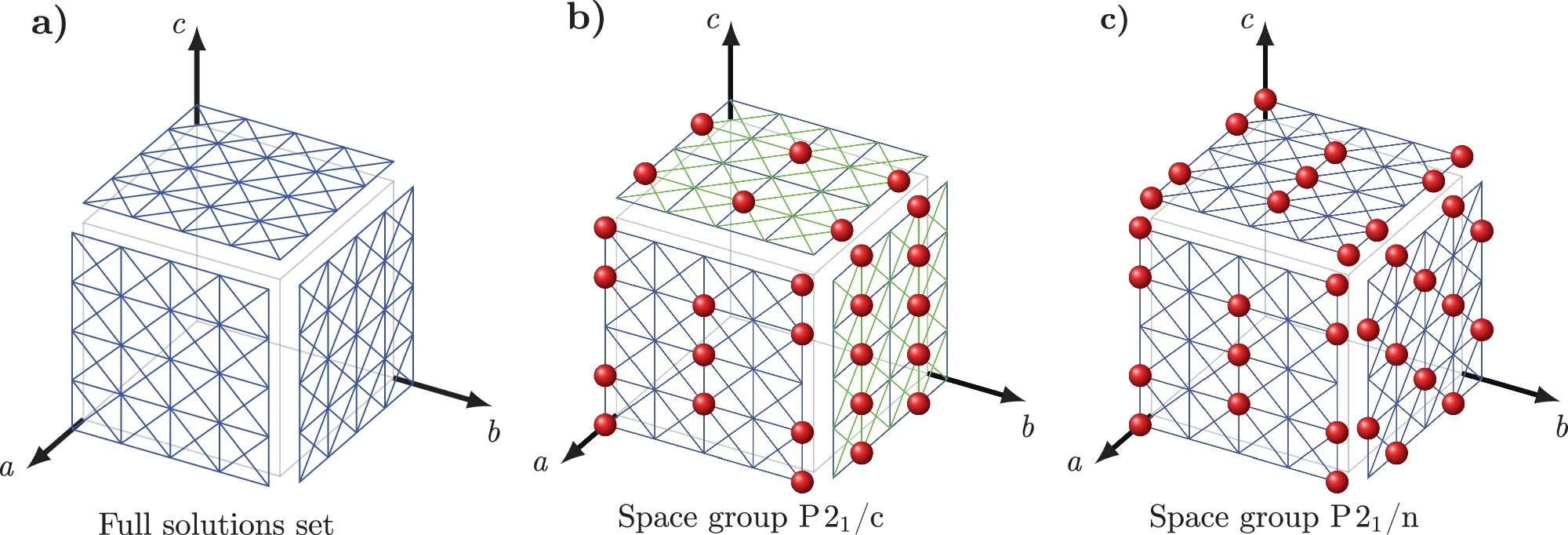
Researchers at New York University have developed a mathematical approach called "Crystal Math" to predict crystal structures in hours using a laptop, a process that previously required supercomputers and took weeks or months. This method, which relies on mathematical rules and simple physical descriptors, addresses the limitations of physics-based methods and has shown high accuracy in predicting structures of complex molecular crystals. The approach holds promise for the pharmaceutical industry and the development of new compounds.
Physicists from Rice University have discovered a strange form of crystal, a pyrochlore, where electrons are unable to move freely in a three-dimensional lattice due to quantum interference effects. This phenomenon, previously observed in 2D materials, could lead to the development of new materials with unique electronic properties, potentially shedding light on phenomena such as superconductivity. The discovery provides a new tool for studying unconventional electron behavior and could lead to the identification of materials with similar properties.
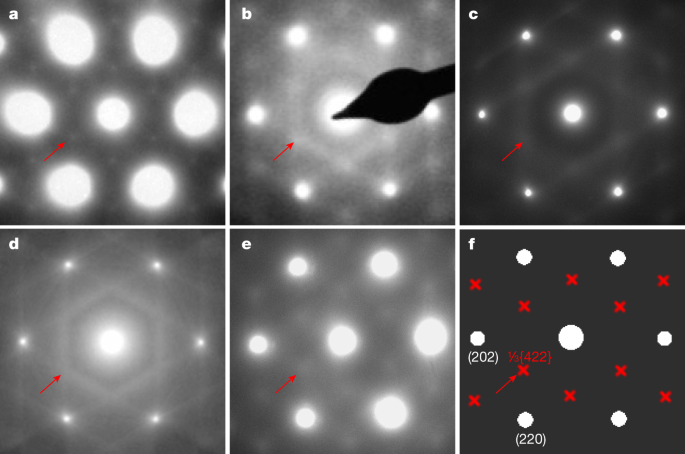
Researchers have investigated the origin of diffuse intensities in face-centered cubic (fcc) electron diffraction patterns. They conducted diffraction experiments and calculations to understand the role of short-range order in the formation of these intensities. The study provides insights into the structural characteristics of fcc materials and contributes to the field of materials science.
Researchers have observed unusual waves of charge within a crystal of uranium ditelluride (UTe2), a superconductor. Using advanced imaging tools, they discovered the presence of charge density waves that are intertwined with the material's superconductivity. The waves are believed to be spawned by a wave made up of Cooper pairs, providing insights into the types of order that occur in UTe2. This is the first time evidence of interwoven parent-daughter waves has been seen in a superconductor with triplet pairing, suggesting the existence of a fundamentally new phase due to strong electron interactions.
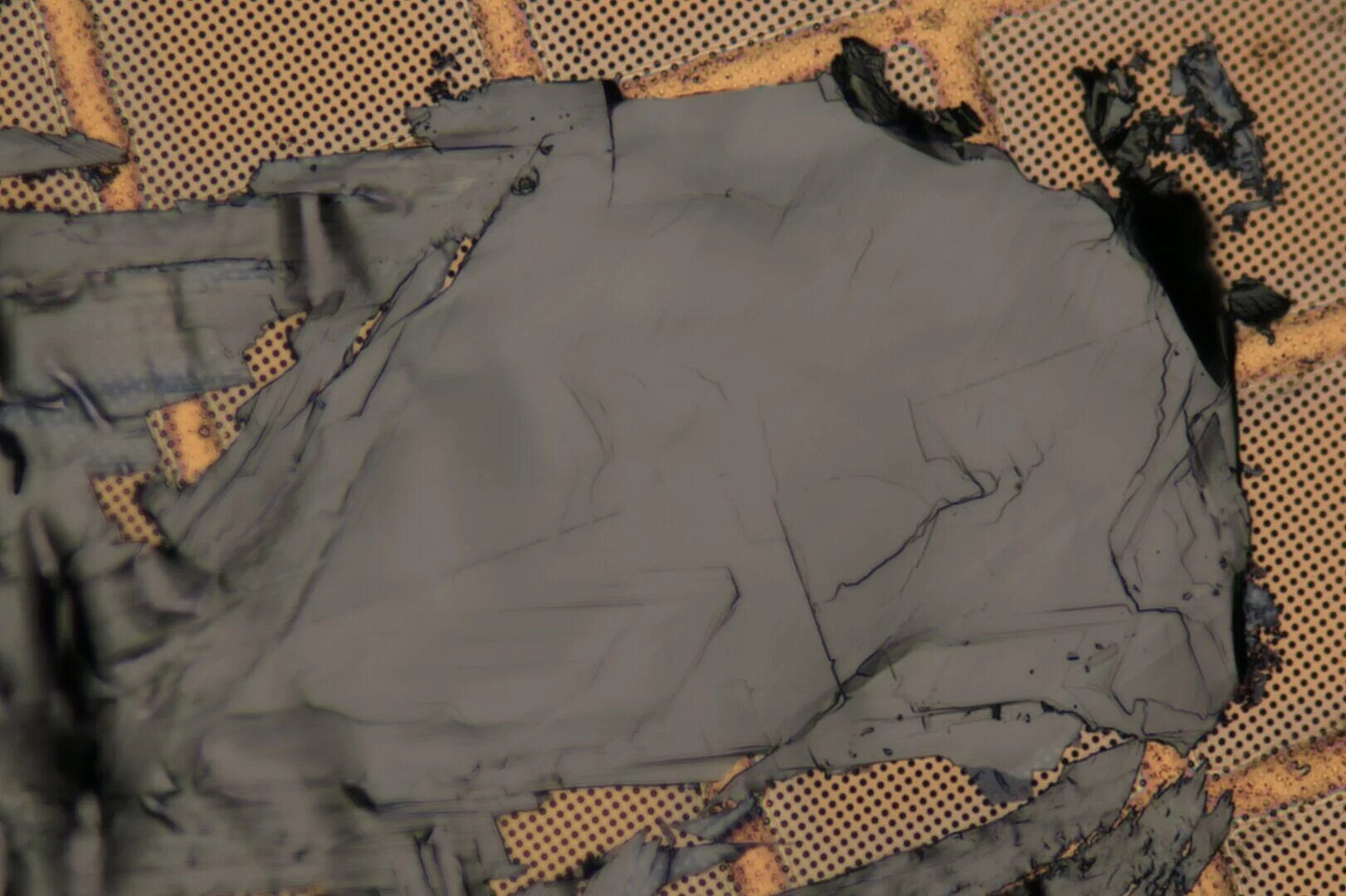
Researchers have created a state in a crystalline material that exhibits characteristics of both liquid and crystalline states. By bombarding a layered crystal with ultrashort laser flashes, the crystal's distortion changes orientation, resulting in a highly disordered state similar to liquid crystals. This hexatic state is volatile and lasts only for fractions of a nanosecond. The study was made possible by the use of an ultrafast electron microscope, providing insights into the complex dynamics of these layered crystals and their potential applications in quantum materials.