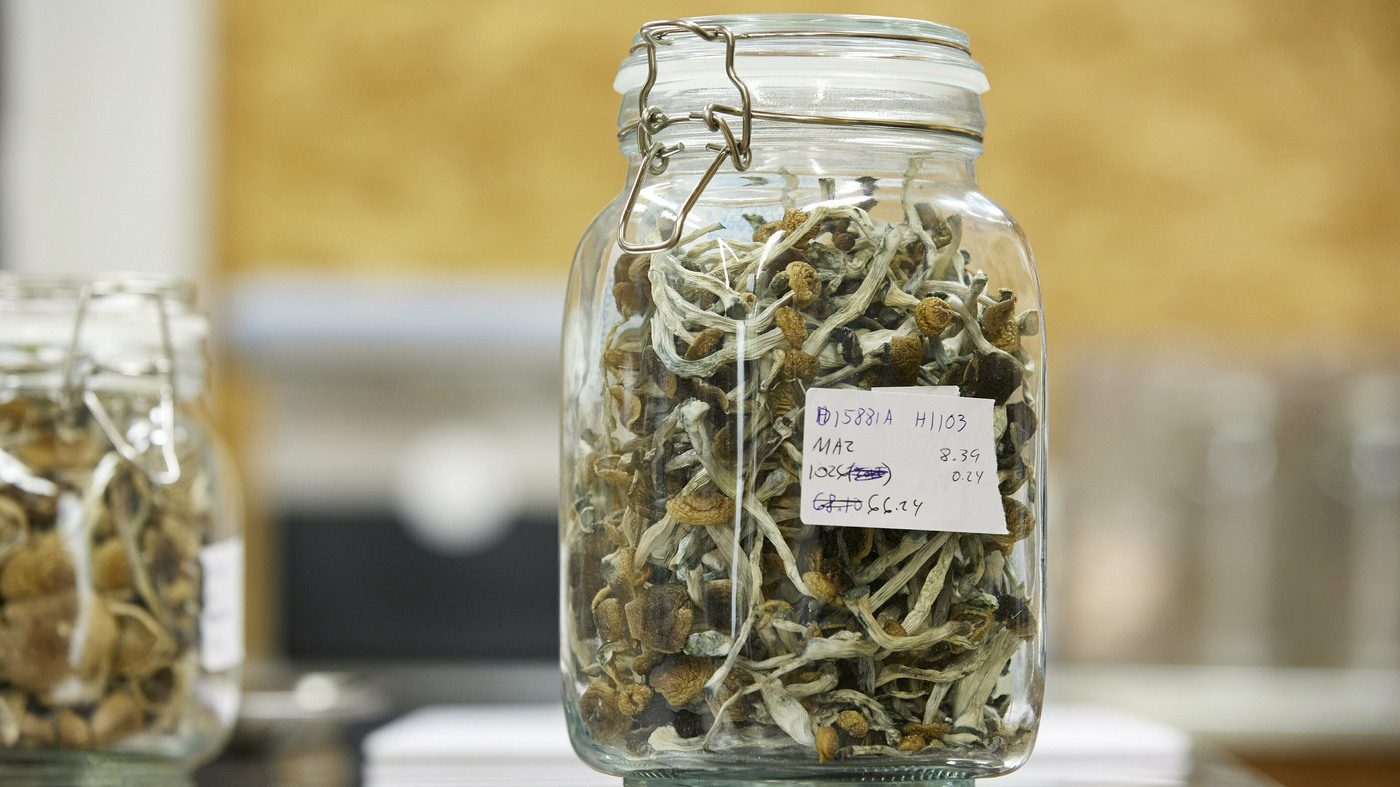
A new study shows that drug busts of psilocybin mushrooms have increased significantly between 2017 and 2022, indicating a rise in availability and demand for the psychedelic drug. This comes at a time when there's a growing interest in psychedelics for therapeutic use, with some states decriminalizing their use. However, experts like Dr. Nora Volkow and Dr. Joshua Siegel express concerns about the potential negative impacts of increased psilocybin use, including the risk of psychosis and suicidal ideation, as well as the lack of research on its interactions with other drugs or medications.
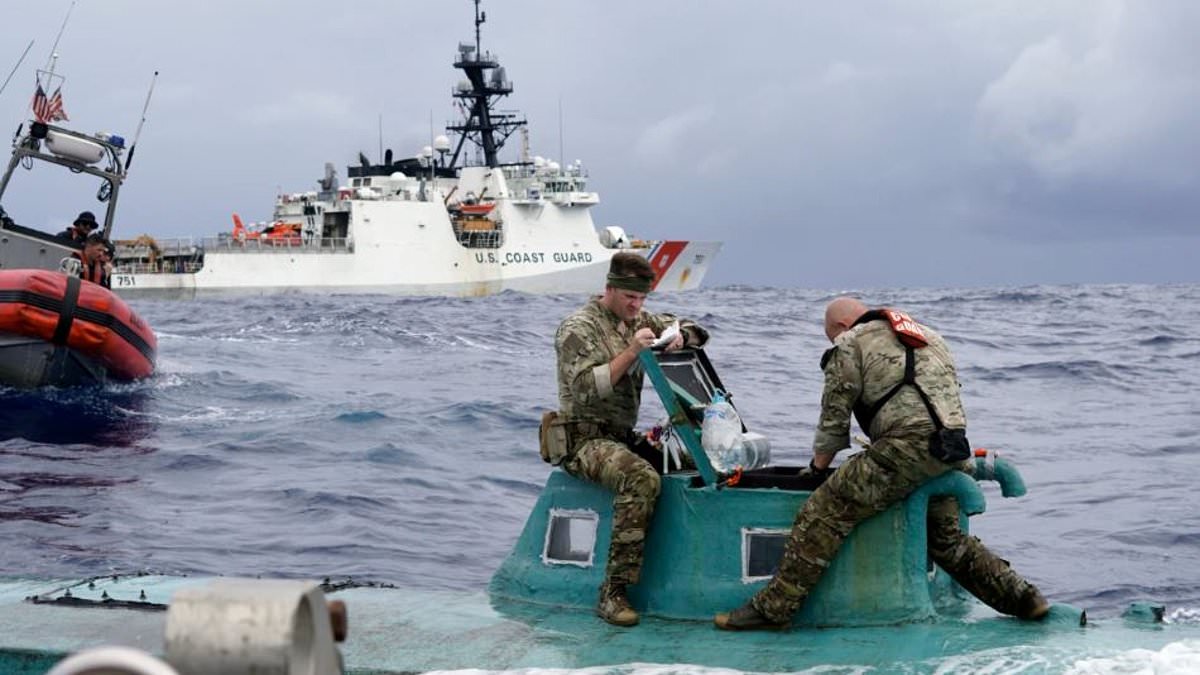
The San Diego coast guard has intercepted over 18,000lbs of cocaine worth $239 million in six separate drug busts in just one month, with the largest seizure coming from a narco-submarine. The drugs were seized off the coasts of Mexico, Central America, and South America by two coast guard ships, the Waesche and Active. The Waesche, a national security cutter, seized over 5,500lbs of cocaine, while the Active brought home 4,000lbs of drugs. Overall, more than 40 tons of cocaine have been seized by the coast guard this year, making it the third most seized drug after marijuana and meth.
The argument that reducing drug busts will save lives by decreasing overdose deaths is flawed. While there may be a short-term correlation between drug busts and overdose deaths, the evidence is limited and inconclusive. Decriminalization measures like Oregon's Measure 110 have actually led to a significant increase in overdose rates. Similar trends can be seen in New York and San Francisco. The fundamental cause of overdoses is the drugs themselves, particularly fentanyl, which is responsible for 75% of opioid-related deaths. Reducing drug busts will only flood the market with more fentanyl, exacerbating the overdose crisis. Instead, efforts should focus on addressing addiction and implementing a multi-pronged approach that includes overdose prevention, treatment centers, and targeting street fentanyl.
A coalition of politicians in the US is calling for tougher police tactics against drug dealers, particularly those selling fentanyl, methamphetamines, and xylazine. However, new research published in the American Journal of Public Health suggests that drug busts and police crackdowns may actually worsen the overdose crisis. The study, based on data from Indianapolis, found that overdose rates doubled in the area surrounding a drug seizure. Experts argue that disrupting the drug market can lead to increased risks, as people with addiction may turn to more dangerous substances or experience altered tolerance levels. Critics argue that decades of tough law enforcement tactics have not effectively reduced drug supply or made communities safer. Some experts suggest that drug seizures should be part of a broader public health strategy, with better planning and coordination to prevent spikes in overdoses.
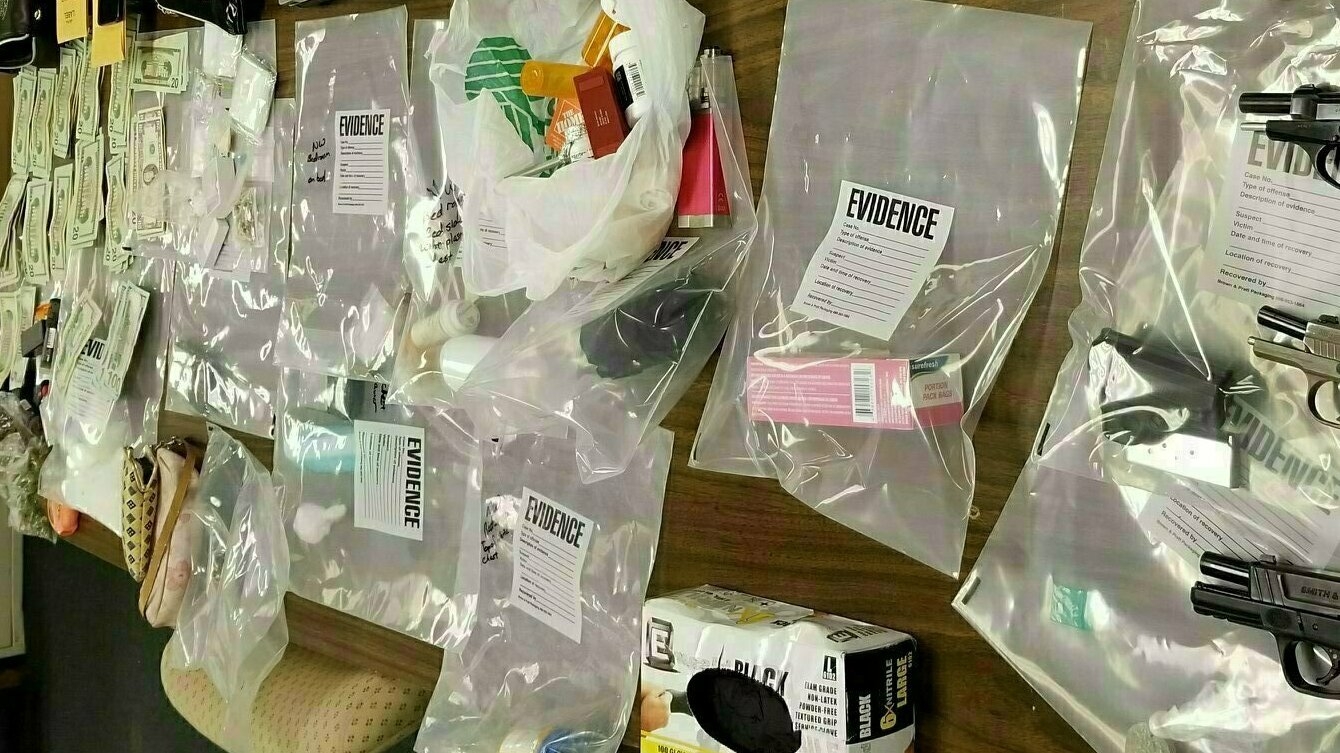
The DEA's yearlong "Operation Last Mile" targeting the links between Mexican drug cartels and local street gangs and drug dealers resulted in massive drug busts in Louisville and other cities. The Jalisco and Sinaloa cartels smuggle fentanyl and methamphetamine into the United States and then distribute those drugs to local street gangs and individual drug dealers. The Louisville Field Division's investigations resulted in 137 arrests and seizures of 1,762,240 deadly doses of fentanyl, 544 pounds of methamphetamine, 621 guns, and $4,336,891 in assets. Many acts of violence in Louisville can be traced to the cartels' local affiliates.