Tag

Lunar Economy

All articles tagged with #lunar economy

space-exploration7 months ago

Lessons from Lunar Failures: The Importance of Openness in the Moon Economy

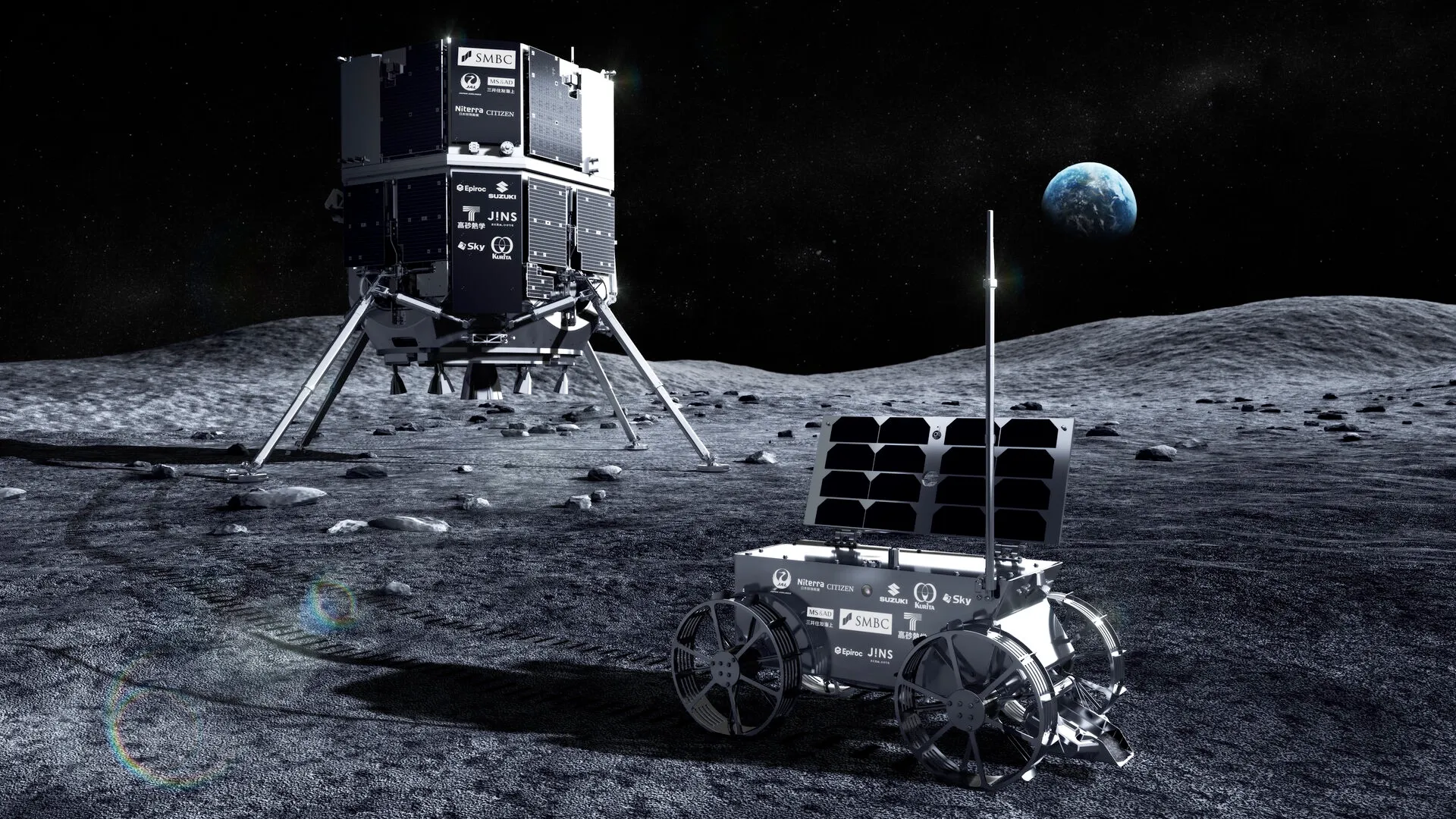
The article discusses the recent failure of ispace-Japan's Resilience lunar lander, emphasizing the importance of transparency, learning from setbacks, and industry collaboration to advance the lunar economy and future space missions. Despite the unsuccessful landing, ispace commits to openness, technical improvements, and fostering a community effort to achieve reliable lunar exploration.
space-exploration1 year ago

"US Government's Commitment to Lunar Economy Development"

The United States is making strides in developing a lunar economy as part of the Artemis program, with NASA seeking to foster a thriving economy on the Moon. DARPA has initiated the LunA-10 study involving 14 companies to assess services such as power and communications on the lunar surface, with the goal of facilitating a lunar economy by 2035. DARPA has also issued a "Request for Information" for technological capabilities that could scale up lunar exploration and commerce, focusing on areas such as centralized heating and cooling to support lunar activities.

space-exploration1 year ago

"Ex-Blue Origin President Leads Helium-3 Moon Mining Startup"

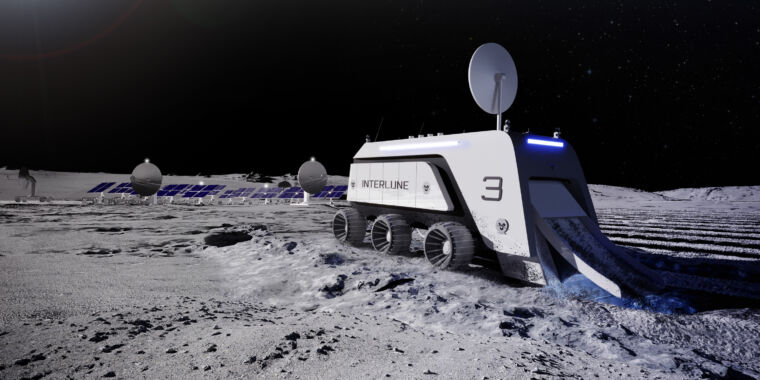
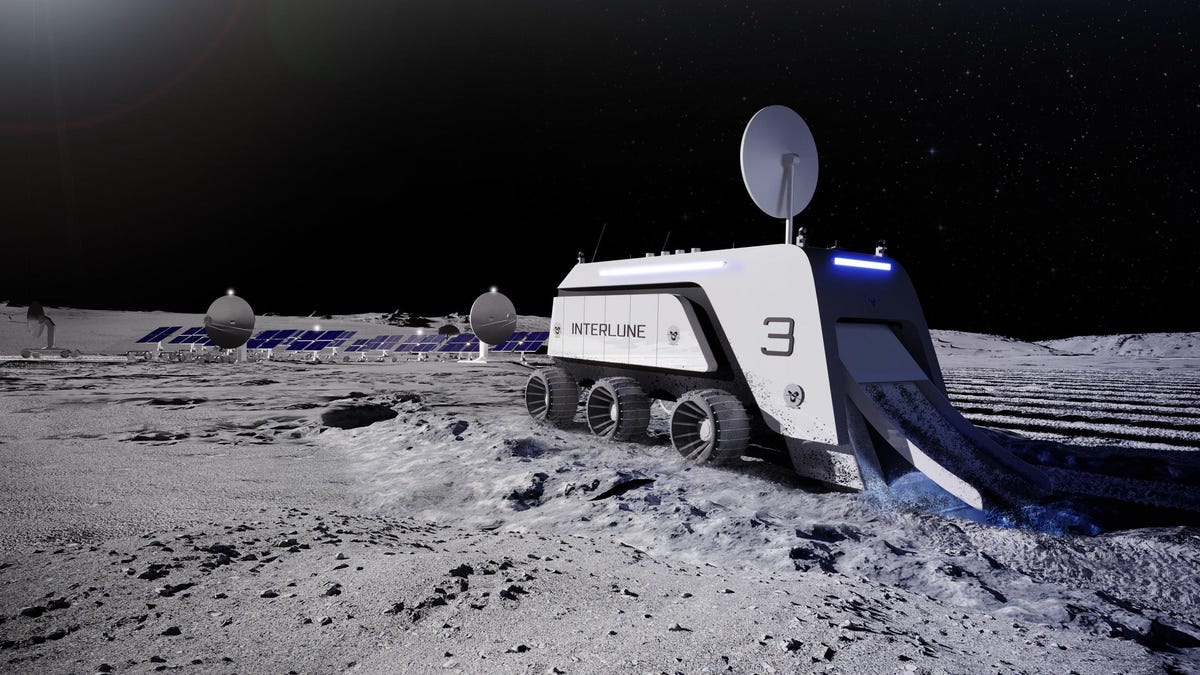
Former Blue Origin employees have founded a startup called Interlune, aiming to harvest helium-3 from the Moon to meet the growing demand for the rare resource in industries such as quantum computing and nuclear fusion. With $15 million in funding, the company plans to design a robotic lander to verify helium-3 levels on the Moon and become the first to extract and sell natural resources from space. While NASA also has plans for lunar resource exploration, the lack of regulations poses potential risks to the lunar environment.

space-exploration1 year ago

"Company to Mine Helium-3 on the Moon: Turning Talk into Reality"

Former Blue Origin employees have founded Interlune, a company aiming to extract helium-3 from the lunar surface and sell it on Earth, with $15 million in funding. Helium-3 is rare on Earth but believed to be abundant on the Moon. The company faces challenges in extraction and transportation, but with NASA's Artemis Program investing in lunar exploration, the timing may be right for a lunar mining venture.

space-exploration1 year ago

"Odysseus Moon Lander: Photos Show Snapped Leg and Potential Mission End"

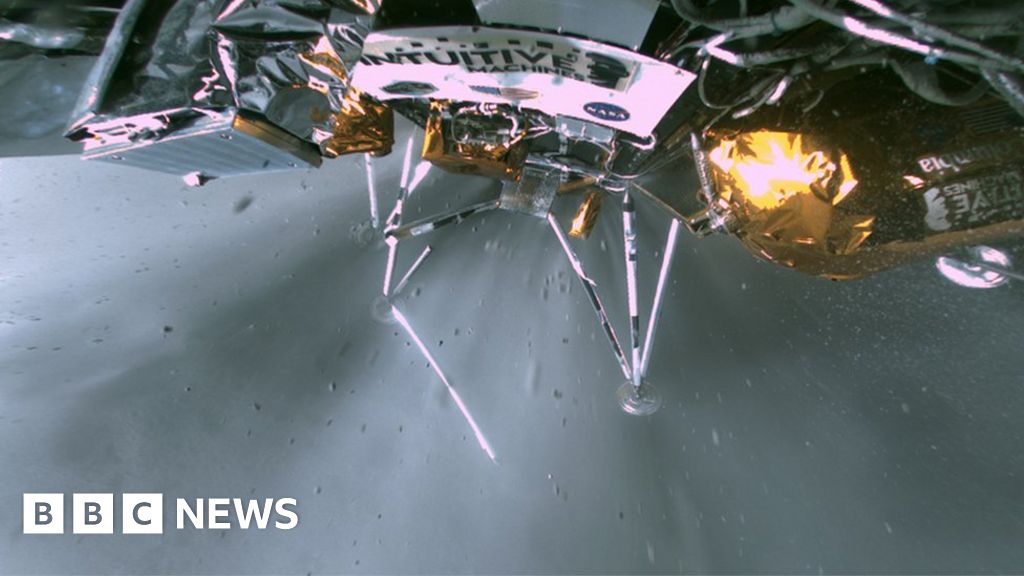
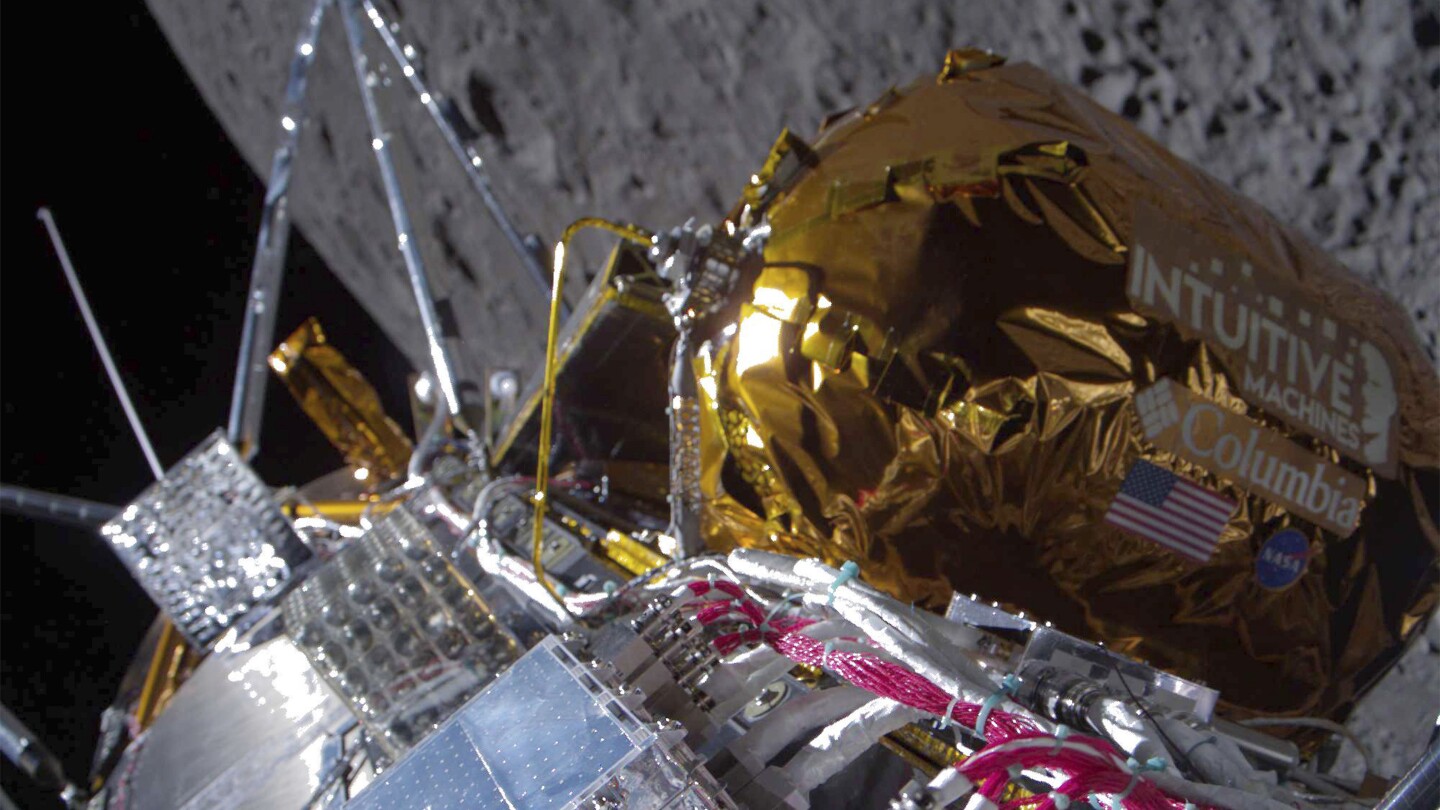
The first images of the Odysseus robot on the Moon show it lying on its side with a broken leg after completing the first privately built vehicle soft landing on the lunar surface. Despite the setback, the spacecraft continued to send back data about the lunar environment, with engineers expecting it to go into hibernation soon. The mission is part of NASA's Commercial Lunar Payload Services program, aiming to establish a thriving lunar economy, with Intuitive Machines planning two more missions in 2024.

space-exploration1 year ago

"Intuitive Machines' Successful US Moon Landing Marks Historic Milestone"

Intuitive Machines successfully landed its spacecraft, Odysseus, on the moon's south polar region, marking the first U.S. moon landing in 50 years. The company is communicating with the lander and working to acquire science data, despite some challenges with its navigation system. This achievement makes Intuitive Machines the first private business to accomplish a moon landing, with NASA sponsoring the mission. The landing is part of NASA's efforts to jump-start the lunar economy and pave the way for future astronaut missions under the Artemis program.

space-exploration1 year ago

"Challenges and Triumphs: Private US Spacecraft's Lunar Landing Attempt"

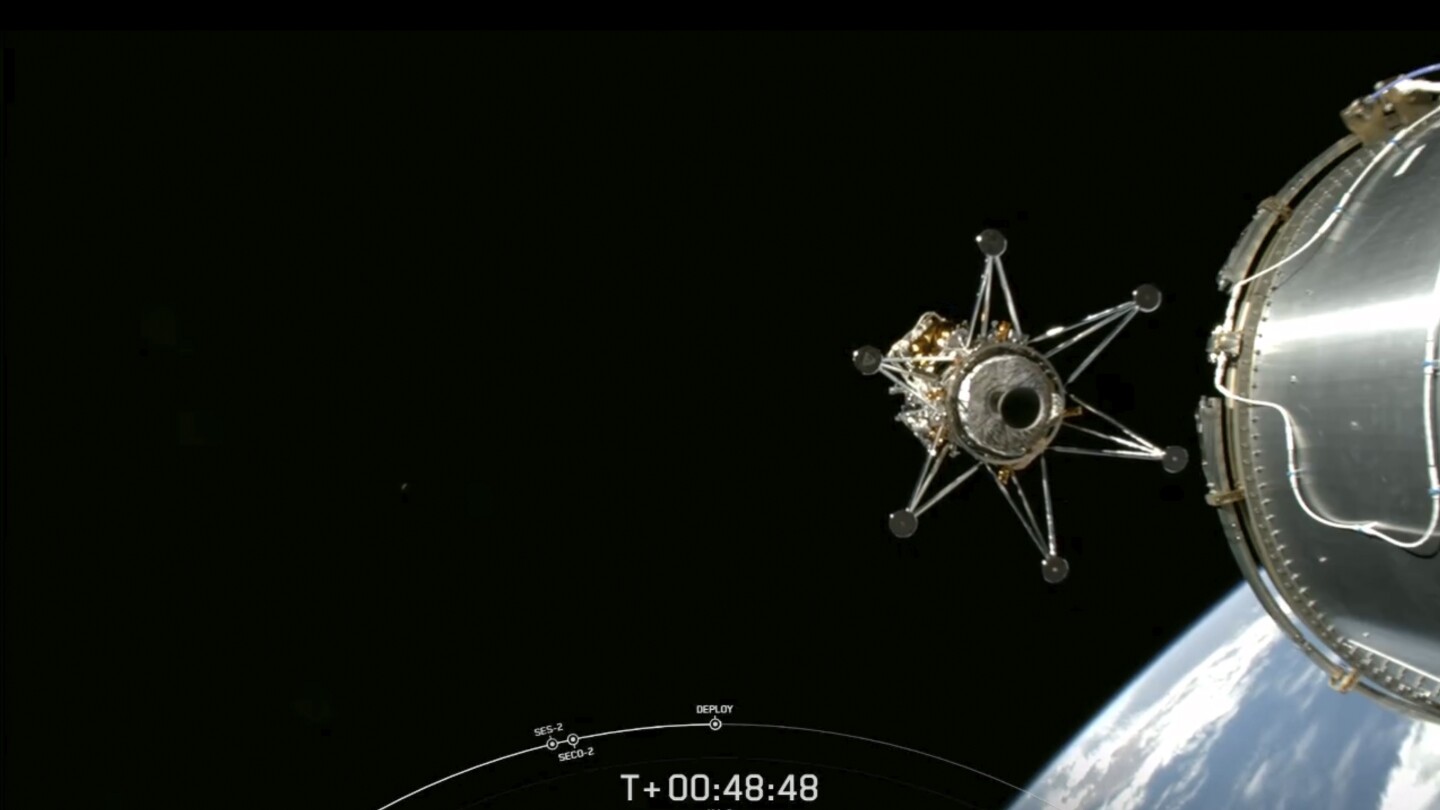
A private U.S. spacecraft, Intuitive Machines' lander named Odysseus, has successfully entered orbit around the moon and is set to attempt a landing near the moon's south pole. This mission, part of a NASA program to kickstart the lunar economy, aims to put the U.S. back in business on the moon for the first time since the Apollo program. The moon's history of successful and failed landings by various countries, including the U.S., China, Russia, India, and Japan, is also highlighted.

space-industry2 years ago

"Exploring the Lunar Frontier: The Emergence of a Thriving Lunar Economy"

The US and China are leading the charge in the race to establish permanently crewed bases on the Moon, with billions of dollars in contracts available for ambitious support projects such as food cultivation and a lunar internet. This development signals the emergence of a lunar economy and raises the question of whether the next great leap forward in space will be driven by lunar exploration.

spacetechnology2 years ago

"ESA Seeks Innovative Concepts for Lunar Economy and Communication Satellites"

The European Space Agency (ESA) has launched its Moonlight program, calling for visionary ideas to create a constellation of communication and navigation satellites around the Moon, which could unlock opportunities for lunar businesses and stimulate the lunar economy. The satellites would offer services such as communication, navigation, and data exchange, enabling entrepreneurs to develop innovative businesses for customers on the Moon and on Earth. The potential revenue opportunities from lunar activities are estimated to be €40 billion over the next decade, rising to almost €160 billion by 2040. ESA is inviting companies to submit their brightest ideas to become pioneers of the lunar economy.

space-exploration2 years ago

Moonshot Mania: Global Competition Heats Up in the Race to the Moon

The renewed interest in the Moon is driven by the goal of establishing a long-term presence and lunar economy, rather than a race for national pride. China is aggressively advancing its lunar program, with plans to land astronauts on the Moon by 2030 and build a permanent base. Private companies like SpaceX and Blue Origin are also joining the race, aiming to fulfill parts of NASA's Artemis missions. The Moon's resources, particularly water, are seen as crucial for future space exploration and could be used for fuel and life support. However, there are currently no laws governing resource ownership in space, creating a lawless environment.

space2 years ago

DARPA's Groundbreaking Initiatives: Lunar Infrastructure and Suicide Detection

The Defense Advanced Research Projects Agency (DARPA) has launched the LunA-10 project, a 10-year study to develop an analytical framework for integrated lunar infrastructure. DARPA is seeking ideas from potential developers and users of lunar power, communications, navigation, and other infrastructure. The agency plans to select a group to work together on new integrated system-level solutions that will be commercially available by 2035. The study will define a commercial end state for lunar infrastructure in 10 years and will focus on both technology and economics. DARPA is coordinating with NASA on this effort, which is complementary to NASA's architecture studies. The study aims to identify technology that could have national security applications and is grounded in the peaceful use of outer space. Abstracts are due by September 6, and the final report is expected in June 2024.

science-and-astronomy2 years ago

"Private Companies Propel Lunar Economy with Moon Mining Initiatives"

Private companies, along with NASA's Artemis Program, are accelerating plans to utilize Earth's moon for landing, living, and exploration. The focus is on in-situ resource utilization (ISRU), which involves extracting oxygen, water, and other materials from the moon to produce rocket fuel and support life. The Space Resources Roundtable meeting discussed lunar economic models, lab tests, and legal issues, with entrepreneurial groups sharing strategies to turn the moon into a bustling market. NASA is working on long-term ISRU goals and engaging industry, while private companies like Intuitive Machines are developing lunar services and exploring water ice within permanently shadowed lunar craters. The moon is seen as a crucial location for building infrastructure and establishing a foothold in space exploration.

space-exploration2 years ago

"Private Companies Propel Lunar Economy with Moon Mining Initiatives"

Private companies, along with NASA's Artemis Program, are accelerating plans to utilize the moon for landing, living, and exploration. The focus is on in-situ resource utilization (ISRU), which involves extracting oxygen, water, and other materials for rocket fuel and life-support systems. The recent Space Resources Roundtable discussed lunar economic models, lab tests, and legal issues. The private sector, including companies like Intuitive Machines, is playing a major role in lunar services. NASA is blueprinting long-term ISRU goals and considering industry engagement. Prospective water ice within lunar craters is of interest, but economic extraction and refining remain uncertain. Establishing infrastructure on the moon is seen as crucial for future exploration and utilization.

space-exploration2 years ago

"Private Companies Propel Lunar Economy with Moon Mining Initiatives"

Private companies, along with NASA's Artemis Program, are accelerating plans to utilize the moon for landing, living, and exploration. The focus is on in-situ resource utilization (ISRU), which involves extracting oxygen, water, and other materials for rocket fuel and life-support systems. The recent Space Resources Roundtable discussed lunar economic models, lab tests, and legal issues. NASA is working on long-term ISRU goals and engaging industry, while private companies like Intuitive Machines are developing lunar services and mobility platforms. The extraction of water ice and oxygen from lunar regolith is a priority, and the moon's polar regions offer well-illuminated areas for sustained operations. The moon is seen as a crucial stepping stone for future space exploration.

space2 years ago

Lockheed Martin's Crescent Space Services to Boost Lunar Economy with Satellite Communications Network.

Crescent Space, a new commercial company launched by Lockheed Martin, has announced its entry into the lunar infrastructure sector. The company provides infrastructure-as-a-service for lunar missions, offering an initial service called Parsec, a cislunar communications and navigation network. Parsec uses a constellation of small lunar satellites that will collectively work to provide continuous connection between Earth and the people and assets in lunar orbit, as well as on the surface of the Moon. Crescent will own and operate the Parsec network upon launch of its first nodes in 2025.