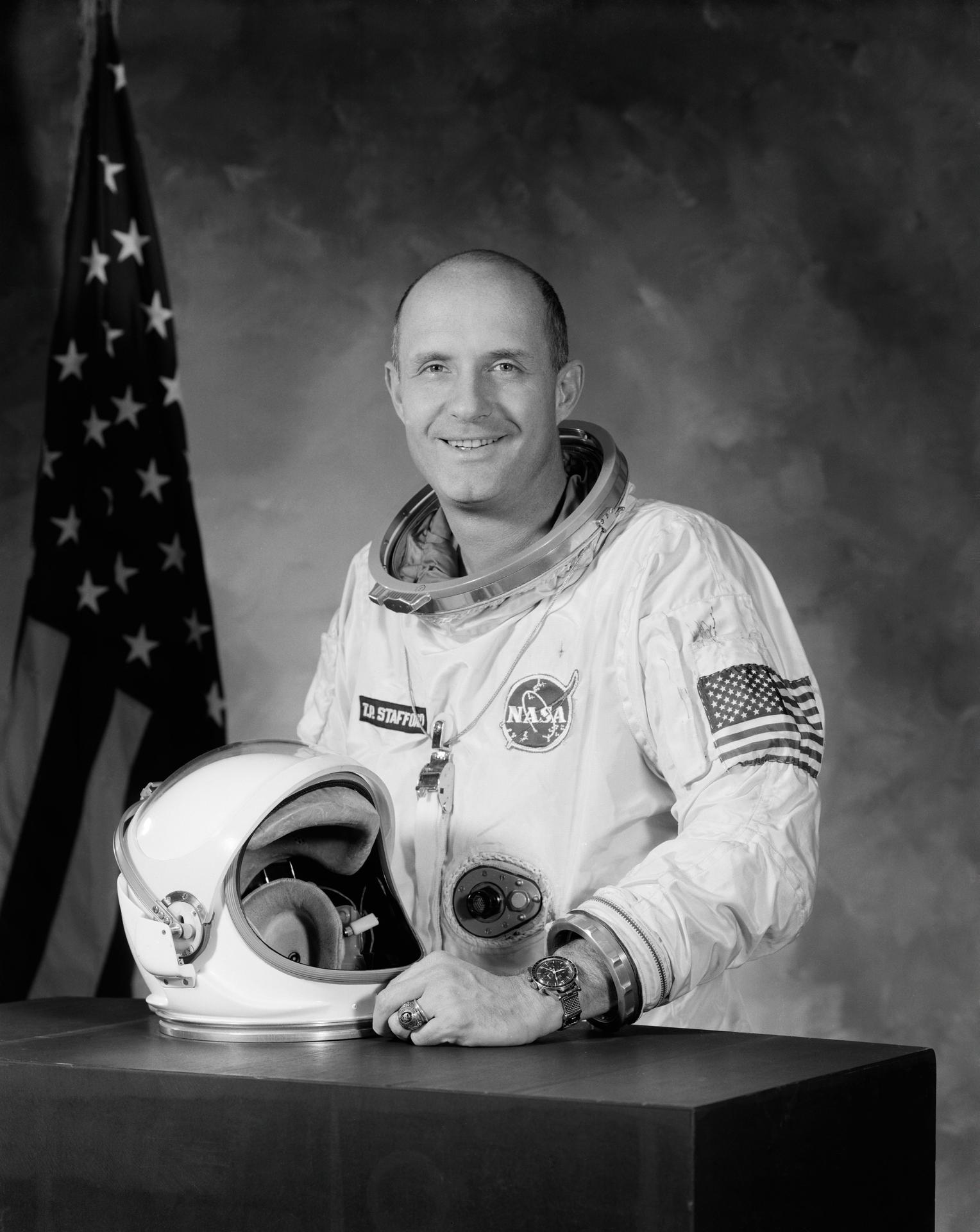
NASA Administrator Bill Nelson pays tribute to Thomas Stafford, a pioneering astronaut and U.S. Air Force general, highlighting his significant contributions to the nation's space program, international cooperation in space exploration, and his role in the Apollo-Soyuz mission. Stafford's remarkable career included piloting Gemini and Apollo missions, commanding Apollo 10, and advocating for NASA's future endeavors. Nelson praises Stafford's dedication, peacemaking efforts, and enduring sense of wonder about space, expressing gratitude for his lasting impact on space exploration.
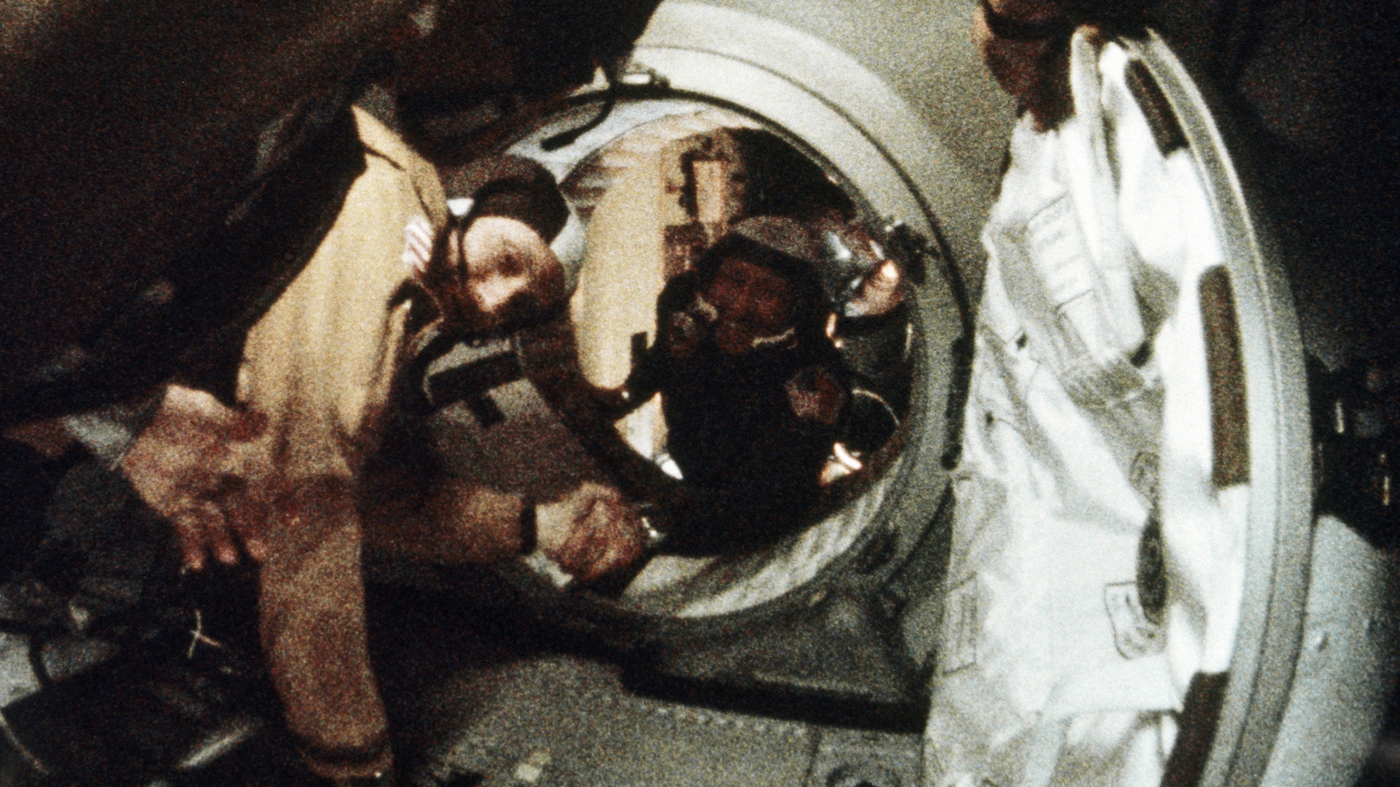
Tom Stafford, a NASA astronaut known for his historic space missions including a rendezvous with Soviet cosmonauts, has passed away at the age of 93. Stafford, who flew in space four times and played a key role in the Apollo program, was remembered for his contributions to space exploration and his efforts in fostering international cooperation in space. He leaves behind a legacy of pioneering achievements and a call for a consistent strategy in space exploration.
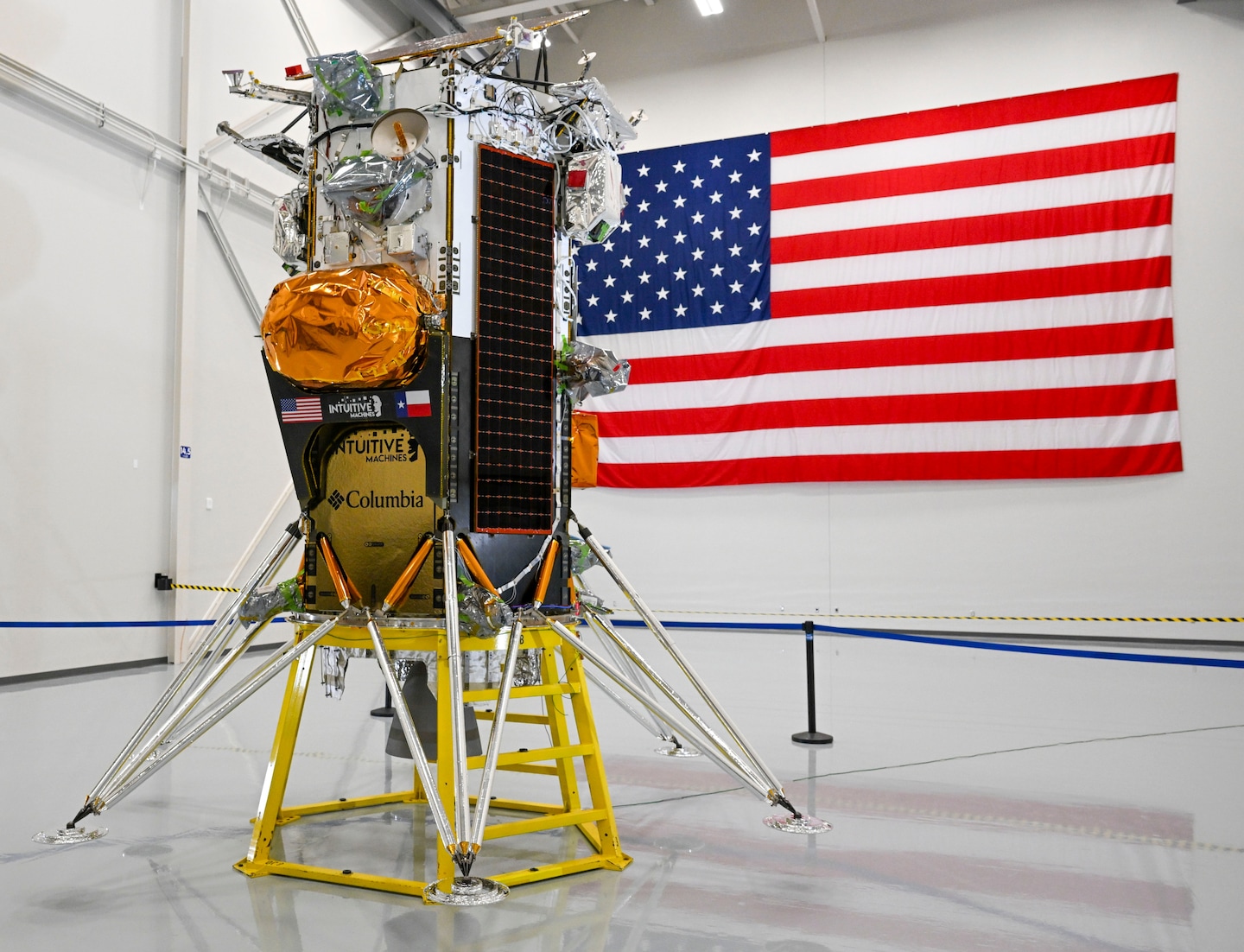
Intuitive Machines successfully landed a spacecraft on the moon, marking the first U.S. moon landing since NASA's Apollo program in 1972. The exact condition of the lander was unknown, but it had reached the surface and was communicating with the ground.
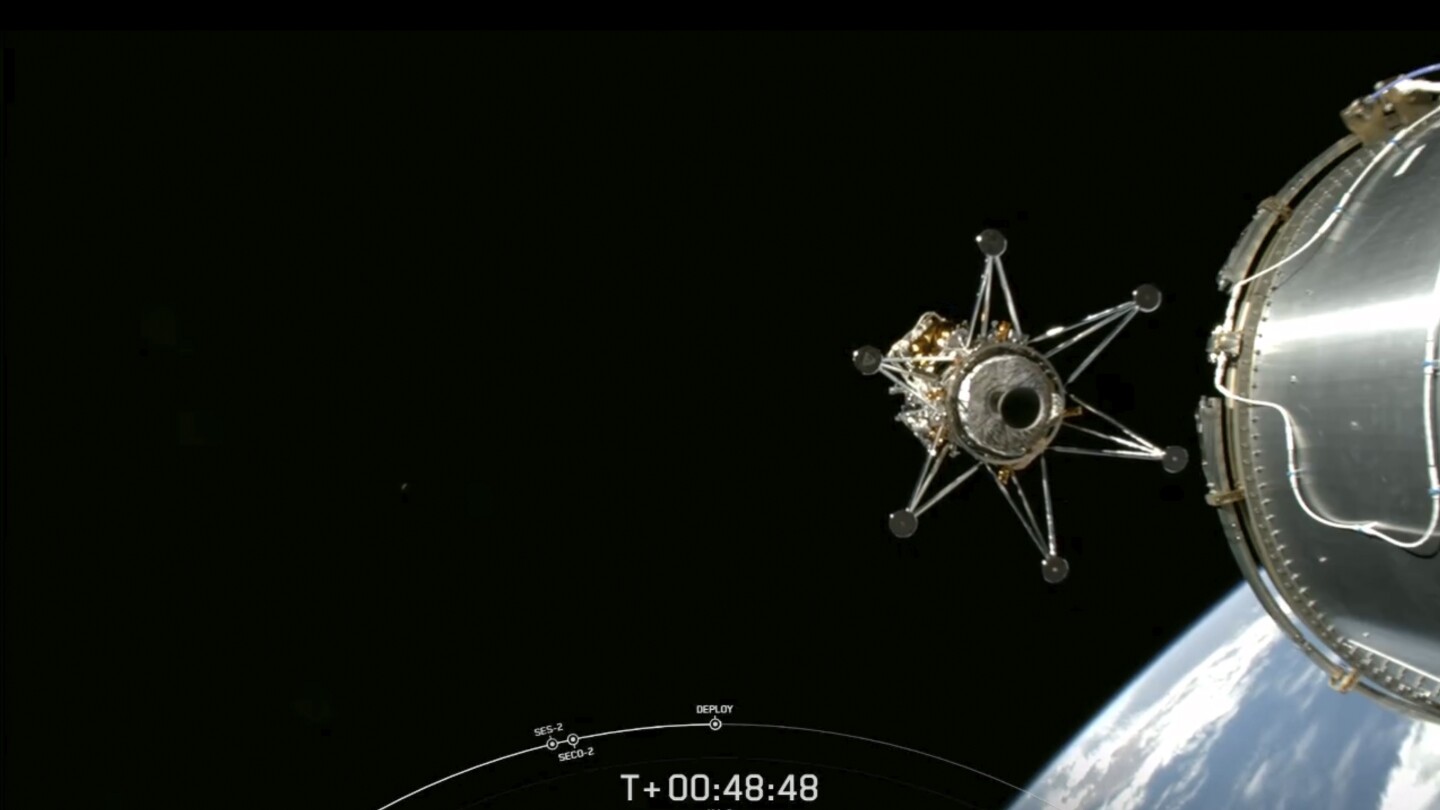
A private U.S. spacecraft, Intuitive Machines' lander named Odysseus, has successfully entered orbit around the moon and is set to attempt a landing near the moon's south pole. This mission, part of a NASA program to kickstart the lunar economy, aims to put the U.S. back in business on the moon for the first time since the Apollo program. The moon's history of successful and failed landings by various countries, including the U.S., China, Russia, India, and Japan, is also highlighted.
Frank Borman, a legendary NASA astronaut and commander of the Apollo 8 mission, has passed away at the age of 95. Borman, who played a vital role in the United States' endeavor to beat the Soviets in the space race, was known for his blunt candor and lack of interest in returning to the moon. Despite his disinterest in lunar exploration, Borman's trip around the moon in 1968 was a significant Cold War victory. He captured the iconic "Earthrise" photo and returned to Earth without sharing much about his experience with his family.
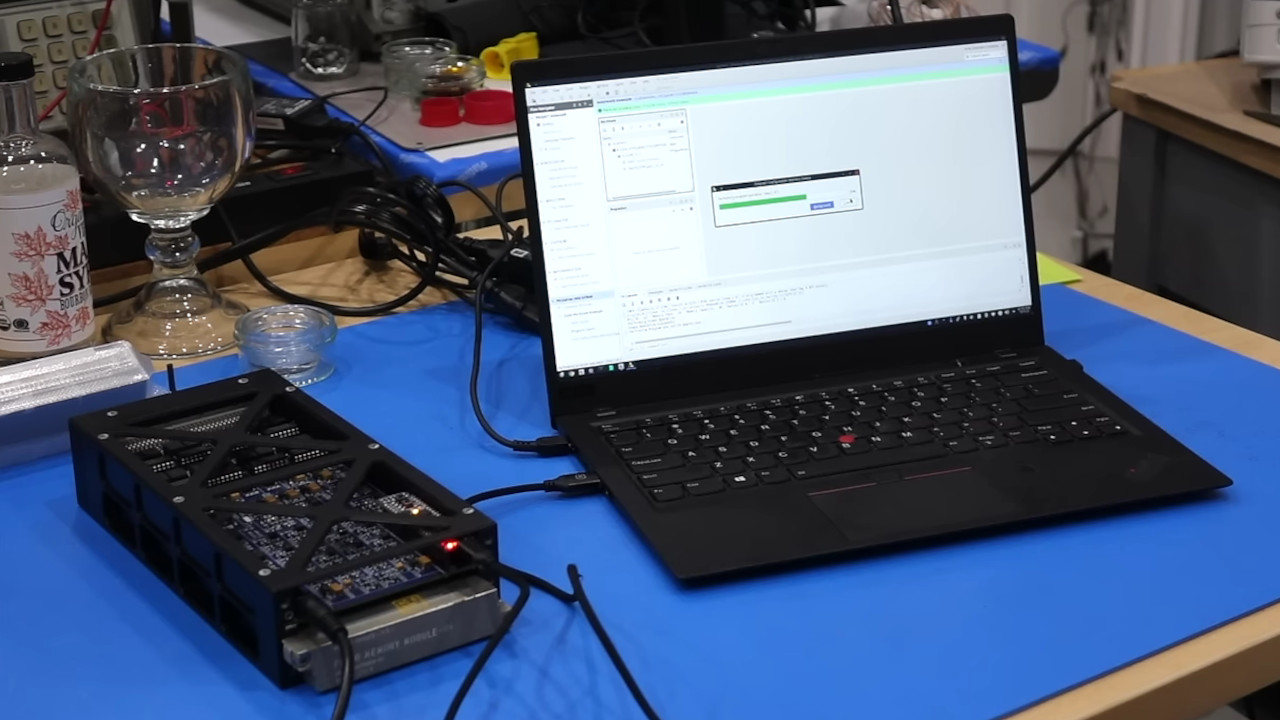
A team of retro hardware enthusiasts, led by CuriousMarc, has successfully preserved Apollo Program software by building a core rope reader from scratch. After recovering the contents of read-only core rope memory modules, the team needed a way to read more modules. Mike Stewart took on the challenge and built his own reader, but encountered a bug in the block II design of the core rope modules. By recompiling the FPGA code, the bug was fixed, allowing the conservation effort to continue.
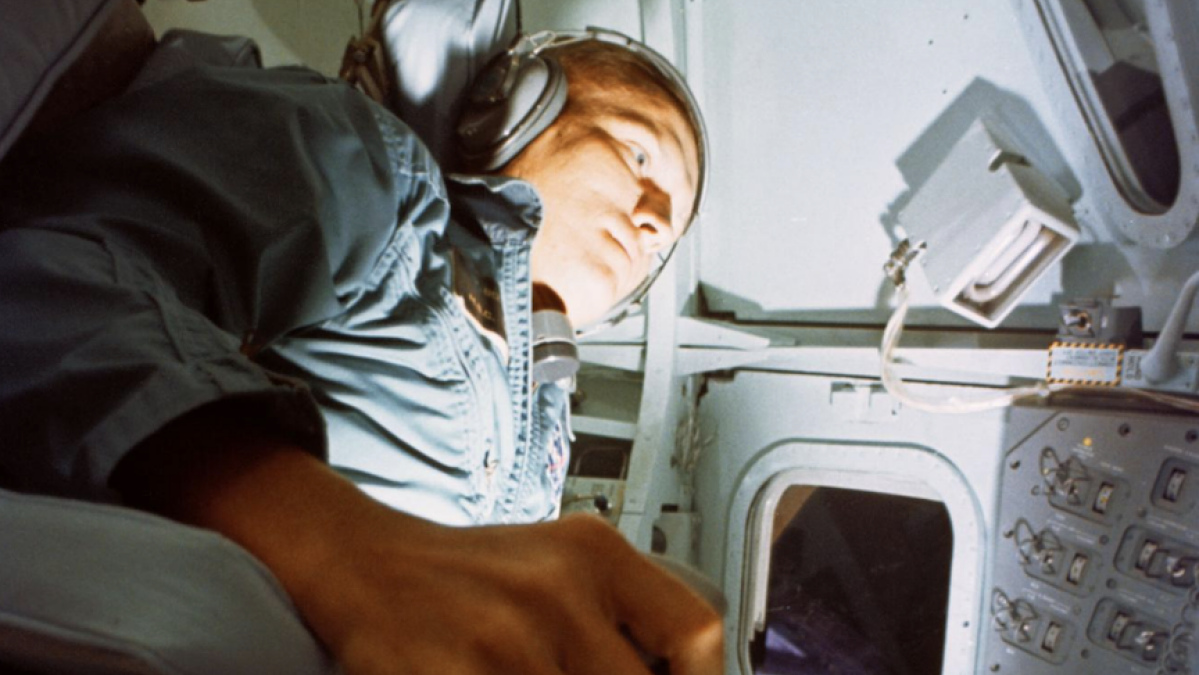
In October 1968, NASA made significant progress towards President Kennedy's goal of landing a man on the Moon. The successful Apollo 7 mission marked the return of American astronauts to space after a 23-month hiatus, while preparations for the Apollo 8 mission to orbit the Moon were underway. The redesigned Apollo spacecraft was thoroughly tested, including live television broadcasts from space. Meanwhile, the Soviet Union resumed its crewed missions, and rumors of a Soviet crewed lunar mission influenced NASA's decision to send Apollo 8 on its historic circumlunar flight in December.