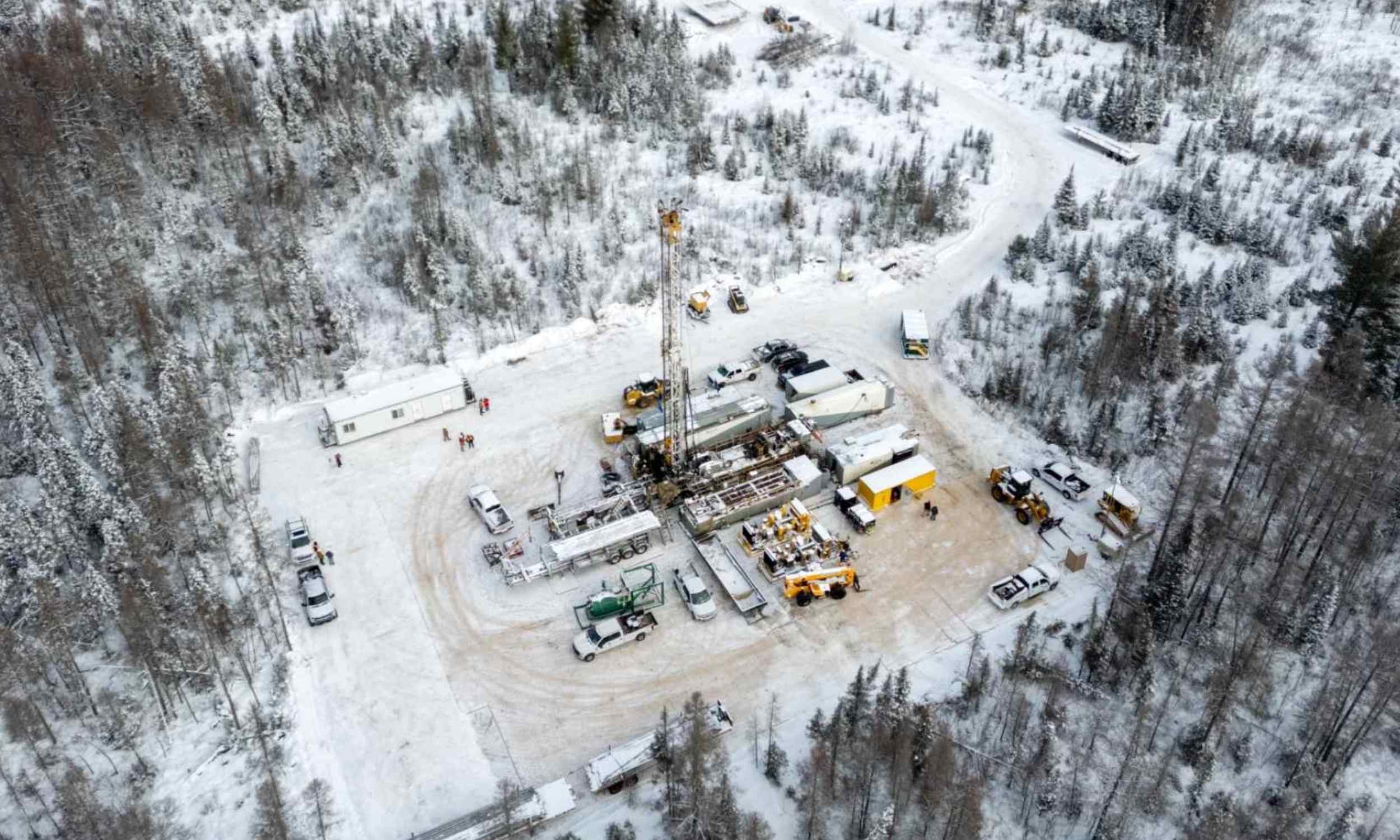
Scientists have discovered significant amounts of helium-3 underground in Minnesota, a rare isotope valuable for fusion energy, quantum computing, and scientific research, potentially providing an alternative source to lunar mining and impacting future energy and technology developments.
Private companies and space agencies are rapidly advancing toward lunar mining, particularly for helium-3, with plans to start operations by 2029, but the lack of a comprehensive international legal framework raises concerns about disputes, environmental impact, and resource sharing.
Nations and companies are racing to mine helium-3 on the Moon, a rare isotope with potential for clean fusion energy and advanced technology, amid technical challenges and geopolitical competition, aiming to establish long-term lunar operations and influence future space resource ownership.
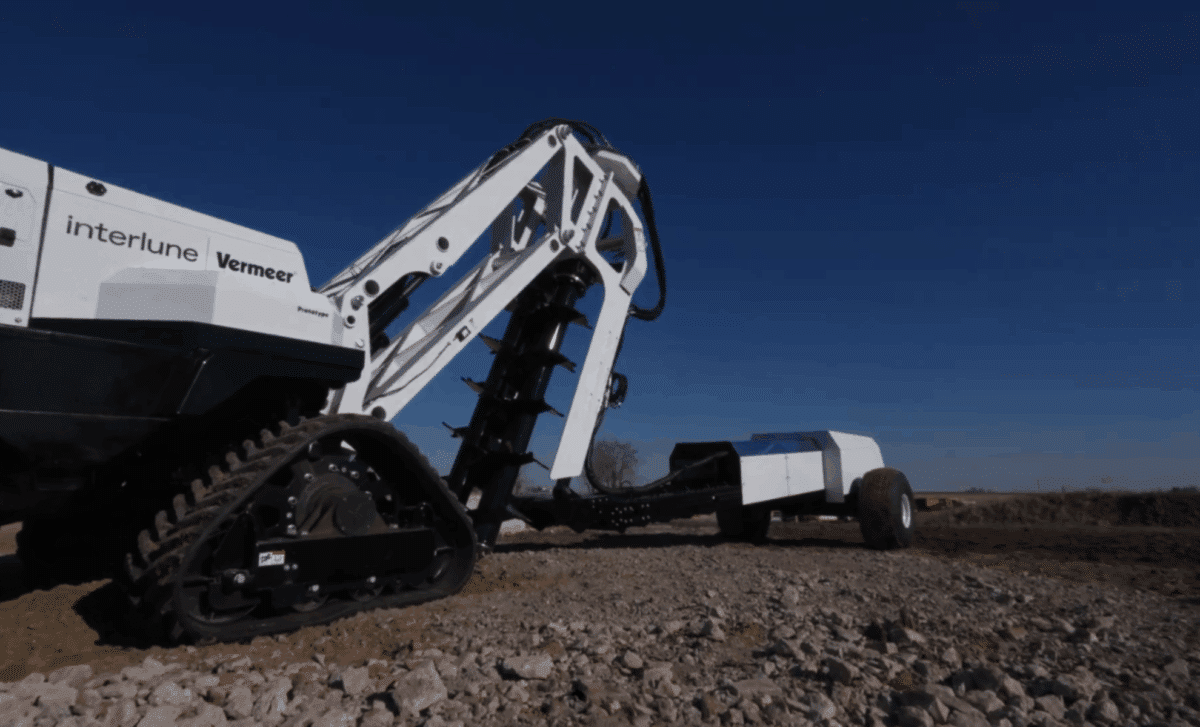
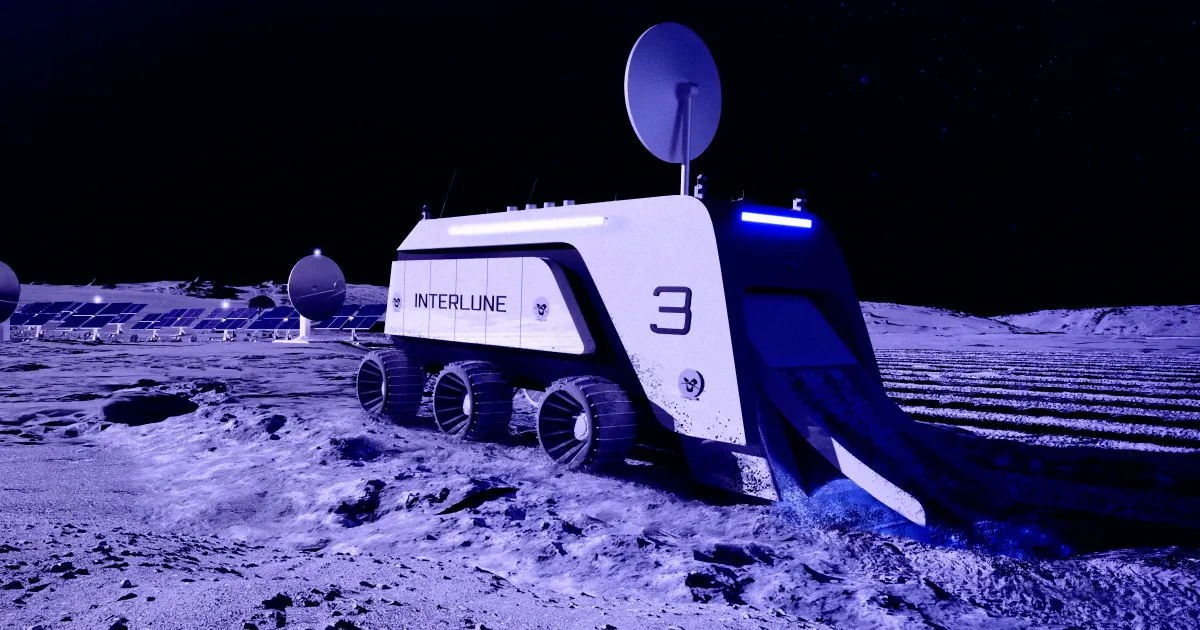
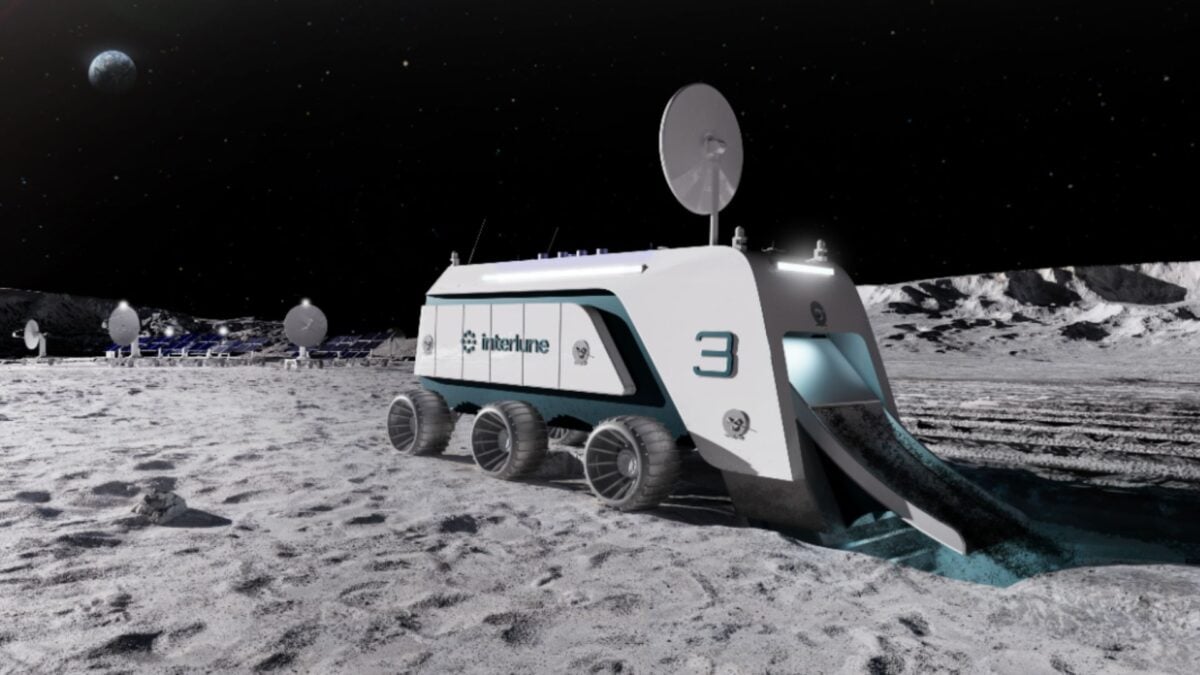
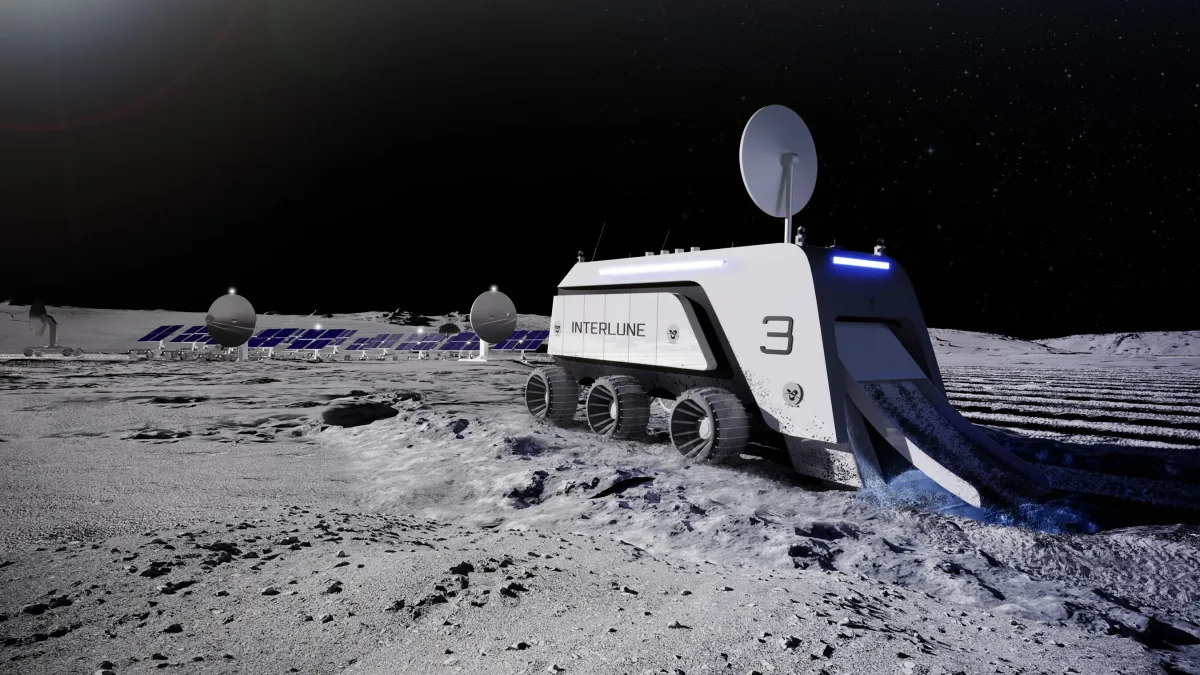
Interlune, a startup planning to launch in 2027, aims to mine helium-3 on the Moon, a rare isotope with immense energy potential, to revolutionize energy production and open new lunar economic opportunities.
A mining company claims to have identified valuable helium-3 on the Moon's surface, fueling a growing interest among private companies and nations to extract lunar resources for energy and technological use, despite significant technical and economic challenges.
The Moon is being explored as a potential source of helium-3, a rare isotope crucial for quantum computing and clean fusion energy, with the US and China leading the race, raising significant technological and geopolitical implications.
Interlune, a Seattle-based startup, has made the largest deal yet for lunar helium-3, a rare isotope on Earth, by partnering with Bluefors to supply up to 10,000 liters annually from 2028 to 2037, driven by rising demand from the quantum computing industry, though challenges remain in lunar mining technology and resource estimation.
Finnish tech firm Bluefors has purchased over $300 million worth of Helium-3 from the moon through Interlune, marking the largest resource purchase from space, to support the growing demand for quantum computing cooling technology. The deal highlights the potential for lunar resource extraction, particularly Helium-3, which is rare on Earth but abundant on the moon, and could be crucial for future technological advancements and energy solutions.
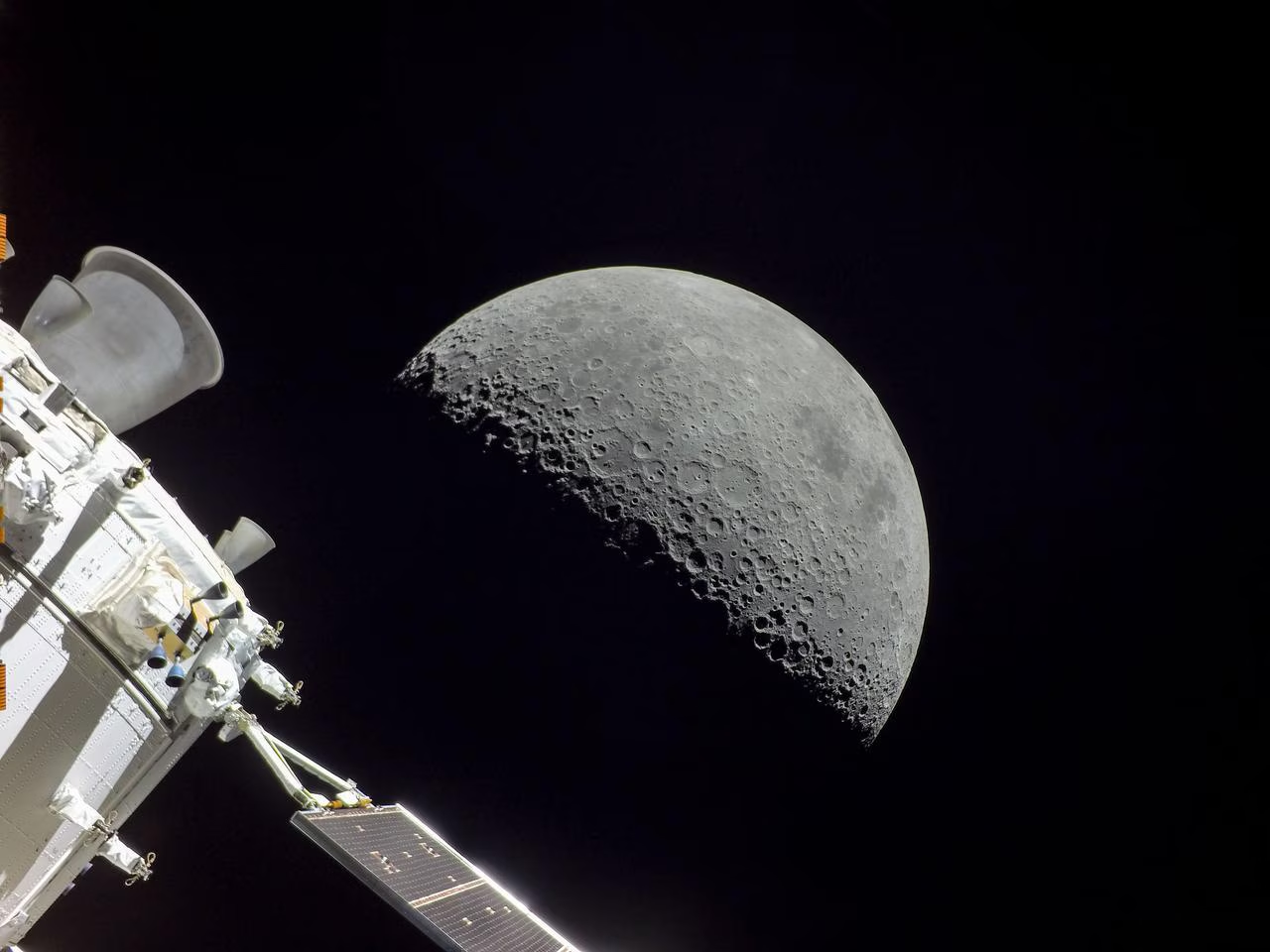
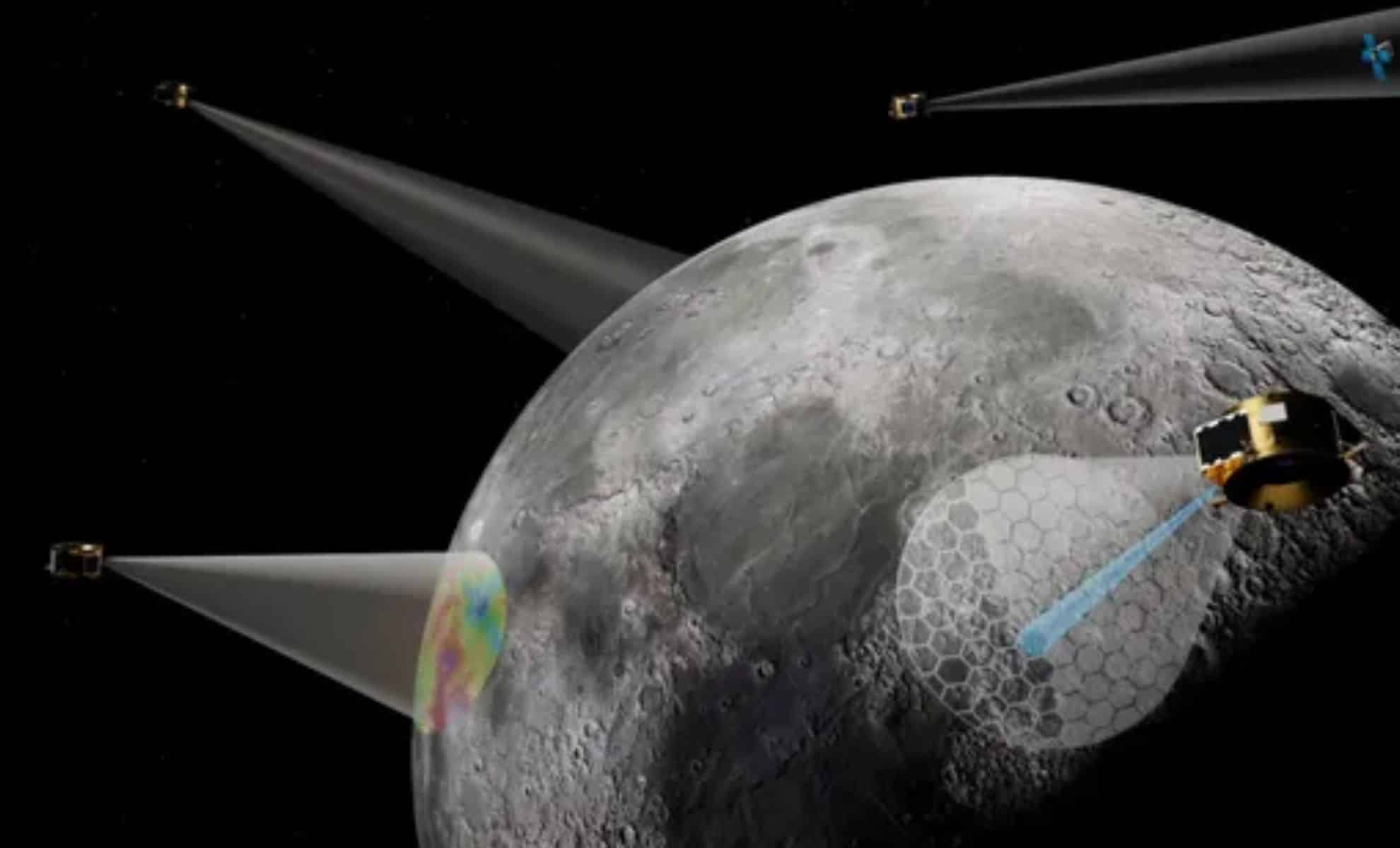
Firefly Aerospace is set to launch its Ocula moon-imaging service by 2026, utilizing high-resolution telescopes on Elytra spacecraft to provide detailed lunar surface images, aid in resource detection like helium-3, and support future lunar and planetary missions, with potential expansion to Mars.
Startup company Interlune plans to mine the moon for helium-3, a rare and valuable isotope estimated to be worth $4 billion per ton. With plans to join a 2026 NASA mission for research and build a pilot plant by 2028, Interlune aims to begin shipping helium-3 back to Earth by 2030. This endeavor is part of a larger lunar rush, with NASA also intending to start mining on the moon by 2032, sparking discussions about the ethical and commercial implications of human interaction with the celestial body.
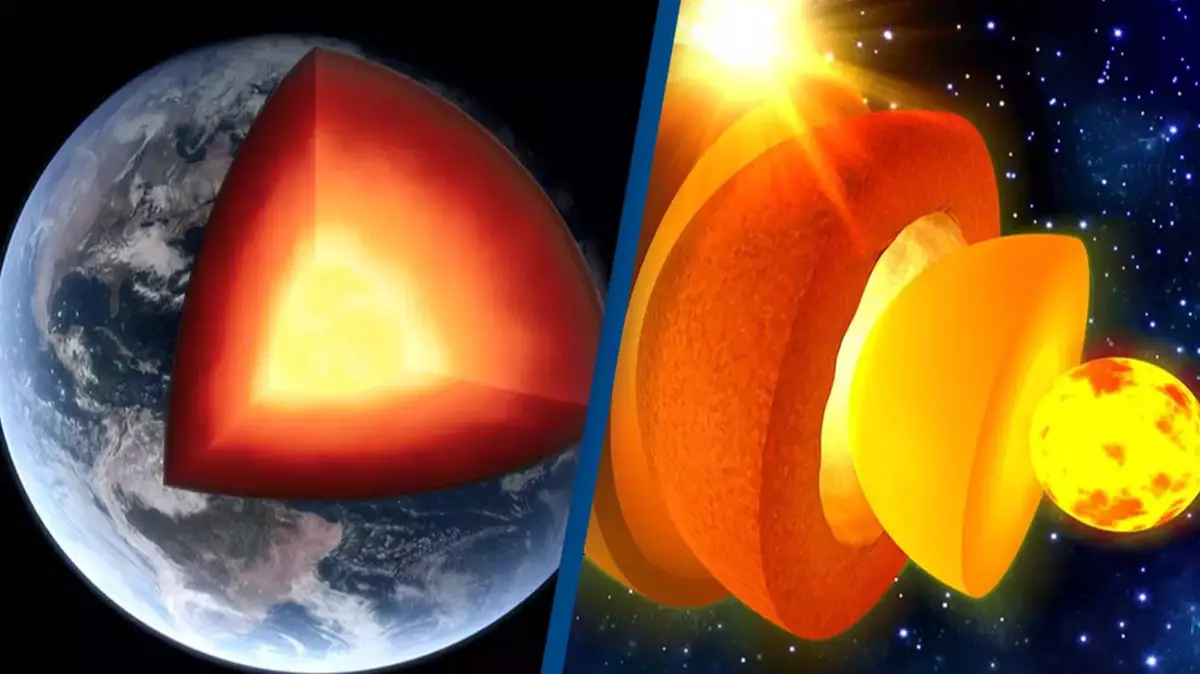
Scientists have discovered an unusually high amount of helium-3 in 62-million-year-old lava on Baffin Island, suggesting that Earth's core may be leaking into the outer layers, contrary to previous beliefs. This finding challenges the traditional notion that the core and outer layers are geochemically isolated and indicates that the Earth's core holds more information than previously thought. The research, published in Nature, has left the scientific community with more questions than answers, prompting further investigation into the Earth's core and inner layers.
Interlune plans to mine helium-3 on the moon, as just 25 tonnes of this rare isotope could power the US for a year, but Earth's limited helium resources won't meet energy demands. The company has raised $15 million to extract helium-3 from the moon and bring it to Earth, aiming to address the energy needs through space exploration.
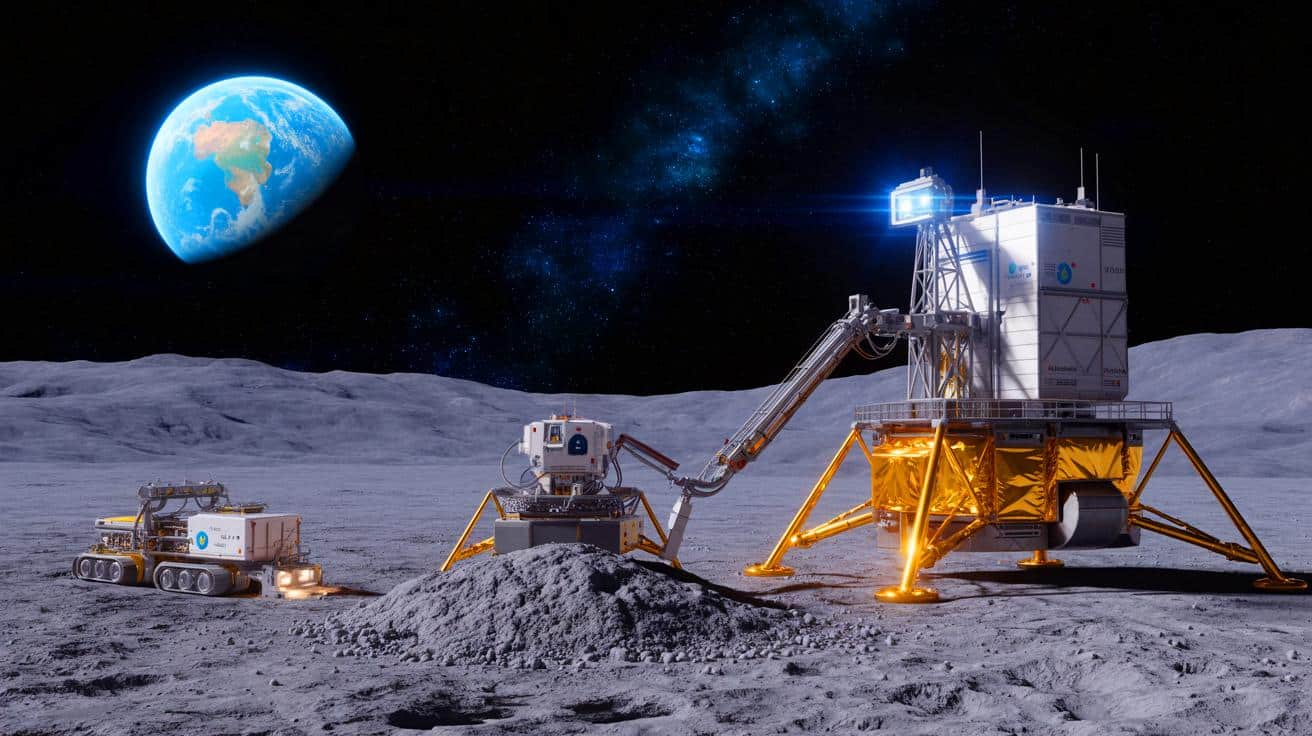
Interlune, a startup founded by former Blue Origin executives, aims to be the first private company to mine the moon for resources, starting with helium-3, which could be used for applications like quantum computing and medical imaging. The company plans to have a pilot plant on the moon by 2028 and begin operations by 2030, and has raised $18 million in funding, including $15 million in its most recent round led by Seven Seven Six. Interlune's goal is to excavate lunar soil, process it, and extract helium-3 gas for shipment back to Earth, with a robotic lander mission planned to assess the concentration of helium-3 at the selected location on the moon's surface.
Former Blue Origin employees have founded a startup called Interlune, aiming to harvest helium-3 from the Moon to meet the growing demand for the rare resource in industries such as quantum computing and nuclear fusion. With $15 million in funding, the company plans to design a robotic lander to verify helium-3 levels on the Moon and become the first to extract and sell natural resources from space. While NASA also has plans for lunar resource exploration, the lack of regulations poses potential risks to the lunar environment.
Former Blue Origin employees have founded a company, Interlune, to mine helium-3 on the moon and sell it on Earth, raising $15 million in funding. Helium-3, a rare isotope, is abundant on the moon's surface and has potential applications in quantum computing and fusion energy. With NASA's Artemis Program investing in lunar exploration, Interlune aims to capitalize on the growing interest in space resources, although significant technical and market challenges remain.