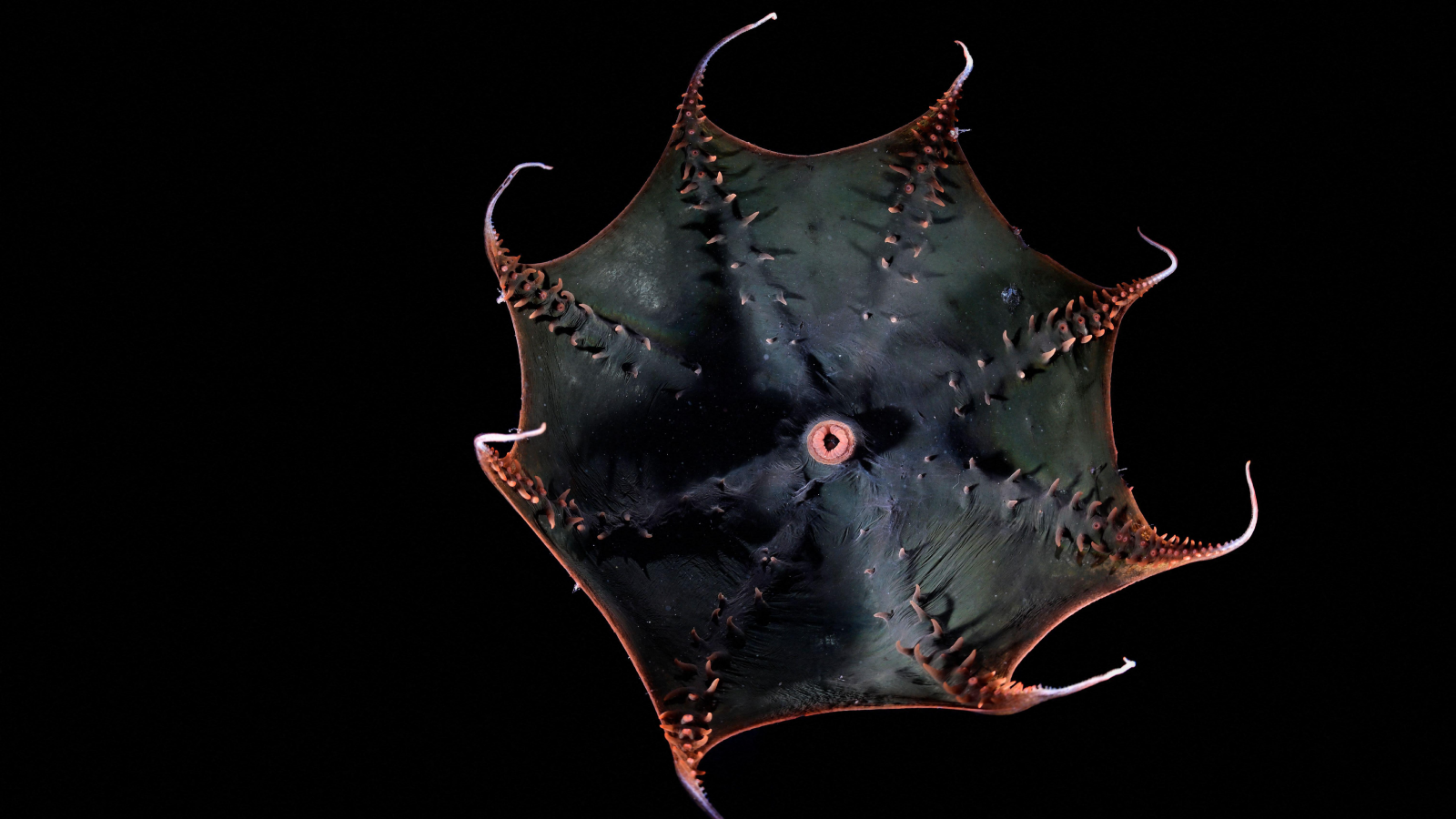
Scientists sequenced the genome of the vampire squid, revealing it has retained many ancient, squid-like chromosomal features despite belonging to the octopus group, making it a 'living fossil' that offers insights into cephalopod evolution.
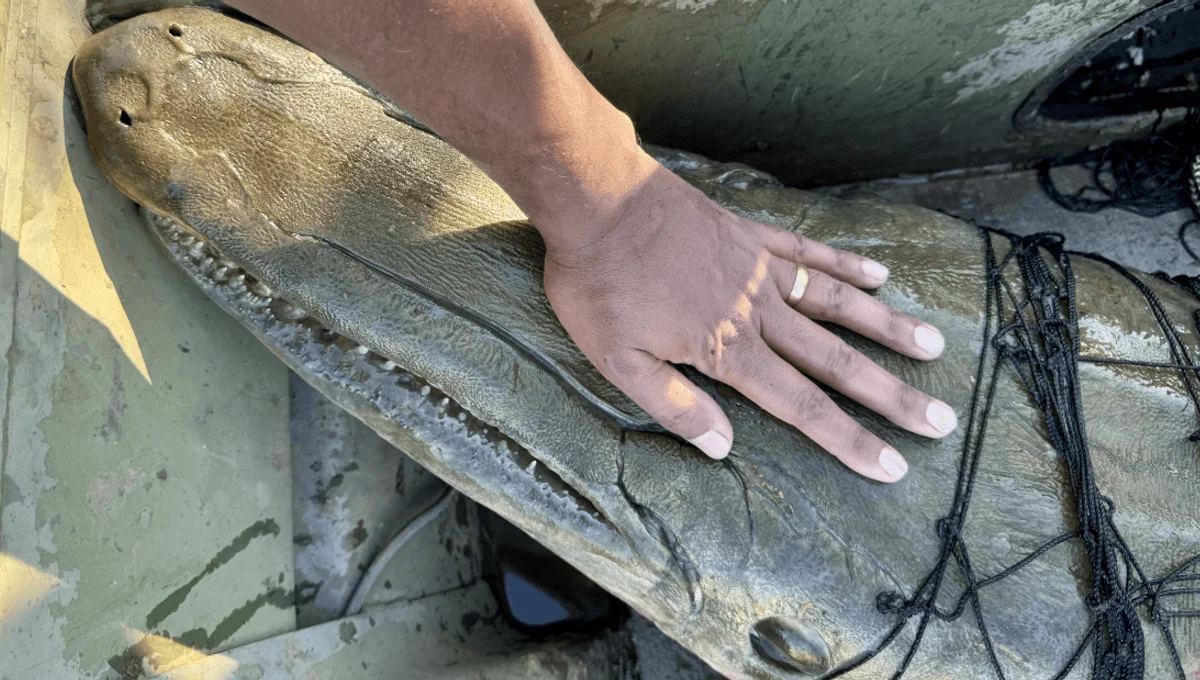
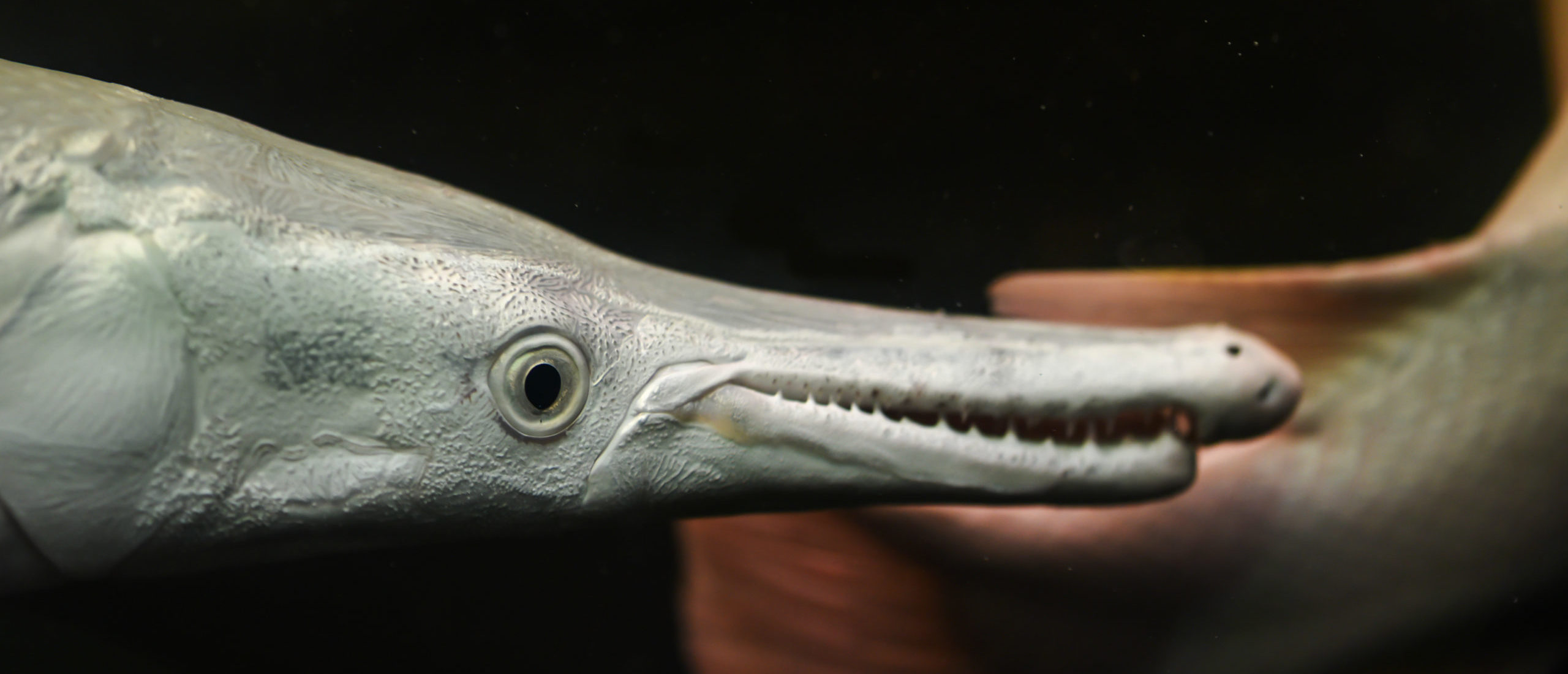
Scientists caught and released a massive 7-foot 10-inch, 136-kilogram alligator gar in the Mississippi River floodplains, highlighting its status as a living fossil and an indicator of river-floodplain connectivity, with implications for conservation and understanding of ancient fish species.
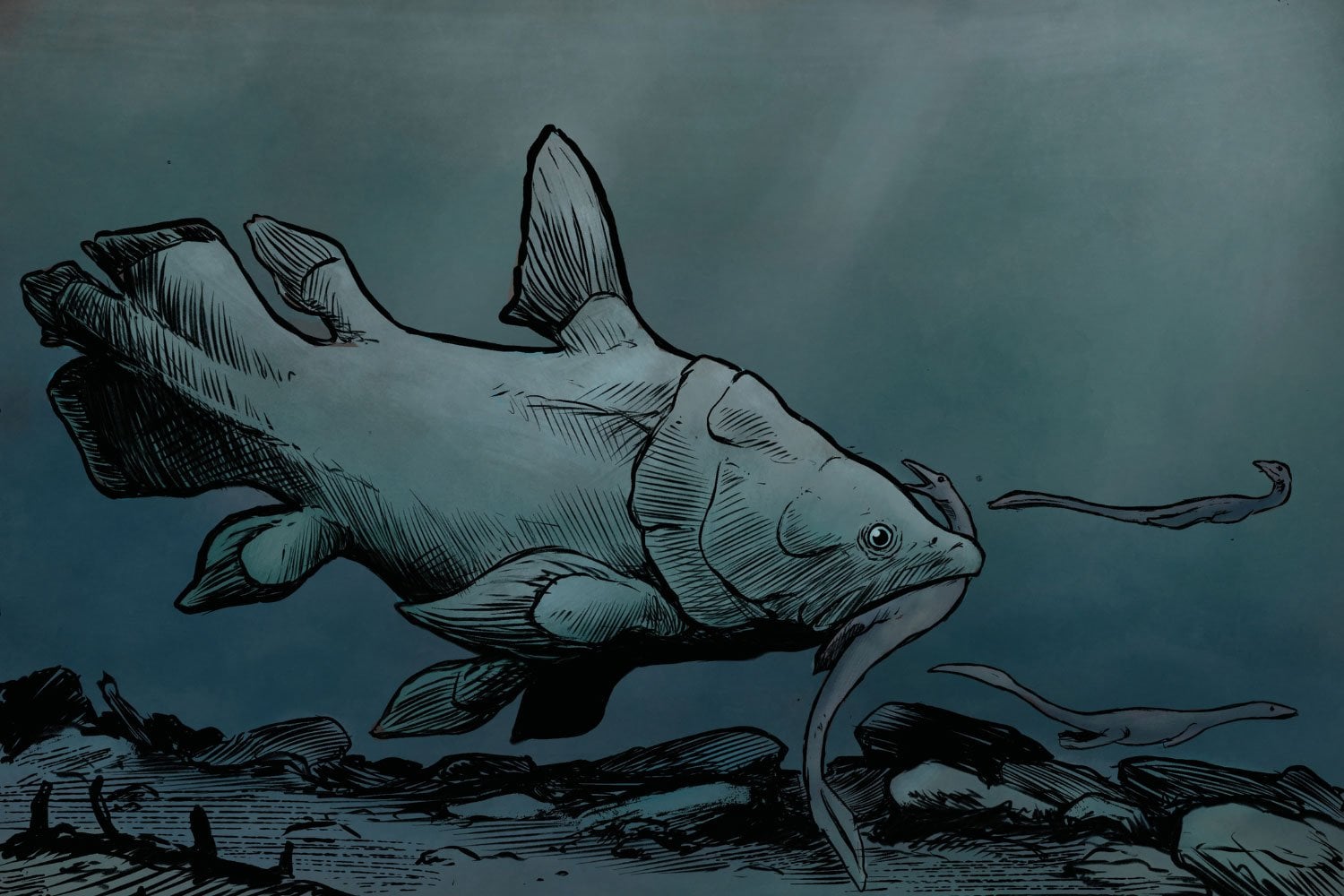
Researchers uncovered over fifty Triassic coelacanth fossils in UK museums, many misidentified for over 150 years, revealing a complex ancient ecosystem and expanding knowledge of this 'living fossil' from the time when the UK was a tropical sea archipelago.
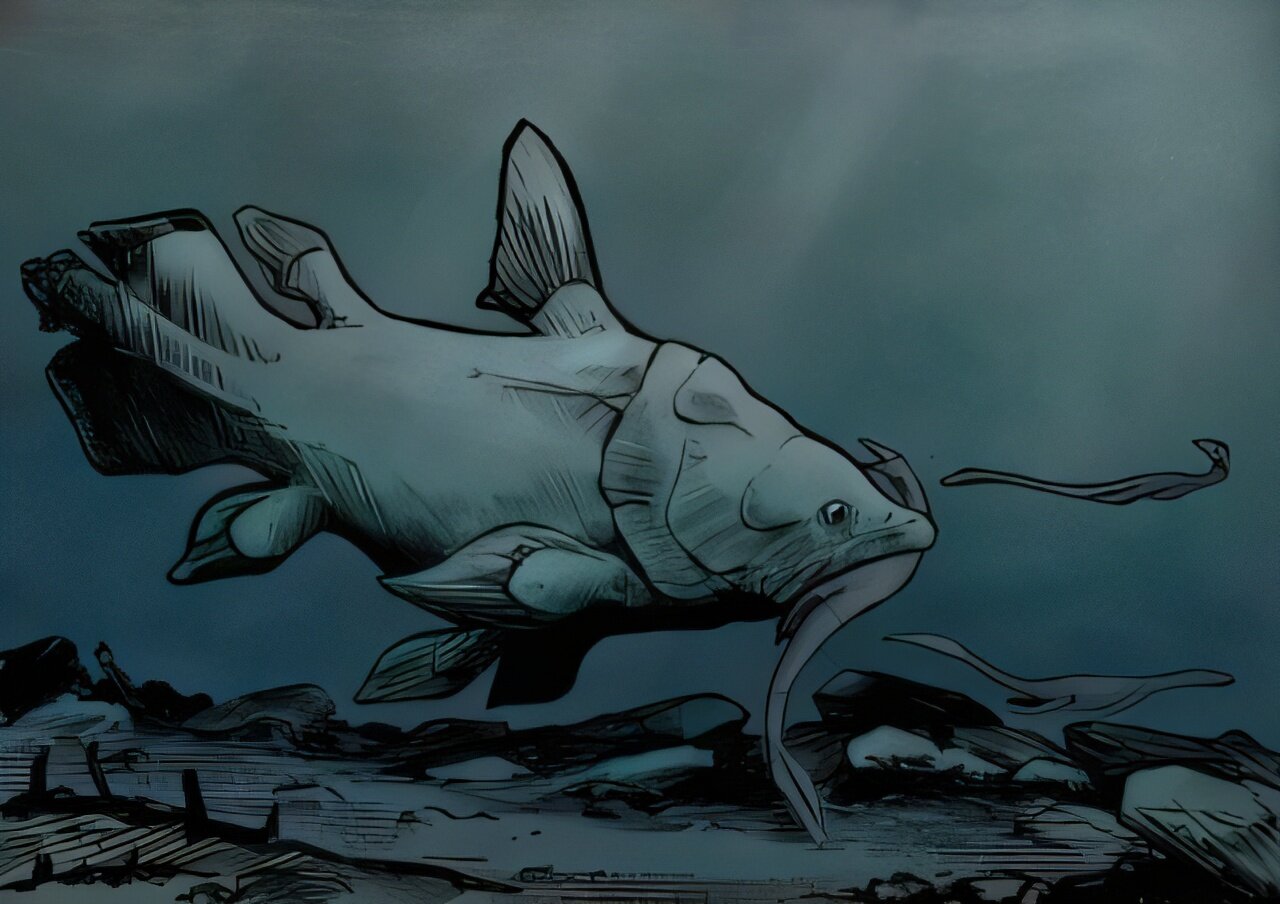
Researchers have identified over 50 coelacanth fossils from the British Triassic period, dating back around 200 million years, revealing a complex community of these 'living fossil' fish that had been misidentified or overlooked in museum collections for over 150 years.
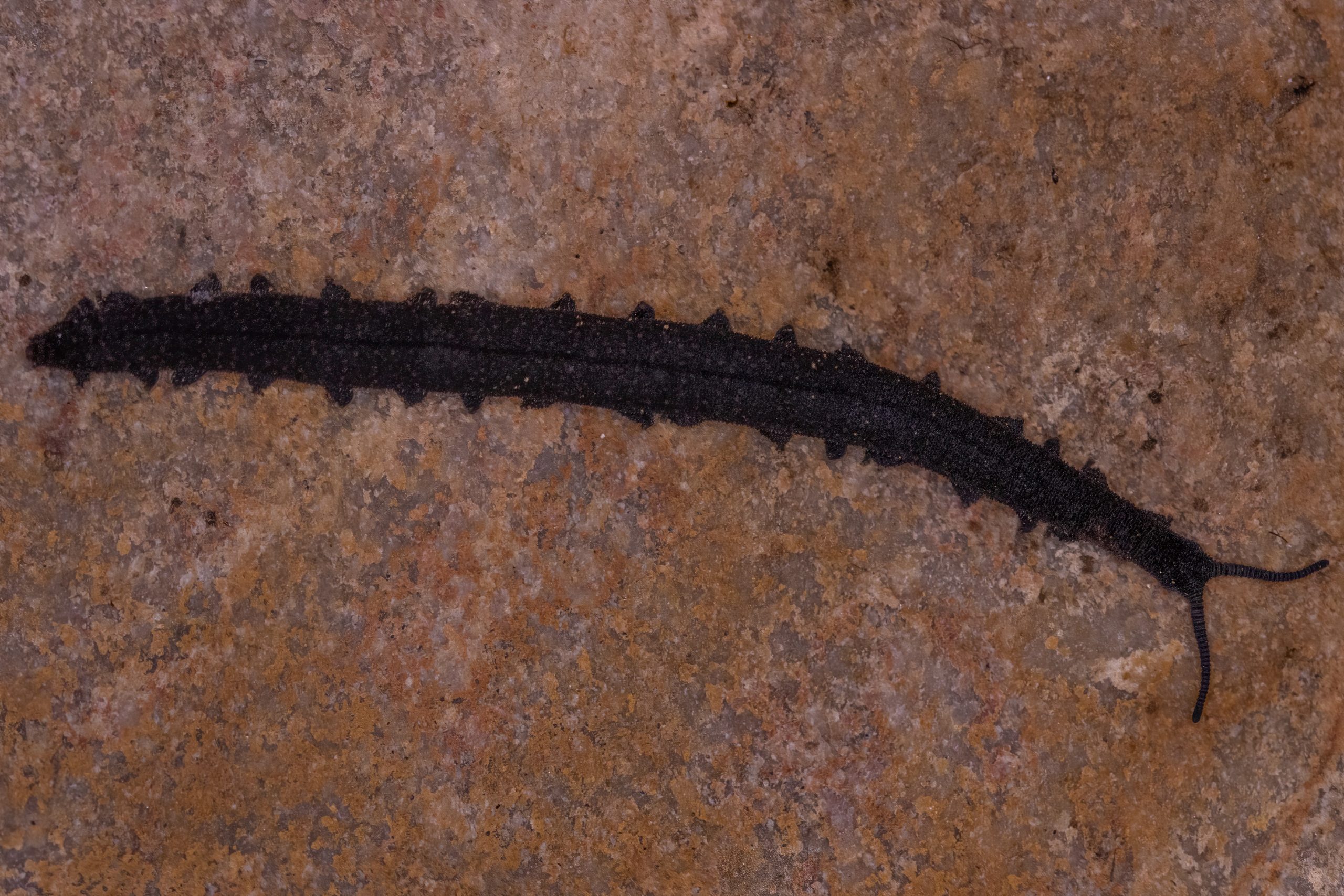
A student in South Africa discovered a new velvet worm species, Peripatopsis barnardi, in the arid Karoo region, marking the first such find there and revealing insights into ancient climate history and biodiversity. The species, a living fossil from the Cambrian period, highlights the importance of conserving prehistoric habitats and citizen science efforts.
Marine researchers aboard the E/V Nautilus have discovered a Nautilus belauensis, a rare and ancient sea creature, during a deep-sea expedition near Palau. Known as a living fossil, the nautilus has remained largely unchanged since the age of the dinosaurs, offering valuable insights into evolutionary history. This discovery highlights the vast unexplored regions of the ocean and underscores the importance of technological advancements in marine exploration. The find also raises questions about balancing exploration with conservation of fragile marine environments.
A recent study has revealed that the gar, one of the most common fish in the U.S., is a "living fossil" that has remained virtually unchanged for 150 million years, making it a super cool dinosaur monster. The study, published in the journal Evolution, found that gar have the slowest rate of molecular evolution of all jawed vertebrates, earning them the title of "ultimate living fossil." Researchers identified 471 creatures that met the "living fossil" criteria, with gar and sturgeons having the slowest rates of change. Aside from their ancient lineage, gar are also known for their impressive size and are considered a majestic species.
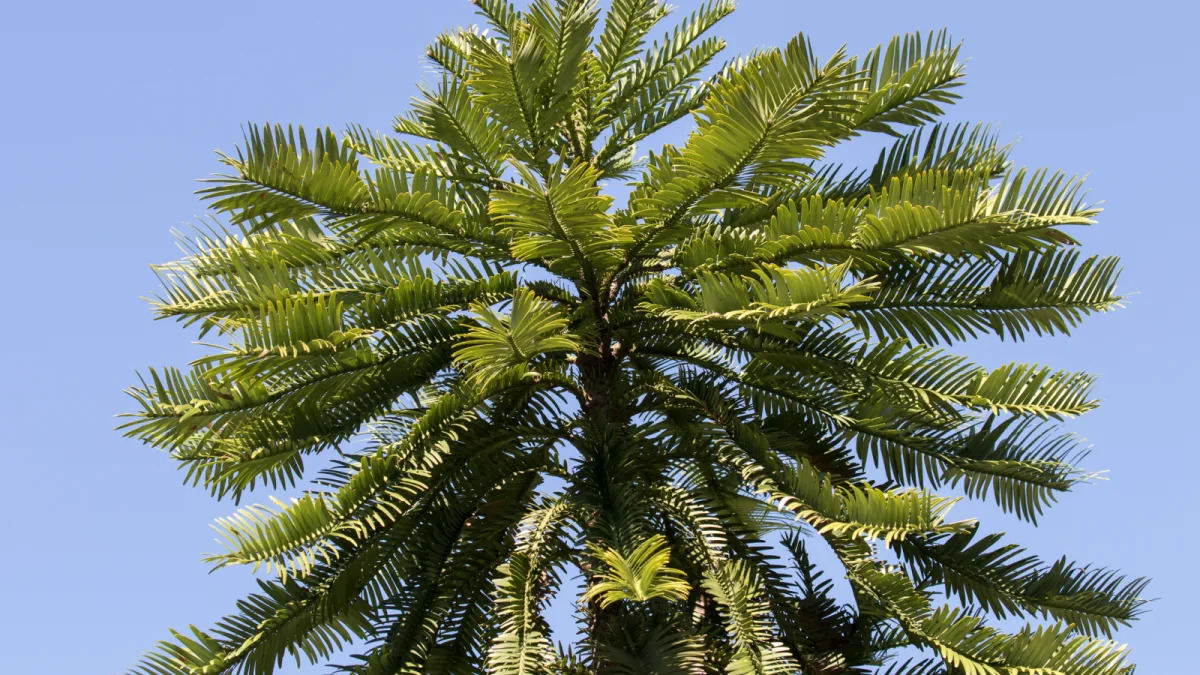
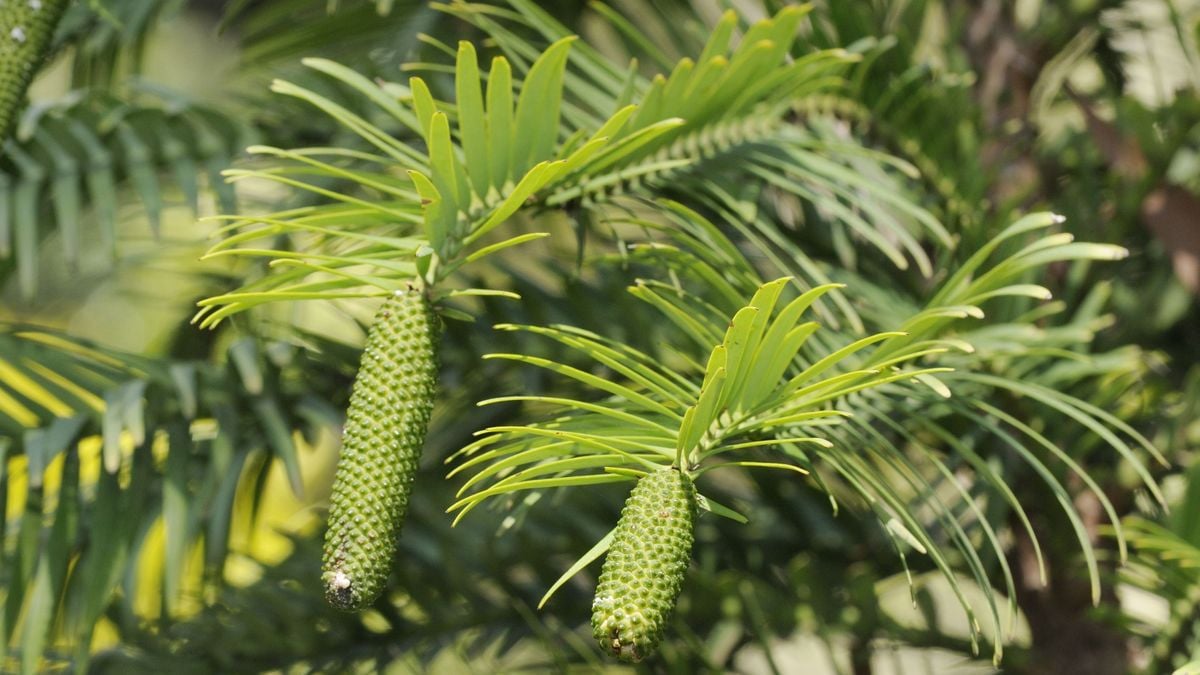
Scientists are working to save the "living fossil" Wollemi pine, a species thought to have disappeared 2 million years ago, by planting them in secret locations in Australia's Wollemi National Park. Threatened by a pathogenic water mold and wildfires, the trees are being reintroduced to the wild, with over 500 saplings planted in 2021. However, challenges such as drought, bushfires, and reduced rainfall due to climate change pose significant obstacles to the species' long-term survival, making the restoration effort a multi-generational endeavor.
Scientists are planting "living fossil" Wollemi pines in secret locations to save the species from extinction, with only around 60 remaining in Wollemi National Park due to threats from a pathogenic water mold and wildfires. The slow-growing trees, which were rediscovered in 1994, are being reintroduced to their natural habitat, but face challenges such as drought, bushfires, and climate change. The effort is multi-generational, as it will take decades, if not centuries, for the translocated populations to become self-sustaining and produce second-generation seedlings.
Scientists have decoded the genome of the Wollemi pine, a "living fossil" tree species that was thought to have gone extinct around 2 million years ago. The genome analysis revealed that the pine has a large genome size with low genetic diversity, likely due to a bottleneck event thousands of years ago. The trees reproduce mainly through cloning themselves, and their rarity may be attributed to the high number of transposons, or "jumping genes," in their genome. The study also shed light on the susceptibility of the Wollemi pine to disease and has important implications for its conservation efforts as there are only 60 trees remaining in the wild, which are threatened by bushfires.