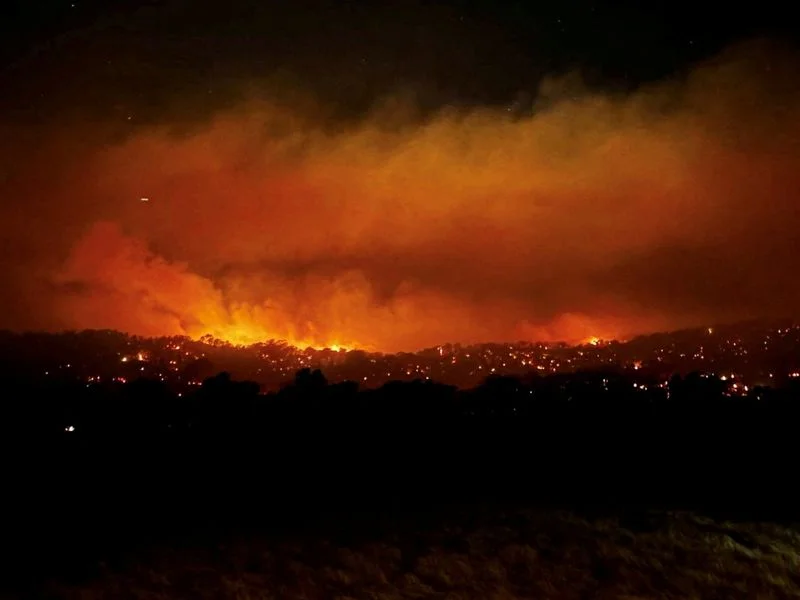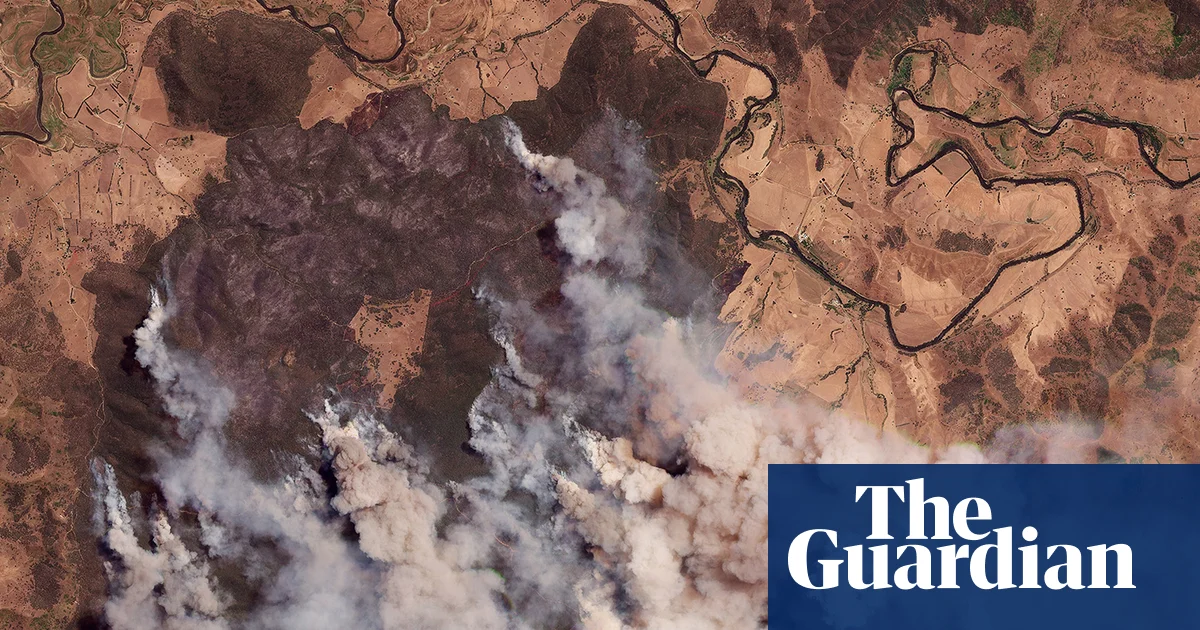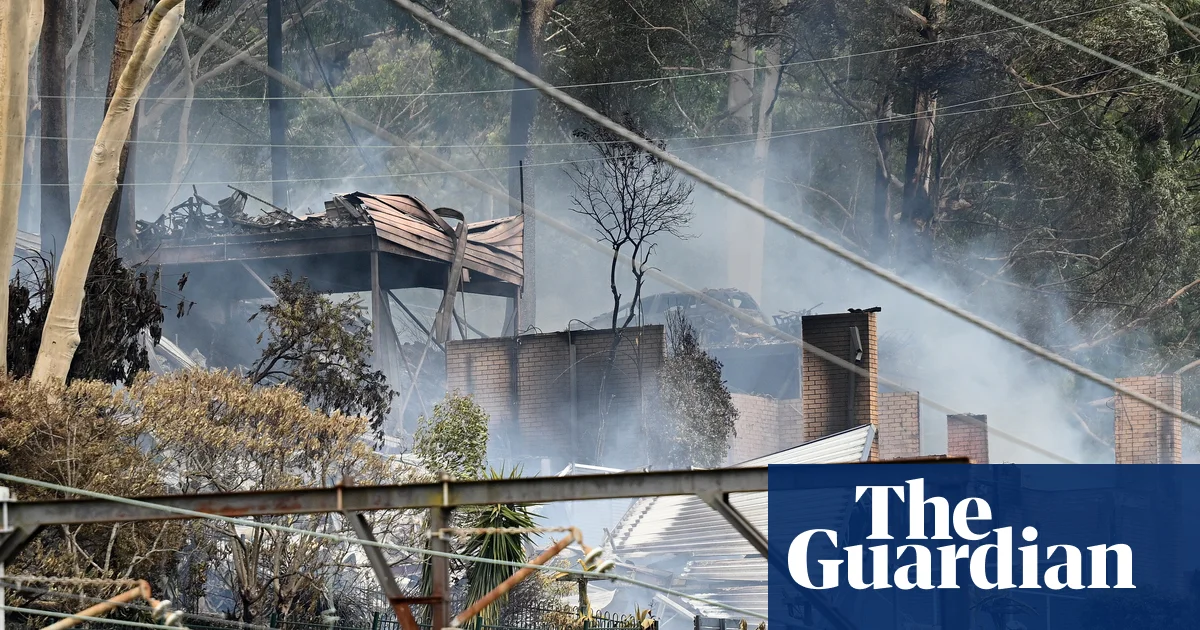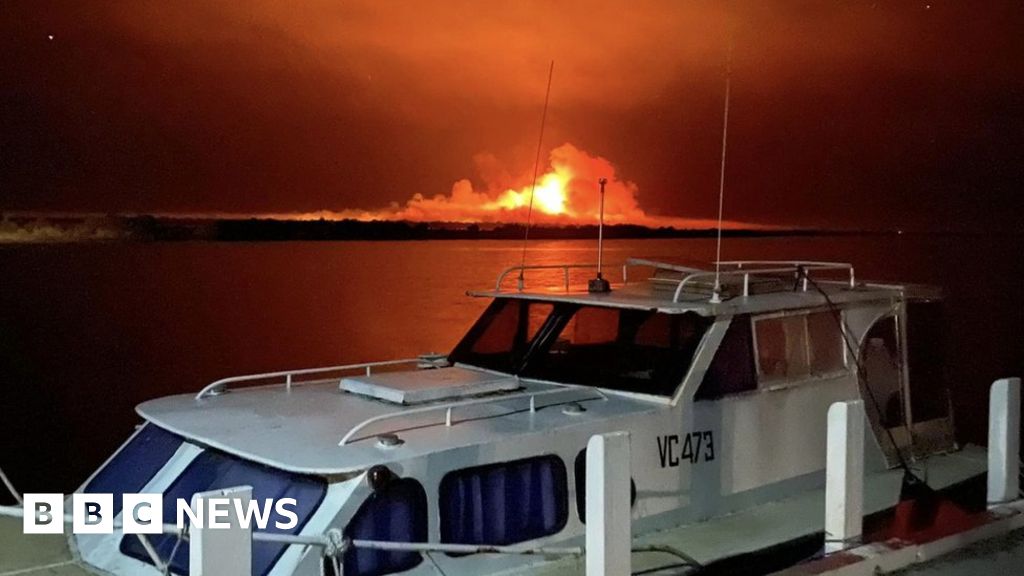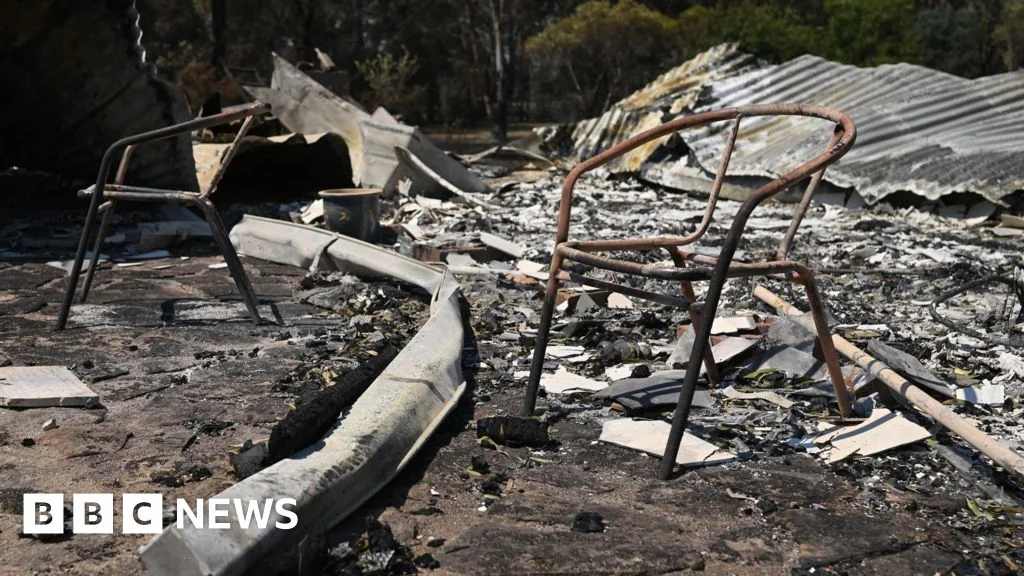
Police found human remains near Longwood, north of Melbourne, as Victoria’s bushfires blaze across the southeast, destroying hundreds of structures and cutting power to thousands. With more than 30 fires burning and heat, dry winds, and high flames, authorities say it could take weeks to get the blazes under control, while the federal government pledges emergency aid.
A severe heatwave in southeastern Australia has caused devastating bushfires, resulting in one death, over 300 structures destroyed, and 350,000 hectares burned, with ongoing emergency efforts and significant property and environmental damage. The government has announced disaster recovery funding, and residents are urged to stay safe amid active fires and poor air quality, as climate change continues to exacerbate such extreme weather events.
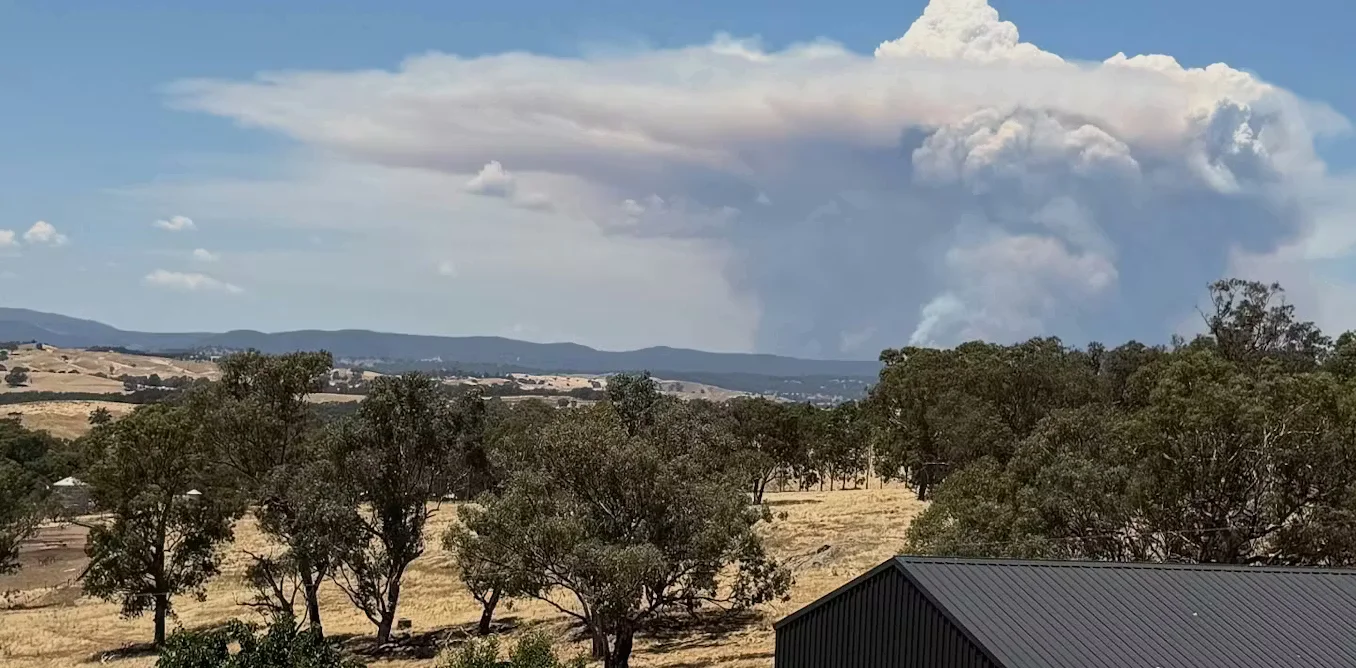
Bushfires can generate their own weather systems, including powerful thunderstorms called pyrocumulonimbus clouds, which can intensify fires, cause lightning, and spread embers over large distances. These fire-induced weather phenomena are becoming more common due to climate change, posing significant challenges for fire prediction and management. Understanding these processes is crucial for improving emergency responses and mitigating risks.
Extreme weather events including bushfires and heatwaves are impacting Australia, Brazil, and California, with record-breaking temperatures, power outages, and unusual fog conditions, while Storm Emilia brings heavy rain and snow to the Canary Islands, indicating widespread climate-related disruptions.
Australian towns in Victoria's Gippsland region and New South Wales' South Coast, previously affected by bushfires, are now facing the threat of floods triggered by heavy rainfall. The fires have burned through approximately 25,000 hectares of land, and several homes have been destroyed. Urgent action on climate change is needed to prevent worsening disasters, as Australia has experienced severe drought, historic bushfires, record-breaking floods, and mass bleaching events on the Great Barrier Reef in recent years.
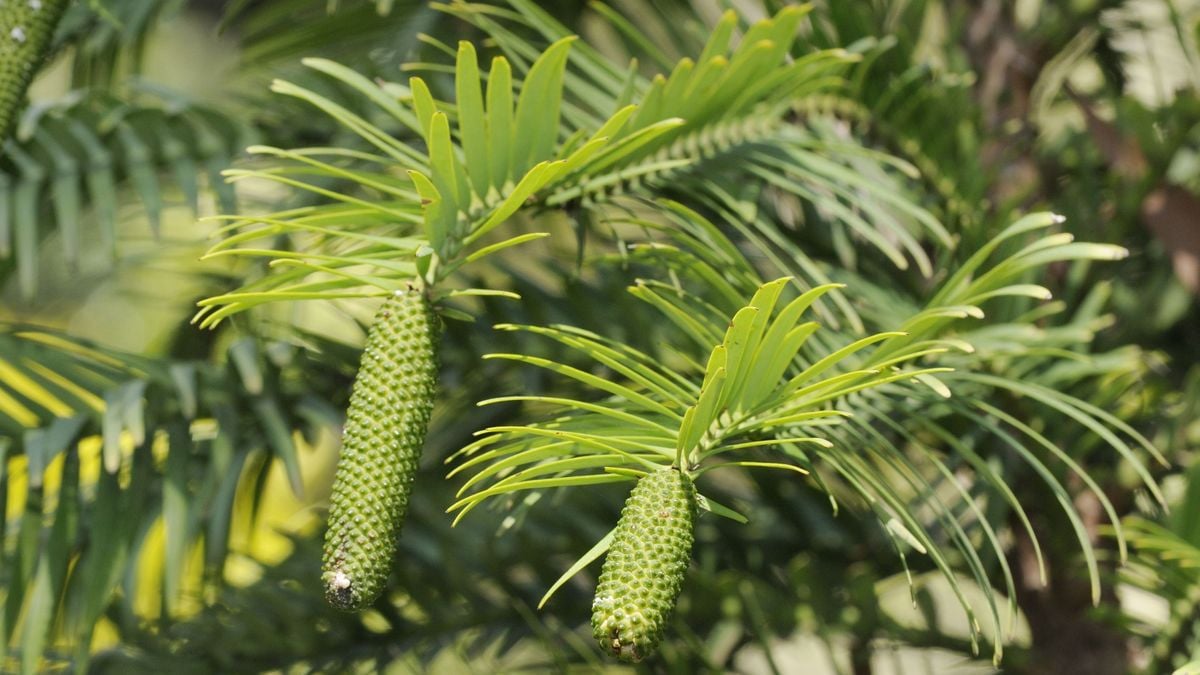
Scientists have decoded the genome of the Wollemi pine, a "living fossil" tree species that was thought to have gone extinct around 2 million years ago. The genome analysis revealed that the pine has a large genome size with low genetic diversity, likely due to a bottleneck event thousands of years ago. The trees reproduce mainly through cloning themselves, and their rarity may be attributed to the high number of transposons, or "jumping genes," in their genome. The study also shed light on the susceptibility of the Wollemi pine to disease and has important implications for its conservation efforts as there are only 60 trees remaining in the wild, which are threatened by bushfires.
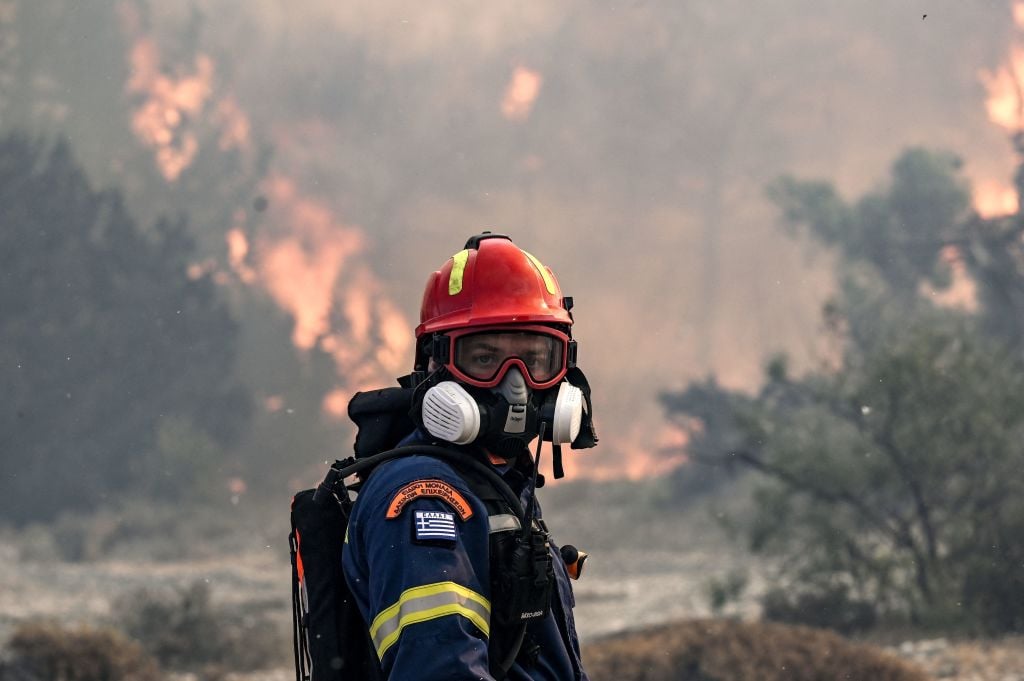
Greece is experiencing devastating bushfires, with the author reflecting on the worsening situation and the impact of climate change. The article explores the historical context of urbanization and development in Greece, which has contributed to the destruction of forests and increased vulnerability to fires. The author also discusses the reluctance of Greeks to embrace green politics, citing a combination of economic concerns and a sense of collective guilt.
Smoke from prescribed burns and bushfires in Western Australia has filled the skies south of Perth, with dozens of blazes burning across the state's southwest. Prescribed burns are intended to reduce the build-up of flammable fuels and reduce the severity of bushfires, but winds can still carry the smoke far from the source. The Parks and Wildlife Service issued a smoke alert for the area warning of reduced visibility and potential health effects for people with respiratory or cardiovascular illnesses.