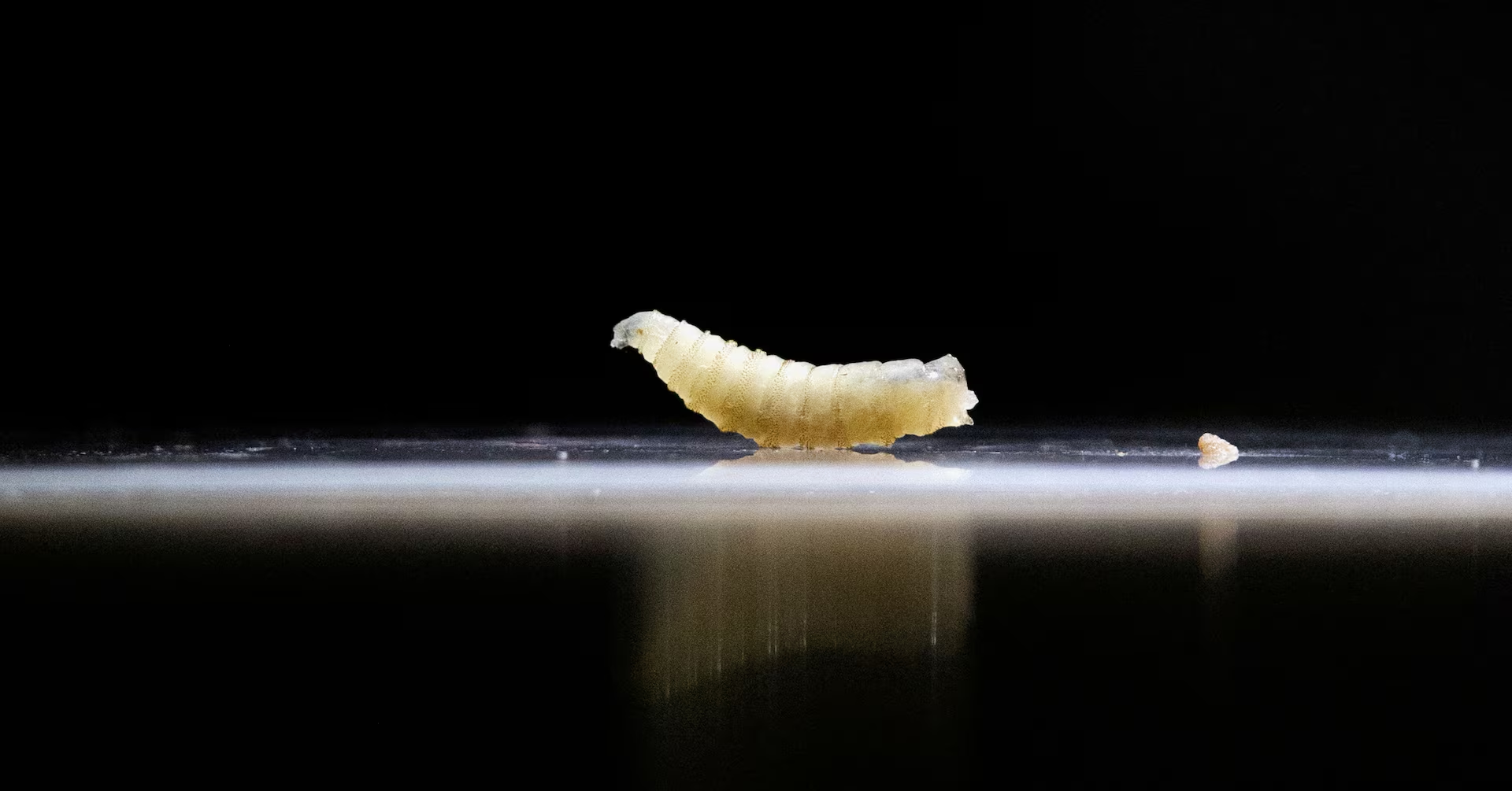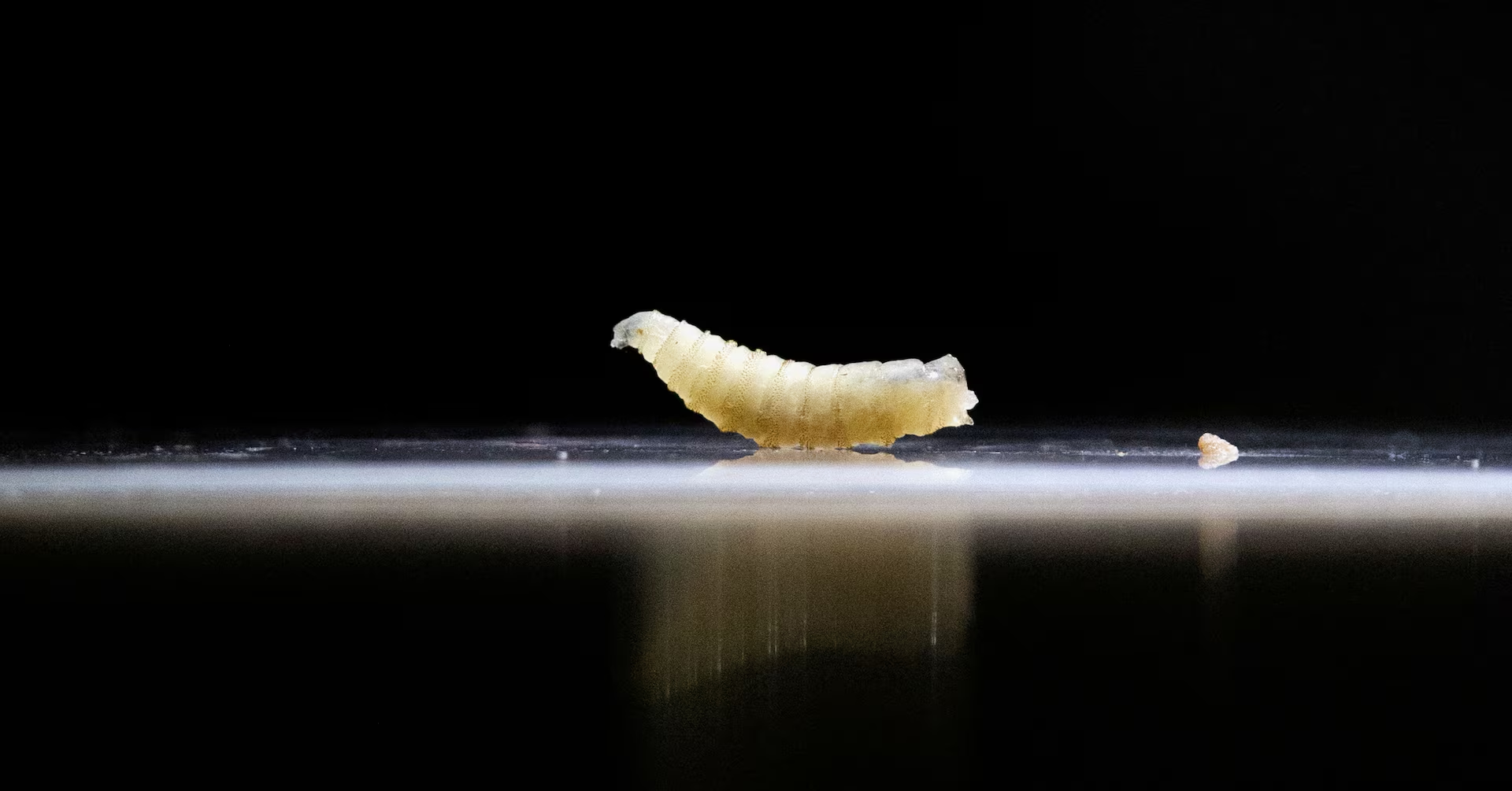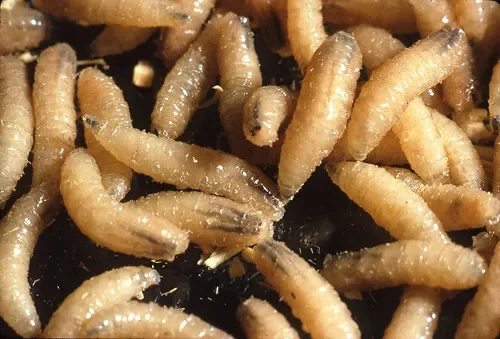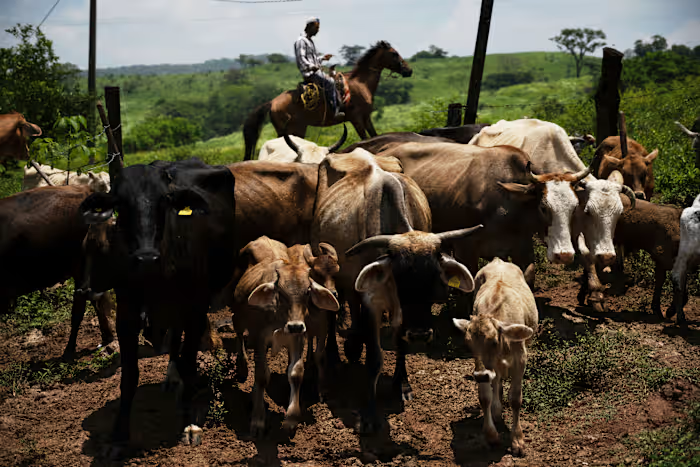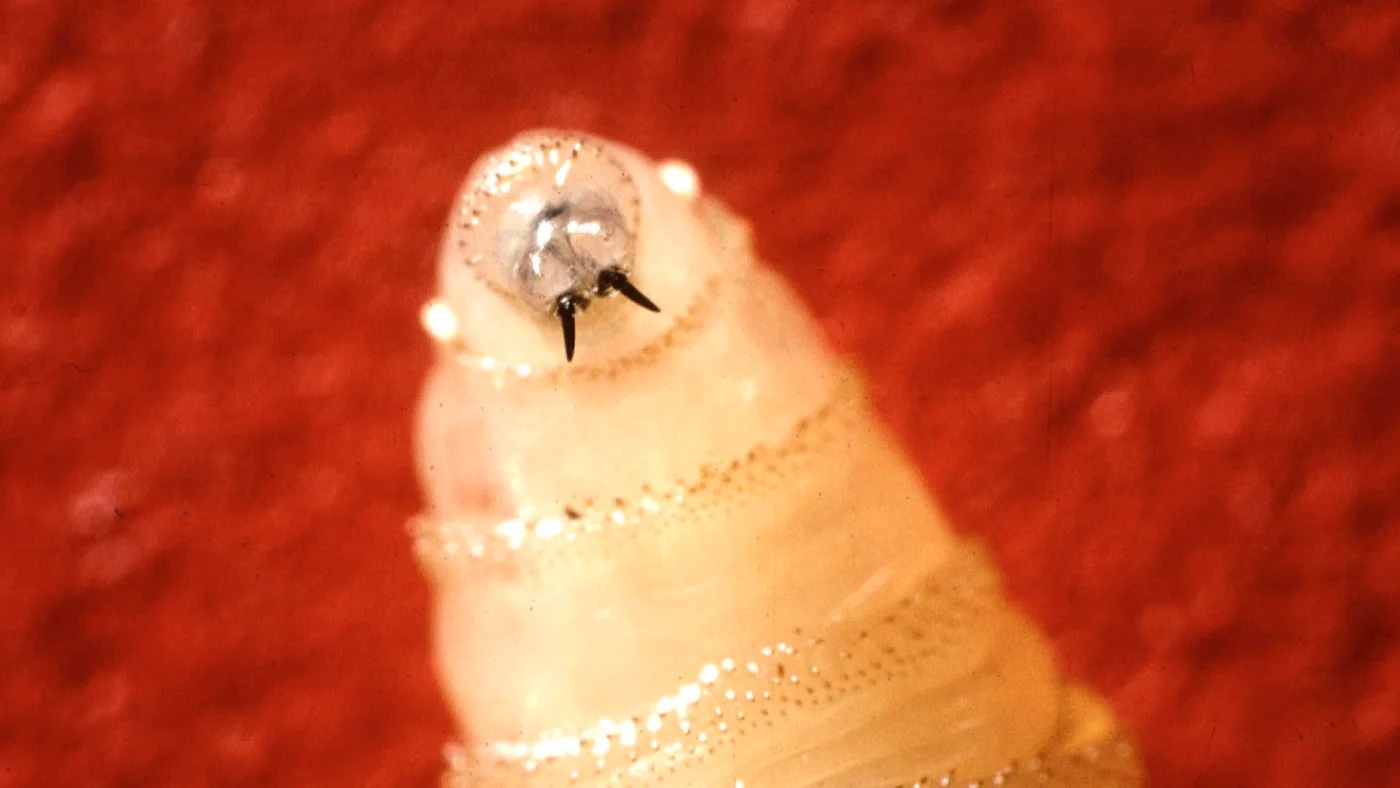
The US has confirmed its first human case of New World screwworm, a flesh-eating parasite, in a traveler from El Salvador, prompting increased vigilance as the parasite's northward spread threatens livestock and public health. The screwworm, historically eradicated in the US through sterile insect techniques, is re-emerging in Central America and Mexico, leading to new control measures including the construction of a sterile fly production facility in Texas.
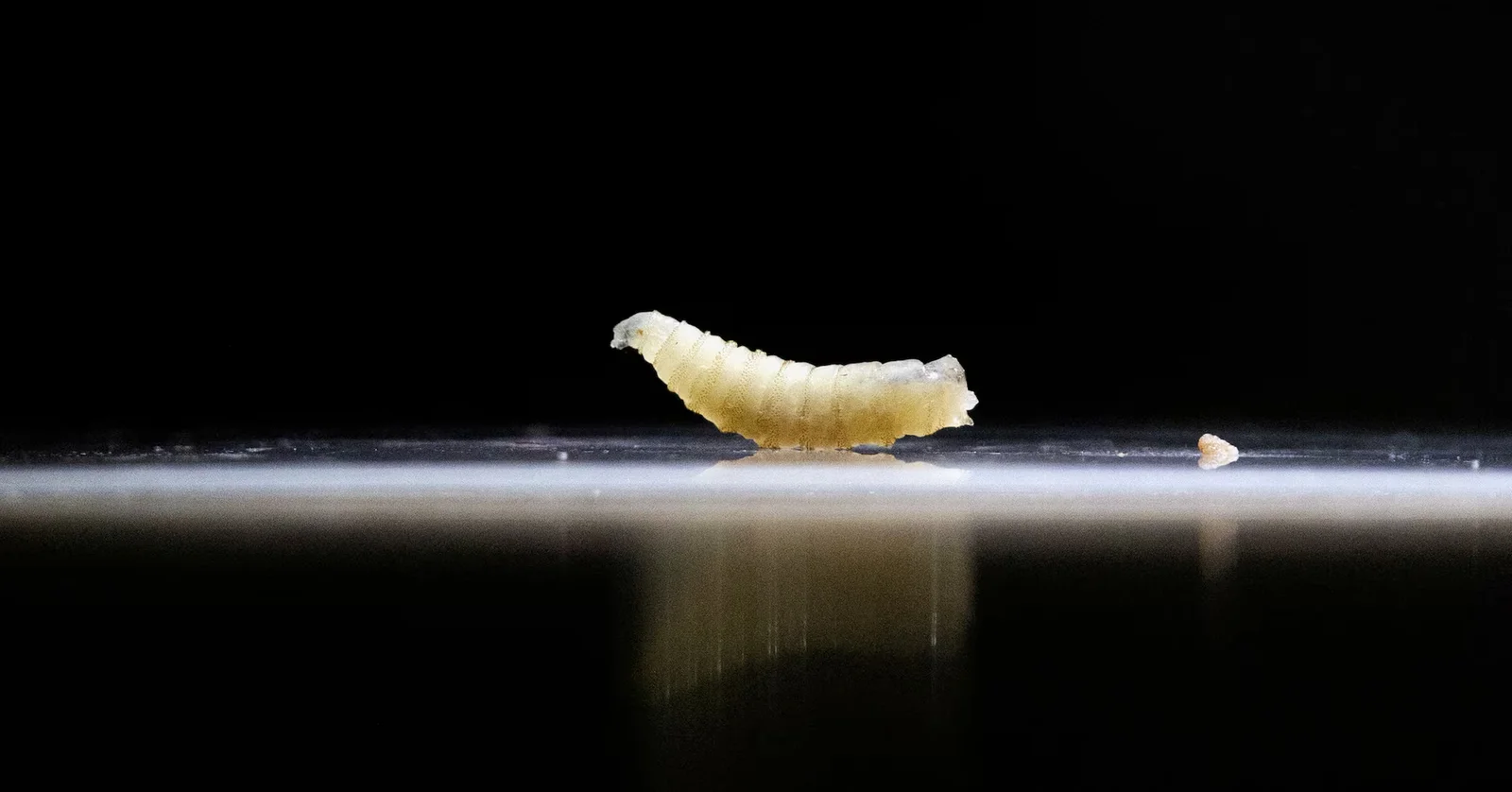
The U.S. confirmed its first travel-associated human case of screwworm in Maryland, linked to an outbreak in Central America, raising concerns about livestock health and market impacts, amid ongoing efforts to control the pest through sterile fly facilities and border measures.
A new case of the flesh-eating screwworm parasite has been confirmed in Maryland in a person who traveled from Guatemala, raising concerns about the potential spread of this livestock-threatening parasite in the US, with industry and government responses underway.
A human case of the flesh-eating screwworm parasite has been confirmed in Maryland, traced to a traveler from Guatemala, marking the first such case in the US since an outbreak in Central America. The incident raises concerns about livestock health and market stability, with authorities and industry groups working to contain the spread and prevent future outbreaks.
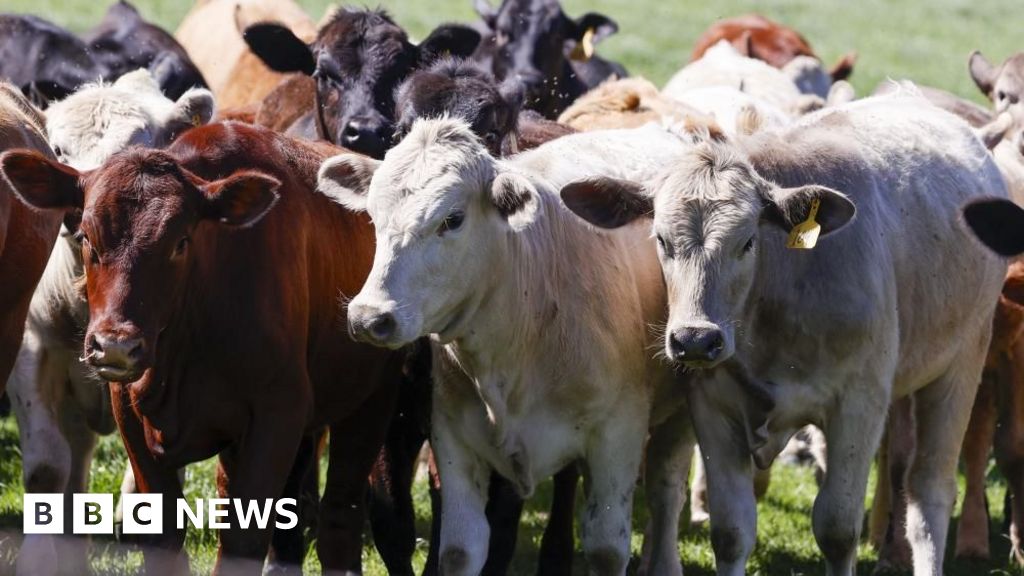
The U.S. Department of Health and Human Services has authorized emergency use of animal drugs to combat the threat of screwworm infestations, which are approaching the U.S. border from Mexico and pose a risk to livestock and wildlife, with potential economic impacts on the cattle industry, especially in Texas.
State and federal leaders, including Gov. Abbott and USDA Secretary Brooke Rollins, are holding a press conference in Austin to discuss plans to combat the spread of the New World screwworm, a parasitic fly that can cause severe injuries to animals and potentially humans, as it advances northward into Texas from Mexico, posing significant economic and health risks.
The rise in avian flu cases in the U.S. is raising concerns about the consolidation of agriculture, particularly in large livestock facilities where cramped conditions facilitate virus spread. The H5N1 virus has affected millions of poultry and hundreds of cows, with spillover to humans causing alarm. Climate change and changing migration patterns of wild birds are contributing to the spread, while the consolidation trend in agriculture exacerbates the situation. The potential for the virus to mutate and spread between humans is a growing concern, highlighting the need for better protective measures for farmworkers.
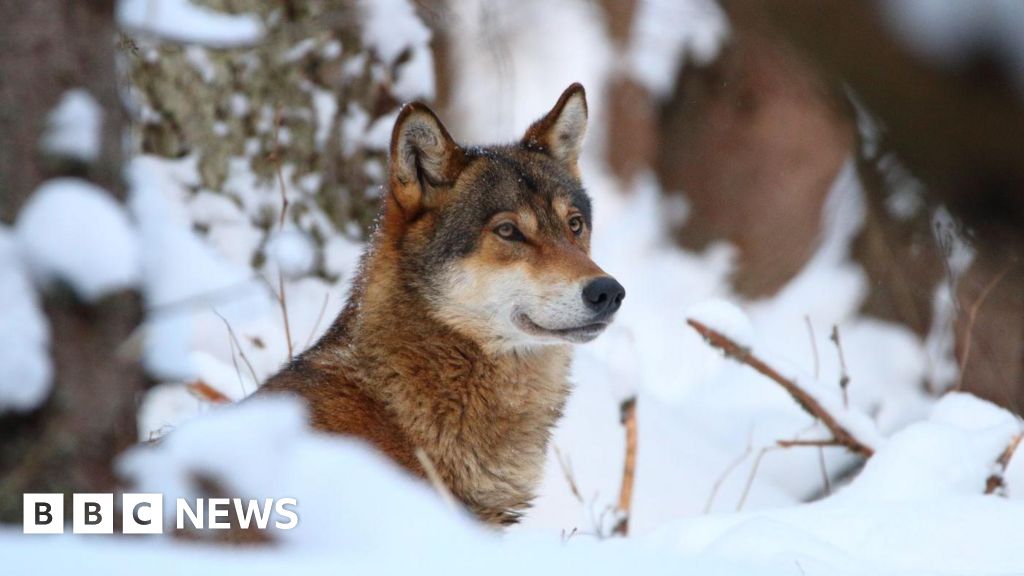
The European Union has downgraded the protection status of grey wolves, allowing member countries to set culling quotas starting next March. This decision follows a significant increase in the wolf population, which has doubled since 2012, leading to concerns about livestock damage. While some farmers support the culls, conservationists and organizations like the WWF argue that the move threatens the fragile recovery of wolf populations and that non-lethal methods could better manage human-wolf conflicts. The decision has sparked debate over balancing wildlife conservation with agricultural interests.
The new world screw worm, a parasitic fly that lays eggs in the wounds of warm-blooded animals, is resurging in Central America, threatening livestock and human health. Despite decades of eradication efforts using sterile male flies, the pest has reappeared in countries like Costa Rica and Panama, prompting calls for more advanced genetic solutions like gene drives. Factors such as climate change, deforestation, and migration may be contributing to the screw worm's comeback, challenging scientists and farmers to find effective control measures.
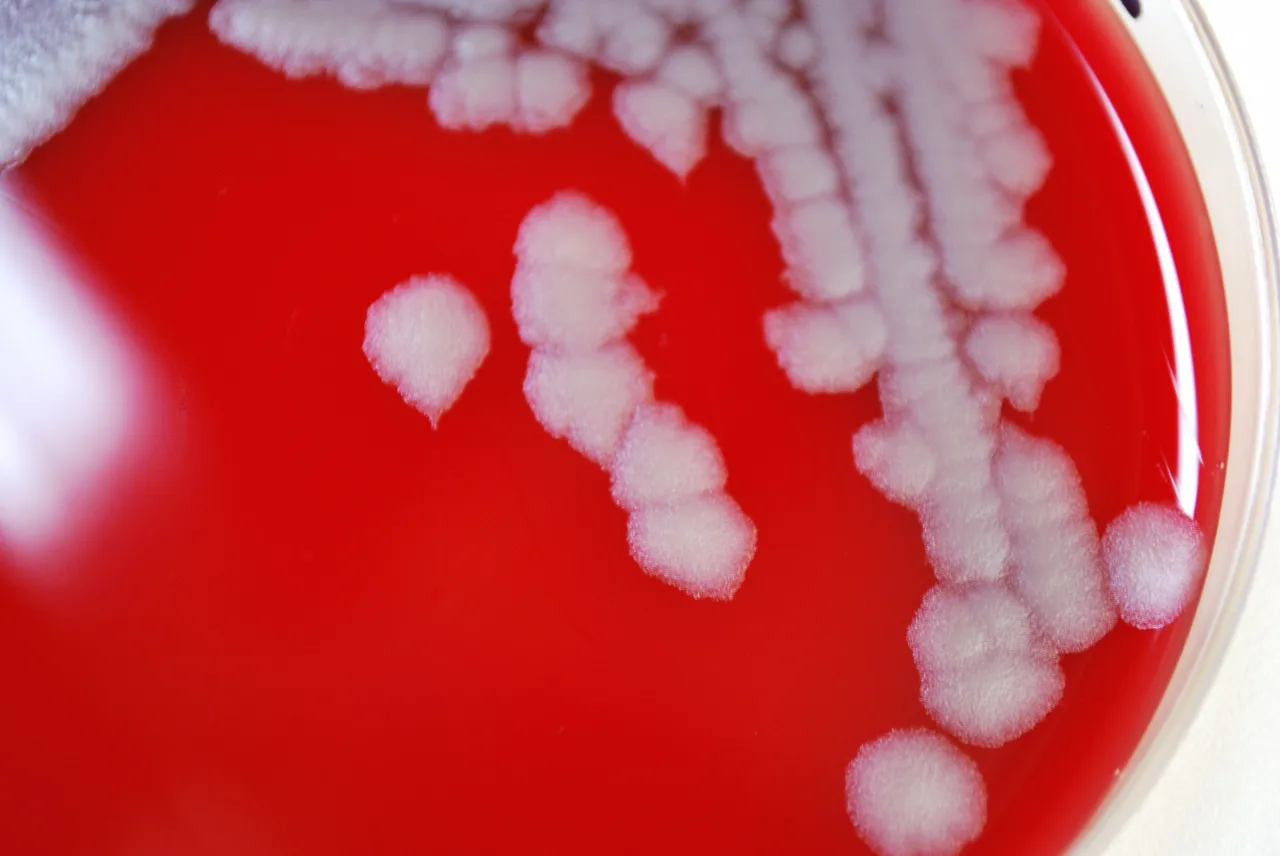
A Texas rancher contracted anthrax after butchering an infected lamb that died unexpectedly on his ranch in December 2023. Despite five people being exposed to the lamb, only the rancher exhibited symptoms. The CDC advises keeping livestock vaccinated against anthrax and avoiding butchering animals that die of unknown causes.
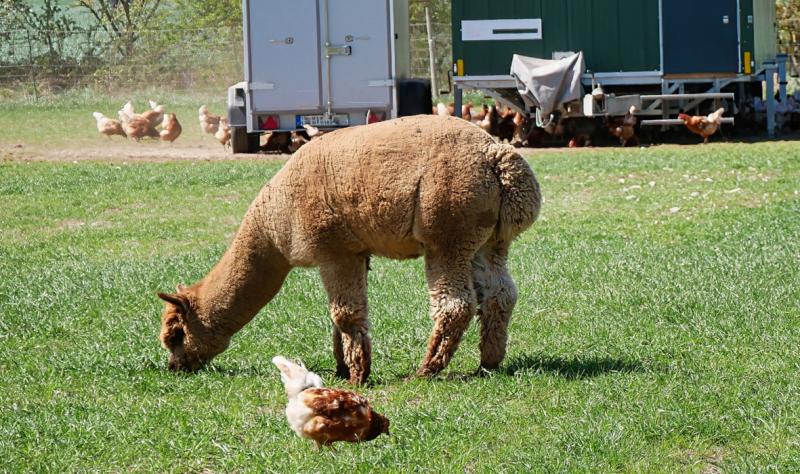
The USDA confirmed highly pathogenic H5N1 avian influenza in alpacas at an Idaho farm, marking the first detection in alpacas. The virus, also found in poultry on the same farm, has been detected in 4 of the farm's 18 alpacas. Additionally, H5N1 was reported in feral cats in New Mexico and another dairy herd in Michigan, contributing to a total of 67 dairy herd detections across nine states.
A second US worker has contracted bird flu on a Michigan dairy farm, following a similar case in Texas. Both patients had mild symptoms and have recovered. The CDC states the risk to the general public is low, but advises farm workers to report symptoms and limit exposure to infected animals.
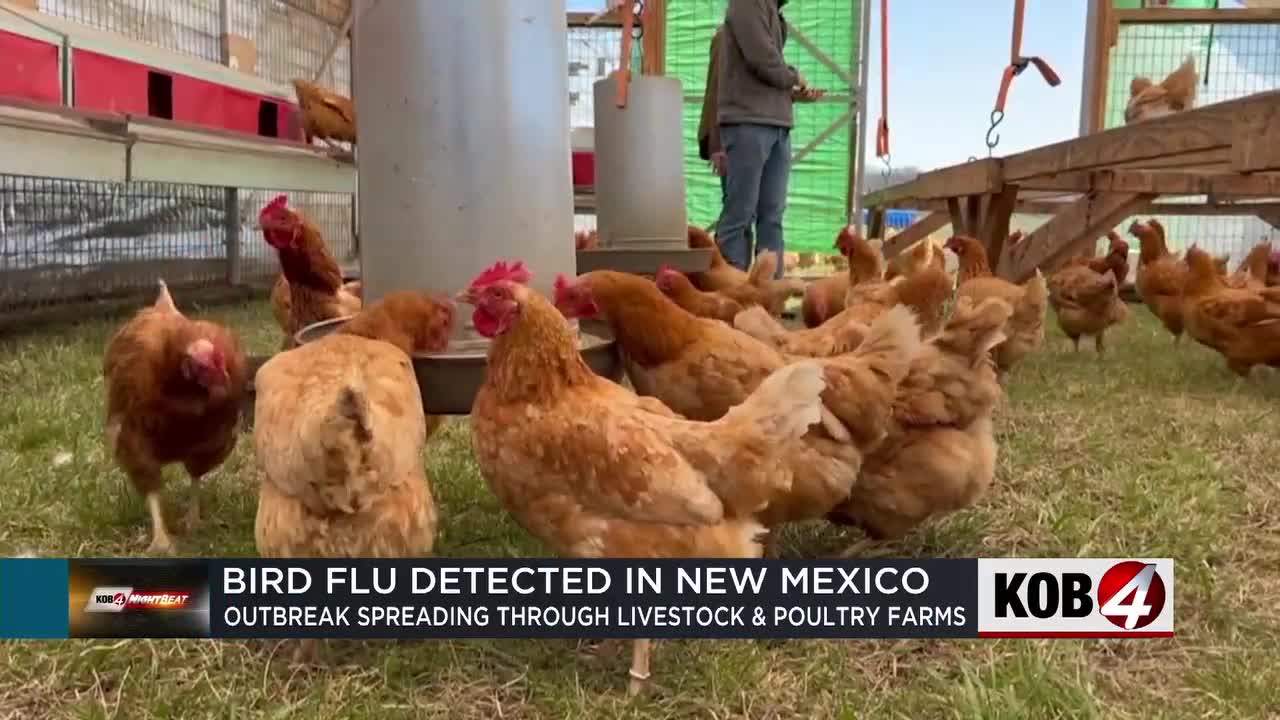
A case of bird flu has been confirmed at a poultry farm in eastern New Mexico, adding to concerns about the virus spreading through livestock and poultry in the U.S. This comes after recent cases at dairy farms in nearby counties, with the same highly-infectious strain also found in migratory birds. While there have been peaks in avian influenza cases historically, the recent surge is unique, with dozens of confirmed cases in dairy cattle across several states. The affected chickens will be euthanized, and health officials are urging vigilance among those with backyard bird flocks, providing a list of symptoms to watch for.
Avian influenza has been detected among chickens in Texas and Michigan, leading to concerns about potential supply chain issues and price increases for poultry and eggs. The virus has also been found in livestock, including cows and baby goats, with experts emphasizing the need for increased surveillance and funding for monitoring. While the risk of human-to-human transmission remains low, health officials are advising caution for those in close contact with birds and animals, and vaccine production could be impacted if the virus continues to spread among domesticated flocks.
A highly contagious strain of bird flu is affecting both chickens and dairy cows in the U.S., leading to the culling of millions of birds and a potential increase in egg prices. While egg prices are expected to rise due to the reduced supply, dairy prices may not be significantly impacted as the virus appears less deadly and contagious in cattle. Despite the outbreak, commercial broiler operations and poultry prices have not been greatly affected, and both eggs and milk remain safe to consume after pasteurization.