Tag

Health Agriculture

All articles tagged with #health agriculture

"Michigan's Second Human Case of H5N1 Bird Flu Linked to Dairy Cows"

Originally Published 1 year ago — by STAT

Featured image for "Michigan's Second Human Case of H5N1 Bird Flu Linked to Dairy Cows"
Source: STAT

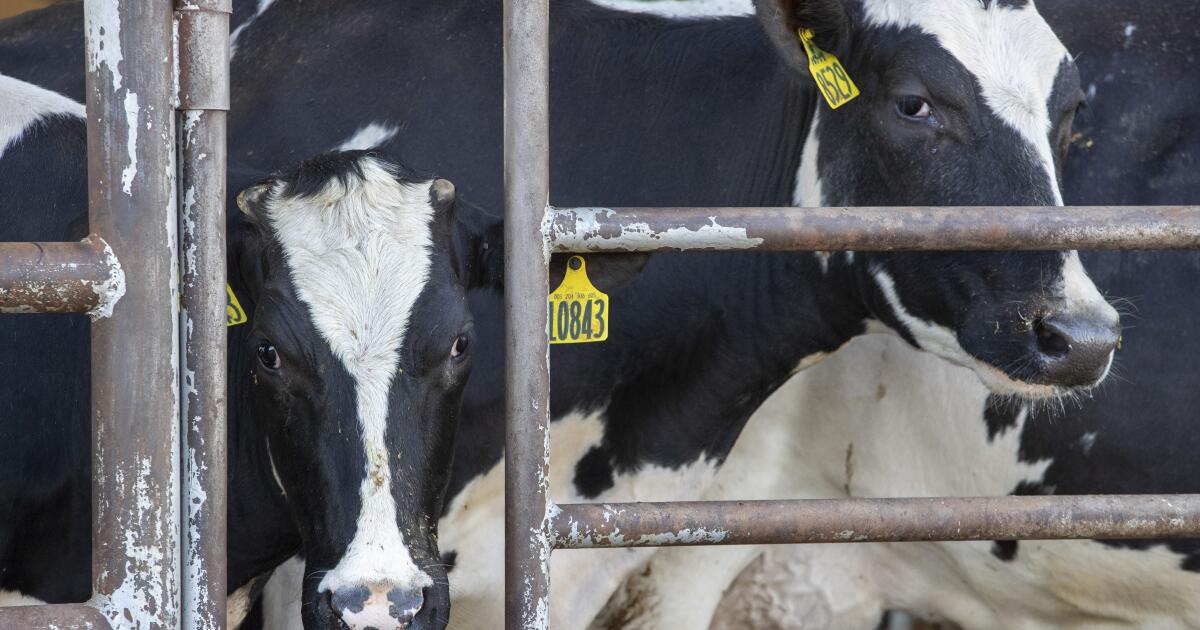
A second human case of H5N1 bird flu linked to the outbreak in dairy cows has been reported in Michigan, with the infected farm worker having recovered from mild symptoms. This marks the third human case of H5N1 in the United States, with the outbreak in cattle confirmed in late March and affecting 51 herds in nine states. Michigan, reporting the most infected herds, has taken an aggressive stance in its public health response, including testing farm workers and implementing biosecurity measures. Ongoing spread among people has not been detected, and experts believe the virus would need to evolve further to gain the ability to spread easily to and among people.


"WHO Urges Heightened Monitoring for H5N1 Bird Flu Spread to Humans"

Originally Published 1 year ago — by Barron's

Featured image for "WHO Urges Heightened Monitoring for H5N1 Bird Flu Spread to Humans"
Source: Barron's

The World Health Organization has reported the detection of the H5N1 bird flu virus strain in high concentrations in raw milk from infected animals, with the virus also found in cows and goats, marking a surprising development. While the virus has been detected in milk, the duration of its survival in this medium is still under investigation. The WHO emphasized the importance of safe food practices, including consuming only pasteurized milk and milk products, and noted that there are candidate vaccine viruses available in case of a pandemic.

"Urgent Action Needed: Addressing the Spread of Avian Flu in Cattle and Potential Threat to Humans"

Originally Published 1 year ago — by STAT

Featured image for "Urgent Action Needed: Addressing the Spread of Avian Flu in Cattle and Potential Threat to Humans"
Source: STAT

The USDA has been criticized for not sharing enough information about the outbreaks of H5N1 avian flu in dairy cattle, leaving scientists and experts in the dark about the risks posed to cattle operations and people. Concerns have been raised about the virus potentially evolving to infect cattle more easily and the lack of transparency hindering global risk assessment. The USDA has been slow in releasing genetic sequences and information, leading to distrust and concerns about pandemic preparedness. The movement of H5N1 into cows is a concern for the industry and scientists, as it could potentially lead to transmission to humans and other animals. The lack of transparency and clear communication from the USDA has been highlighted as a significant issue in managing the outbreaks.

"Rising Concerns: Bird Flu's Impact on the Food System"

Originally Published 1 year ago — by Los Angeles Times

Featured image for "Rising Concerns: Bird Flu's Impact on the Food System"
Source: Los Angeles Times

The spread of avian flu has raised concerns about the use of poultry litter as feed for livestock, including dairy cows and beef cattle, in the United States. This practice, which involves feeding animal waste and parts to livestock, has been associated with previous disease outbreaks and contains various contaminants such as bacteria, viruses, antibiotics, and toxic metals. While California bans the feeding of poultry litter to lactating dairy cows, it is legal to sell it as feed to beef and other cattle. The federal government does not regulate poultry litter in animal feed, and many states lack requirements or regulations regarding contamination or processing. Other developed nations have banned this practice, and concerns about potential health risks and disease transmission persist.

"Protecting Livestock: California's Response to the 2024 Bird Flu Outbreak"

Originally Published 1 year ago — by Los Angeles Times

Featured image for "Protecting Livestock: California's Response to the 2024 Bird Flu Outbreak"
Source: Los Angeles Times

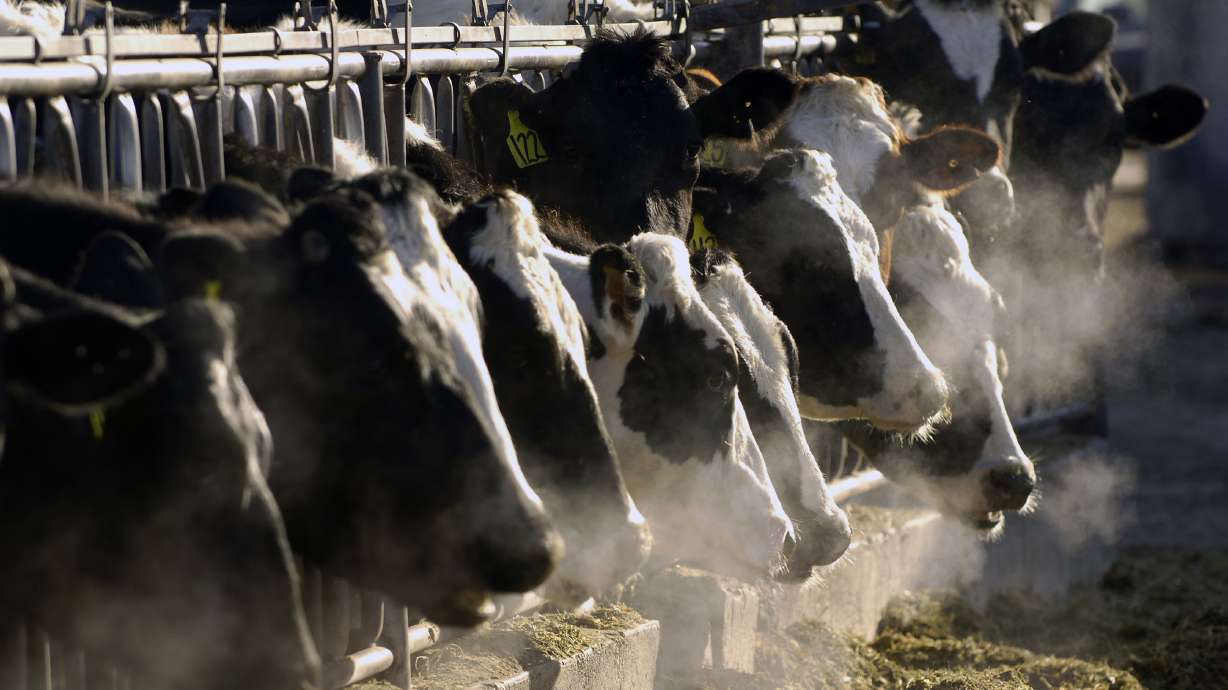
California dairy farmers are on high alert as avian influenza, a strain that has devastated bird populations and shown the ability to jump to mammals, has infected herds in several states, including Texas, New Mexico, and North Carolina. Officials have imposed restrictions on cattle imports from affected states, while the U.S. Department of Agriculture urges minimizing cattle movement. The virus has killed hundreds of millions of farmed poultry and infected over 48 species of mammals, including humans, and has now infected U.S. dairy cows, raising concerns about potential human exposure and virus adaptation. The unexpected cattle outbreaks have prompted calls for a more integrated approach to monitoring and managing the disease, as well as heightened surveillance and concern for potential recombination in mammalian hosts.

"Assessing the Safety of Milk and Eggs Amidst the Bird Flu Outbreak"

Originally Published 1 year ago — by KSL.com

Featured image for "Assessing the Safety of Milk and Eggs Amidst the Bird Flu Outbreak"
Source: KSL.com

A bird flu outbreak has affected over two dozen dairy herds in eight U.S. states, with the virus detected in cattle for the first time. Health officials emphasize low risk to public health and reassure the safety of the food supply. While the virus has been found in chickens, the FDA states that the risk of affected eggs entering the retail market is low due to federal inspections and safeguards. Pasteurization is deemed effective in eliminating the virus from milk, but concerns remain about raw milk products. Producers are advised not to sell raw milk from infected cows, and health officials caution against the consumption of raw milk due to the risk of foodborne illness.

"Rising Concerns: Bird Flu Spreading Among Livestock in Texas and Michigan"

Originally Published 1 year ago — by The Guardian US

Featured image for "Rising Concerns: Bird Flu Spreading Among Livestock in Texas and Michigan"
Source: The Guardian US

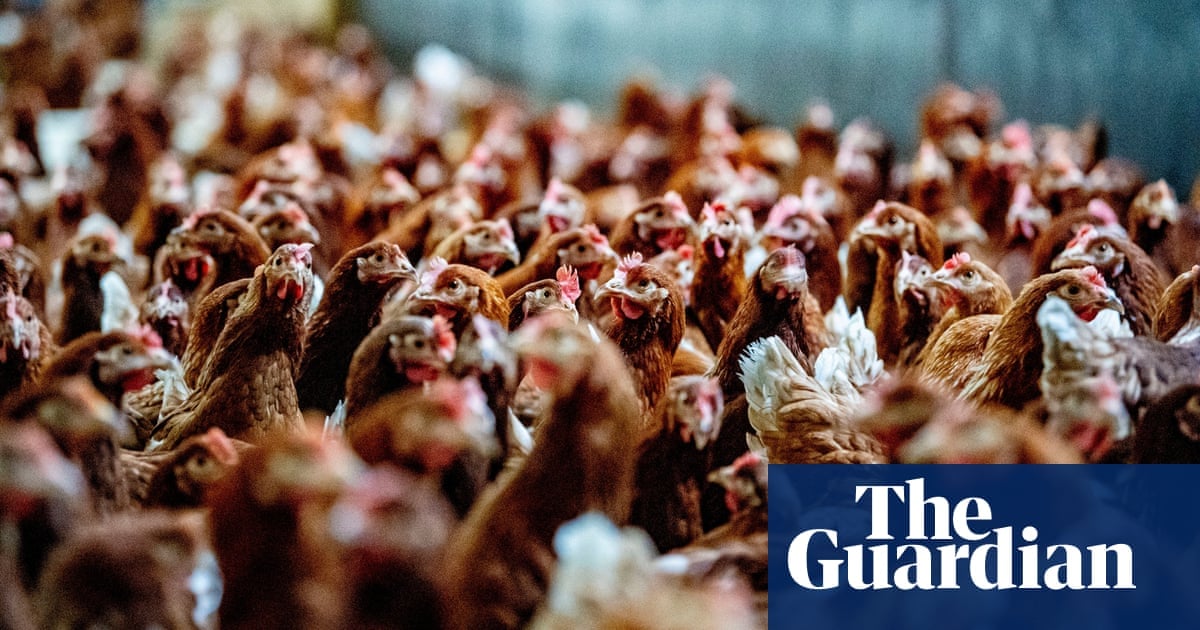
Avian influenza has been detected among chickens in Texas and Michigan, leading to concerns about potential supply chain issues and price increases for poultry and eggs. The virus has also been found in livestock, including cows and baby goats, with experts emphasizing the need for increased surveillance and funding for monitoring. While the risk of human-to-human transmission remains low, health officials are advising caution for those in close contact with birds and animals, and vaccine production could be impacted if the virus continues to spread among domesticated flocks.

"Avian Flu Outbreak: Impact on Dairy Herds and Human Health"

Originally Published 1 year ago — by KELOLAND.com

Featured image for "Avian Flu Outbreak: Impact on Dairy Herds and Human Health"
Source: KELOLAND.com

Avian flu has been confirmed in a South Dakota dairy herd, marking the first case in the state but one of several in the U.S. The Centers for Disease Control reassures the safety of the commercial milk supply and consumer health, emphasizing the importance of pasteurization in inactivating bacteria and viruses in milk. Dairy operators are advised to monitor their herds and enforce biosecurity plans, as symptoms in dairy cattle include decreased lactation and low appetite. The infections in dairy milk have been linked to wild birds due to the contaminated environment from waterfowl migration.

"Bird Flu's Impact on Dairy Cattle and Human Risk: What You Need to Know"

Originally Published 1 year ago — by NPR

Featured image for "Bird Flu's Impact on Dairy Cattle and Human Risk: What You Need to Know"
Source: NPR

Scientists are concerned about the potential risks to humans as bird flu spreads among dairy cattle, with a focus on understanding virus mutations that could make it a threat to mammals. While the virus has shown some signs of evolving to better replicate inside mammals, it has not yet demonstrated efficient airborne transmission between humans. Research on virus transmission in mammals, particularly through experiments on ferrets, offers some clues but also highlights the need for caution in interpreting the results.

"Potential Bird Flu Risk in US Dairy Cows Sparks Concern Among Experts"

Originally Published 1 year ago — by WRAL News

Featured image for "Potential Bird Flu Risk in US Dairy Cows Sparks Concern Among Experts"
Source: WRAL News

Highly pathogenic avian influenza, or bird flu, has been found in a North Carolina dairy herd, with previous detections in several other states prompting the suspension of cattle movement to North Carolina. The state's agriculture commissioner assures the safety of pasteurized milk products nationwide, as the risk of human infection remains low. Health officials emphasize the importance of pasteurization and advise against consuming raw milk, with no concerns about the safety of the commercial milk supply at this time. Measures are being taken to handle the situation, as bird flu outbreaks are reported across multiple states, affecting not only poultry but also spreading to other animals like cattle and even a black bear in North Carolina.

"Rising Concerns: Bird Flu Outbreak's Impact on Food Safety and Prices"

Originally Published 1 year ago — by NewsNation Now

Featured image for "Rising Concerns: Bird Flu Outbreak's Impact on Food Safety and Prices"
Source: NewsNation Now

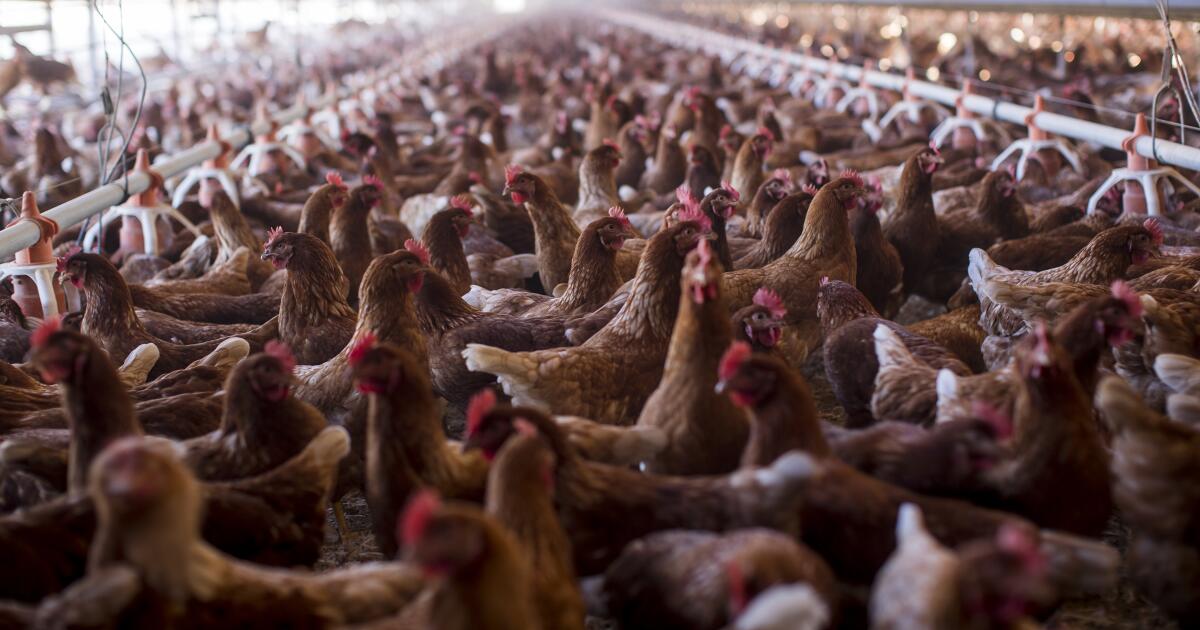
A highly contagious strain of bird flu is affecting both chickens and dairy cows in the U.S., leading to the culling of millions of birds and a potential increase in egg prices. While egg prices are expected to rise due to the reduced supply, dairy prices may not be significantly impacted as the virus appears less deadly and contagious in cattle. Despite the outbreak, commercial broiler operations and poultry prices have not been greatly affected, and both eggs and milk remain safe to consume after pasteurization.

"Bird Flu Alert: CDC Warns of Infections Among Dairy Farm Workers"

Originally Published 1 year ago — by STAT

Featured image for "Bird Flu Alert: CDC Warns of Infections Among Dairy Farm Workers"
Source: STAT

The CDC has issued a warning to healthcare providers to be vigilant for potential cases of H5N1 bird flu among dairy farm workers, following an outbreak in 16 dairy herds across six states. The agency recommends rapid assessment of suspected human cases and the use of personal protective equipment on affected farms. While one human infection has been confirmed, there is no evidence of human-to-human transmission. Infected cows have shown mild symptoms, and contaminated milk should be destroyed. The virus's transmission route among cows is still unclear, but genetic analyses suggest minimal adaptation for mammalian infection.

"Mapping the Risk: Bird Flu Spillover Threat to Humans and Dairy Cows"

Originally Published 1 year ago — by Daily Mail

Featured image for "Mapping the Risk: Bird Flu Spillover Threat to Humans and Dairy Cows"
Source: Daily Mail

Bird flu outbreaks have been reported in fifteen farms across six US states, raising concerns about the virus spreading to people. The virus has been detected in cattle, leading to culling of nearly 2 million birds and potential impact on the milk supply and egg prices. A farm worker in Texas has tested positive for the virus, and concerns are growing about the virus's ability to infect a wide range of mammals. Health agencies are monitoring the situation closely, as experts worry about the virus gaining mutations that could enable it to infect and spread between mammals.

"Rapid Spread: Bird Flu Outbreak Hits U.S. Dairy Cows and Poultry"

Originally Published 1 year ago — by Reuters

Featured image for "Rapid Spread: Bird Flu Outbreak Hits U.S. Dairy Cows and Poultry"
Source: Reuters

Bird flu has spread to a dairy herd in Ohio for the first time and has been detected in additional herds in Kansas and New Mexico, raising concerns about potential risks to humans. The U.S. Department of Agriculture has confirmed infections in herds across six states, with the virus likely introduced by wild birds. The widening geographic reach and spread to an increasing number of species have heightened the risks of human infection, although the U.S. Centers for Disease Control and Prevention considers the risk to be low.

"Low Risk of Bird Flu Spillover to Humans in Cows and Chickens"

Originally Published 1 year ago — by NPR

Featured image for "Low Risk of Bird Flu Spillover to Humans in Cows and Chickens"
Source: NPR

An outbreak of avian influenza, or bird flu, is affecting dairy cows in the U.S., raising concerns about potential risks to humans. While the virus has shown minor genetic changes and one human infection, human-to-human spread remains rare. Scientists are closely monitoring the outbreak's impact on mammals and the potential for problematic mutations. Existing bird flu vaccines could be adapted in case of human spread, and federal health officials stress that the U.S. has been preparing for avian flu outbreaks for over 20 years.