William Foege pioneered ring vaccination, a targeted strategy that stopped smallpox by vaccinating the right people around cases, transforming a centuries-old killer into a disease we no longer fear; his death underscores the danger of letting proven public-health progress fade as measles and other vaccine-preventable diseases resurge.
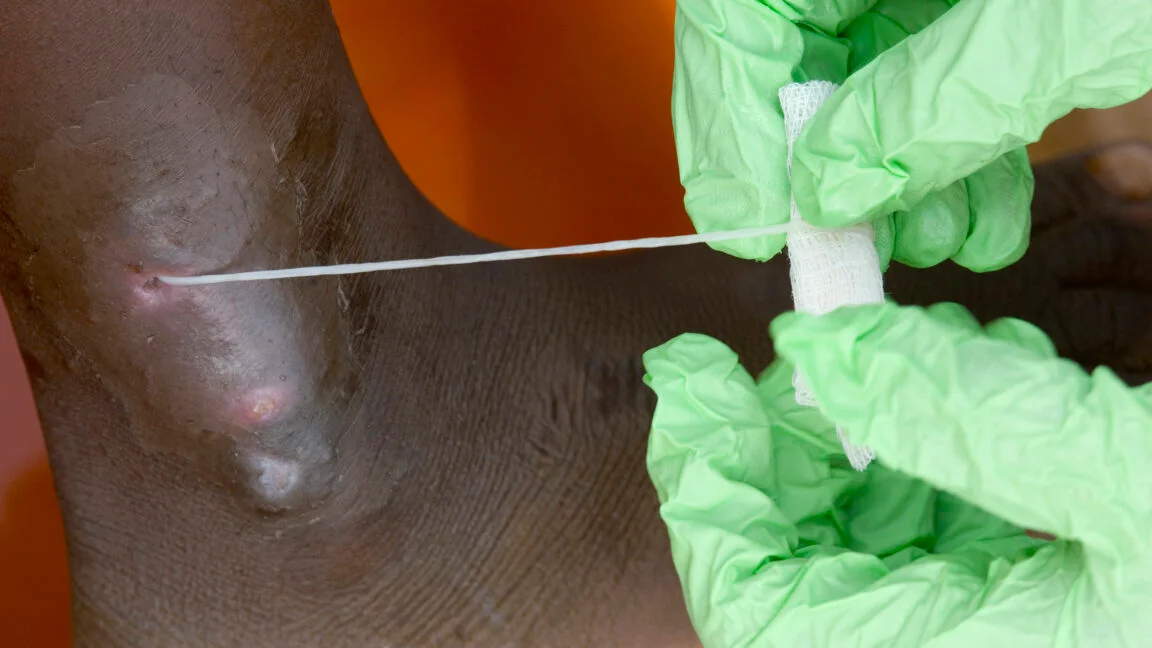
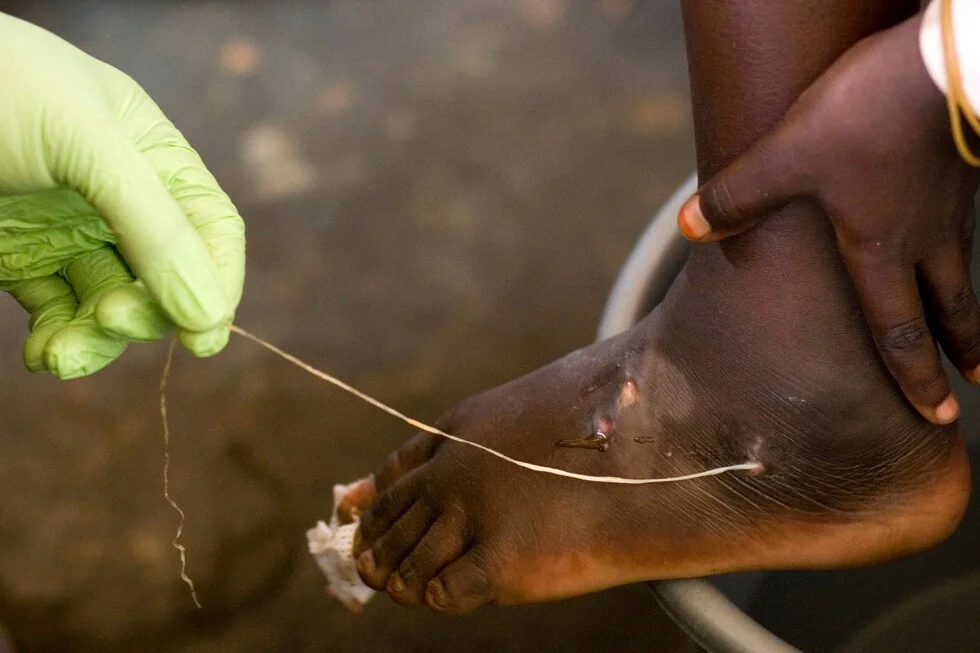
Global health officials report a record-low 10 human guinea-worm cases in 2025 (in Chad, Ethiopia, and South Sudan), keeping the eradication program on track to potentially remove the parasite as a human-disease threat—only the second disease to be eradicated after smallpox. Animal infections persist in several countries, but case reporting, public education, and safer water measures continue to drive transmission down since 1986, with hundreds of millions of cases prevented.
The Carter Center reports that human Guinea worm infections dropped to a historic low of 10 cases in 2025, signaling the world is closing in on eradication of the disease.
An op-ed tribute recounts how Bill Foege’s surveillance-containment method—proactive case finding, isolating cases, and vaccinating contacts—helped eradicate smallpox worldwide, including pivotal efforts in India after initial mass-vaccination resistance, and cemented a lasting legacy for public health.
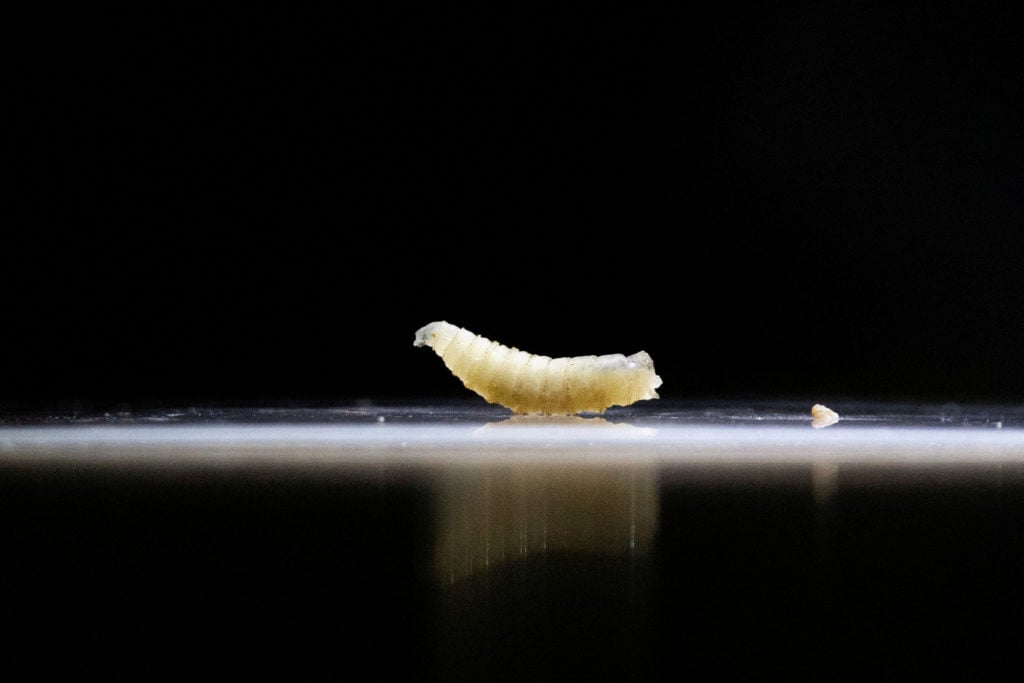
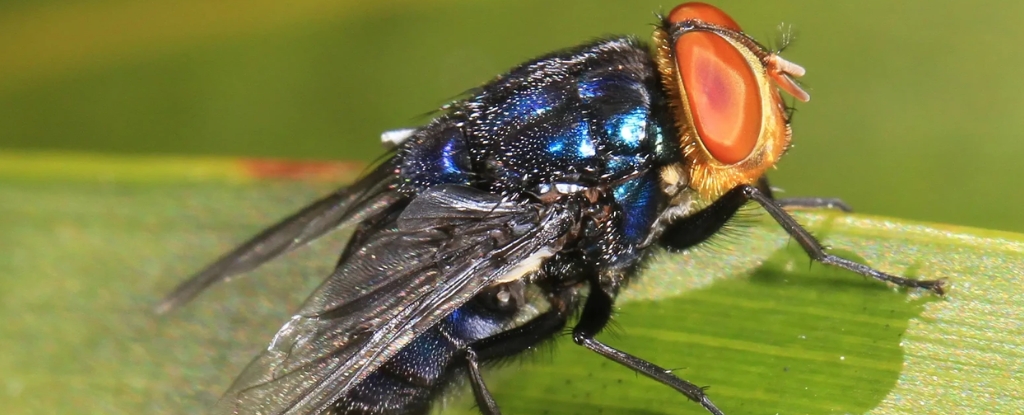
A rare case of flesh-eating screwworm in the U.S. has been reported in a traveler returning from Central America, but health officials say the risk to the public is very low due to the parasite's limited presence and effective containment measures. The screwworm, a fly whose larvae can cause severe tissue damage, mainly affects livestock but can infect humans through open wounds. Ongoing efforts in Central America and Mexico aim to control outbreaks, and the U.S. has prepared response plans to prevent further spread.
A parasitic fly known as the New World screwworm, previously eradicated from North and Central America, is re-emerging and spreading, threatening livestock, humans, and pets, prompting international efforts to control its population through sterile insect techniques and increased surveillance amid concerns about climate change and cattle movement.
The new world screw worm, a parasitic fly that lays eggs in the wounds of warm-blooded animals, is resurging in Central America, threatening livestock and human health. Despite decades of eradication efforts using sterile male flies, the pest has reappeared in countries like Costa Rica and Panama, prompting calls for more advanced genetic solutions like gene drives. Factors such as climate change, deforestation, and migration may be contributing to the screw worm's comeback, challenging scientists and farmers to find effective control measures.
New polio vaccines are crucial for preventing outbreaks and achieving global eradication. While two of the three wild poliovirus serotypes have been eradicated, challenges remain with the last serotype and vaccine-derived polioviruses. Improved vaccines, testing, and sanitation efforts are essential to overcome these hurdles and protect children from this debilitating disease.
In the latest Helldivers 2 Major Order, players noticed strange behavior from the Automatons, with some robots choosing not to fight and instead following players. This has sparked debate among players about whether the robots are attempting diplomacy or simply trying to survive eradication. Some players see it as a form of betrayal, while others speculate it could be an intended part of the game's lore. Regardless, players are advised to remain cautious and prepare with the best weapons and armor to ensure the liberation of planets from the Automatons.
The improbable victory over smallpox, the last recorded case of naturally occurring variola major smallpox in 1975, holds lessons for health threats in 2024. Dr. Céline Gounder, a physician and epidemiologist, traveled to India and Bangladesh to capture the history of the smallpox eradication campaign, highlighting the stories of South Asian public health workers and survivors. The eradication leaders' unwarranted optimism and moral imagination, along with the need to respect local culture and address immediate needs, offer valuable lessons for confronting current public health challenges. The article emphasizes the importance of meeting people's basic needs and building trust to effectively respond to future health crises.
The world is on the brink of eradicating polio, with no confirmed cases of wild polio reported so far this year. Efforts to vaccinate and secure funding must continue to ensure the complete eradication of the disease, with the last cases reported on the borders of Pakistan and Afghanistan. The UK government is urged to maintain funding for the Global Polio Eradication Initiative, as the absence of confirmed cases is "really encouraging" but the campaign needs to aggressively close any immunization gaps. Failure to eradicate polio in these last two endemic countries could lead to a global resurgence, with the potential for 200,000 new cases annually within 10 years.
Mosquitoes are responsible for spreading diseases such as malaria, West Nile, Zika, and dengue, making them the world's deadliest animal. However, completely eradicating all mosquitoes is not feasible or advisable due to the diverse ecological roles they play and the potential adverse effects on ecosystems. Instead, experts suggest targeting specific disease-transmitting species, such as Aedes, Anopheles, and Culex, while preserving non-disease-transmitting species that fill ecological niches. Control strategies include specialized techniques like Wolbachia infection and gene editing, as well as non-chemical options like introducing fish to eat mosquito larvae. Education about mosquito control and responsible use of repellents is also crucial. Eliminating the worst mosquito species is possible but will require time and further research to develop effective and affordable tools. In the meantime, individuals should stay informed about mosquito-borne risks and take preventive measures to protect themselves.
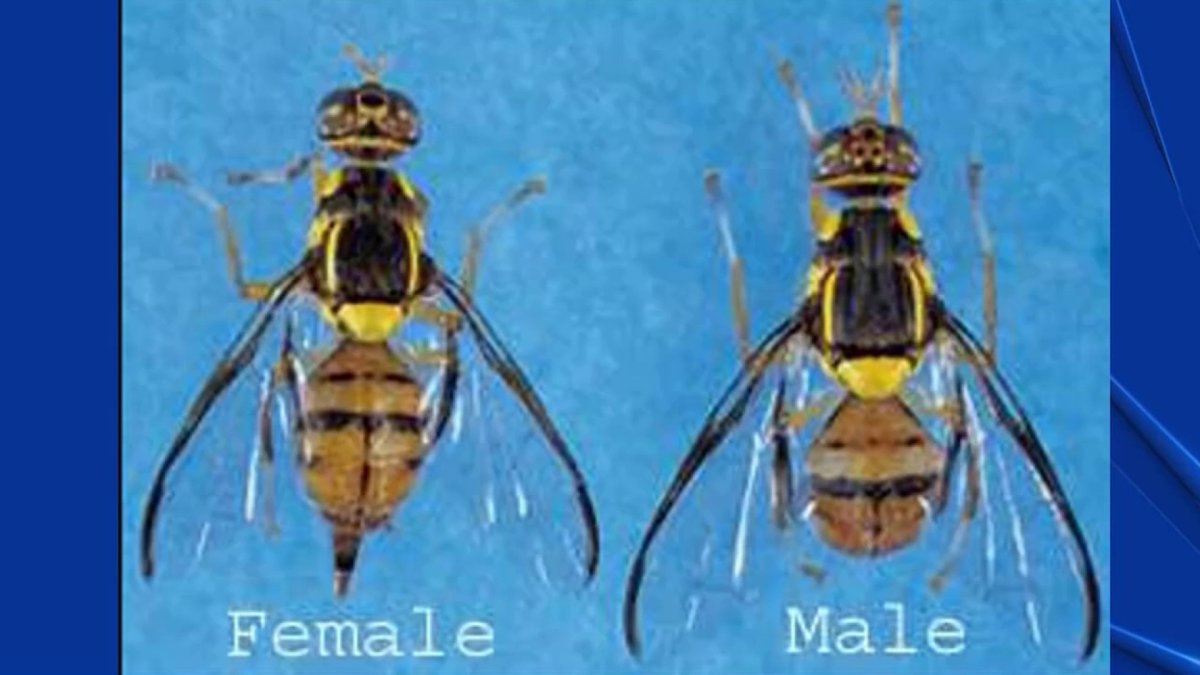
Agriculture officials in California are working to eradicate the oriental fruit fly, a non-native bug that poses a threat to the state's crops. The fly, which is native to Asia, has been found in Santa Clara County and has the potential to cause billions of dollars in damage to fruits and vegetables. Officials are treating the affected areas with bait and pesticide, and are urging people not to move infested fruit to prevent the spread of the fly. Bringing fruit from outside the state into California is strongly discouraged to prevent further infestations.
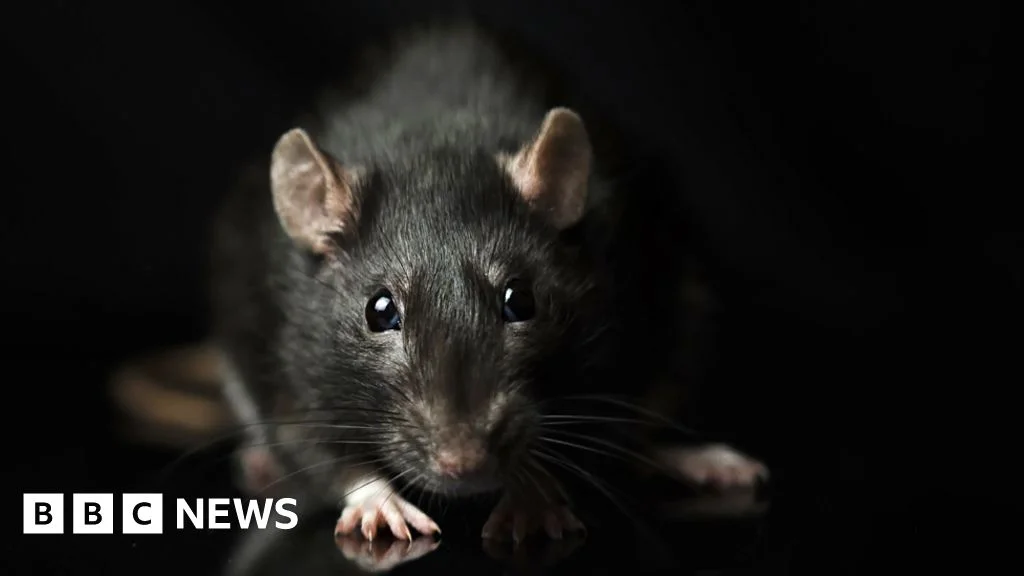
New Zealand aims to eradicate rats, stoats, weasels, ferrets, and possums by 2050 to protect its unique ecology and save its native birds. The government has marked these predators for eradication, and Predator Free 2050 Ltd has been set up to channel government and private money into local projects to test eradication strategies. The most ambitious of them is Predator Free Wellington, which aims to kill off a range of pests, notably rats, which thrive in urban environments. The project's 36-strong team has turned amateur rat-catchers into proper exterminators.
Three counties in Florida are under quarantine due to sightings of giant African land snails, an invasive species that can carry diseases and parasites. The snails have a not-so-strict diet and can lay up to 2,500 eggs a year, making them dangerous to Florida's climate and agriculture. The state agricultural department has issued an eradication order and will release boric acid granules to eradicate the population. The snails are often brought to the U.S. by smugglers to sell as delicacies or pets.