A Rush University study of 1,939 older adults over ~8 years links lifelong cognitive enrichment—through reading, writing and language learning—to up to 38% lower Alzheimer's risk and 36% lower risk of mild cognitive impairment, independent of socioeconomic status, suggesting lifelong mental activity may delay dementia—even though causation isn’t proven.
The piece outlines eight simple daily habits shared by happy seniors (over 70) that help them stay youthful: moving each morning, practicing precise gratitude, nurturing deep personal connections, learning for joy rather than mastery, having a purpose beyond self, protecting sleep, laughing at themselves, and saying no without guilt—emphasizing consistency and that you can start these at any age.
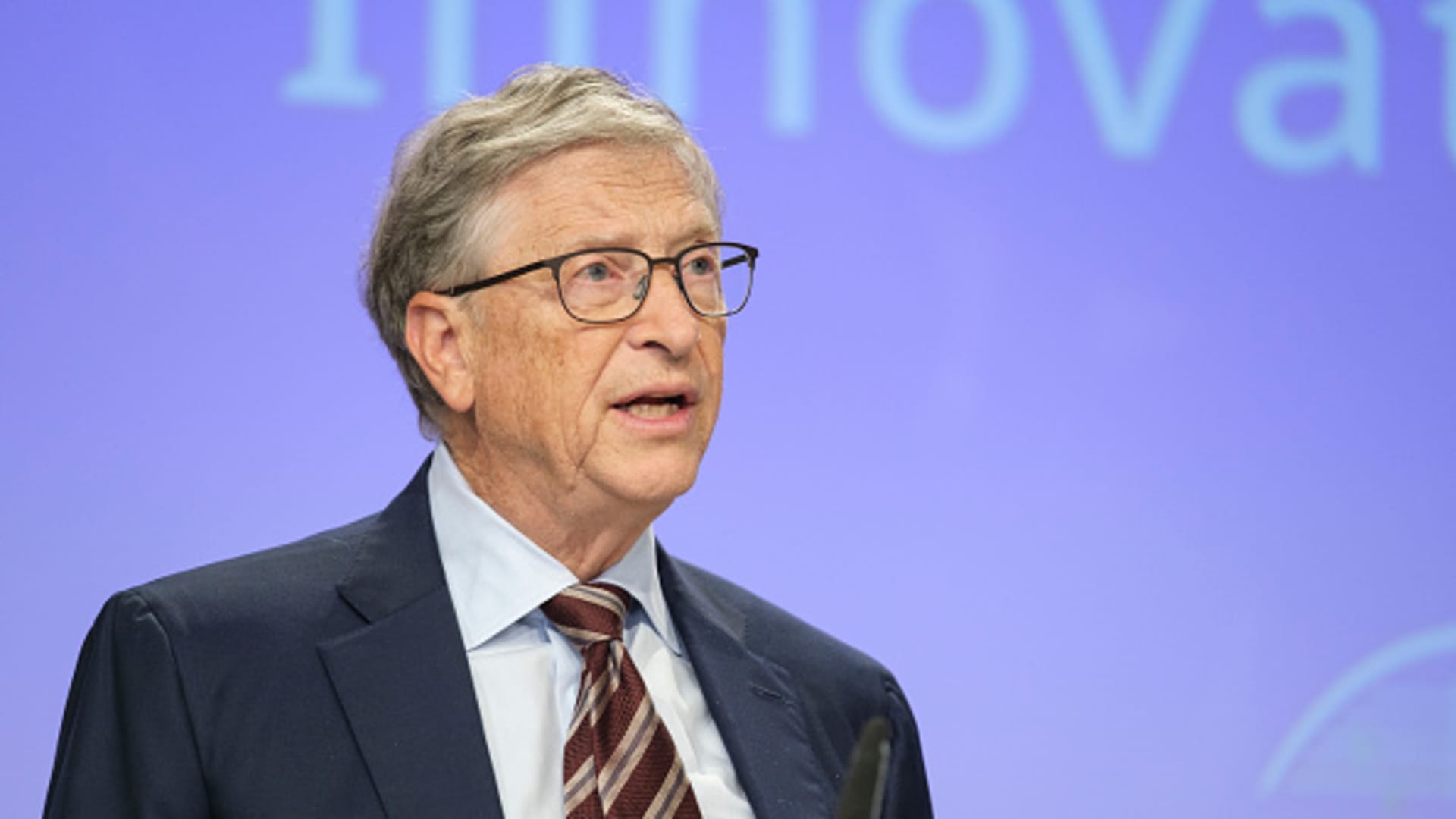
Bill Gates credits his lifelong habit of reading as the catalyst for his career transition from Microsoft to international philanthropy. Gates, known for being a voracious reader, became interested in global health challenges after reading an article about children dying from easily curable diseases. This interest grew during his retirement from Microsoft, leading him to make the Bill and Melinda Gates Foundation his primary focus. Gates' ability to research and synthesize information effectively, honed through reading, helped him identify areas where his money could make a difference. Since 2000, the foundation has spent billions fighting global health crises, although it has faced criticism for transparency and impact measurement. Reading is seen as a valuable habit for success, expanding the mind and enhancing empathy, communication, and leadership skills.
A 101-year-old woman in Ohio continues to work part-time at a craft store, not out of financial necessity, but because she enjoys it. Research suggests that her approach to a long career is beneficial for living a longer and richer life. Prioritizing a social life and staying socially active can improve cognitive function and overall well-being in older adults. Regular exercise helps stave off poor health and can save on medical expenses in retirement. Additionally, lifelong learning, whether through reading or acquiring new skills, can ward off dementia and contribute to a fulfilling life.
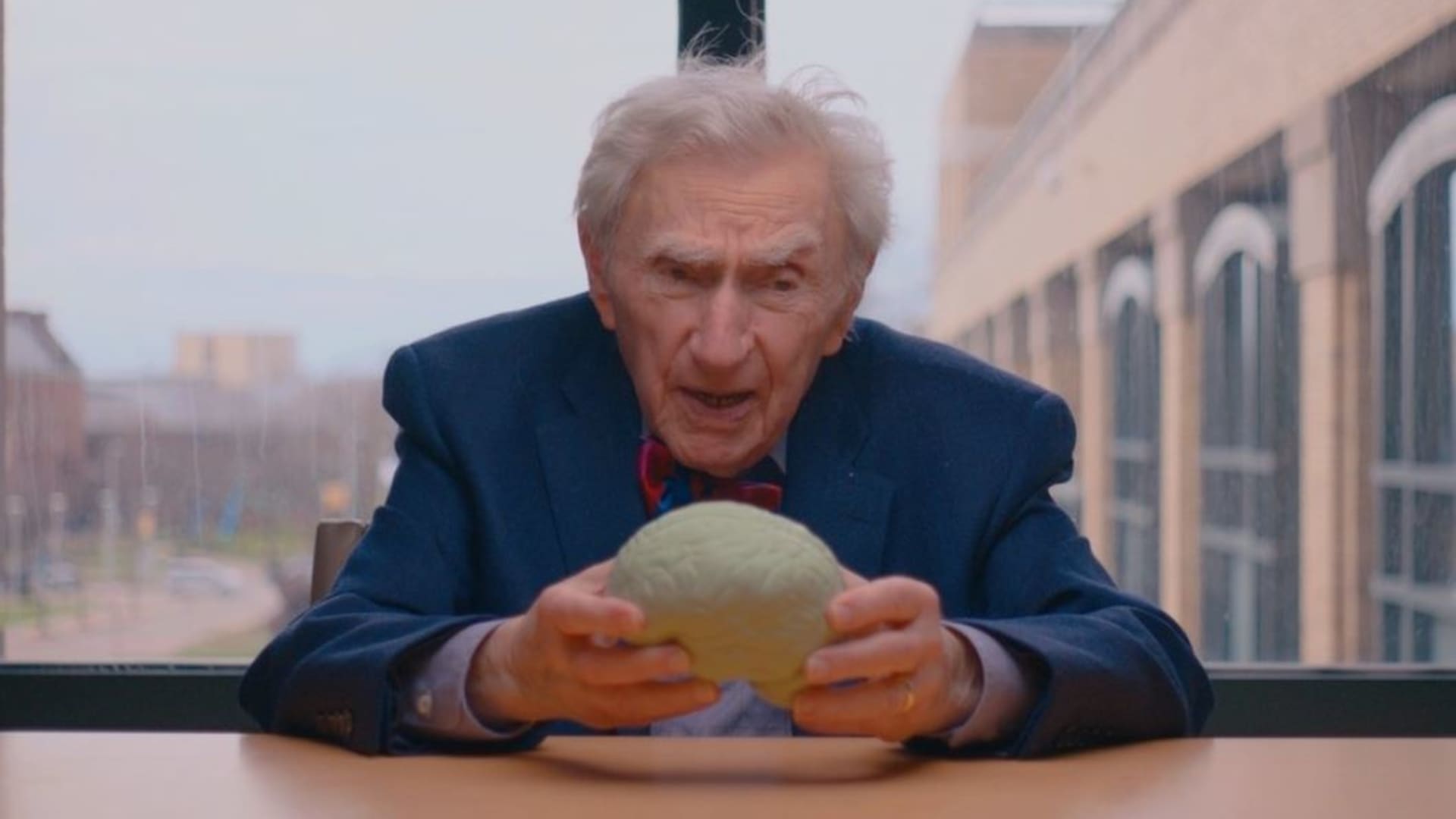
At 101 years old, the world's oldest practicing doctor shares his secrets to keeping the brain sharp. He continues to work, believing that retiring can lead to cognitive decline. He stays up to date with medical advancements, volunteers, pursues hobbies, and learns new skills. Maintaining social connections is also crucial, as strong relationships can help maintain memory and cognitive function. Reading for entertainment is another habit that keeps his mind active.
Learning as an adult doesn't have to be confined to a classroom. Acquiring knowledge and skills can happen anywhere, from reading articles online to watching YouTube videos. Learning new things can help preserve cognitive function and independence as we age. It's important to challenge ourselves and seek feedback to continue growing. Leveraging existing skills and practicing retrieval techniques can aid in retaining information. The key is to get the information out of our heads through verbalization or teaching others.
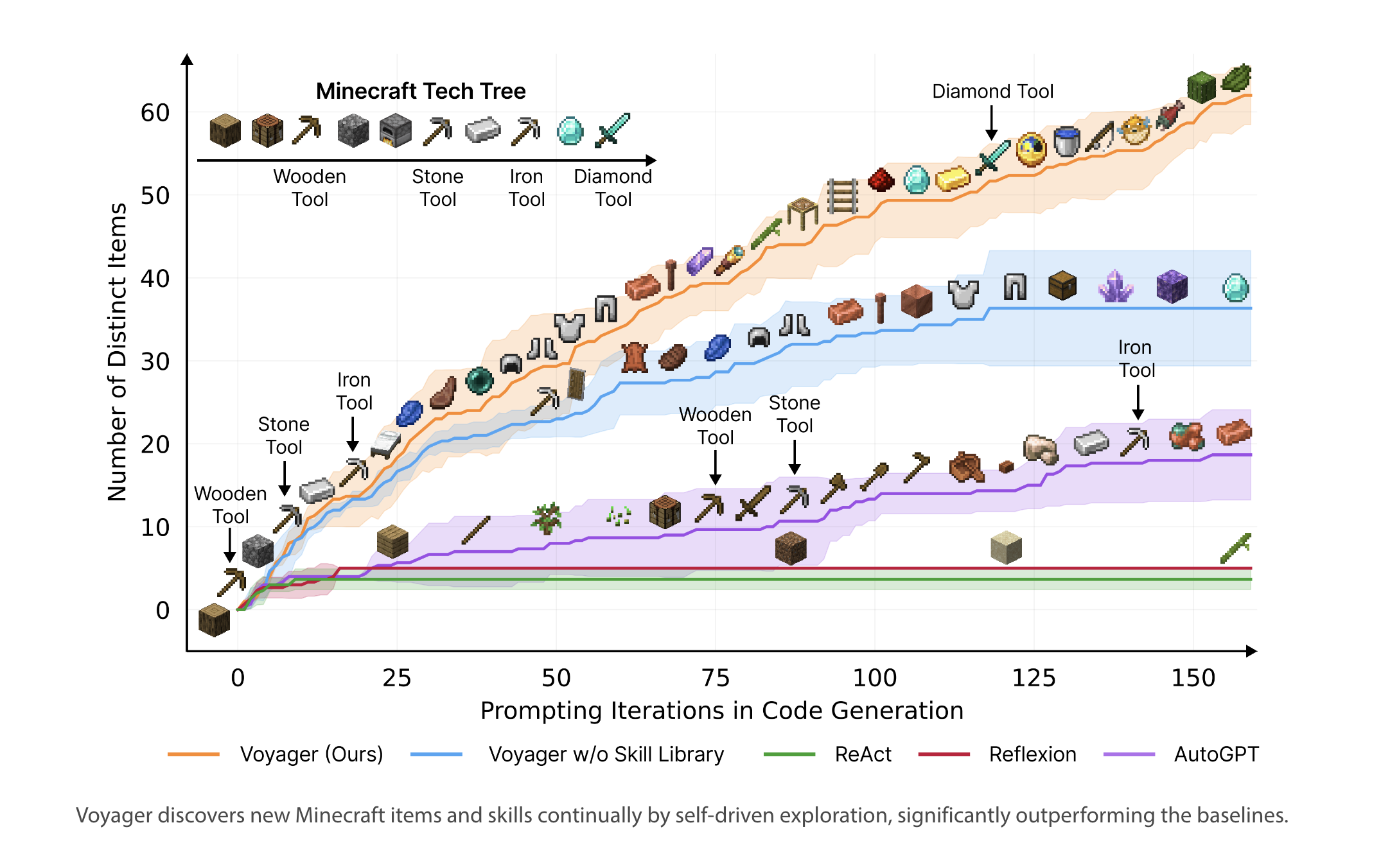
Voyager is the first lifelong learning agent in Minecraft powered by GPT-4, with an automatic curriculum, an ever-expanding skill library, and a prompting mechanism for program enhancement. Voyager's talents grow fast thanks to the compositional synthesis of complex skills, which prevents catastrophic forgetting. Voyager demonstrates extraordinary performance in Minecraft and a robust contextual lifetime learning potential. However, limitations include the cost of GPT-4 API, inaccuracies, and hallucinations. Researchers are optimistic that future updates to GPT API models and cutting-edge methods for fine-tuning open-source LLMs will eliminate these drawbacks.
Older adults who learn multiple new tasks can improve their cognition in the process, according to a recent study. The study found that the cognitive scores of older adults increased by at least two to three times after learning new skills such as Spanish, using an iPad, photography, painting, and music composition over three months. The cognitive scores continued to grow up to one year after the learning had ceased, and the scores increased to levels similar to undergraduates taking the same cognitive tests for the first time.